French Wine Cellars and Underground Breweries
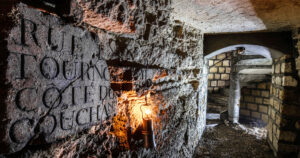
Wine cellars in France represent an iconic element of the country’s viticultural heritage. They have been used for centuries to store and age wine under ideal conditions. Spread across France’s many wine regions, these cellars vary in size, design, and history, but they all share a common purpose: preserving the quality and character of French wines.
In areas like Burgundy, the Loire Valley, Bordeaux, and Champagne, wine cellars are often carved into limestone or rock, providing perfect natural conditions of temperature, humidity, and stability for aging wine. Some lie several meters underground, naturally insulated from external temperature variations..
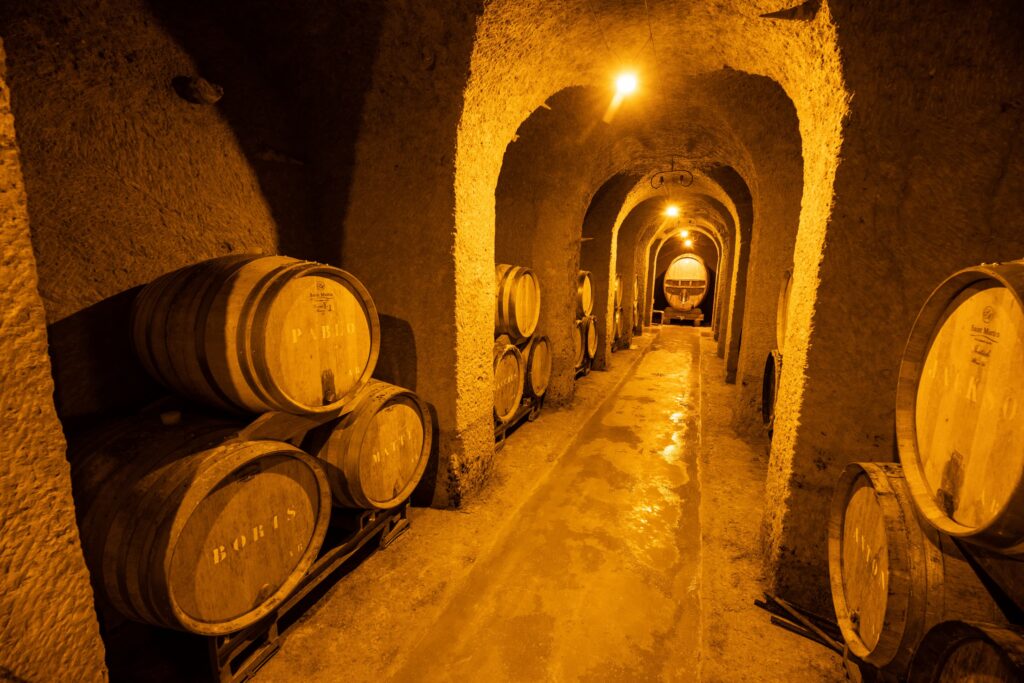
Many wine cellars now offer guided tours where visitors can learn about the winemaking process, explore production facilities, and discover the underground chambers where wines mature to perfection.

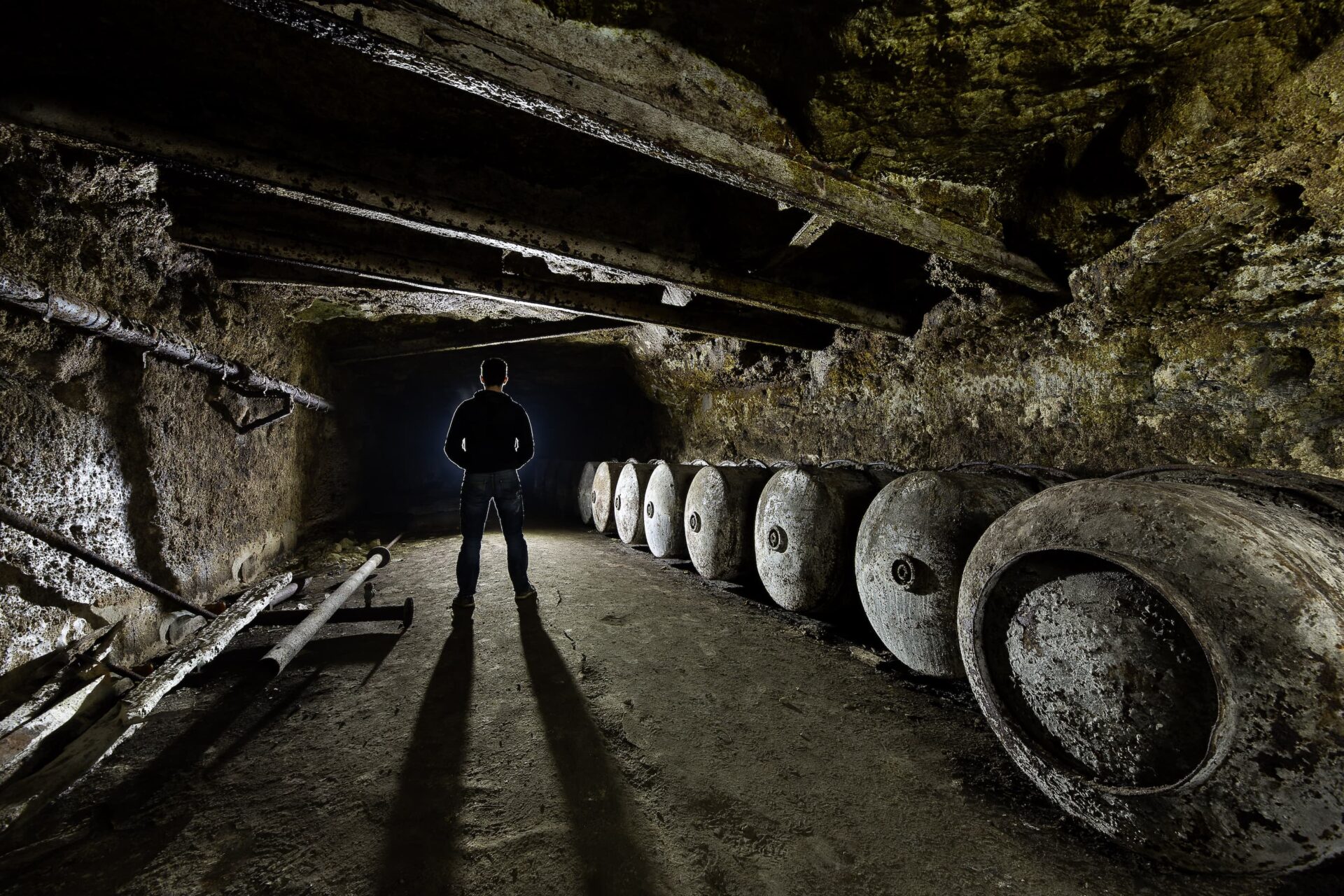
Stockage de tonneaux
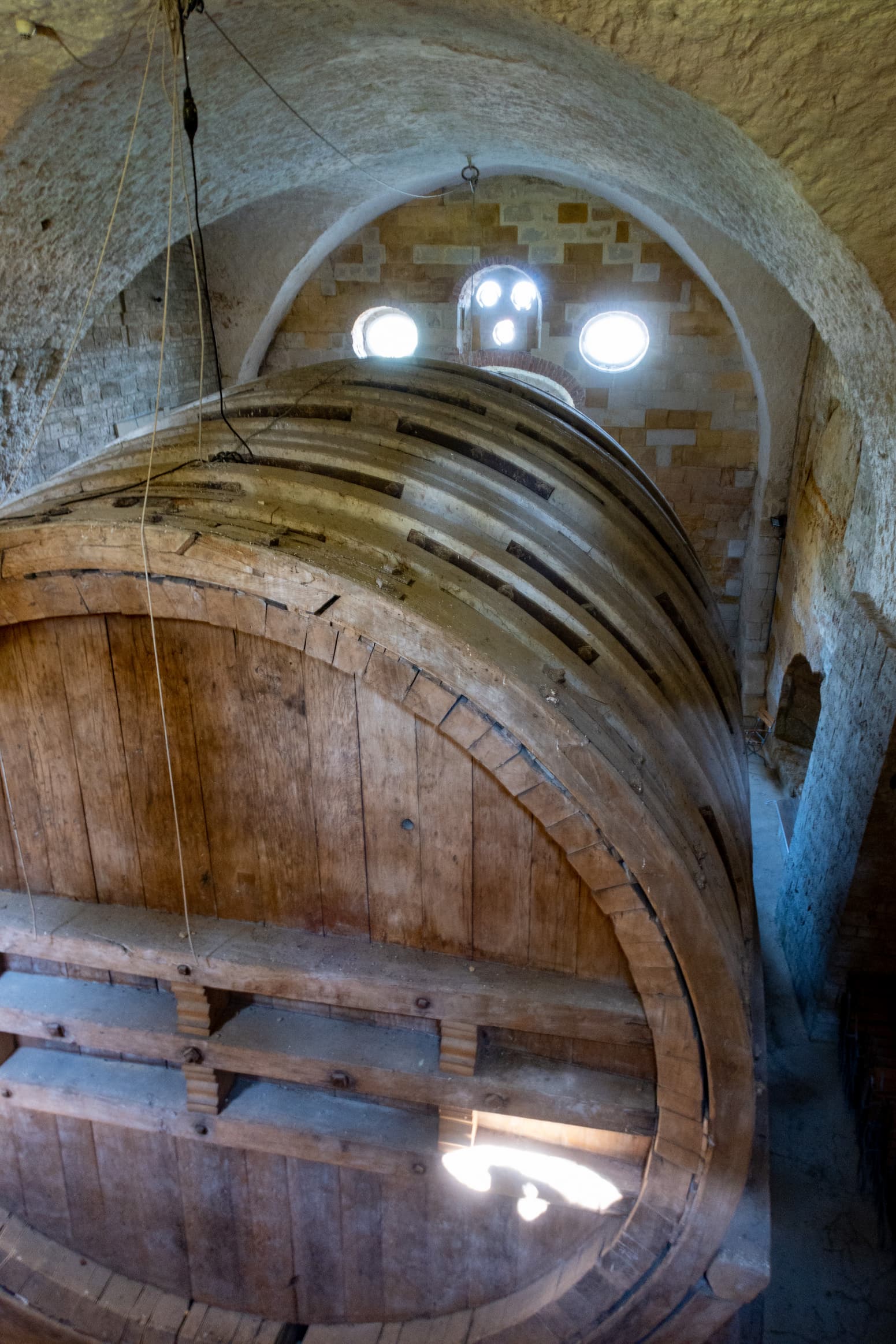
Le tonneau géant
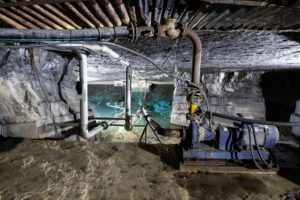
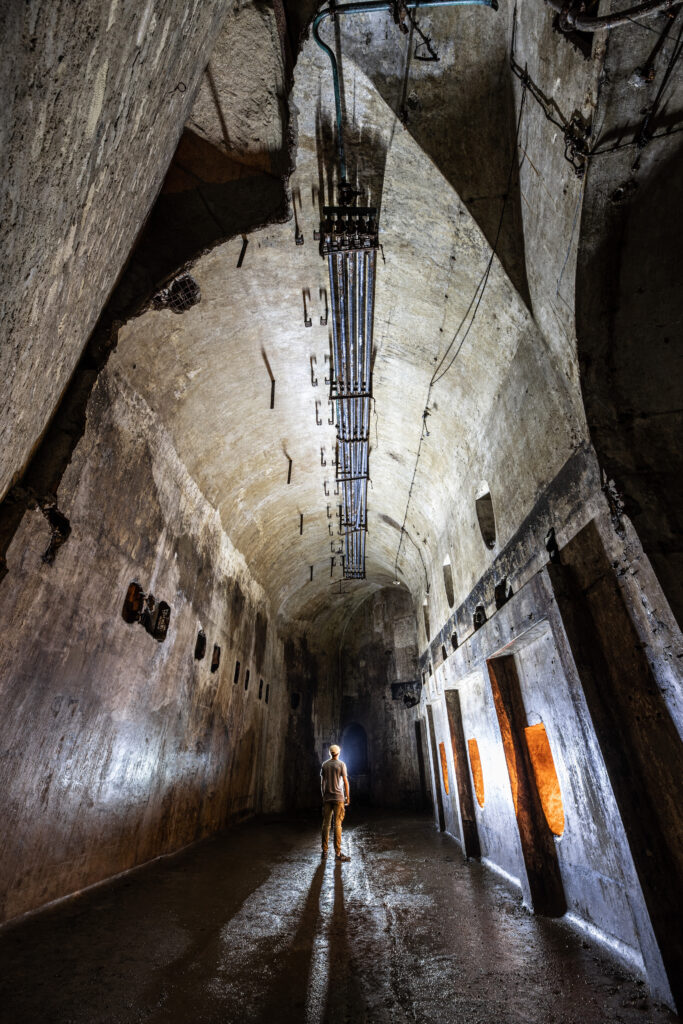
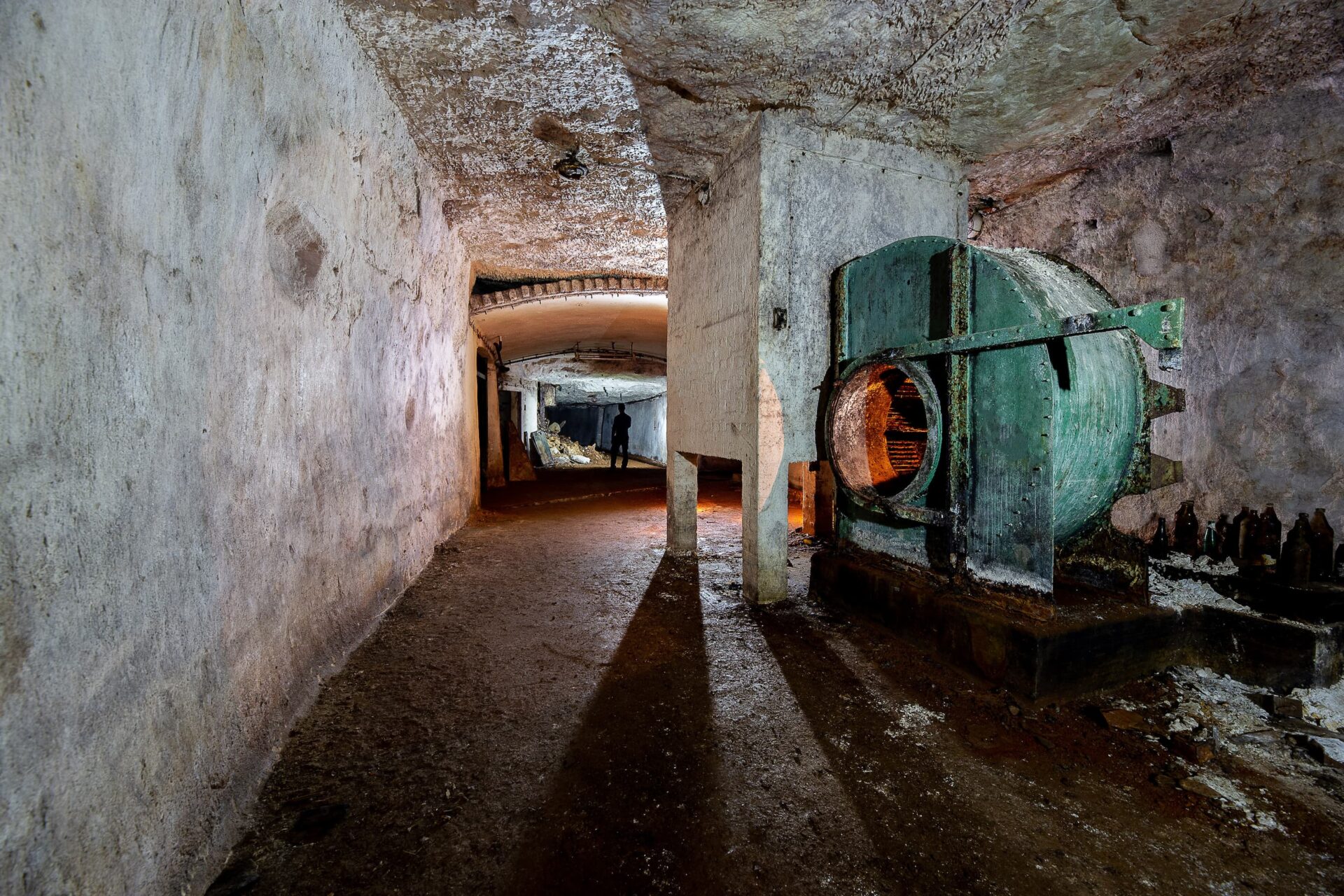
Ventilation des cuves de brassage à Dumesnil
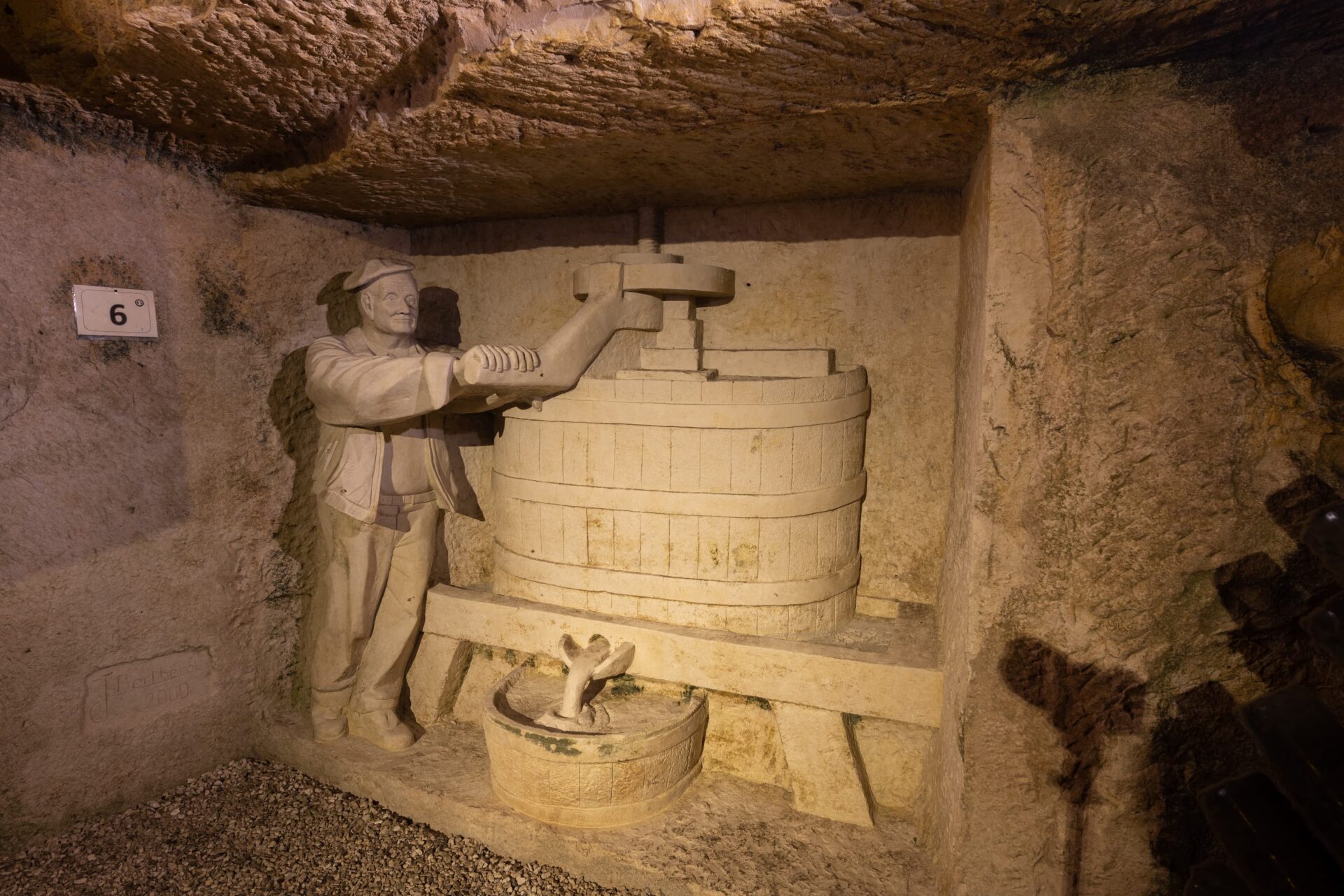
Sculpture d’un pressoir
Religious Troglodyte Sites
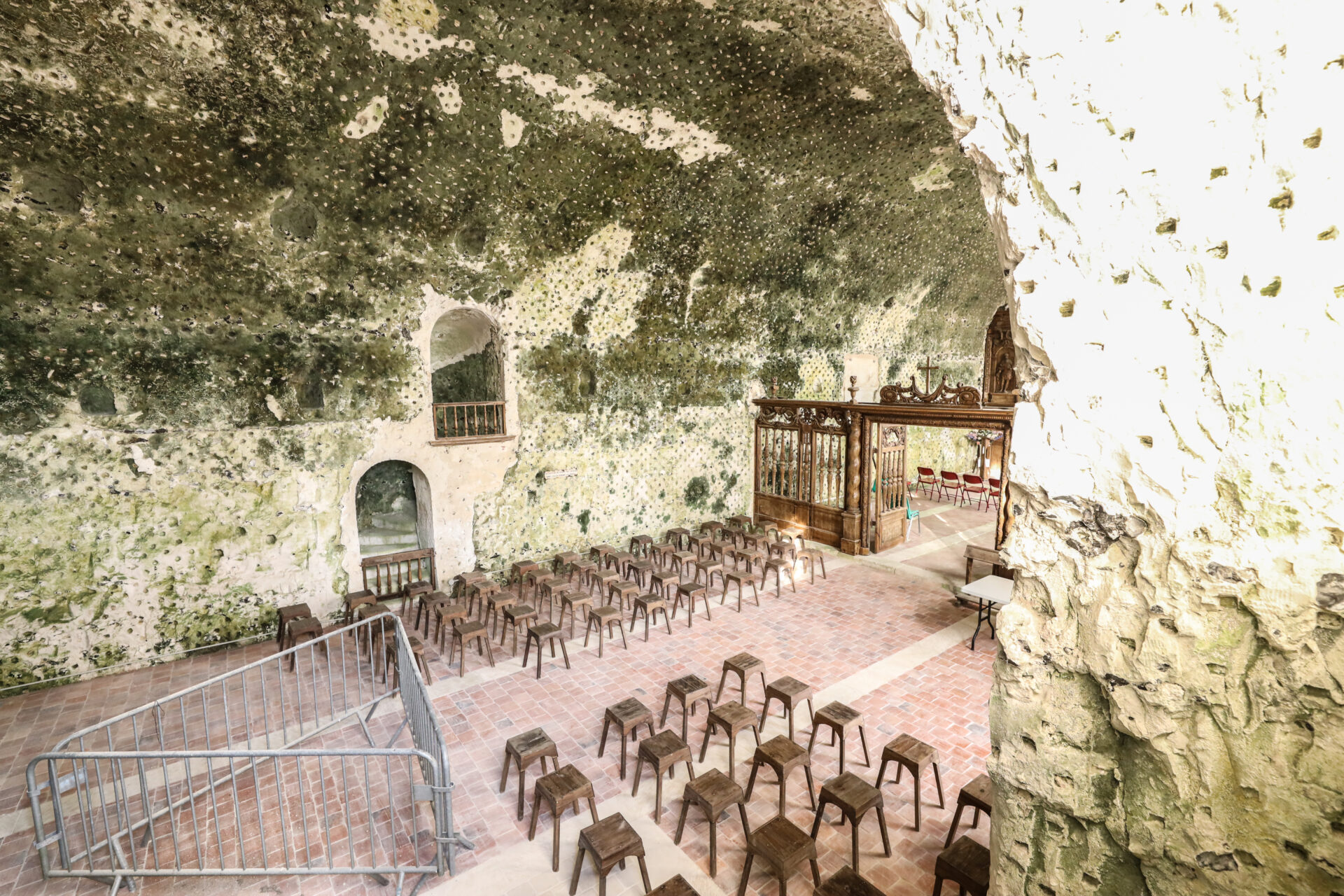
Religious troglodyte sites, such as churches and chapels carved into rock, stand as fascinating testaments to human ingenuity and faith. Nestled into limestone cliffs or natural caves, these rock-hewn sanctuaries invite a unique sense of reflection. Their harmonious blend with nature creates a deep connection between humankind and the land, recalling a time when faith was inseparable from the earth itself.
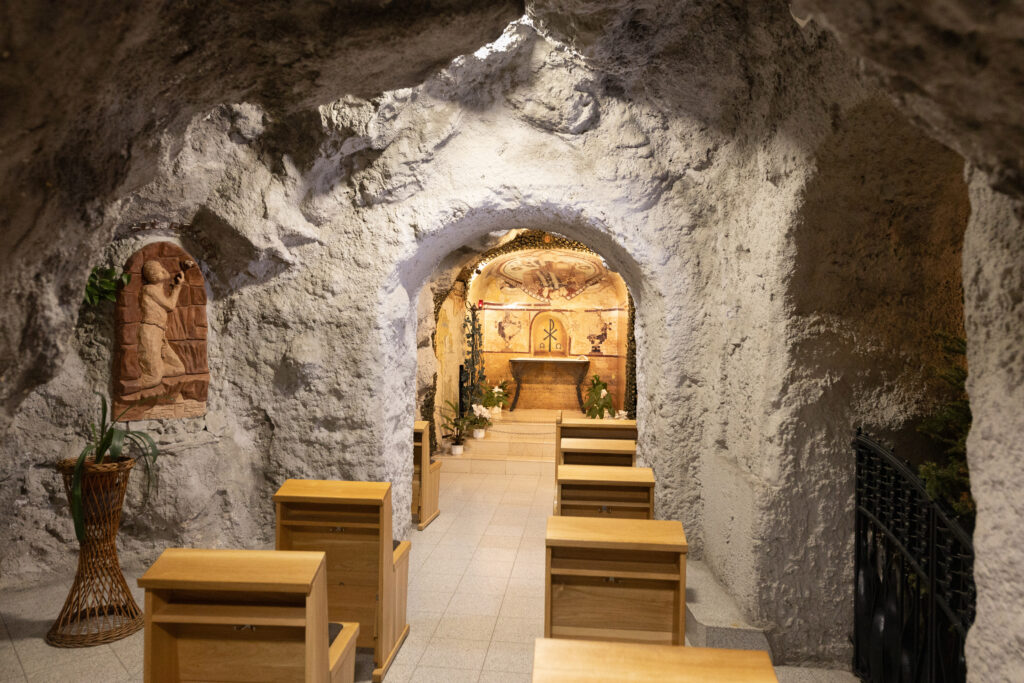
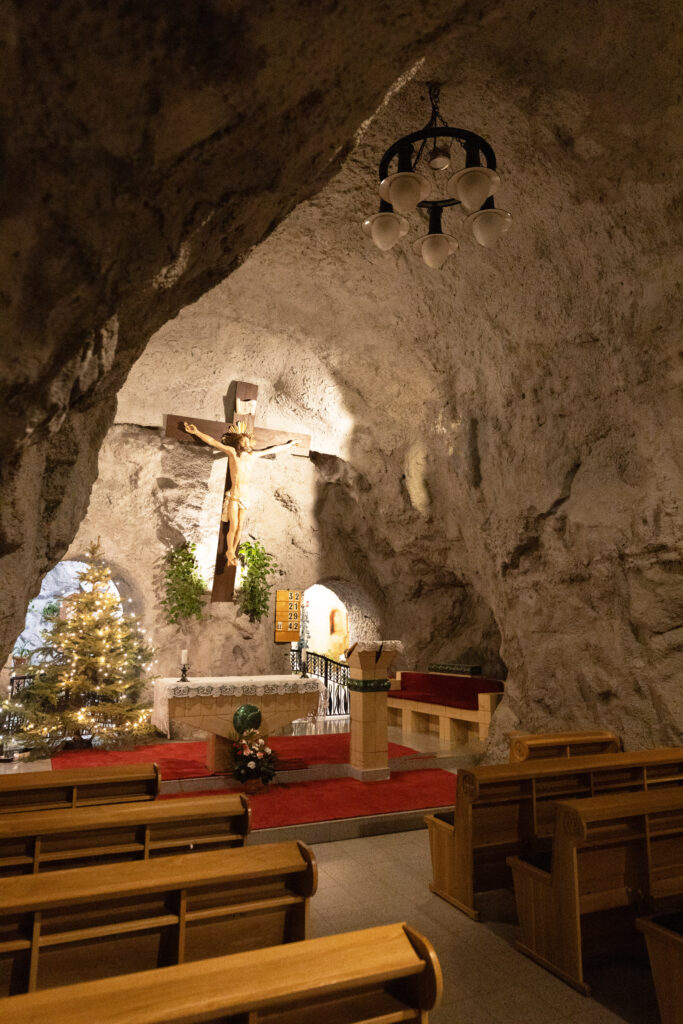
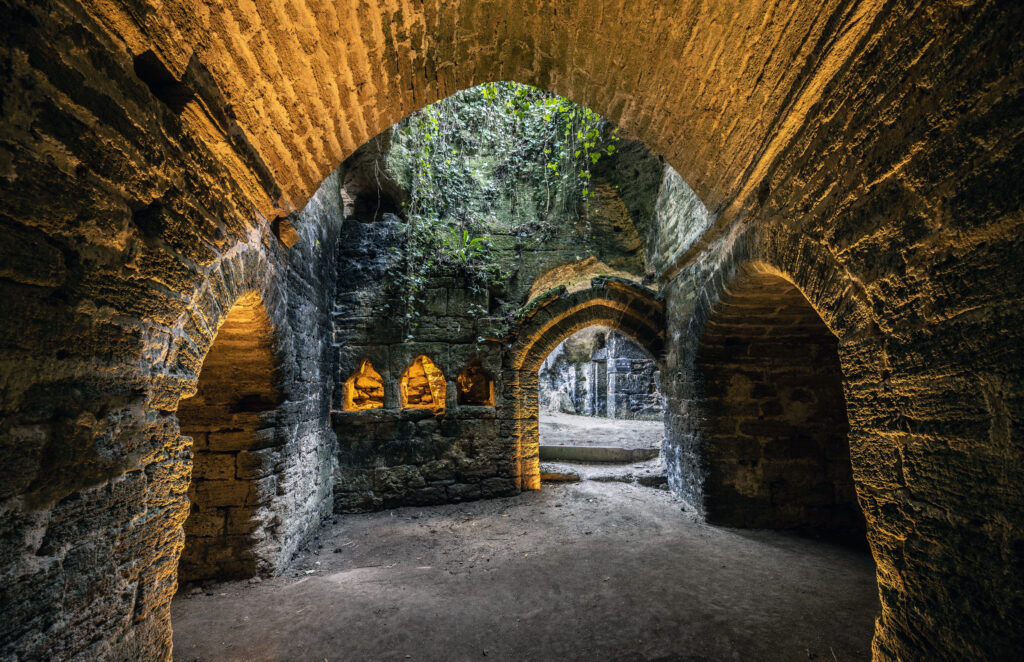
These remarkable rock sanctuaries are mostly found in regions of France where geology lends itself to such architecture, notably the Loire Valley, Dordogne, Provence, and Mediterranean areas.
Troglodyte Villages
In regions where the rock is soft and easy to excavate, local populations used this natural resource to build homes and even entire villages. Carving into the rock was often cheaper and easier than building with traditional materials like wood or brick. Moreover, troglodyte dwellings provide natural protection from both heat and cold.
In some areas, this form of housing has been passed down for generations. Residents continue to live in these sites out of attachment to their cultural roots and traditional way of life.
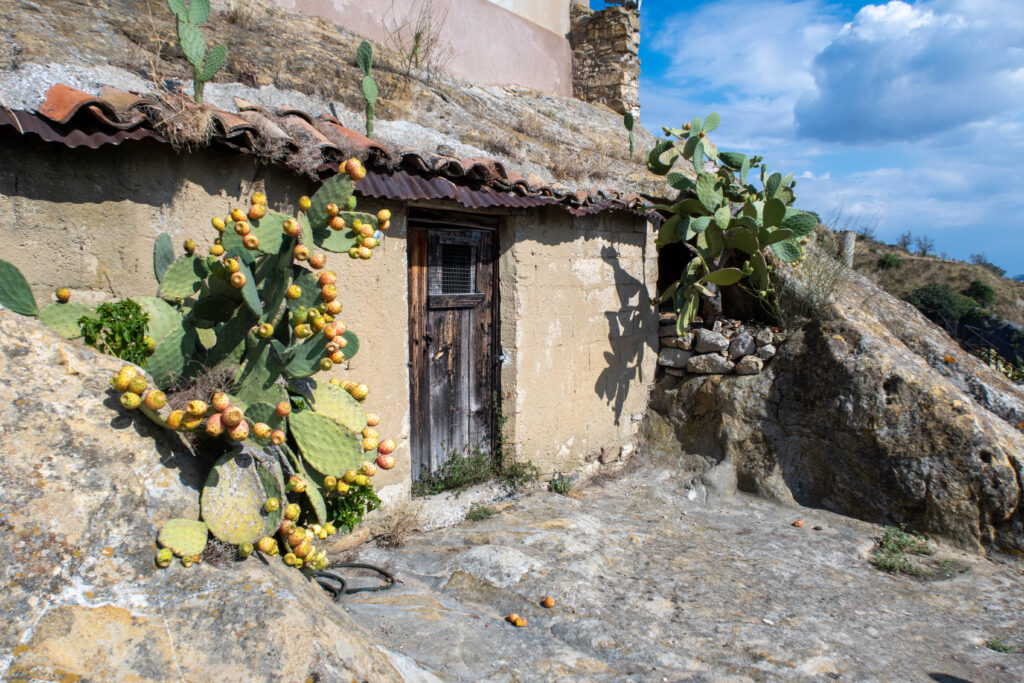
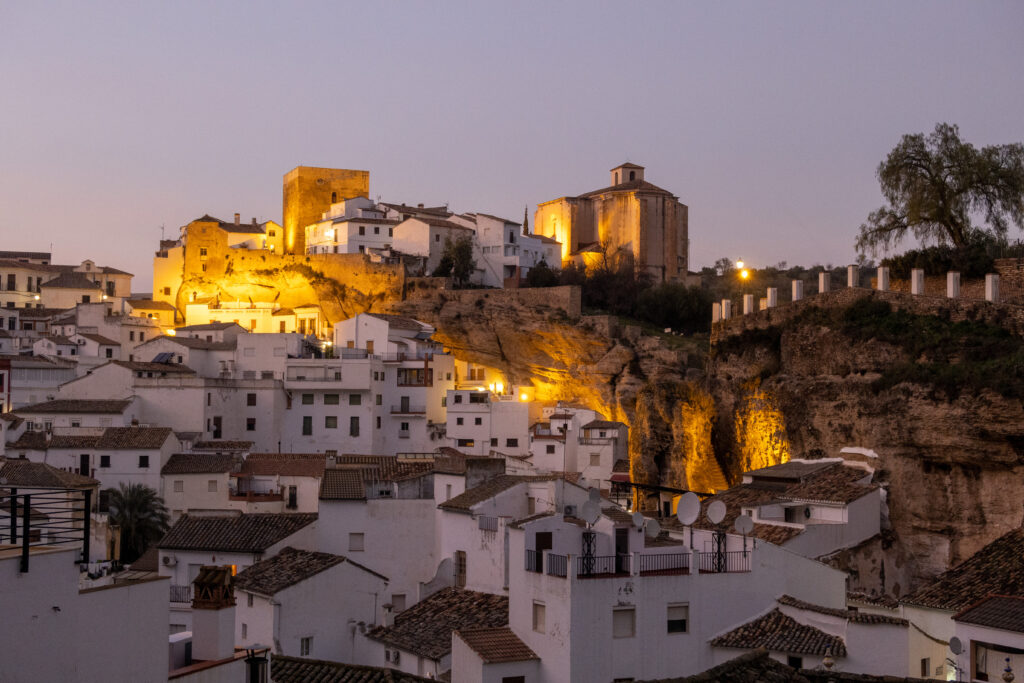
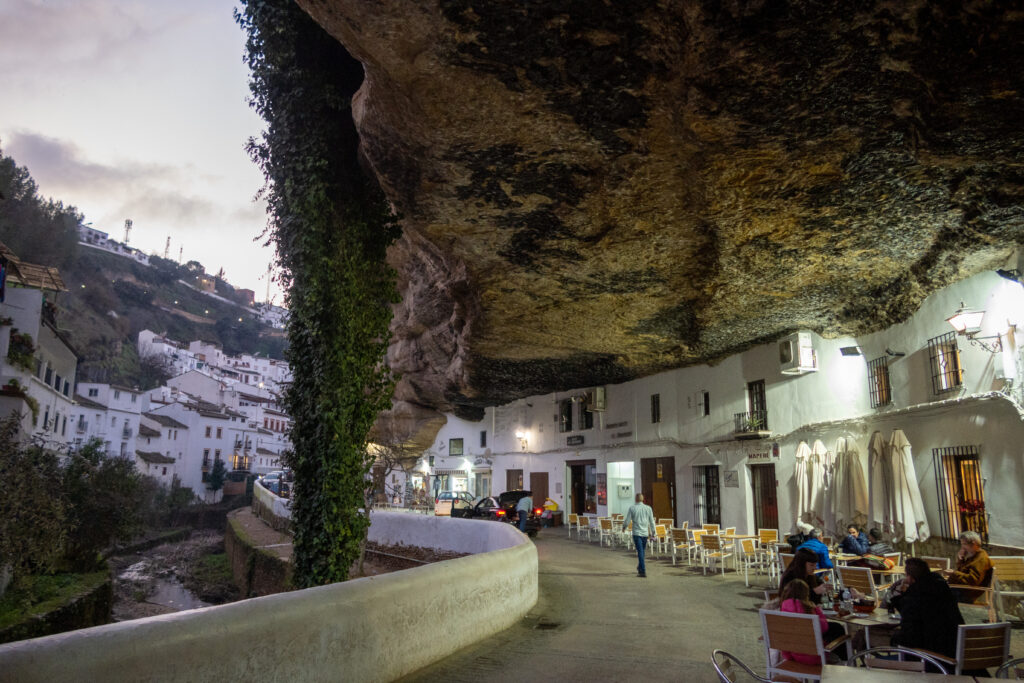
Today, these troglodytic sites attract many tourists for their originality and peaceful atmosphere.
Tourist Caves (history, art, tastings, …)
The Roquefort Caves
The Roquefort caves, located in France’s Aveyron region, play an essential role in aging the famous Roquefort cheese. Carved into limestone centuries ago, they have a unique microclimate that nurtures the Penicillium roqueforti mold responsible for the cheese’s distinct flavor and creamy texture.
Within these natural caves, temperature and humidity remain perfectly balanced, allowing the raw milk cheeses to mature naturally. This centuries-old tradition continues to shape one of France’s most renowned culinary treasures.
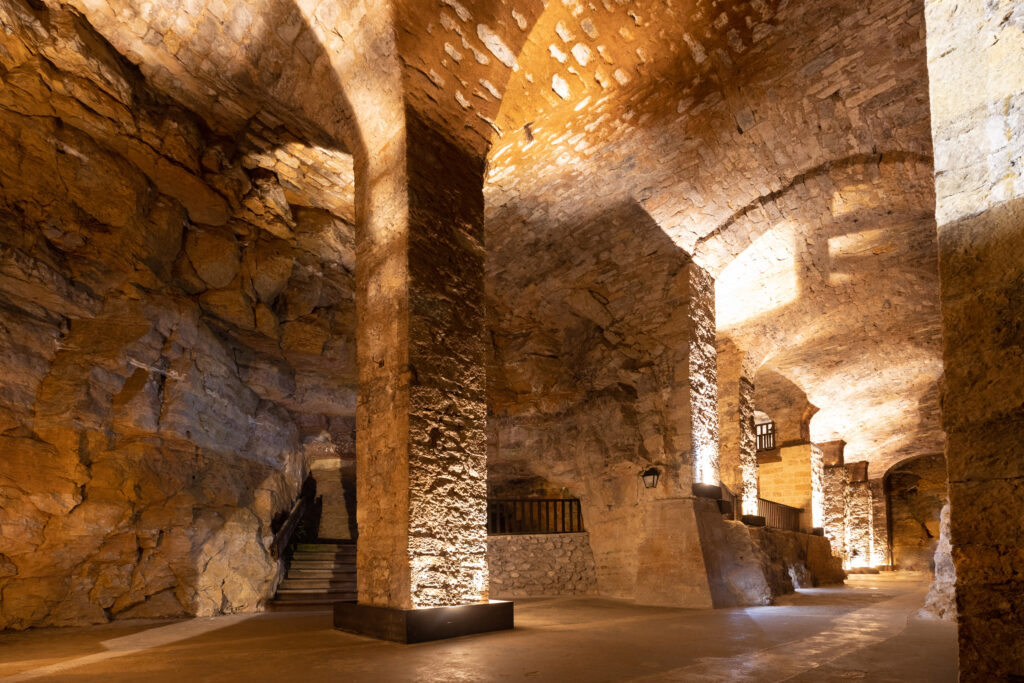
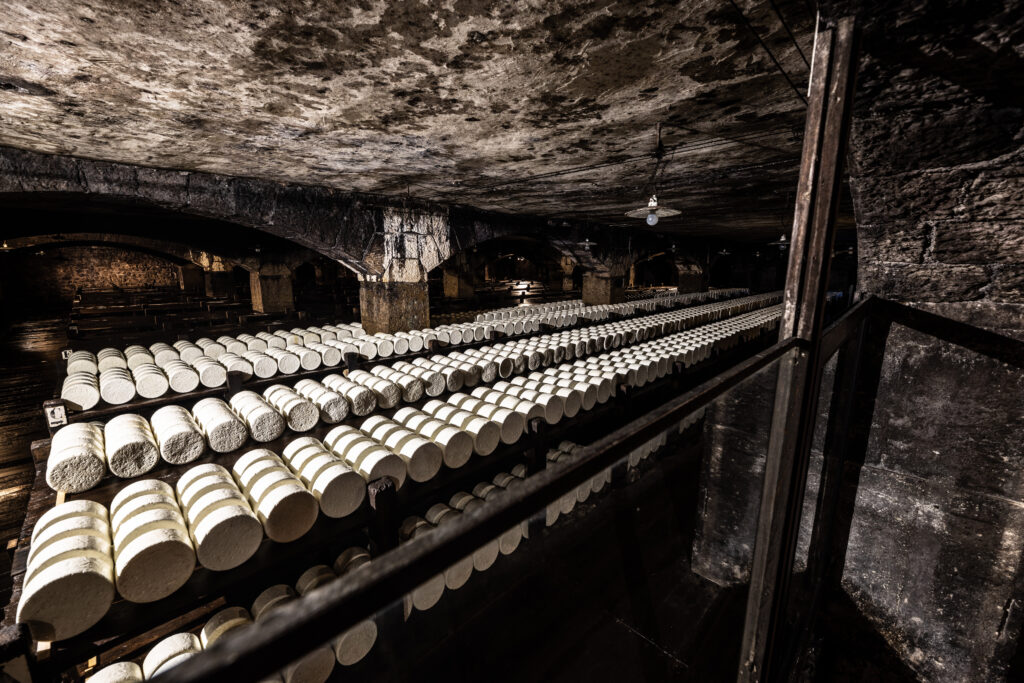
Amid this extraordinary setting, Penicillium roqueforti grows naturally, transforming the cheese into an internationally celebrated product and preserving a living example of traditional cheesemaking.
The Château de Brézé
Le cThe Château de Brézé is a unique architectural marvel notable for its vast underground network.
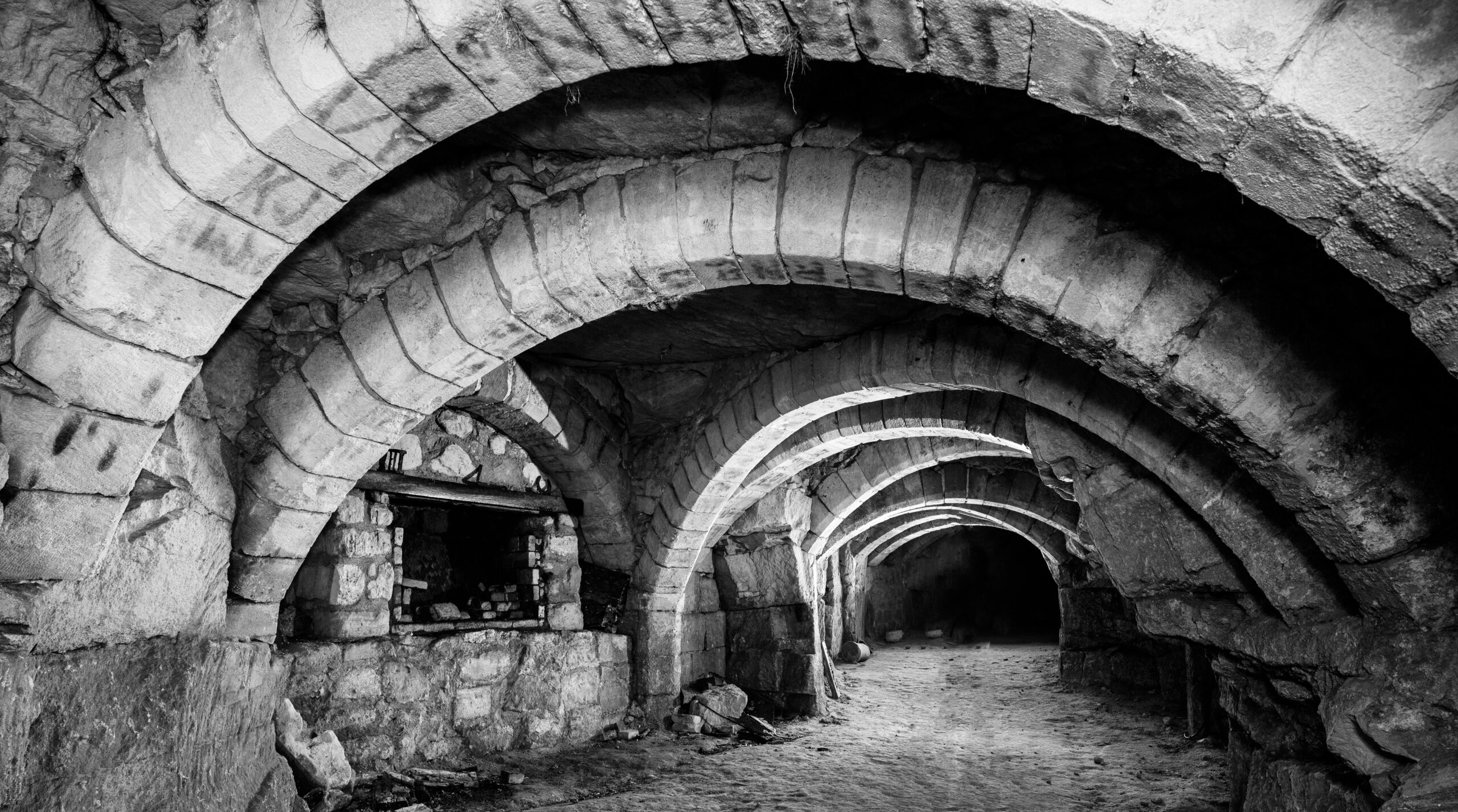
Beneath the château and its dry moats lies an impressive array of chambers, from everyday facilities like a bakery, stables, and a silkworm nursery to military structures such as a drawbridge and guard passageways.
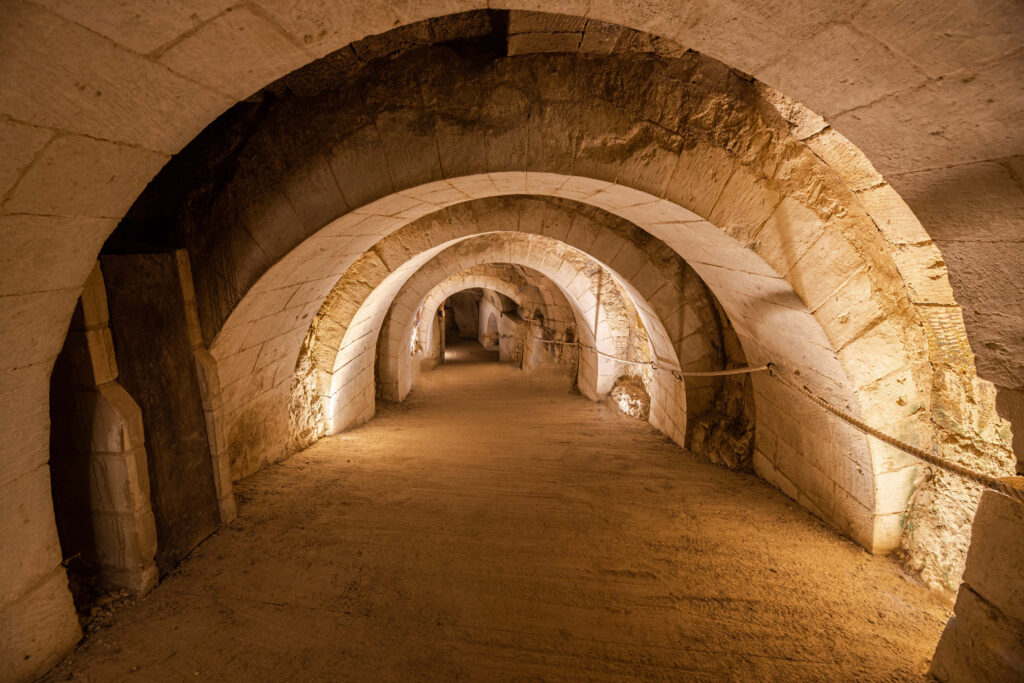
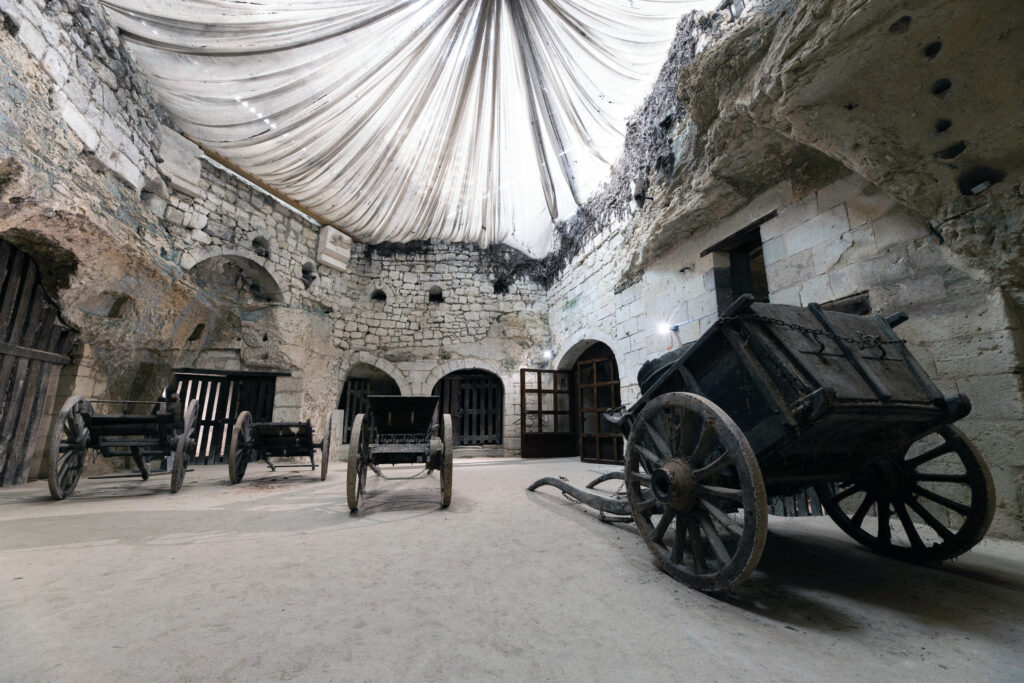
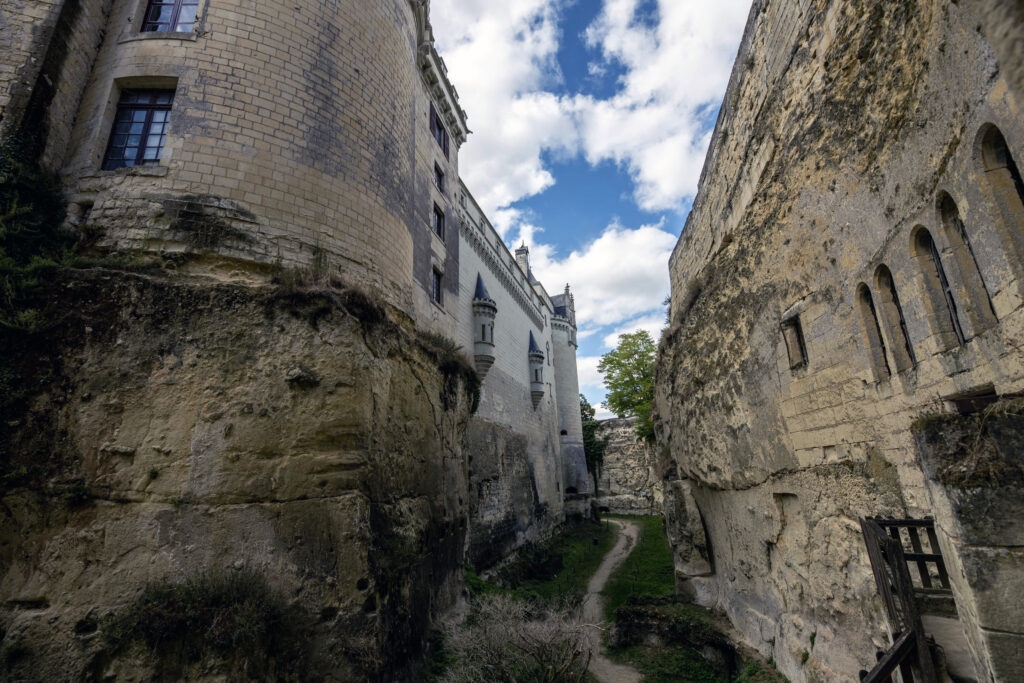
This rare combination of residential and defensive elements makes Brézé a historically and architecturally remarkable site. Classified as a Monument Historique since 1979, it stands as a vital part of France’s cultural heritage.
The Glassblower’s Cave
In the troglodyte caves of Brantôme, visitors can witness the mesmerizing art of traditional glassblowing. Artist Oscar Simonin, using centuries-old cane techniques, crafts beautiful and unique glass pieces, from lamps and vases to dinnerware, all shimmering with intricate colors and patterns.
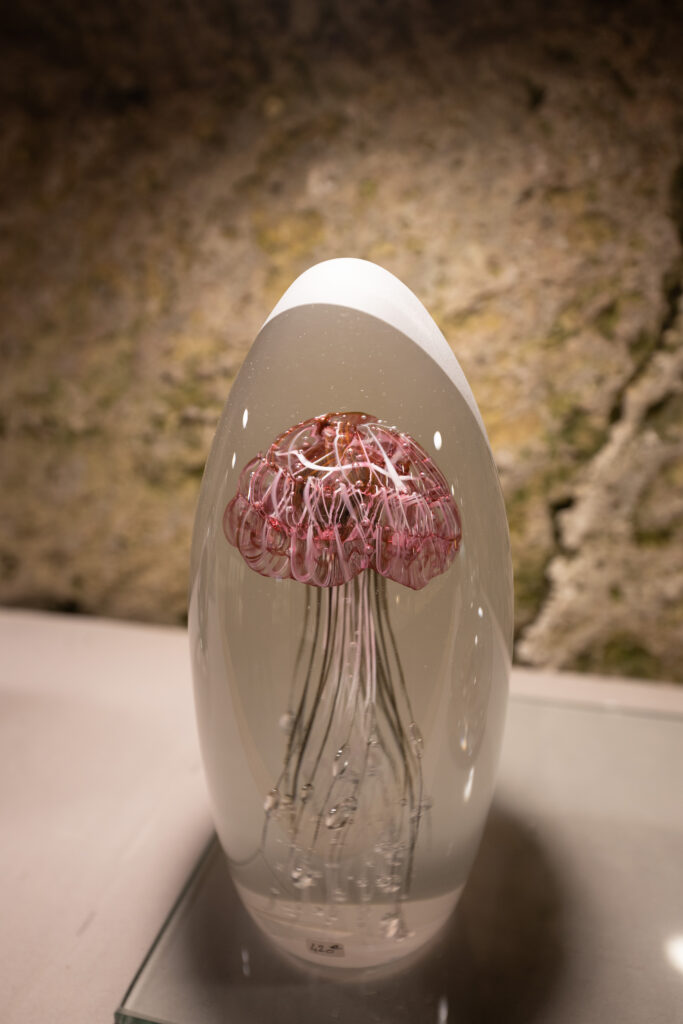
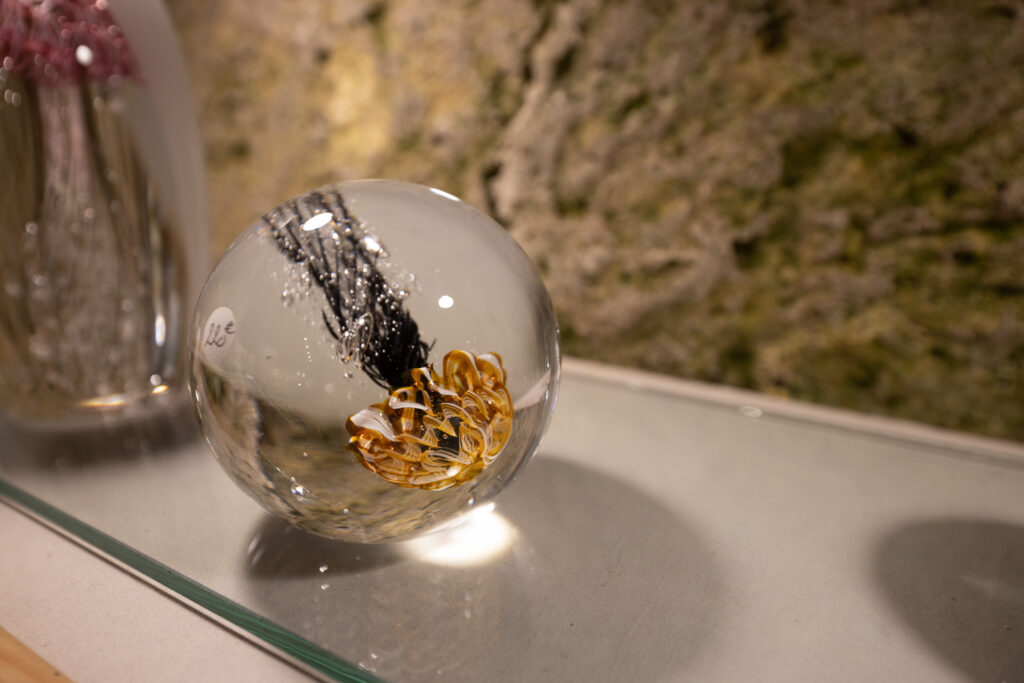
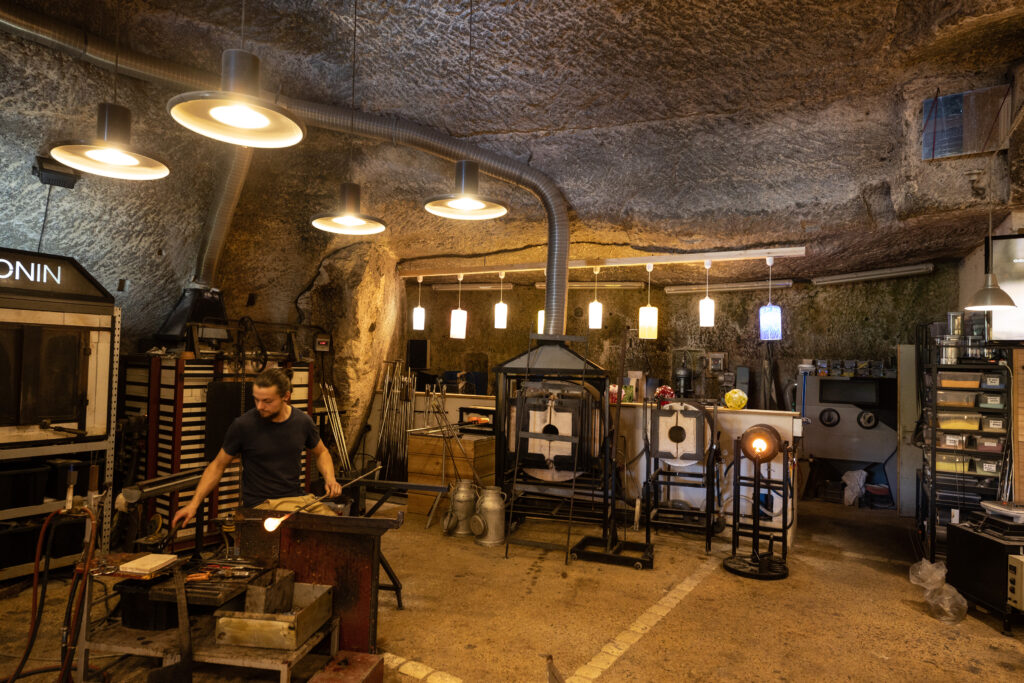
The cave’s natural ambiance enhances the experience, immersing visitors in the ancestral craft of glassmaking. For anyone visiting Brantôme, this is a truly unmissable encounter with living art.
The Historic Troglodyte Dovecote of Haute-Isle
The village of Haute-Isle, perched along the chalk cliffs overlooking the Seine, is famous for its troglodyte dwellings dating back as far as the 8th–9th centuries.
Above the church, the hillside features three tiers of ancient caves once used for various purposes. In the 1930s, archaeologist Dr. Gaudichard purchased the land, converting some caves into exhibition rooms such as The Norman Chief Hall.
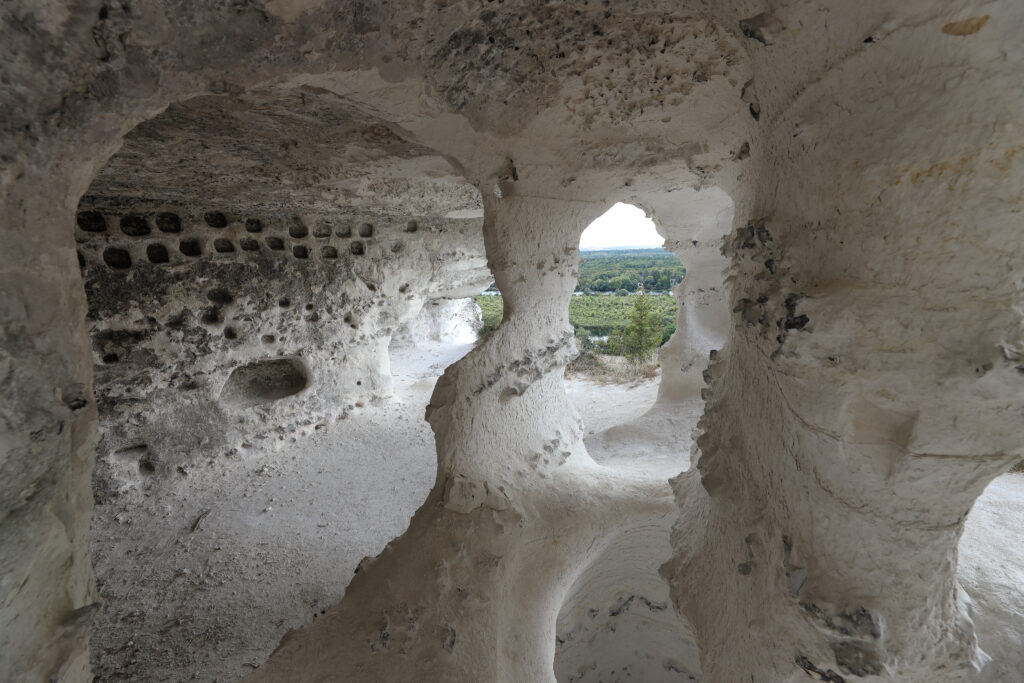
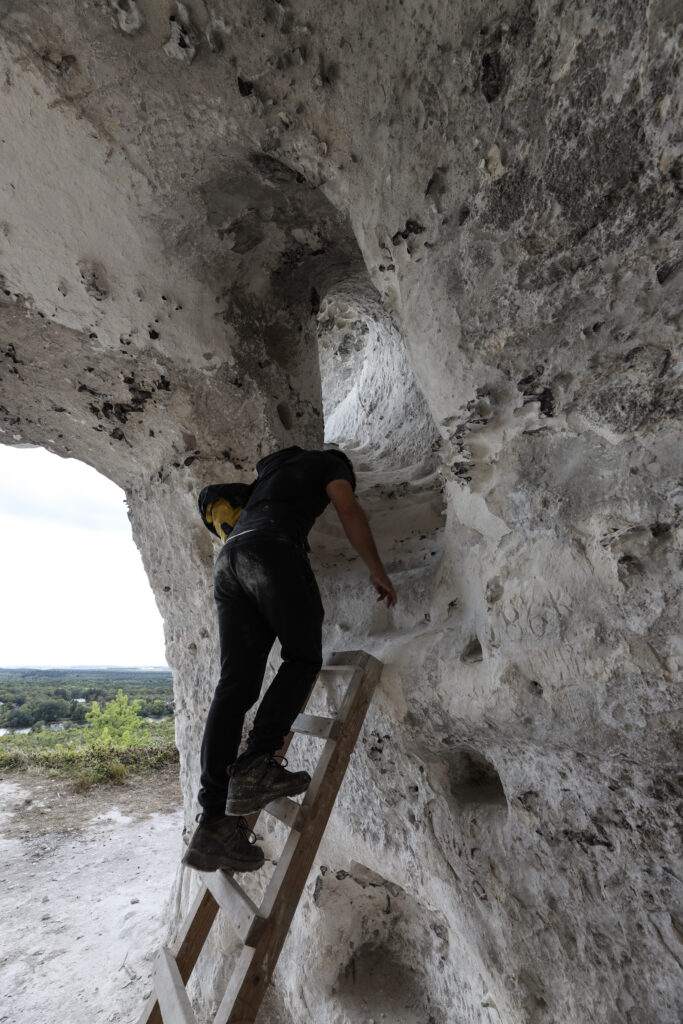
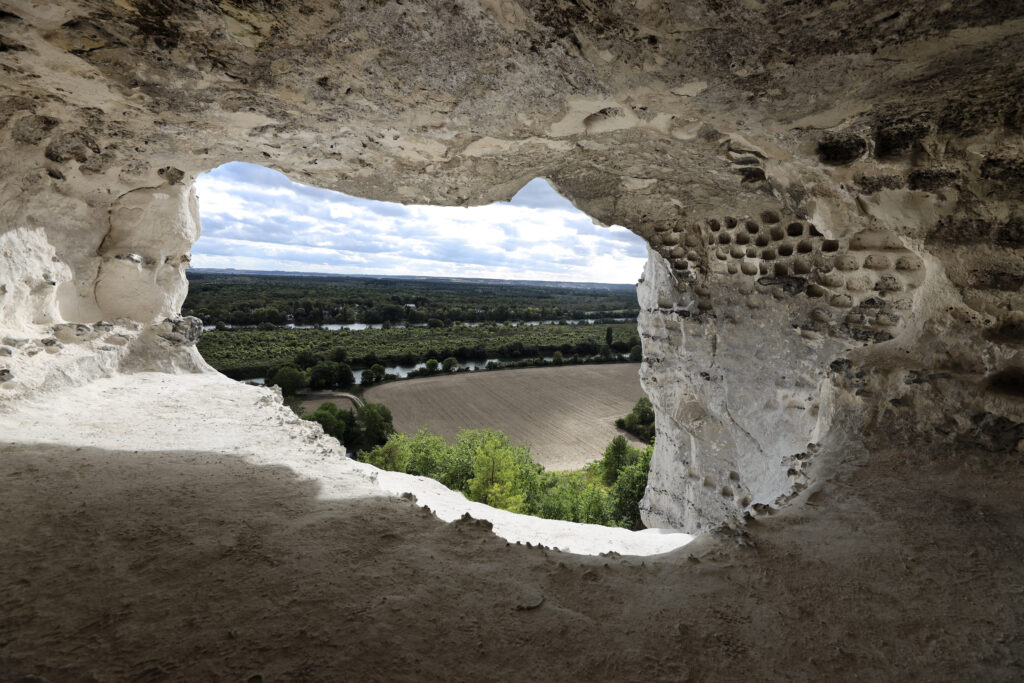
At the top of the cliff stands a historic dovecote, its pigeon niches still visible from the road. Until the 1930s, these lands were cultivated, serving as rest areas for horses and farming equipment, a testament to the multifunctional role of such subterranean spaces.
The Sarcophagus Cave
Located in the Loire region, the Sarcophagus Cave is a significant archaeological site containing a unique collection of Merovingian sarcophagi.
Discovered accidentally in 1927 during quarry work, the cave has since become a major point of interest for historians and archaeologists.
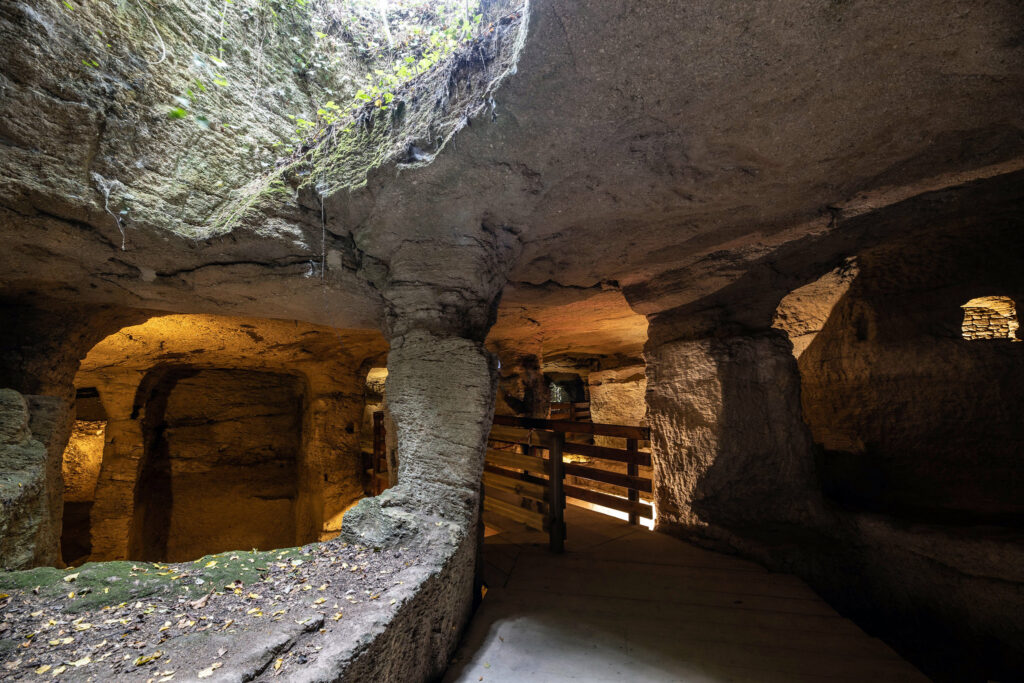
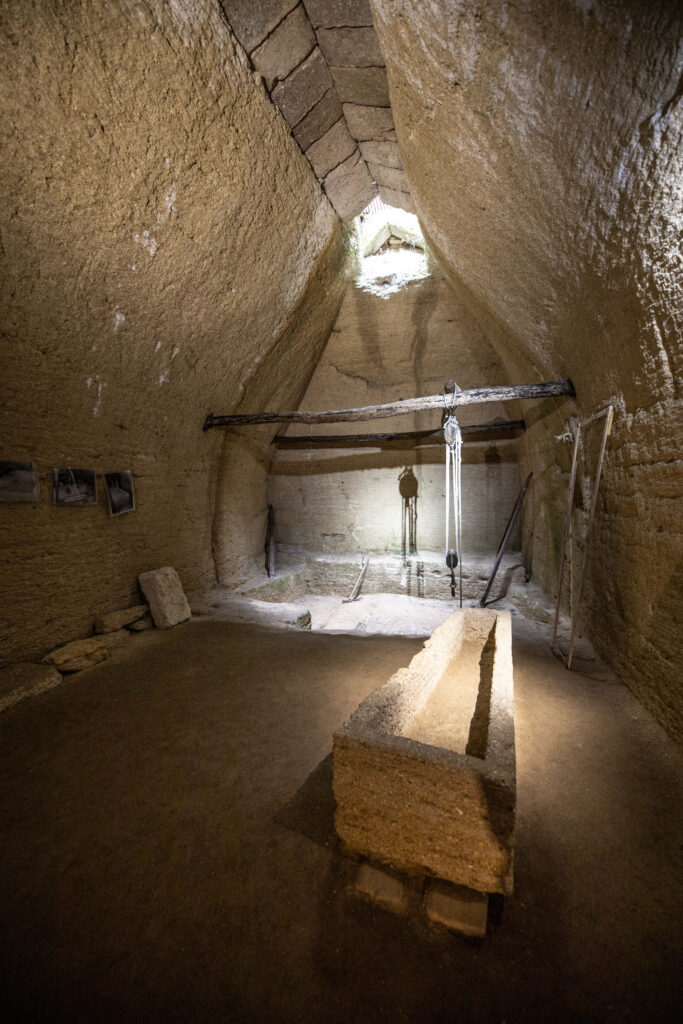
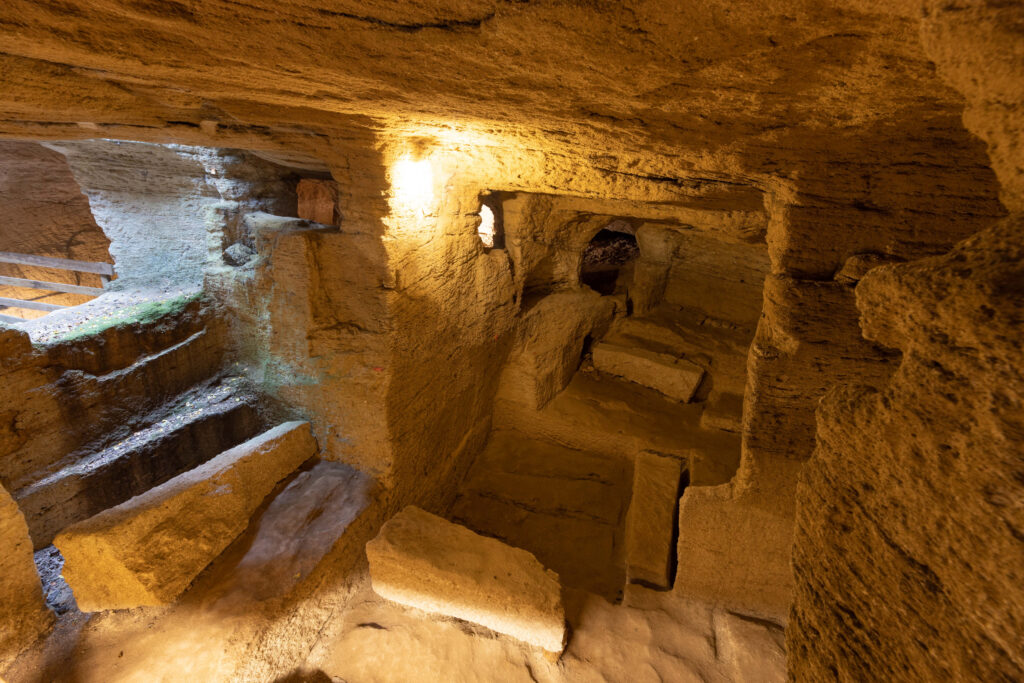
The sarcophagi, dating from the 6th to 8th centuries, remain remarkably well-preserved, offering a rare glimpse into early medieval France.
The Banana Ripening Quarry
Known as the “Banana Quarry,” this underground site was once used to ripen bananas. Exported while still green to prevent spoilage, the fruits were stored in controlled environments like these caves to accelerate natural ripening.
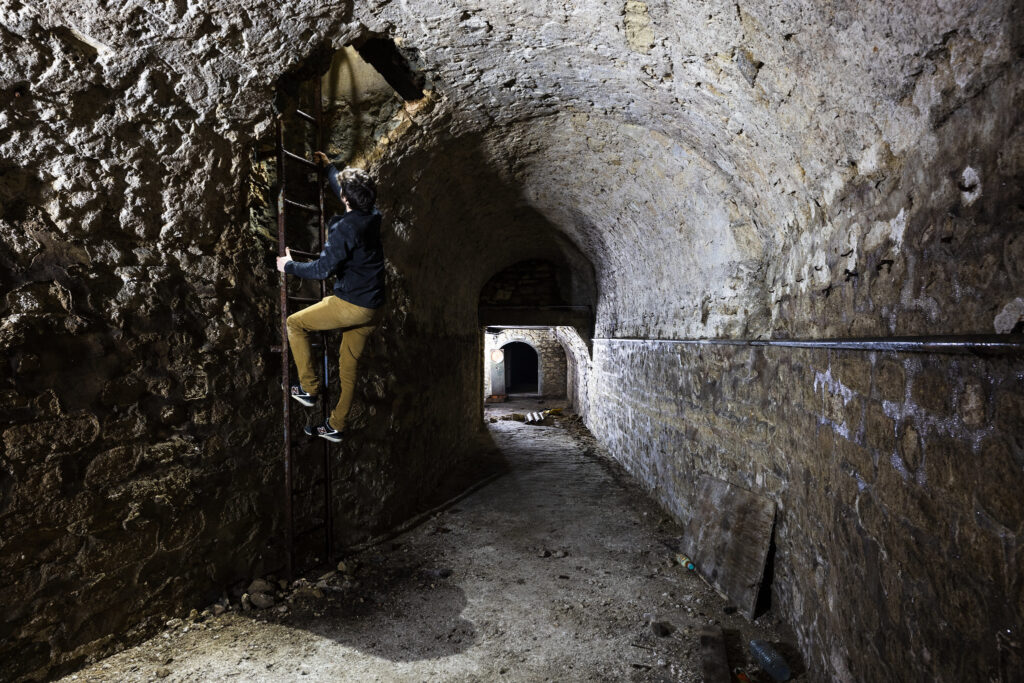
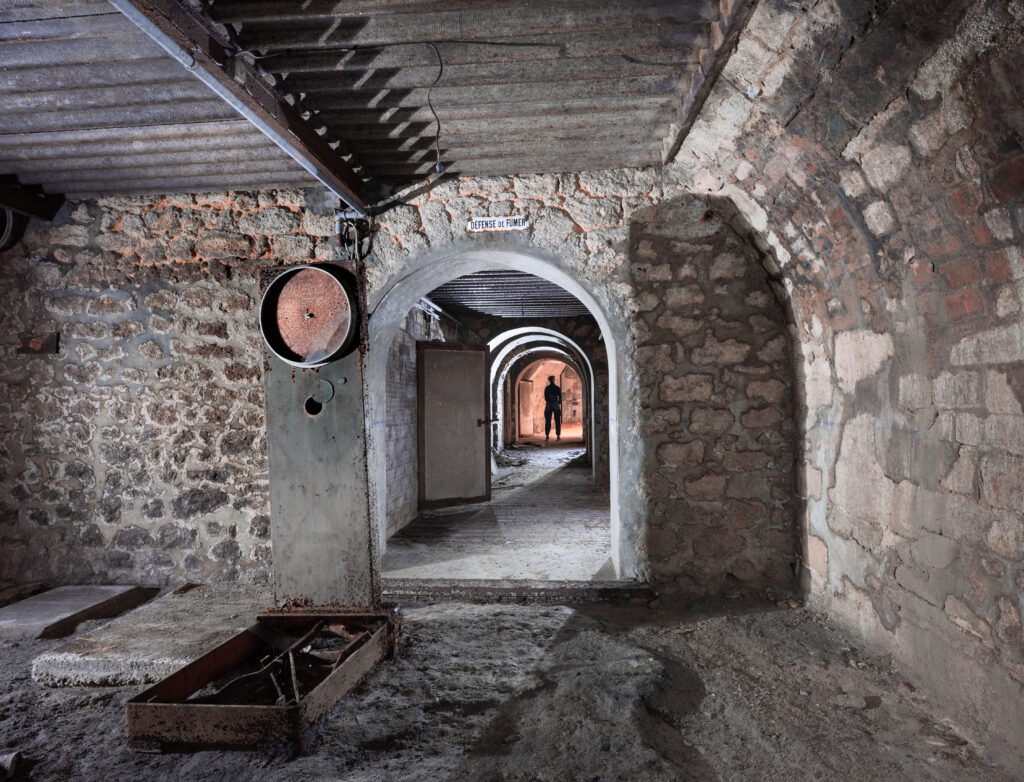
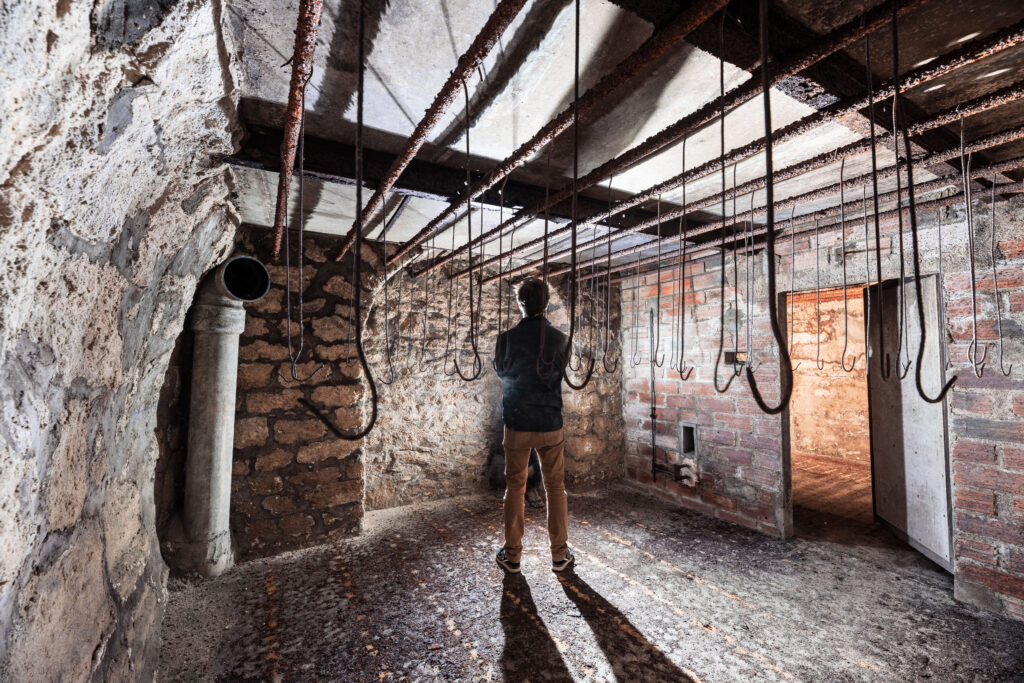
Thanks to its stable temperature and humidity, the quarry provided ideal conditions for this process, a creative adaptation of underground spaces to meet human needs.
The Sculpture Cave
Located 22 km from Saumur, the Sculpture Cave of Dénezé-sous-Doué is a unique piece of Western art history. Set within a larger troglodyte network, the cave’s origins remain mysterious: no documents confirm whether the sculptures date from the 16th, 17th, or 18th century.
Hundreds of figures intertwine in a vast stone “comic strip”: grimacing faces, angelic visages, lavish costumes, and distorted bodies merge in a whimsical, almost surreal ensemble.
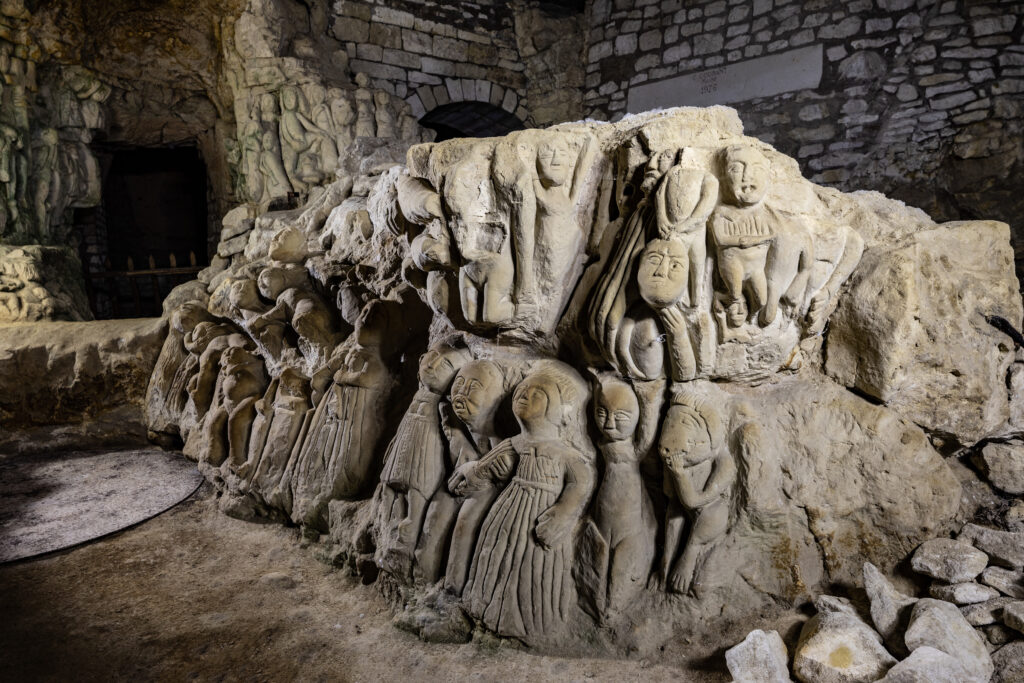
Despite their grandeur, the identity of the sculptors and the motives behind their work remain an enduring mystery.
The Shell Cave – Champagne Legrand-Latour
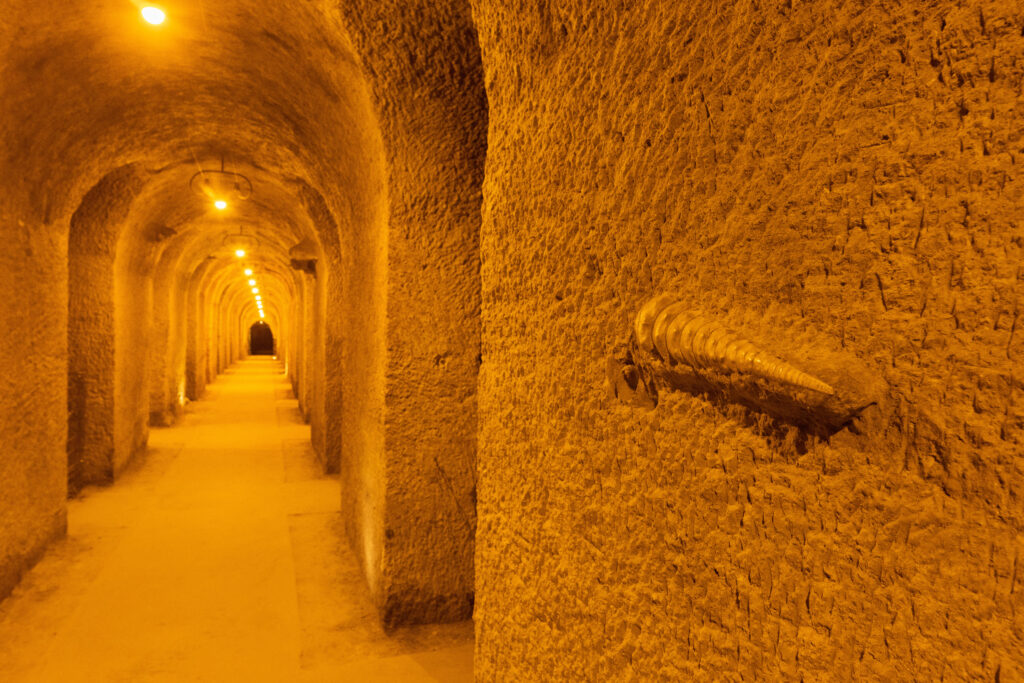
The Legrand-Latour Shell Cave, located in Fleury-la-Rivière (Marne), is a fascinating underground site with walls covered in fossil shells from the Tertiary period, over 45 million years old.
In the 1990s, winemaker and geology enthusiast Patrice Legrand purchased the cave and transformed it into a prehistoric art gallery, showcasing fossil-covered walls alongside Champagne aging cellars.
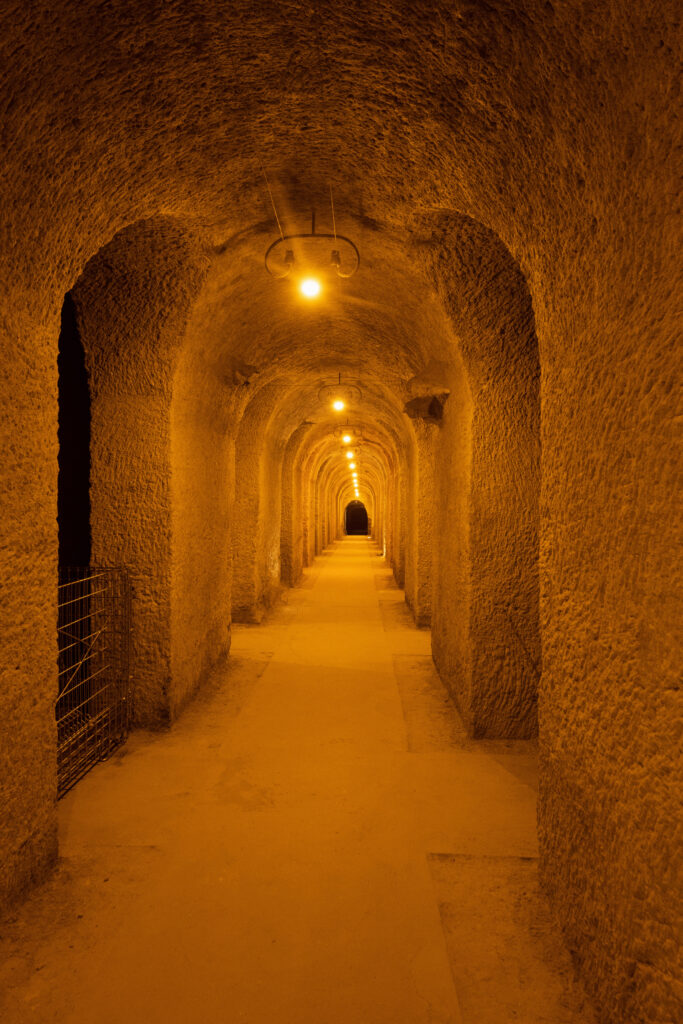

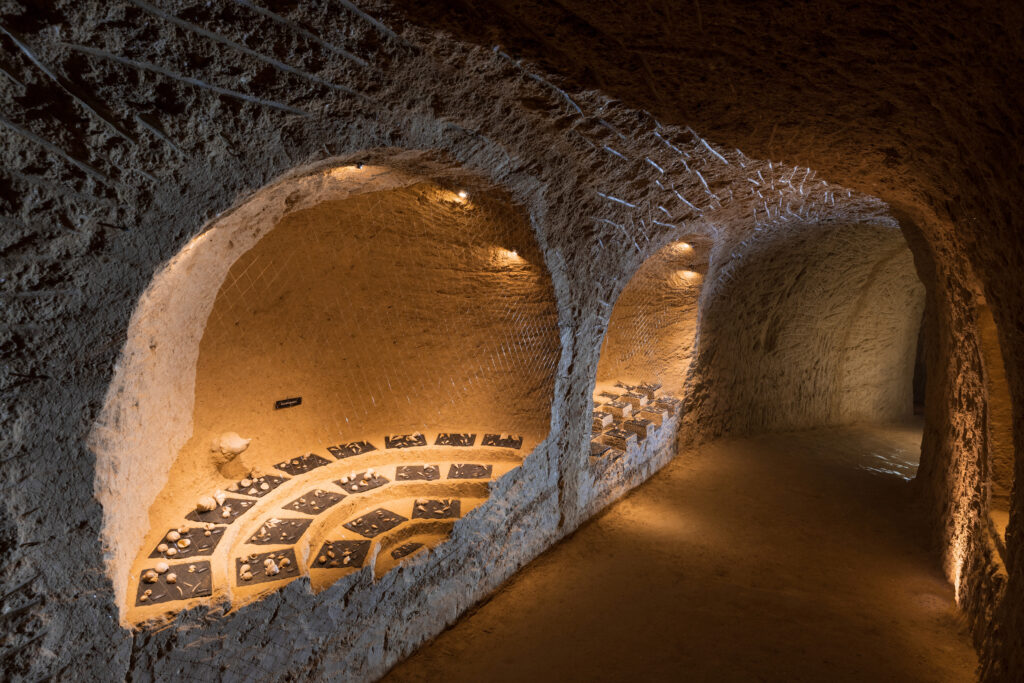
It stands today as a site of exceptional geological and historical interest, uniquely combining natural heritage and human passion.
Rocamadour, the Troglodyte Medieval City
Perched above the Alzou canyon, Rocamadour is a breathtaking medieval village that seems to defy gravity. Built along a steep cliff face, its terraces rise over 120 meters high, with homes and chapels appearing to be carved directly into the rock.
Climbing its 233-step grand staircase rewards visitors with a series of sanctuaries, including the famous Notre-Dame Chapel, a place of deep spiritual significance. Since the 12th century, pilgrims have traveled here to venerate the relics of Saint Amadour.
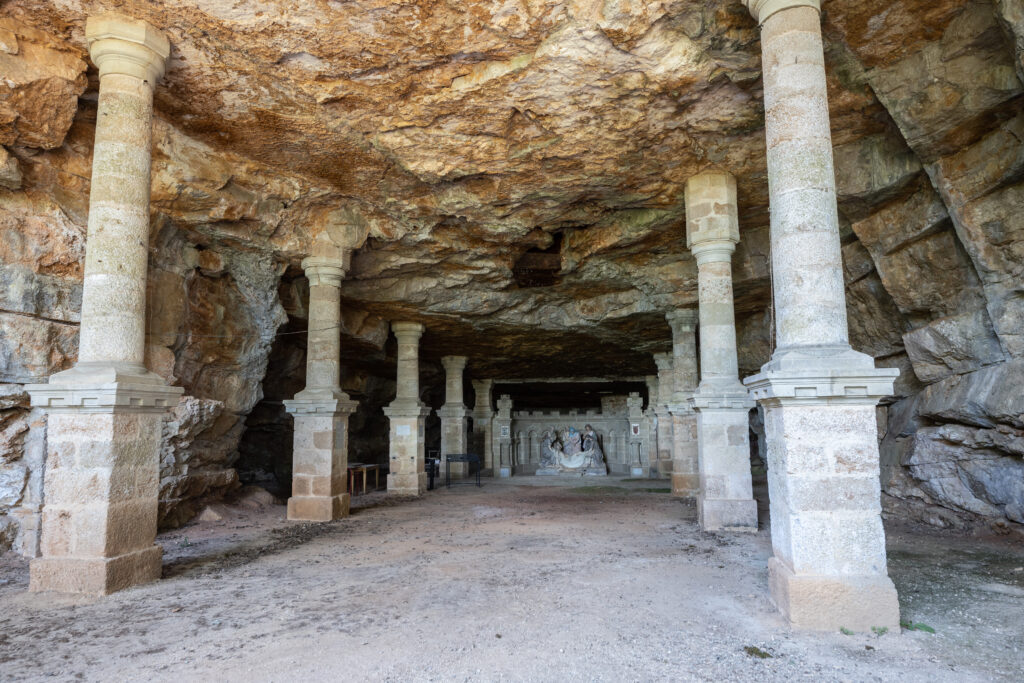
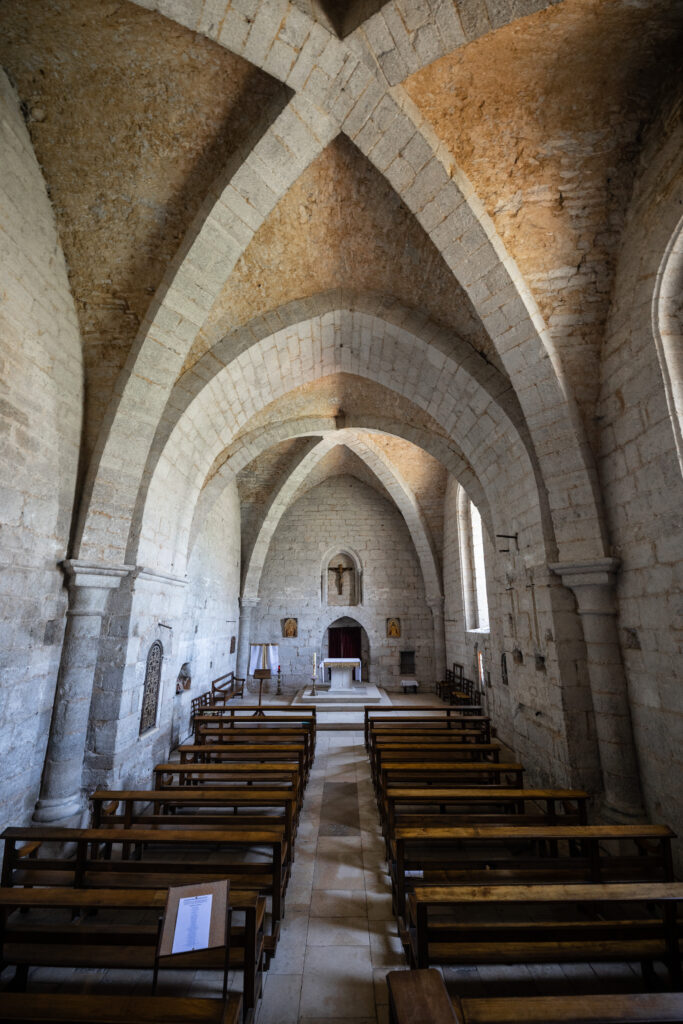
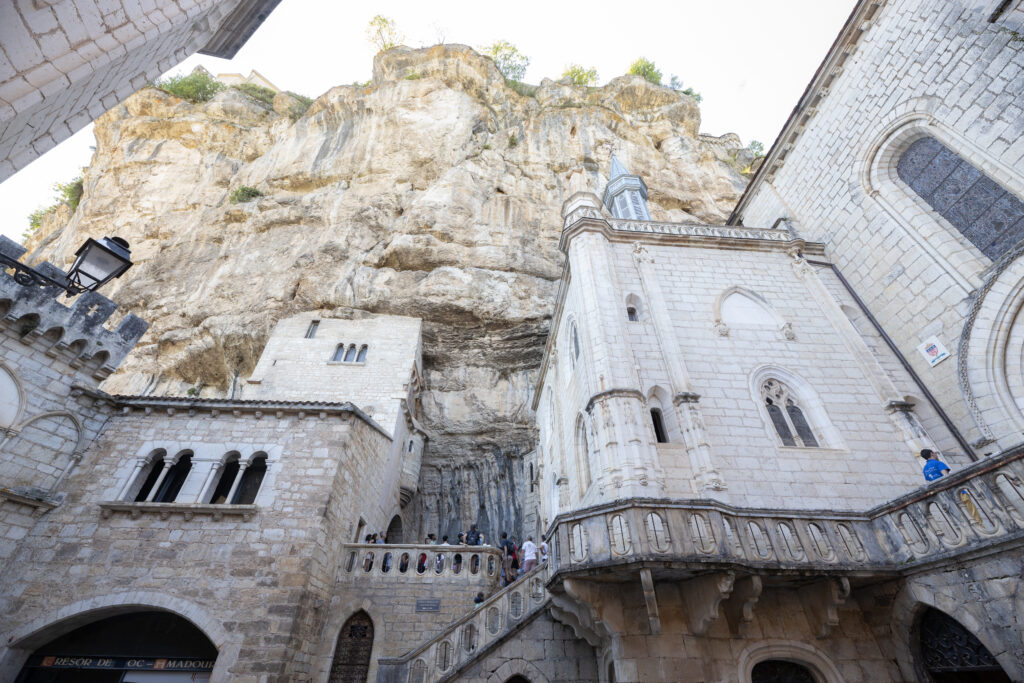
At the summit, the château overlooking Rocamadour offers a stunning panoramic view of this mystical, time-honored site.