Mines and Counter-Mines
Mine galleries: An underground mine is used to attack an enemy position by detonating explosive charges beneath the fortification, while an underground counter-mine is used to intercept and neutralize enemy…


This collection brings together information on mine galleries, focusing on subterranean tactics involving mines and counter-mines. It explains how an underground mine is used to attack an enemy position by detonating explosive charges located directly beneath the fortification. It also presents the role of an underground counter-mine, allowing readers to learn about both subterranean offensive tactics and defensive counter-measures.
Mine galleries: An underground mine is used to attack an enemy position by detonating explosive charges beneath the fortification, while an underground counter-mine is used to intercept and neutralize enemy…
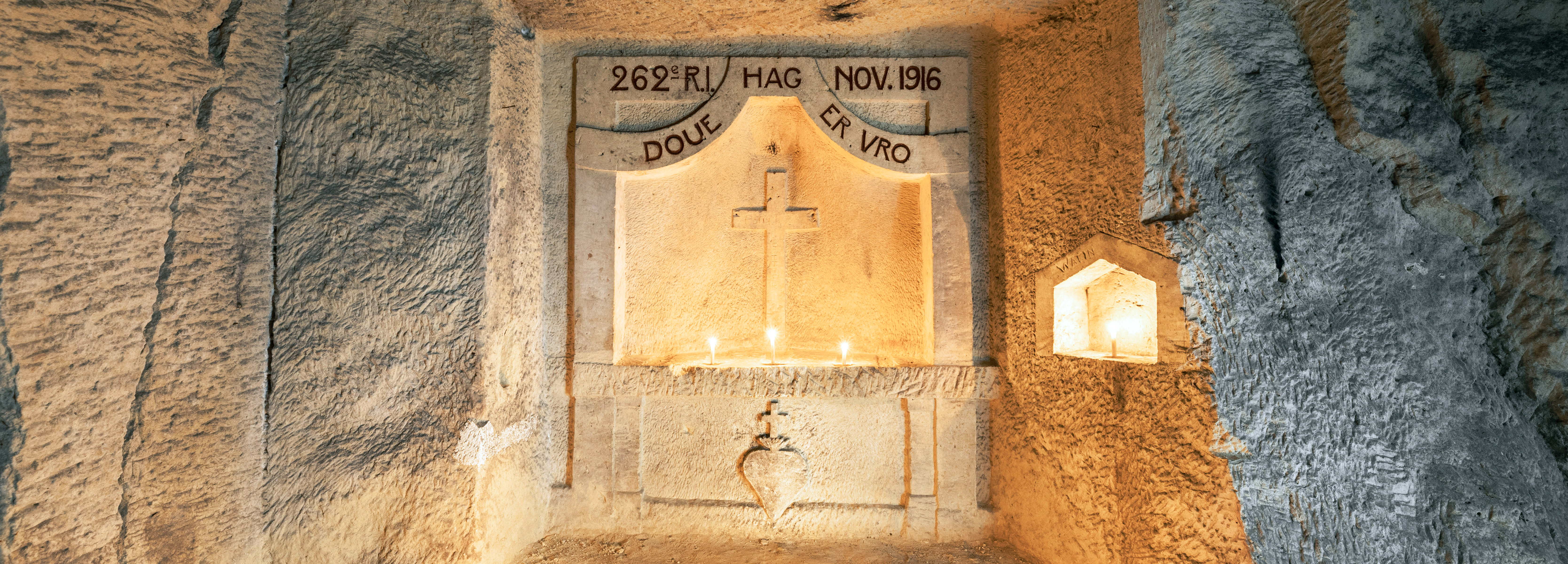
Introduction These chapels were used for daily prayers, but also on a more exceptional basis to celebrate major religious holidays such as Christmas and Easter, or to say mass and…
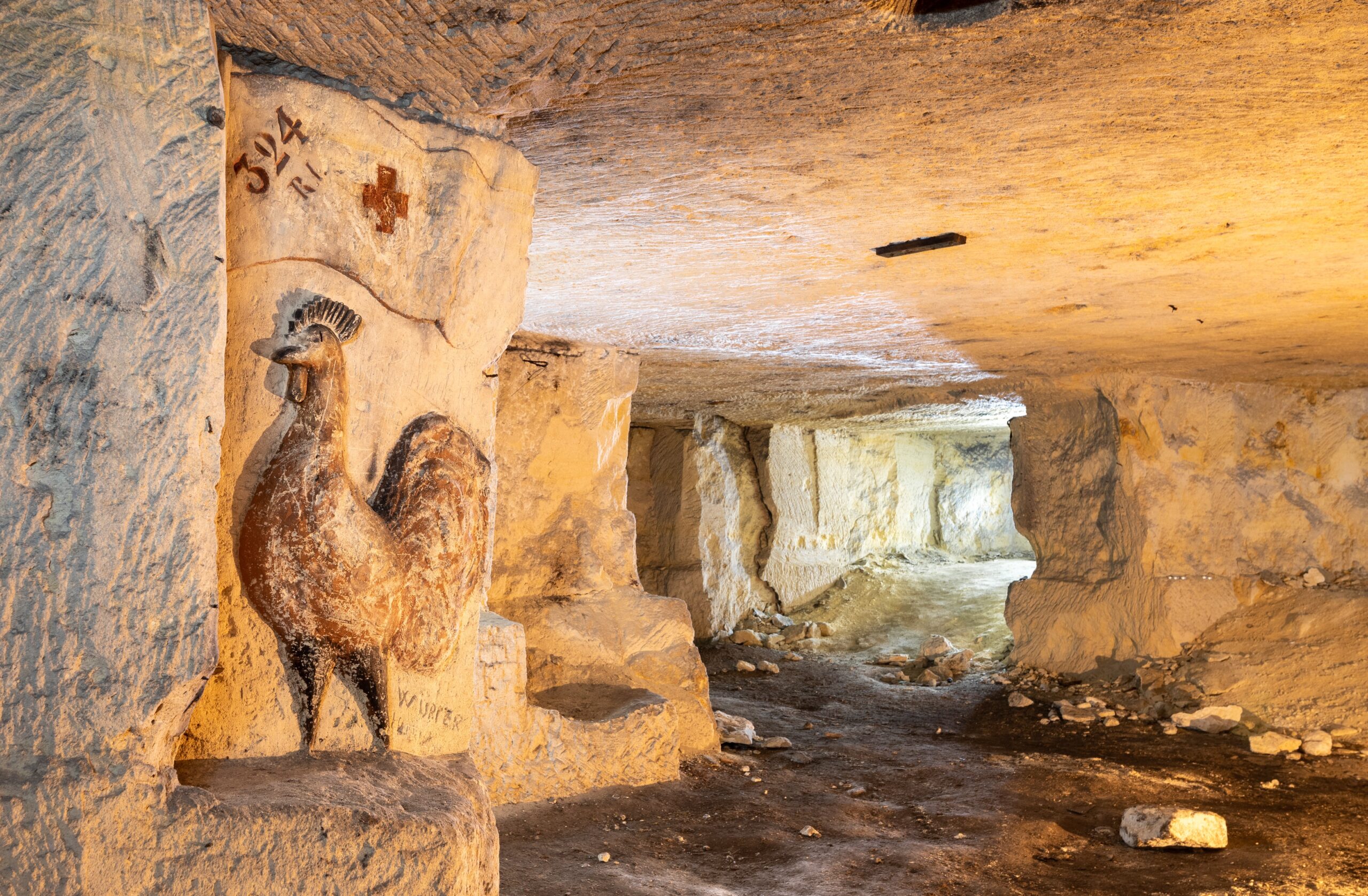
Overview of the creutes In the Picardy region, particularly around the Chemin des Dames near Soissons, the term "Creute" or "Bove" refers to the numerous cavities carved out over centuries…
The term “Poilus” refers to the French soldiers who fought on the various fronts of the First World War, particularly those who lived in the trenches. The name "poilu" refers…
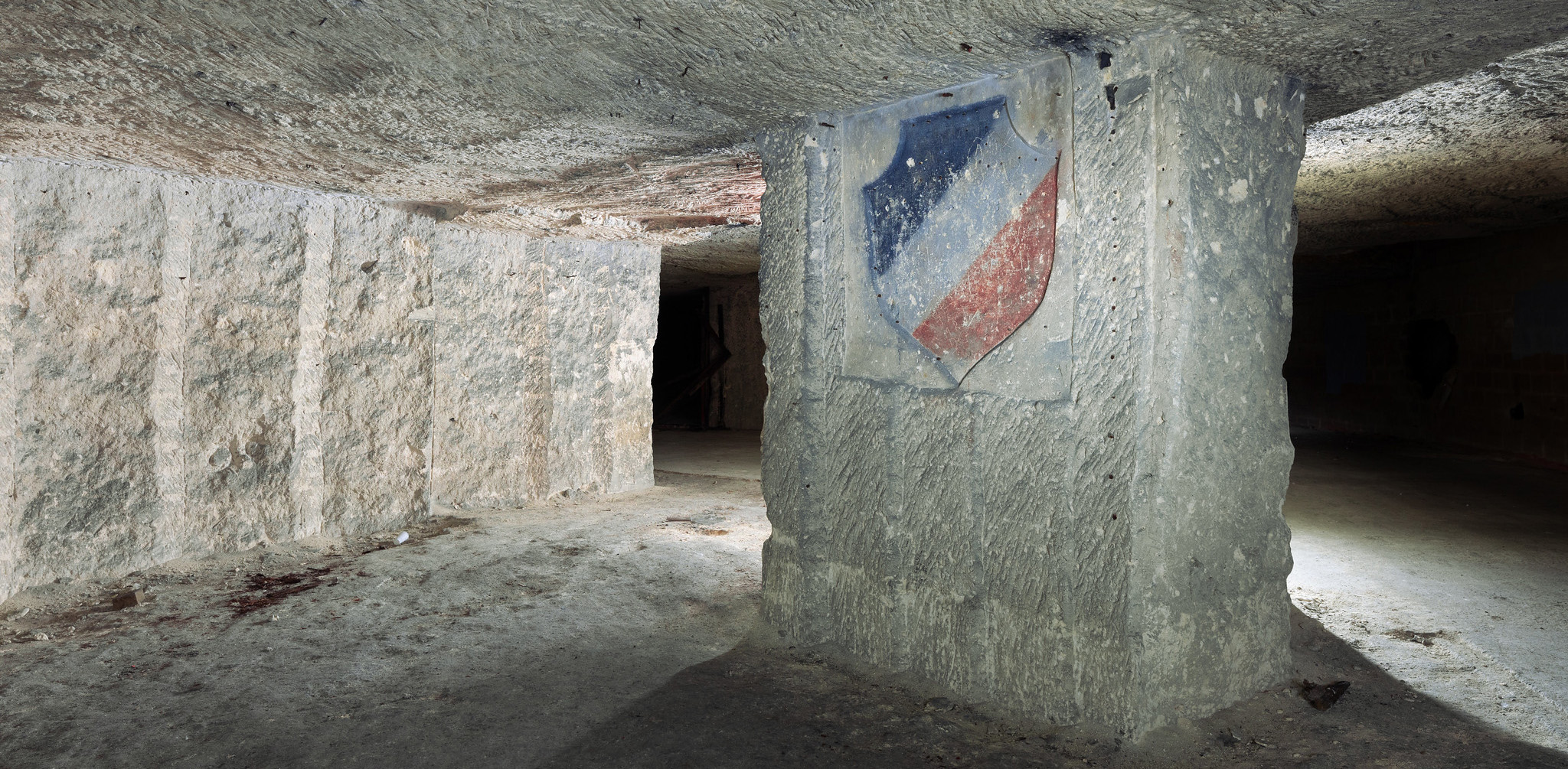
French, German and American soldiers, who were stationed in underground quarries for long periods while waiting to move up to the front, left numerous sculptures, drawings and graffiti on the…
These creutes were of superior quality compared to those of the frontline fighters. They were mostly composed of a command post as well as quarters for rest. Command post Most…