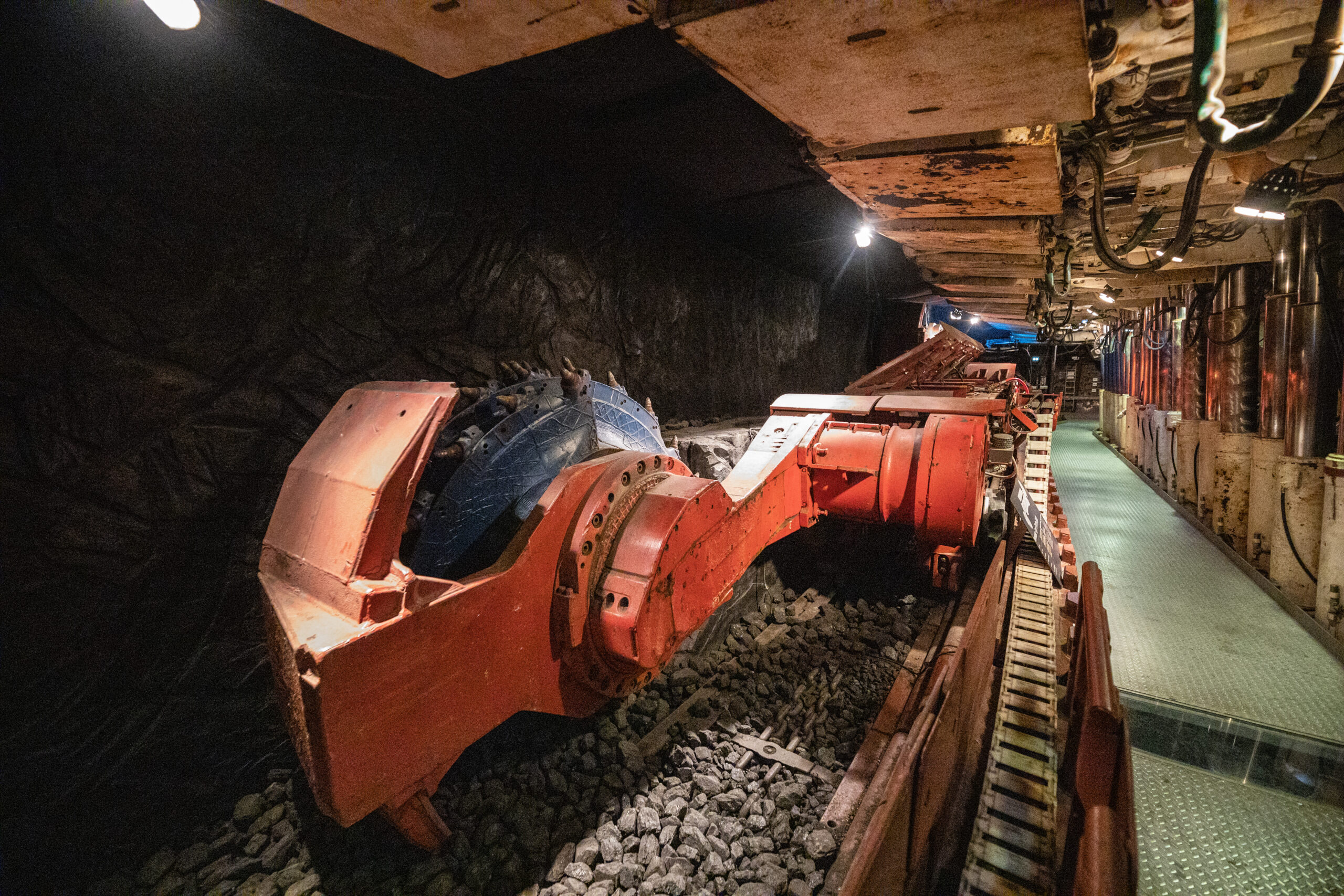
The history of Carreau Wendel: from mining to museum
The origins of the Lorraine coal basin The Saar-Lorraine coal deposit, initially discovered in Saarland, was mined on the French side starting in 1856 in Petite-Rosselle. The concession was held…


This section gathers former extraction sites converted into museums, including coal basins such as Carreau Wendel, Bochum, Blanzy, Blegny, Le Bois du Cazier, Puits Couriot in Saint-Etienne, and the Guido mine in Zabrze. It also includes the Blue Mine slate site in Anjou, the medieval Wieliczka salt mine, and the Rammelsberg mine engineering complex in Germany. These documents outline the history of underground industrial activity, explaining how sites developed from medieval origins or 19th-century expansions until their closure and transformation into preserved heritage landmarks.
The origins of the Lorraine coal basin The Saar-Lorraine coal deposit, initially discovered in Saarland, was mined on the French side starting in 1856 in Petite-Rosselle. The concession was held…
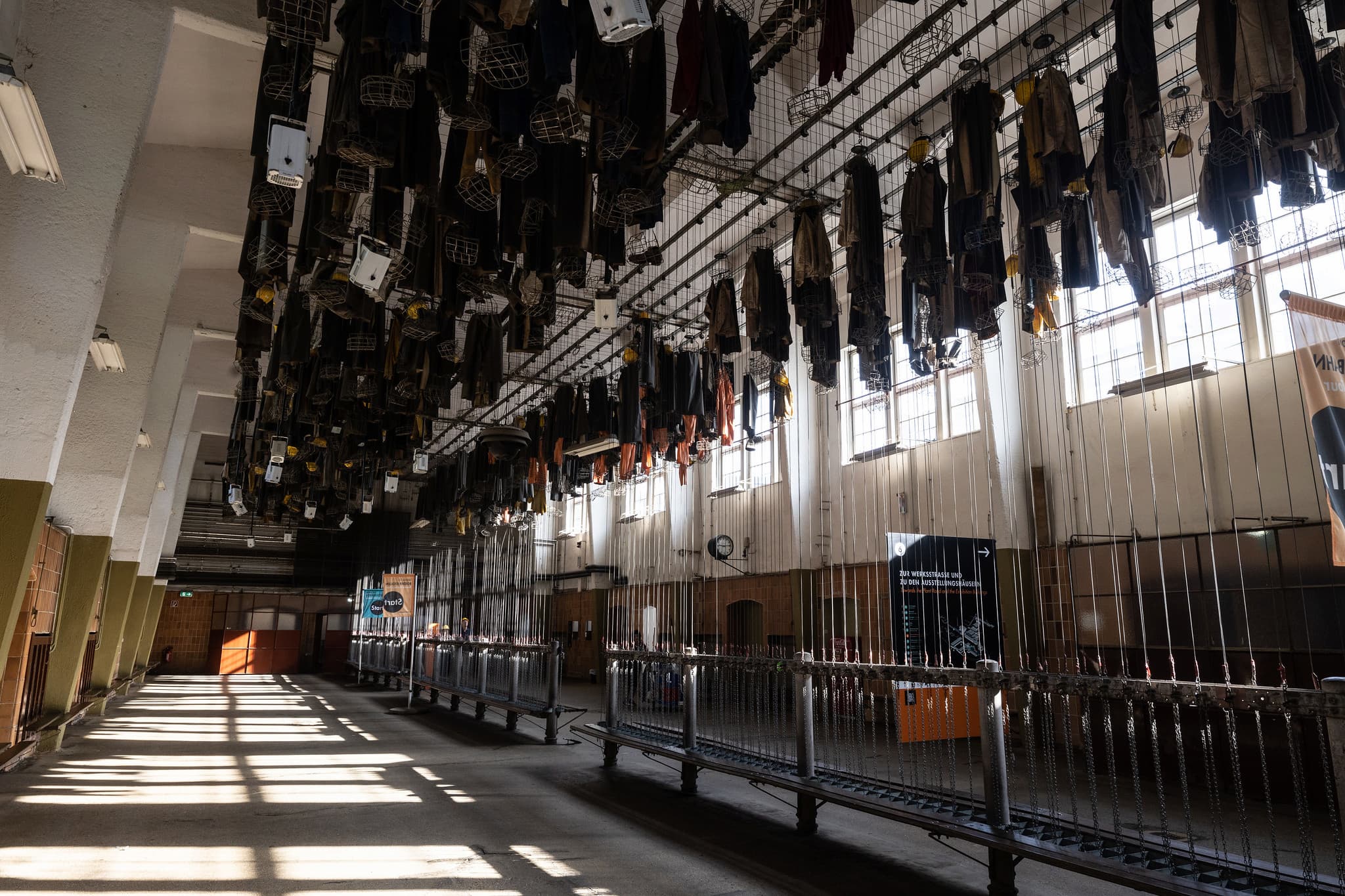
The Rammelsberg Mines: a jewel of mining engineering An exceptional deposit in the heart of Germany The Rammelsberg Mines once represented the largest interconnected deposits of copper, lead, and zinc…
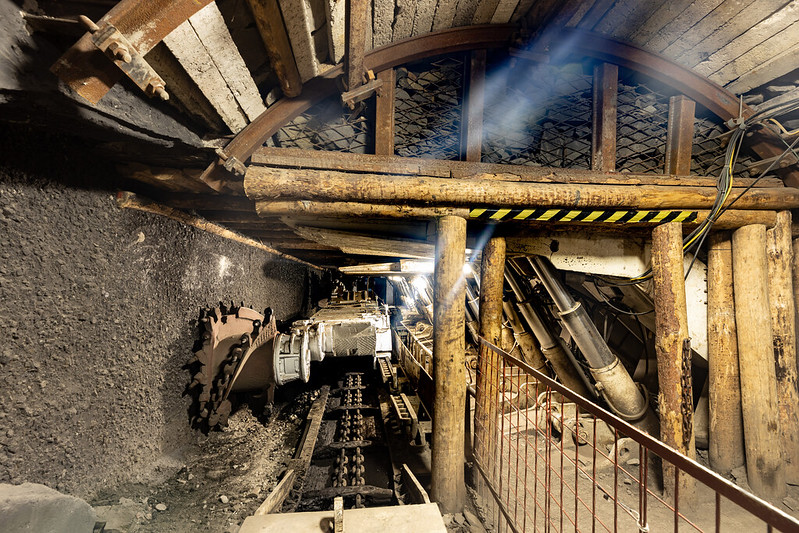
The Guido Mine: A Journey into the Mining History of Zabrze Promising Beginnings (1855-1860) The Guido mine, founded by Count Guido Henckel von Donnersmarck on October 2, 1855, covered 1.03…
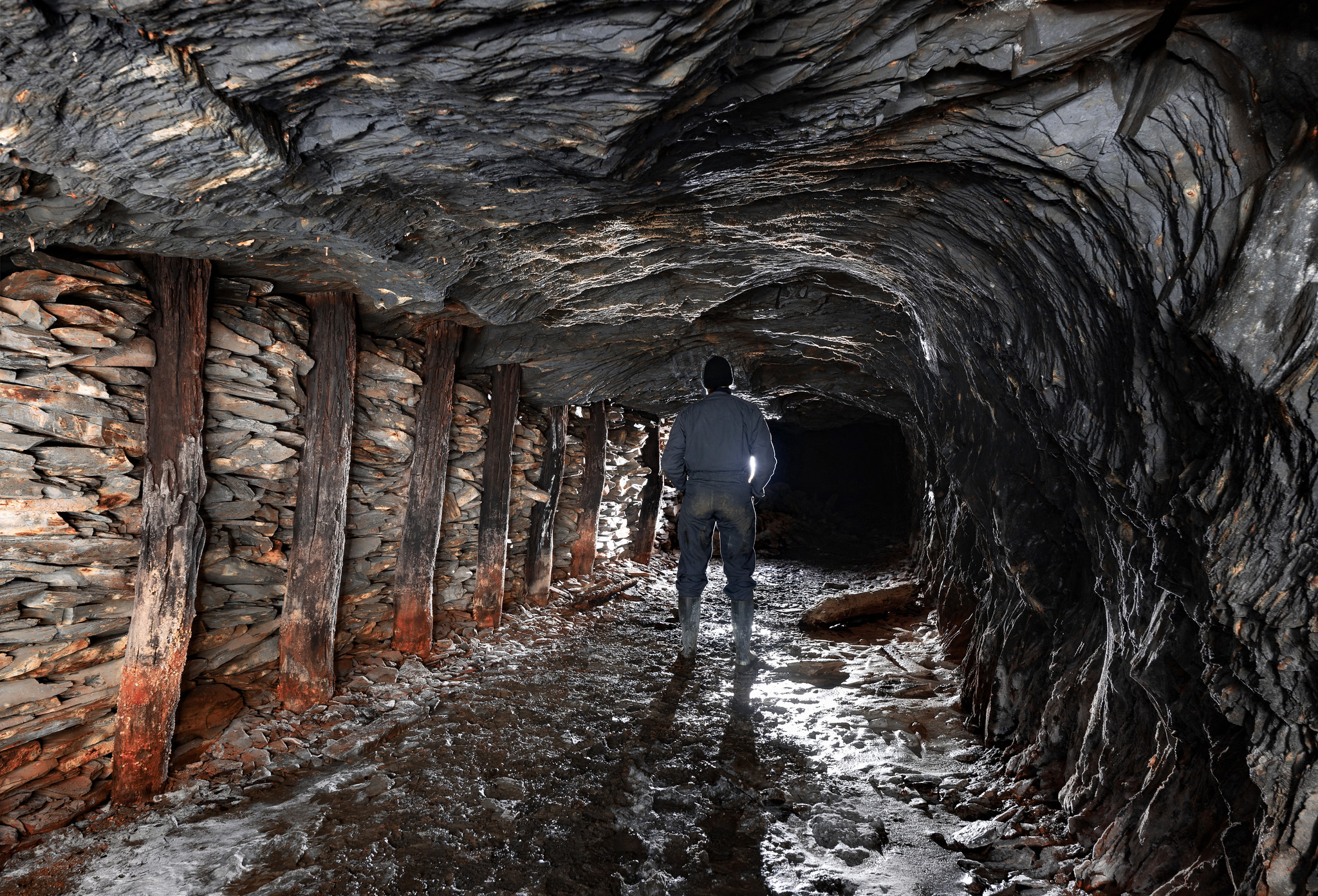
The Peak of the Slate Industry in Anjou The history of the Blue Mine is part of the golden age of slate mining in France and particularly in Anjou. In…
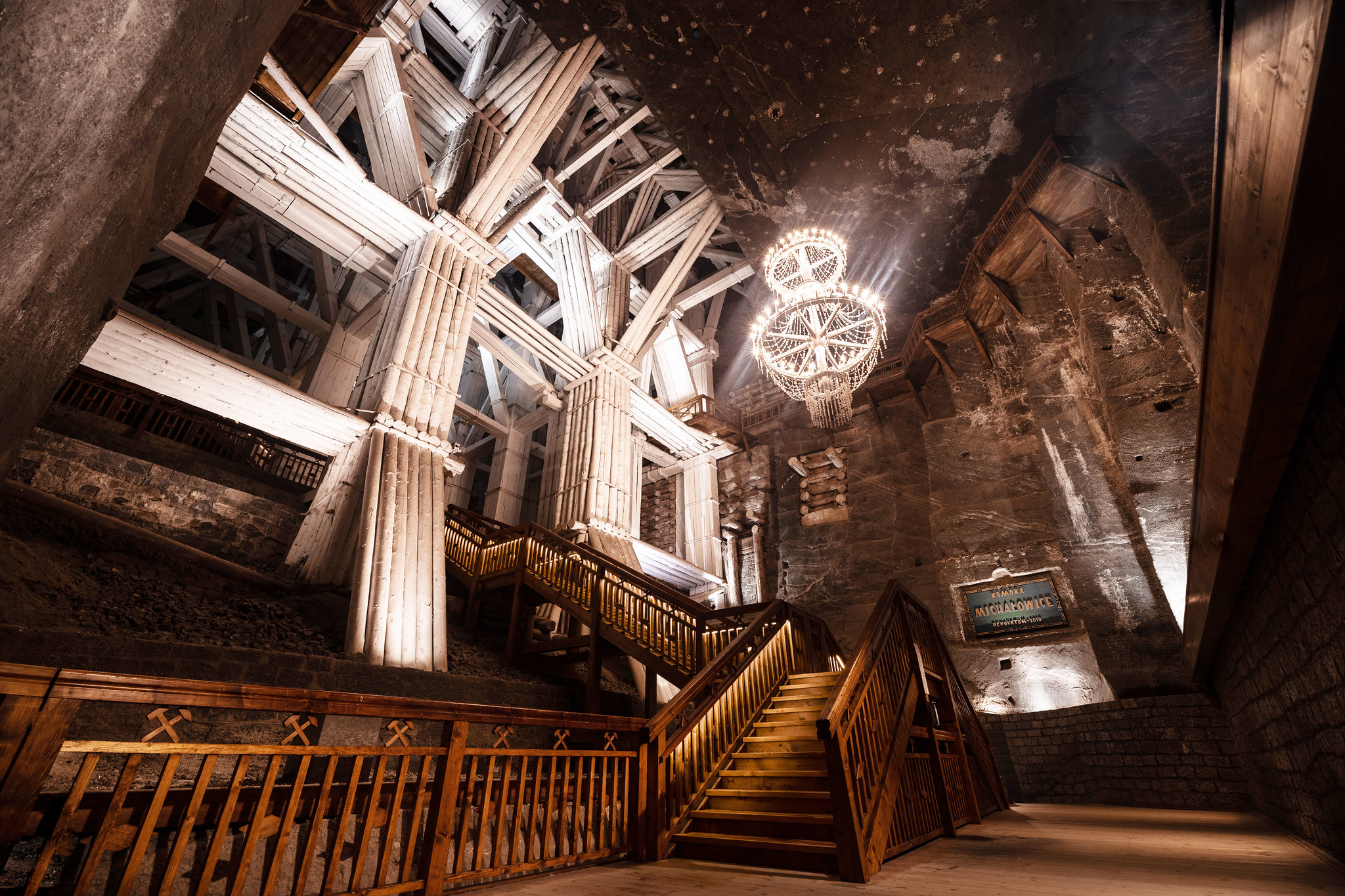
The millennial history of the Wieliczka Salt Mine The medieval origins of Wieliczka The history of Wieliczka dates back to the Middle Ages and is closely linked to the oldest…
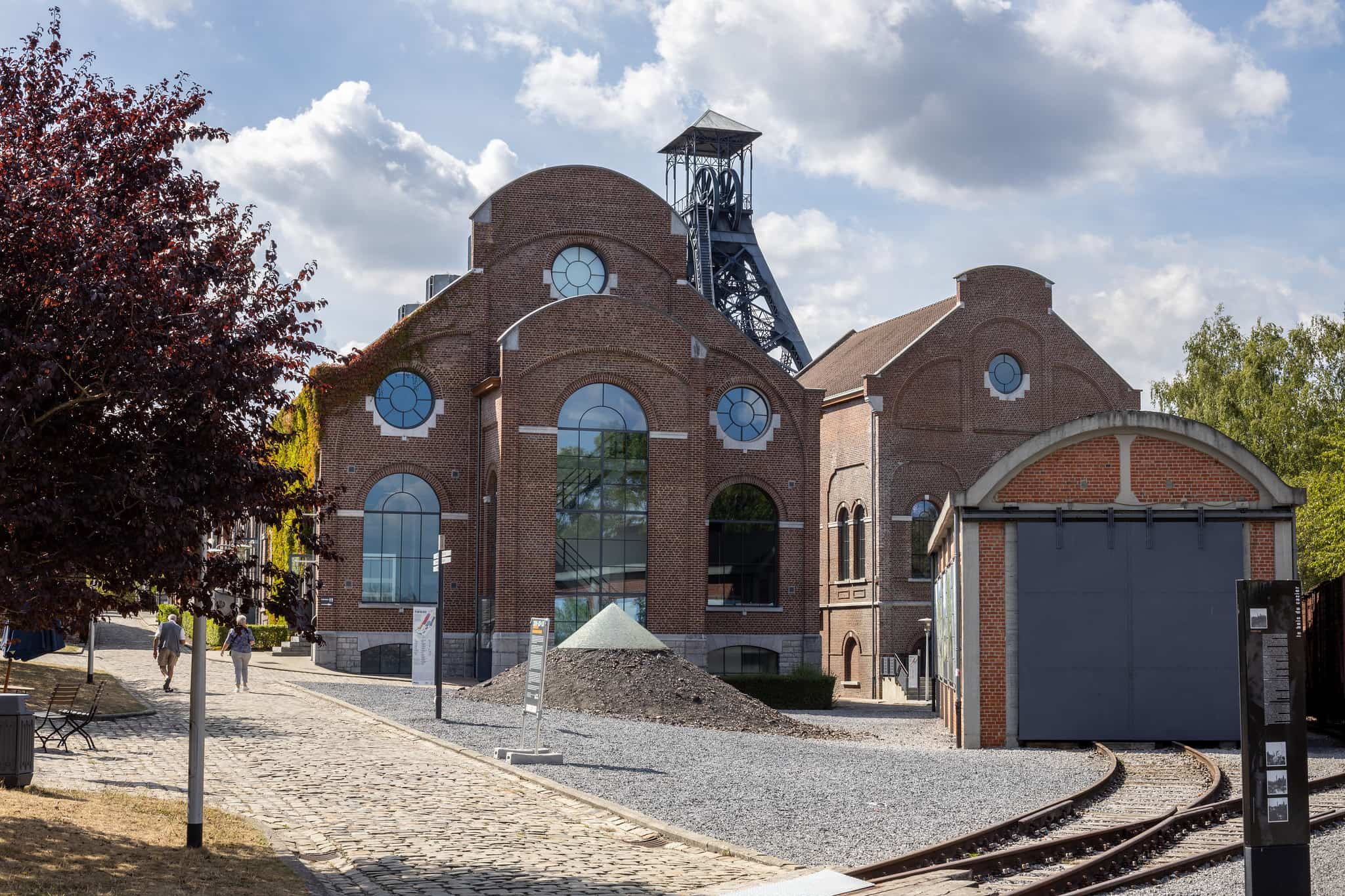
Le Bois du Cazier: From the birth of a coal mine to a heritage site The origins of Le Bois du Cazier The history of the Bois du Cazier coal mine begins on…
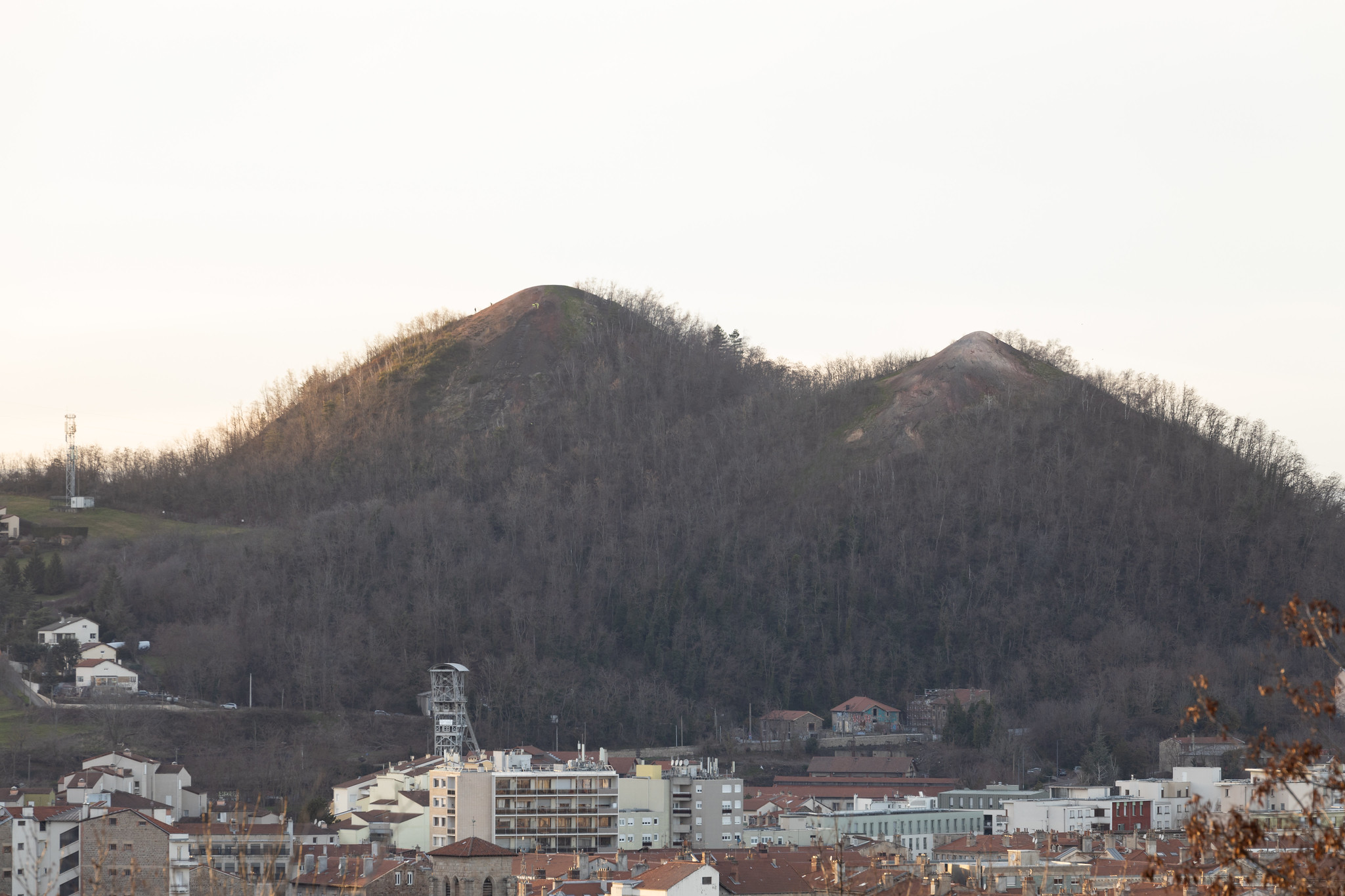
The Puits Couriot: A dive into the mining history of Saint-Étienne Introduction: A museum at the heart of industrial history In the heart of Saint-Étienne, the Puits Couriot (Mining Museum)…
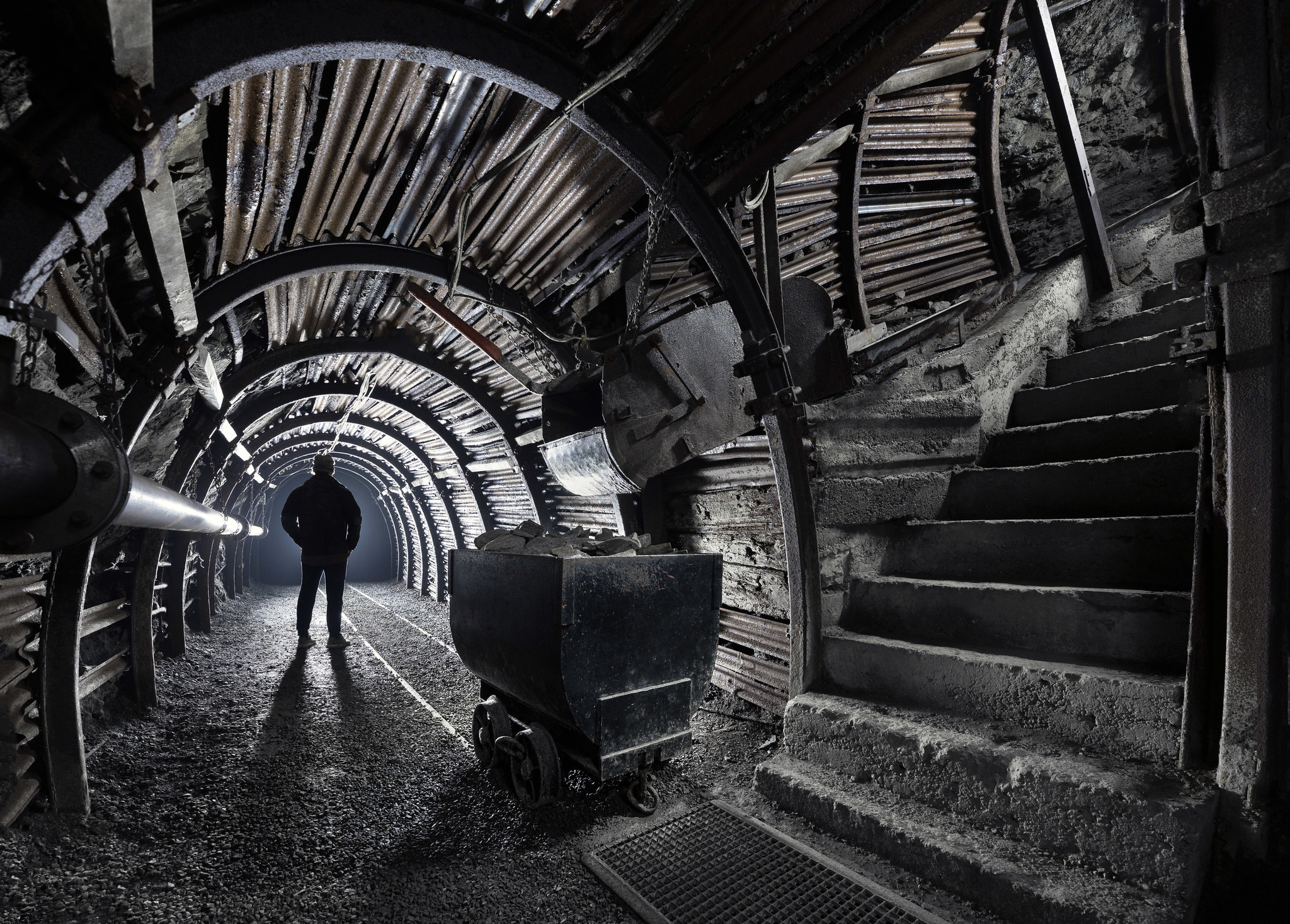
The last coal mine in the Liège basin closed its doors, ending its commercial and industrial activities in 1980. It has since been transformed into a tourist and cultural site.…
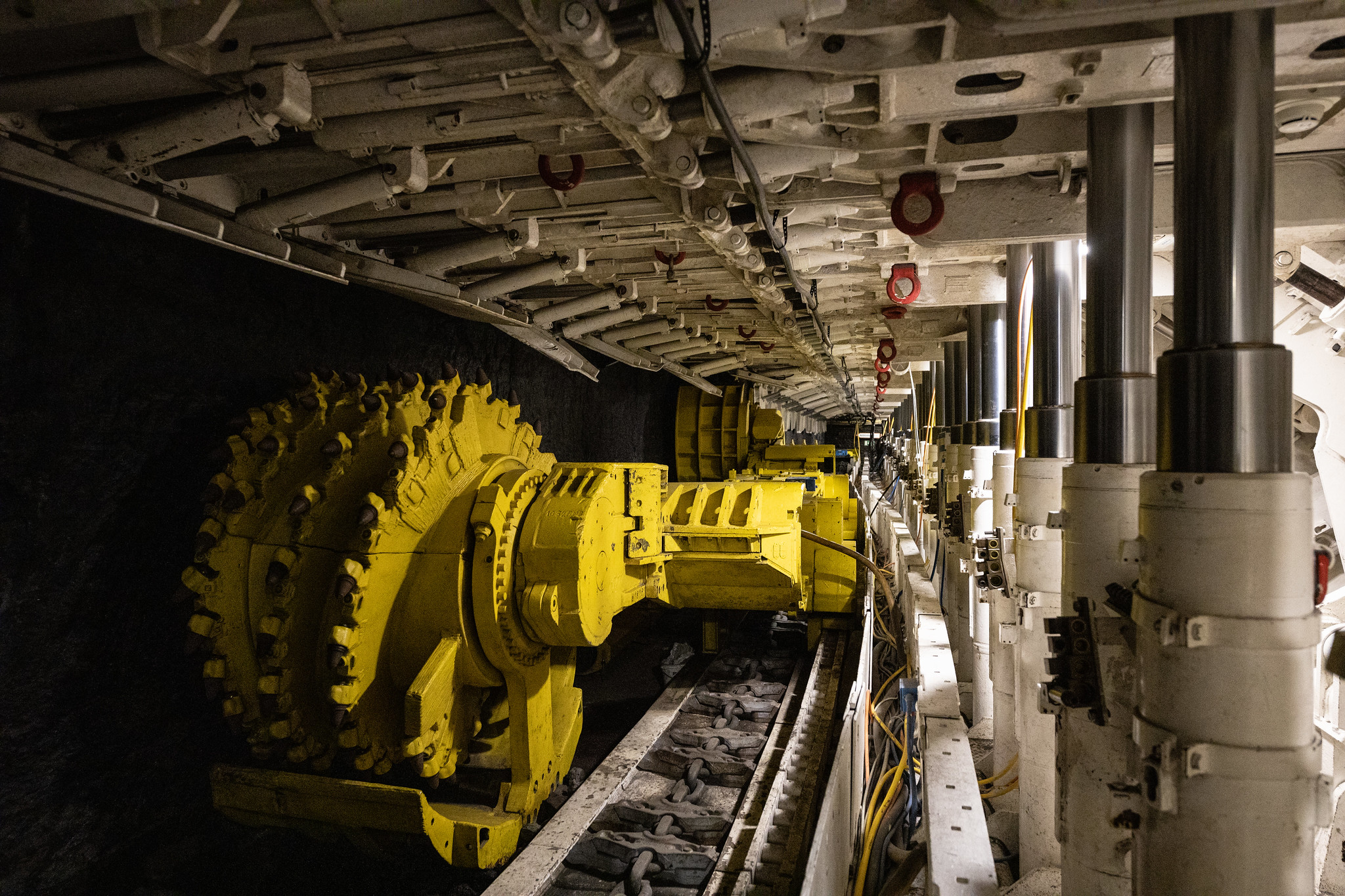
The history of coal in Bochum, Germany, is a saga closely linked to the industrialization and mining boom of the Ruhr region throughout the ages. Coal was discovered in this…
Coal mining is very ancient and dates back to the Middle Ages, but experienced significant development at the end of the 18th century and especially during the Industrial Revolution in…