Coal mining is very ancient and dates back to the Middle Ages, but experienced significant development at the end of the 18th century and especially during the Industrial Revolution in the second half of the 19th century.
Coal is a solid fuel originating from the fossilization of plants, occurring in deposits as seams. These plant organisms gradually decomposed since the Carboniferous period.
It is worth noting that, despite its coal wealth, France was never self-sufficient in coal, and even at the peak of production in the 1960s, it always imported foreign coal.
At Blanzy, the concession was granted on January 5, 1771, by a royal letter. In total, 151 wells and 29 staple shafts were dug for the Blanzy-Monceau basins.
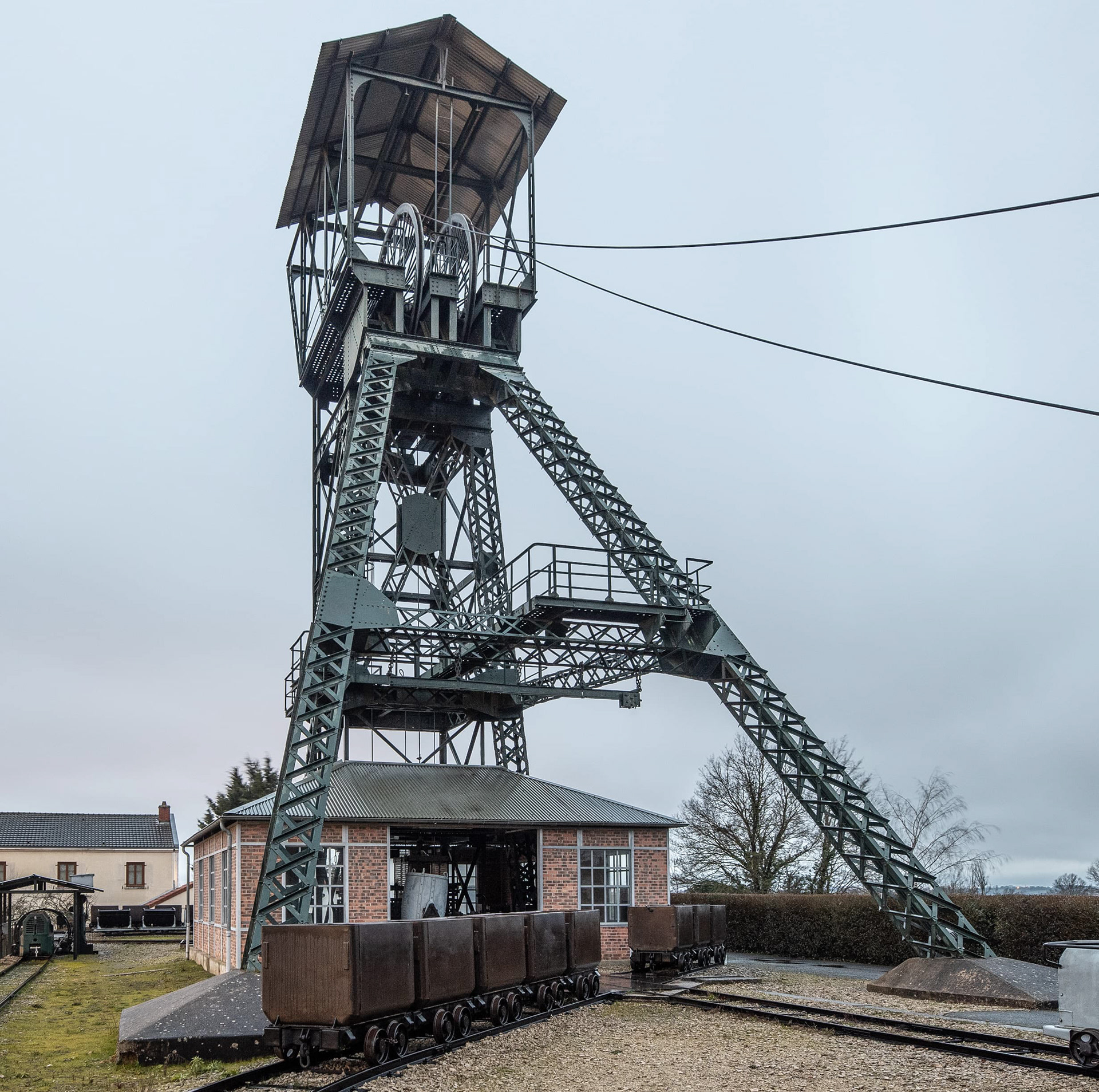
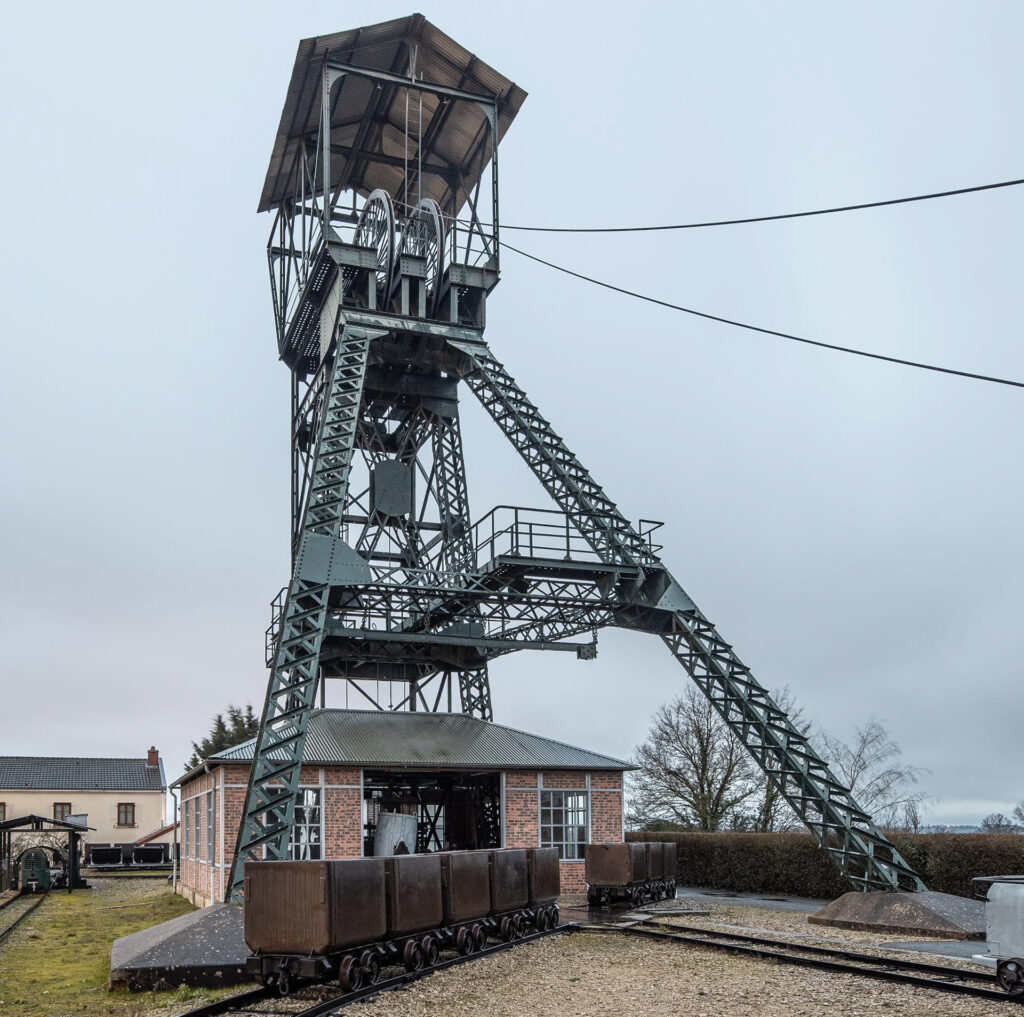
In the region, the only remaining headframe belongs to the volunteer association “La Mine et les Hommes”.
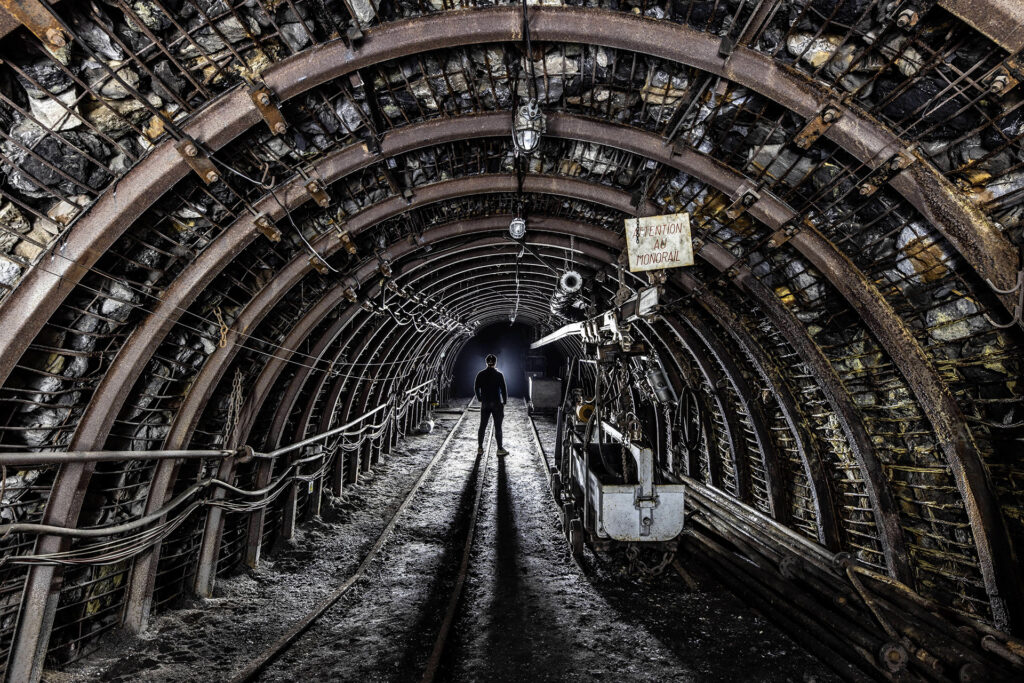
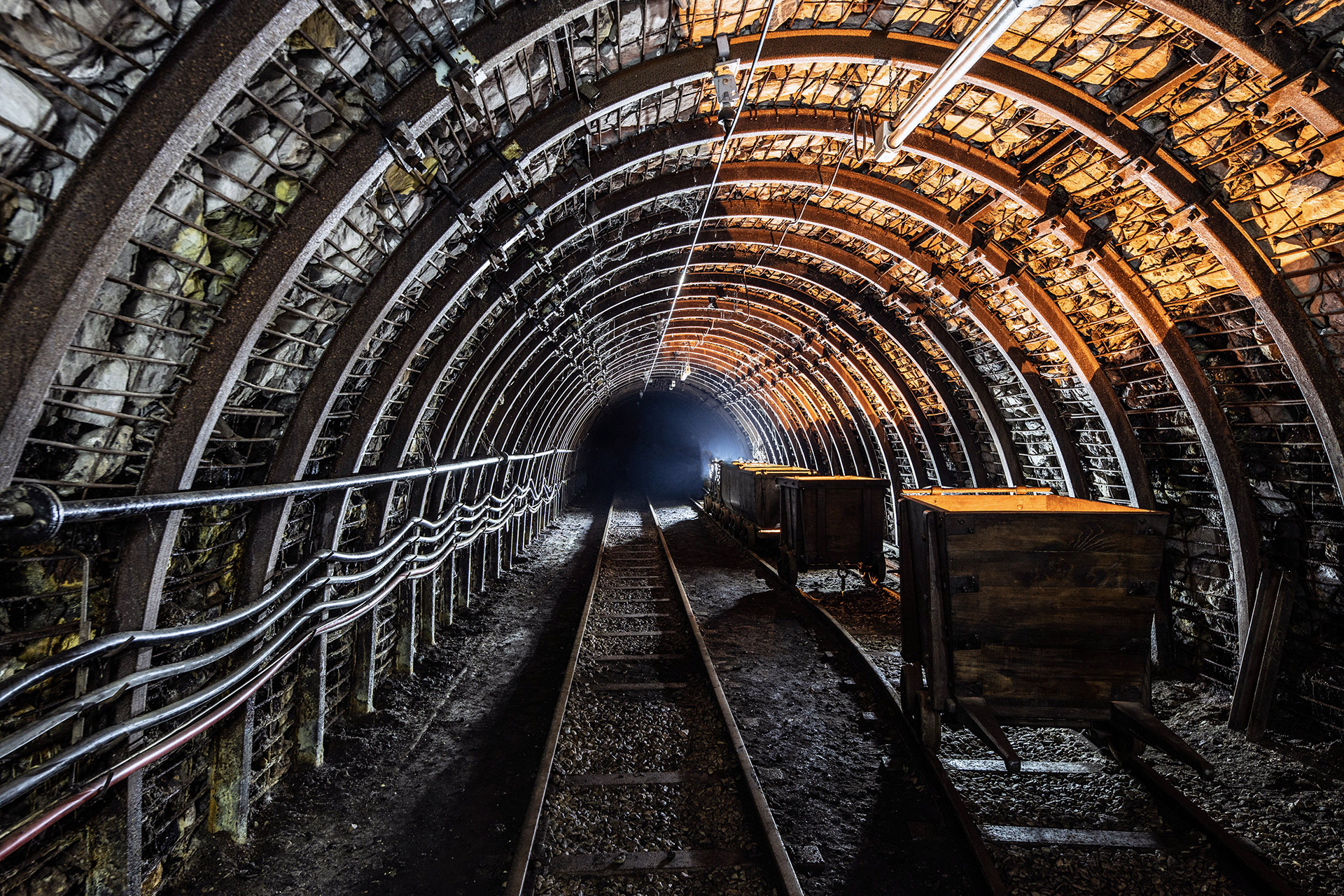
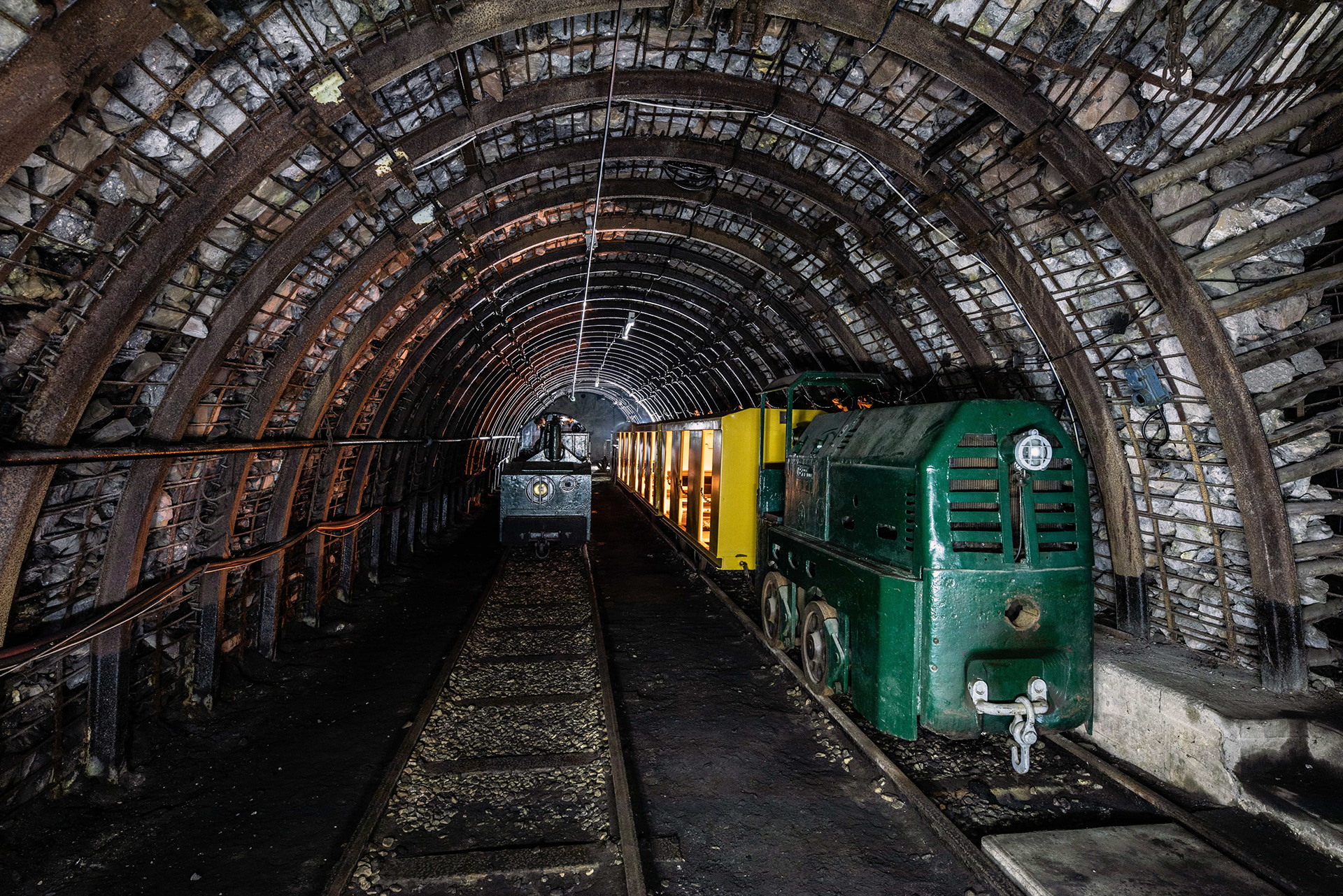
Through an immense restoration effort, they reconstituted the world and living conditions of the miners. Visitors discover the lamp room, where miners picked up their lamps; the miners’ locker room (“salle des pendus”) and the pithead building surrounding the headframe, before heading underground into a reconstructed mine.
The mine and its hazards :
In mines, there are two main causes of mortality: firedamp and collapses.
Firedamp is a natural gas released from coal seams during excavation. It is greatly feared by miners because it causes firedamp explosions, which are very often fatal and result in numerous casualties.
In France, the largest firedamp explosion claimed the lives of 1,099 miners at Courrières (France) in 1906.
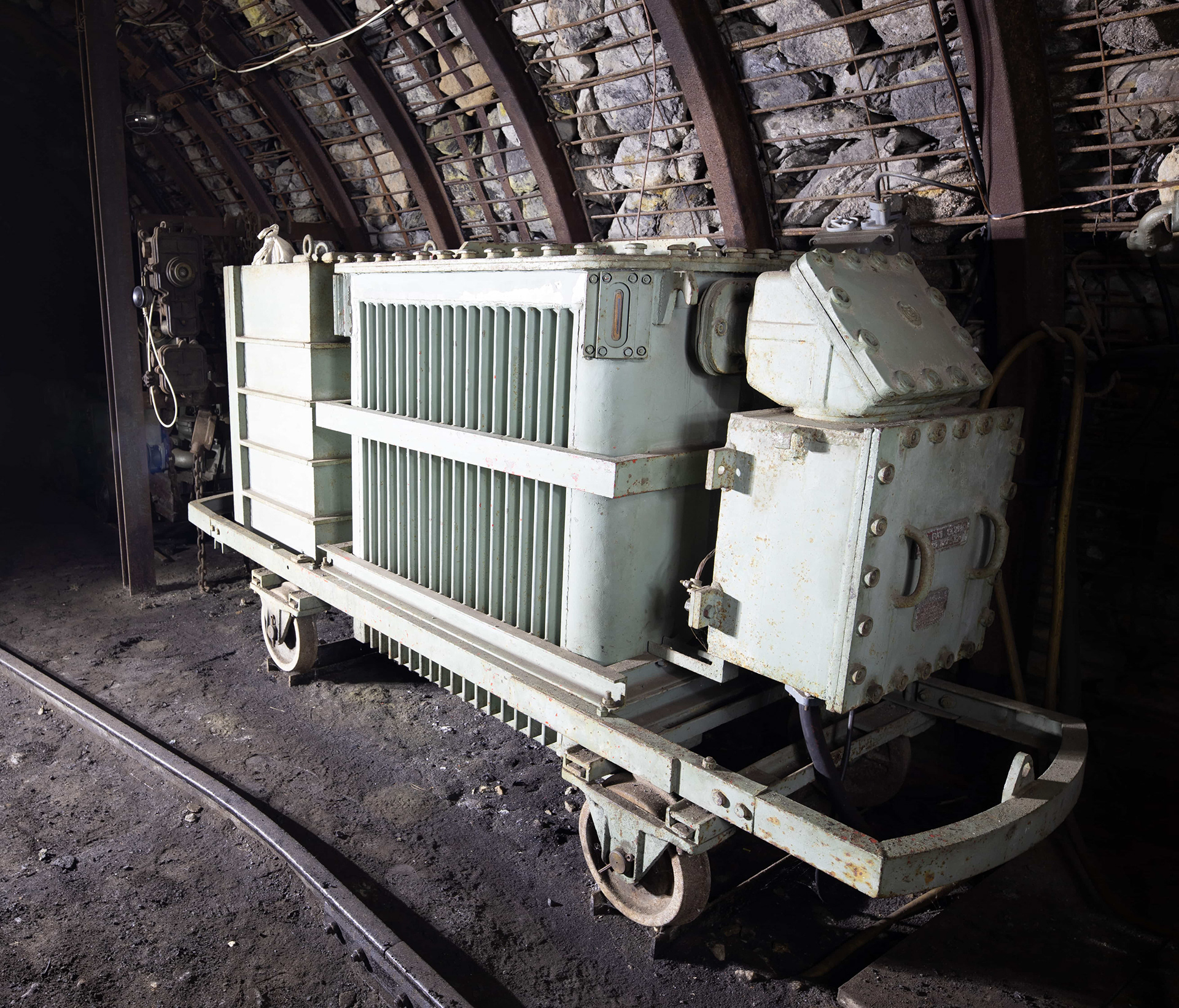
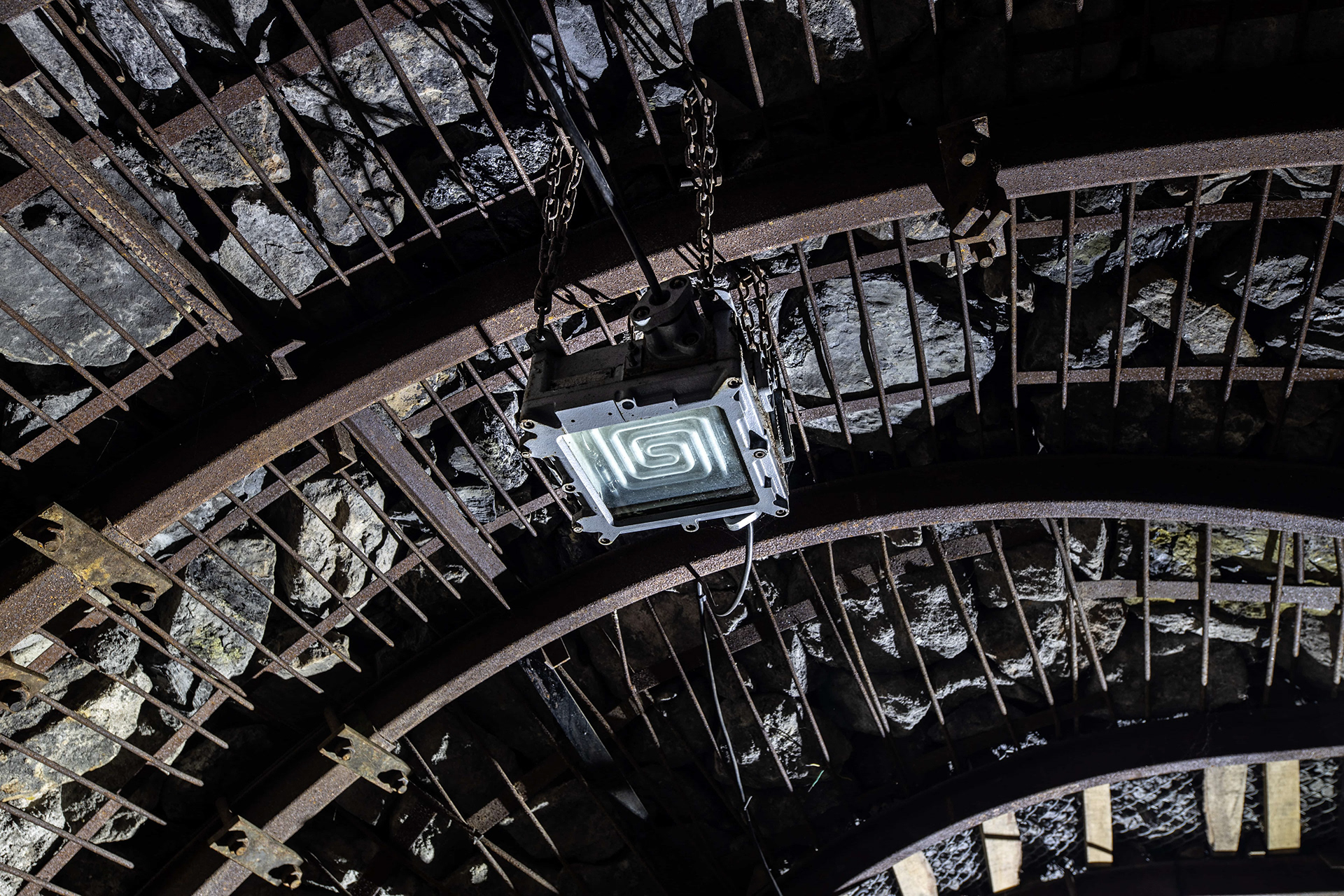
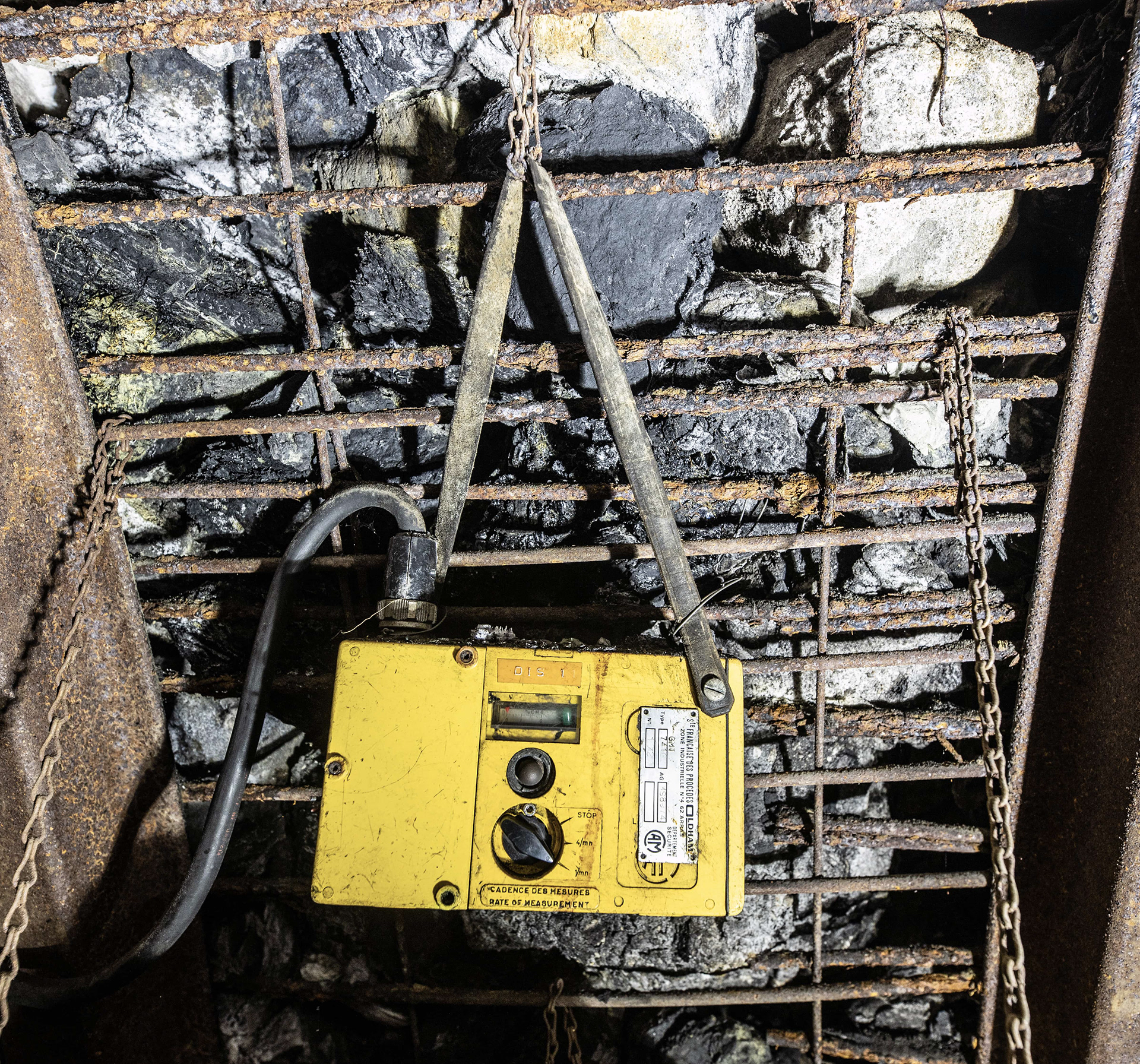
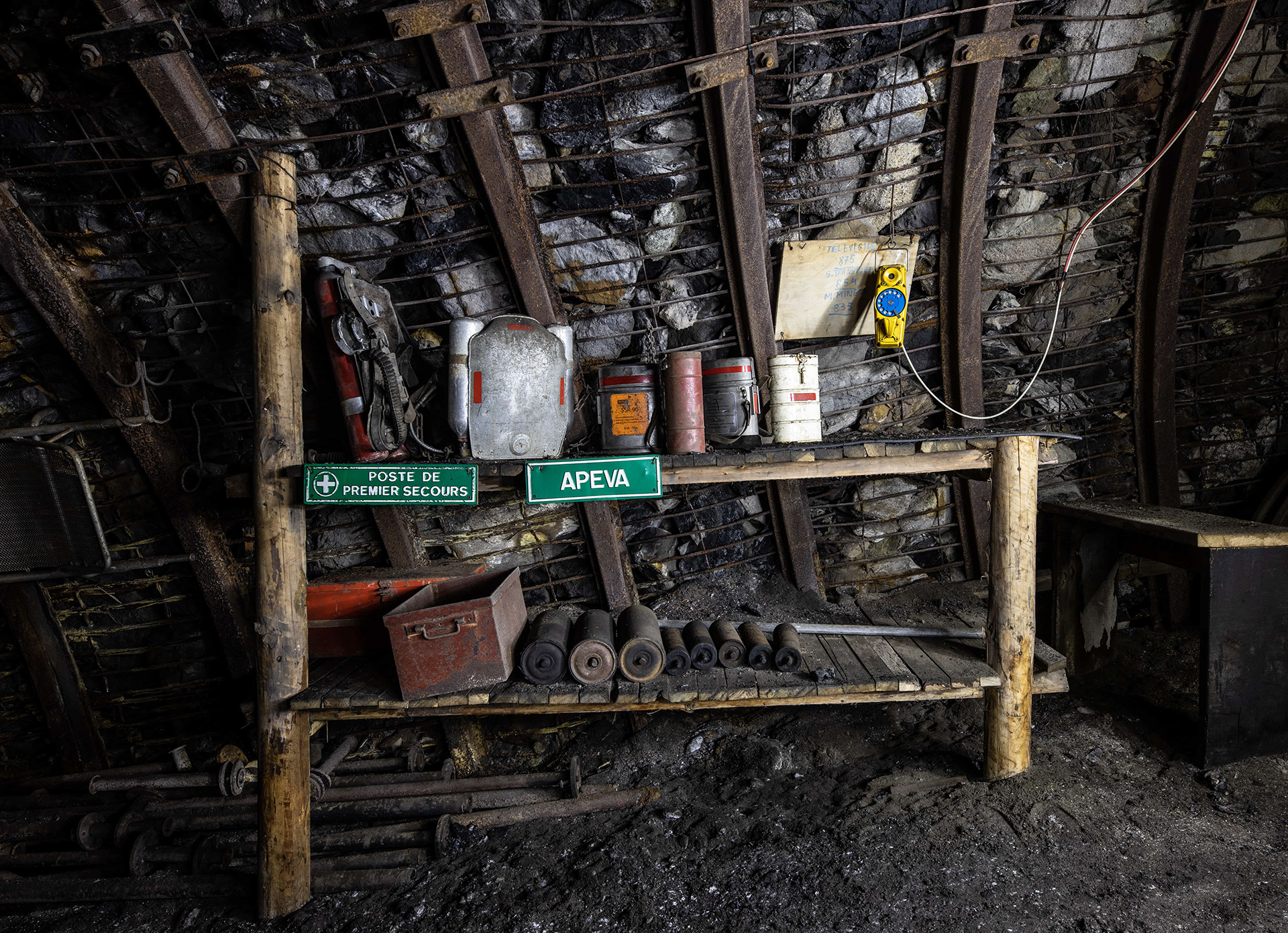
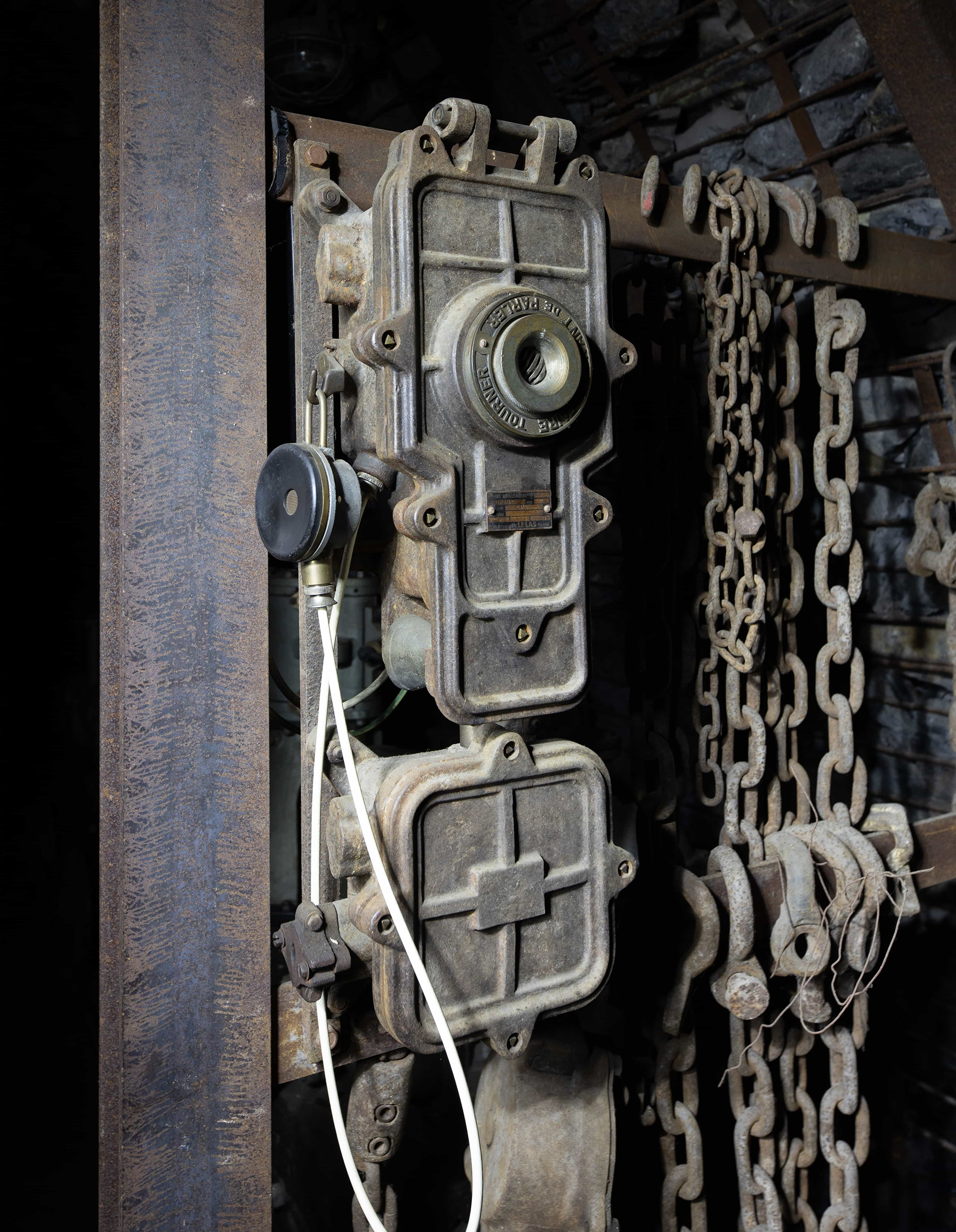
The equipment inside the mines was therefore adapted to prevent this type of accident as much as possible. Anything electrical is contained within flameproof enclosures, such as lamps, telephones, etc.

5fabd08c-9a0a-4906-bebb-93d14b9279a3_rw_1920
1625bbf3-1374-43fa-8817-38c05dc22476_rw_1920
9abcce07-613c-4a1a-ad3b-973157e89745_rw_1920
0ff955d8-66f6-40ac-a777-6f132e9553d6_rw_1920
Mining collapses are very frequent and unpredictable. Coal is a very hard rock, but it is intersected by faults, and sometimes blocks of several cubic meters collapse.
In the Blanzy basin, the caving method of coal extraction was renowned for being economical, but also very deadly. It was criticized, but that changed nothing.
Between 1842 and 1858, in this mine, one miner was killed by a rockfall for every 46,000 tonnes of coal extracted on average.
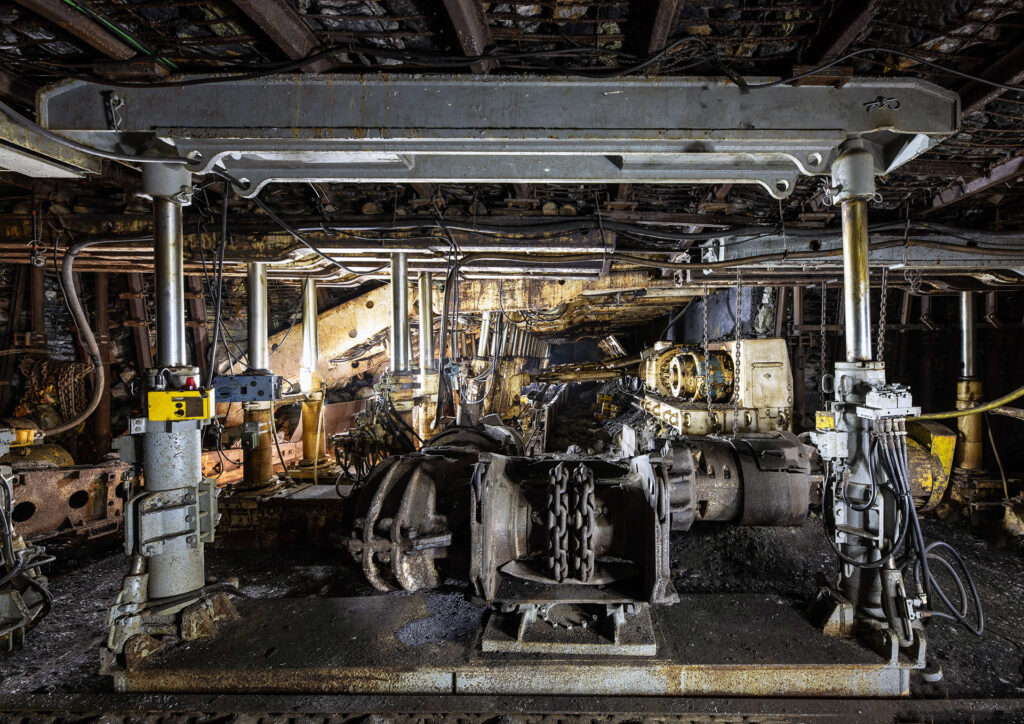
that moves forward as coal mining progresses.
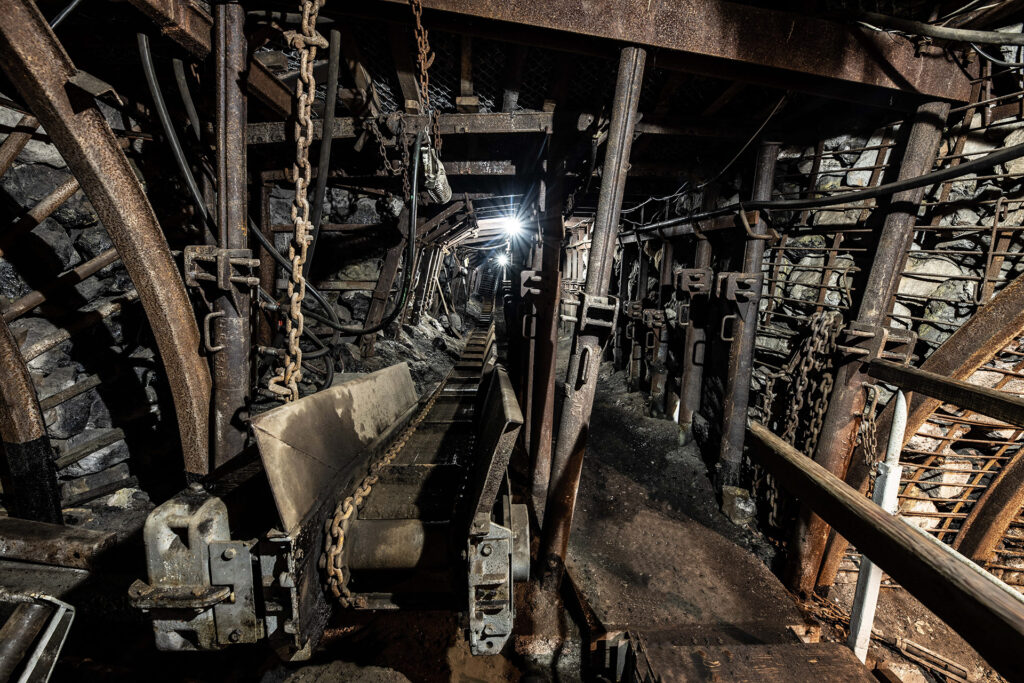
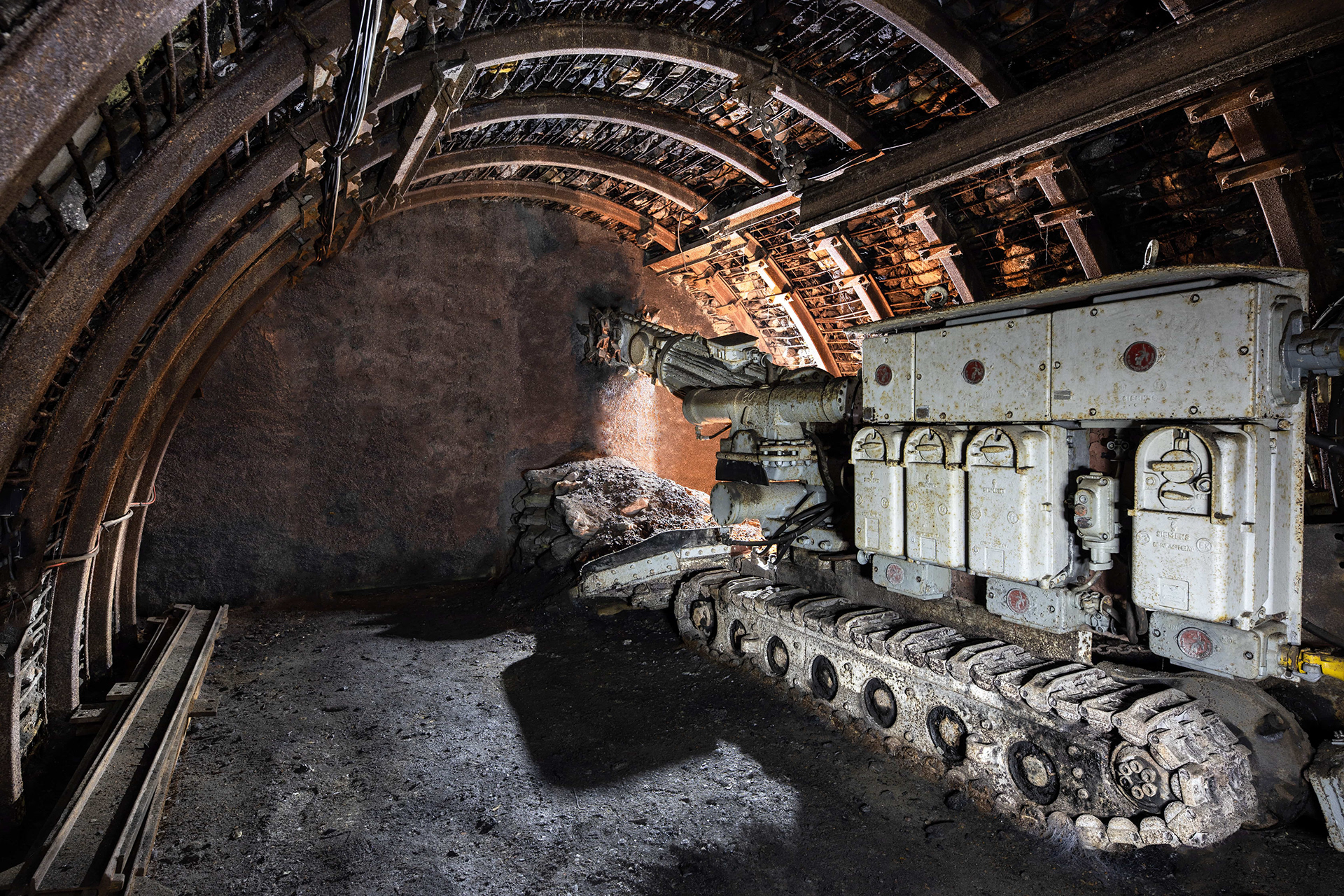
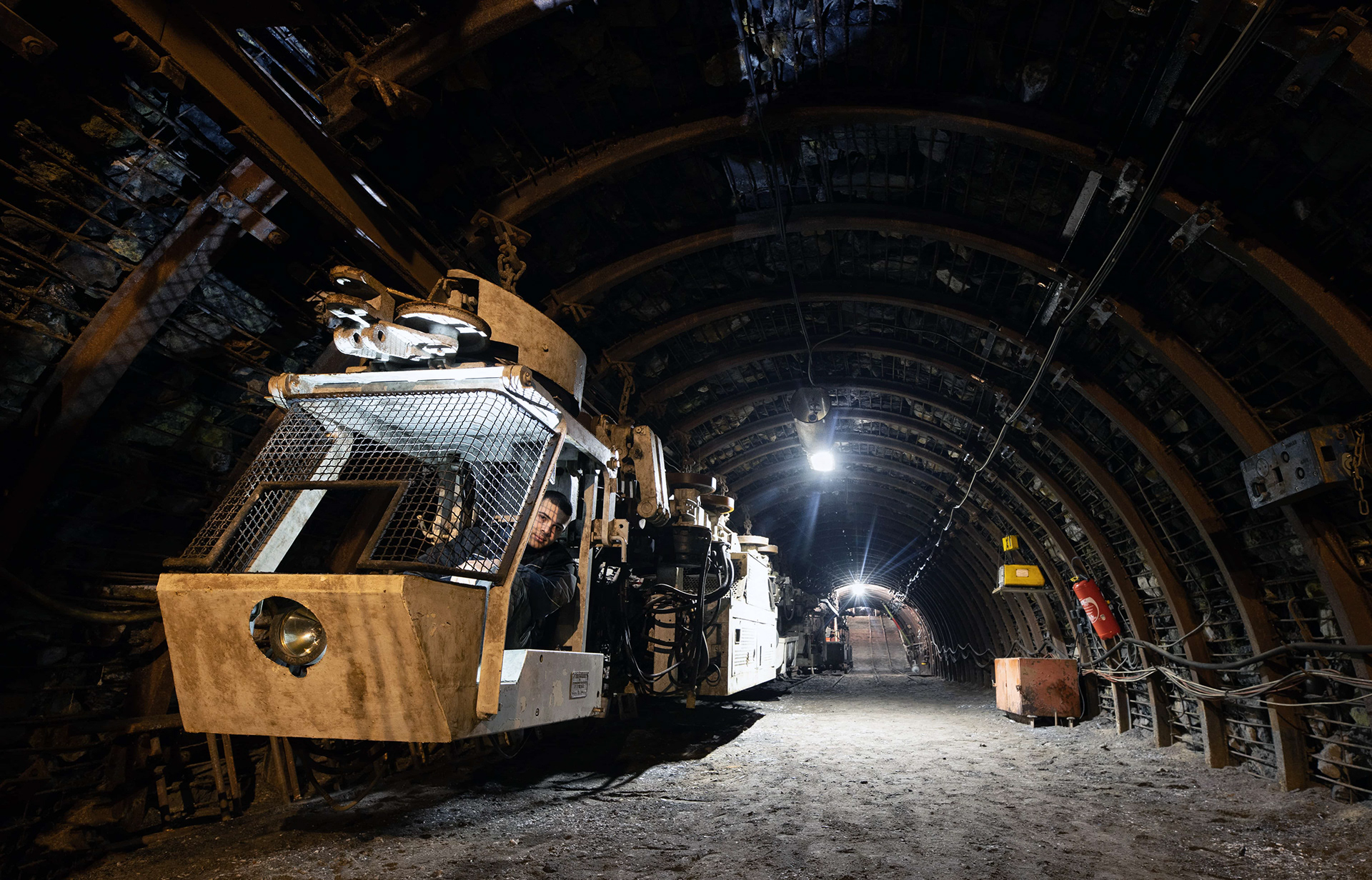
Mine machinery :
172eb1f7-b197-4e71-98a3-9de3f2db55d6_rw_1920
5d5752a8-c723-4732-936c-8cc1db489c1e_rw_1920
393c6411-5225-4804-a74a-f7c771fd0010_rw_1920

b1eef08c-6005-475a-a1ed-1ace34a17683_rw_1920
2384e461-eb9d-4b49-a124-f8dd7d99bb63_rw_1920
b1a312a1-665b-4920-9034-a7e054b9dda1_rw_1920