

Underground Mining Museums
This section brings together my photographs of twelve mining museums, in France, Belgium, Germany, Poland and Luxembourg.
Each museum links to an article retracing its history, from working mine to heritage site.
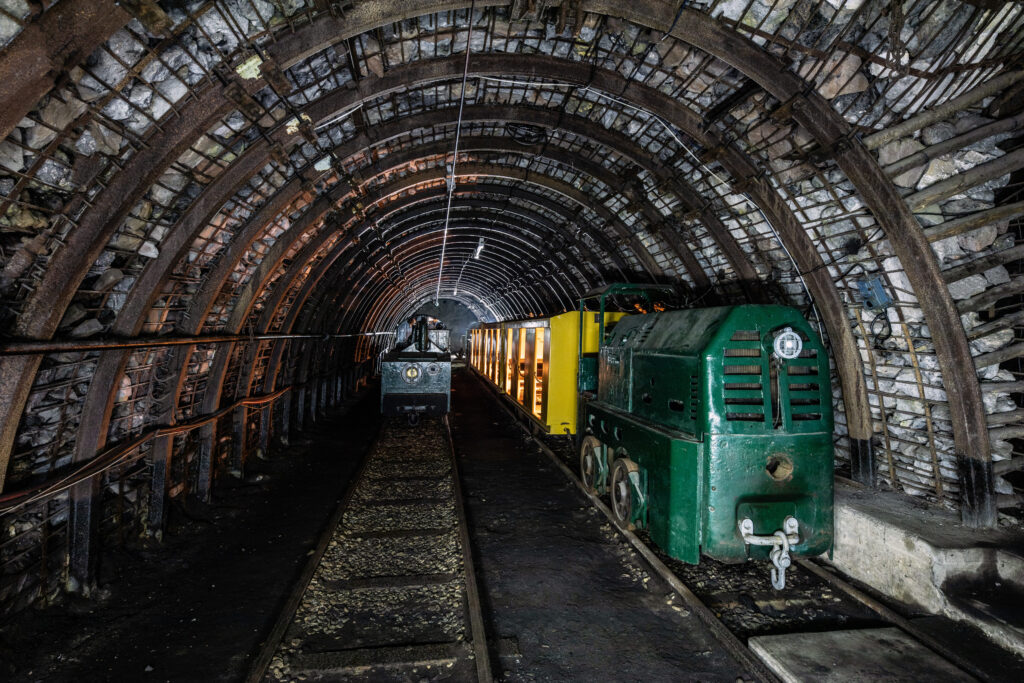
Blanzy Mining Museum
Coal mining is very ancient and dates back to the Middle Ages, but experienced significant development at the end of the 18th century and especially during the Indus…
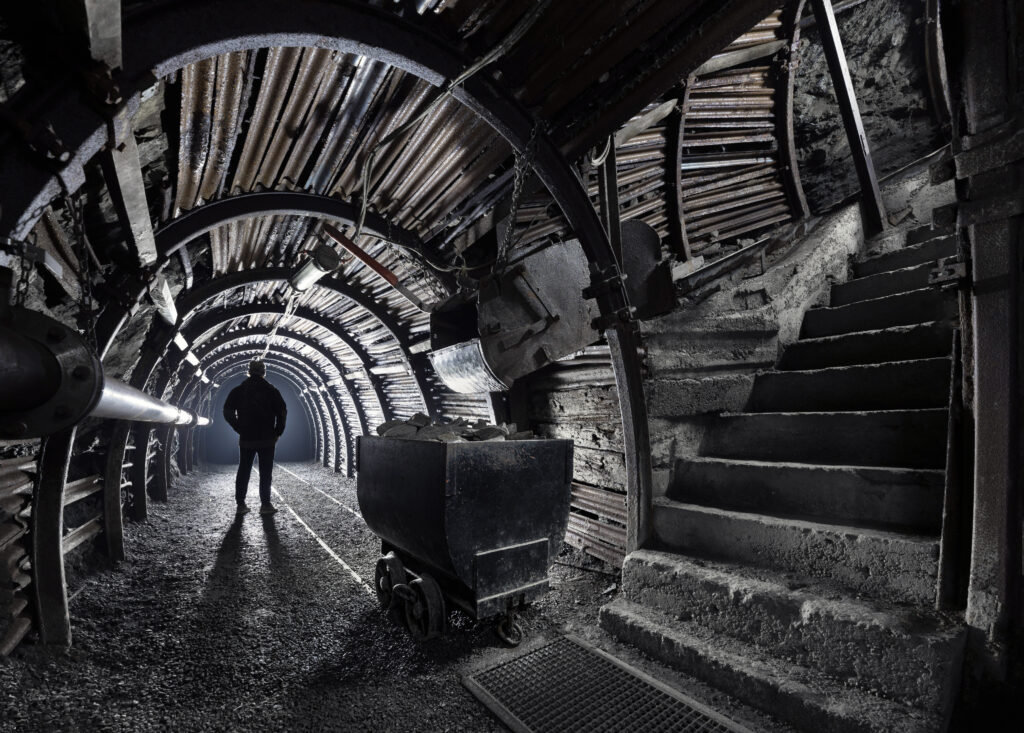
Blegny Mining Museum
The last coal mine in the Liège basin closed its doors, ending its commercial and industrial activities in 1980. It has since been transformed into a tourist and cul…
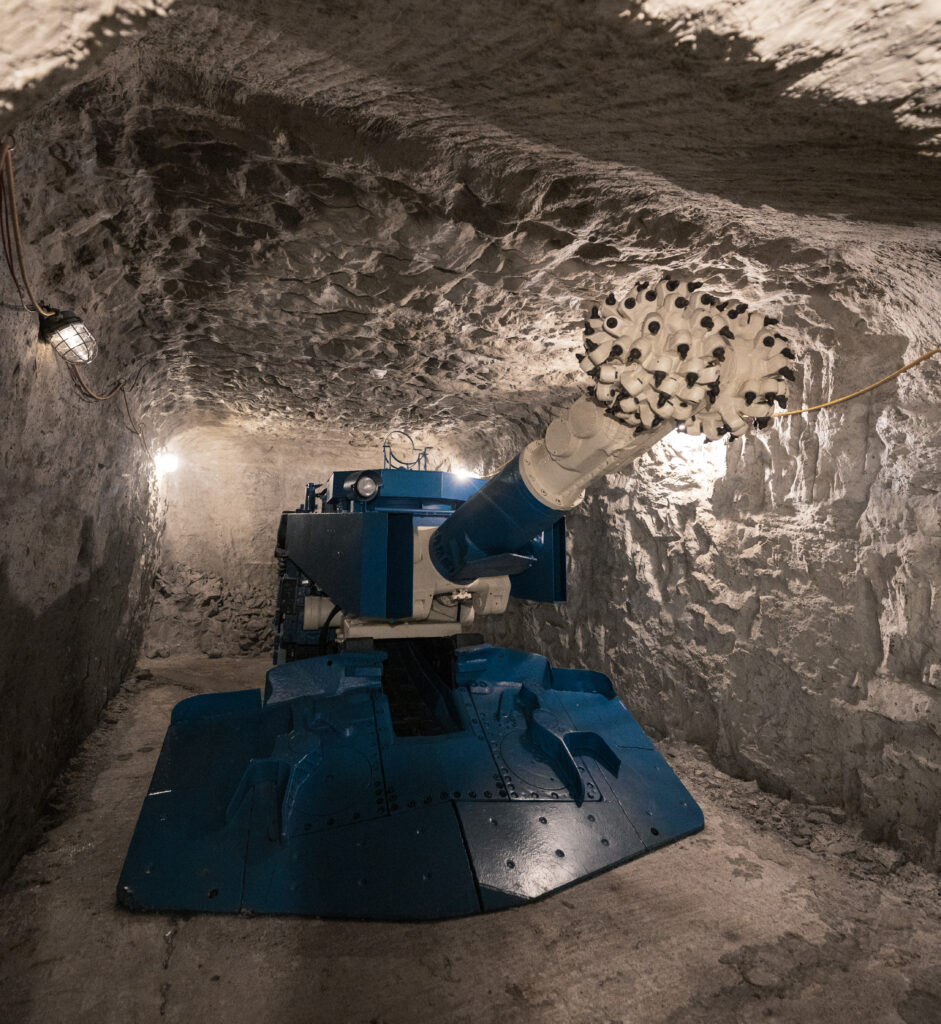
Bochum Mining Museum
The history of coal in Bochum, Germany, is a saga closely linked to the industrialization and mining boom of the Ruhr region throughout the ages.
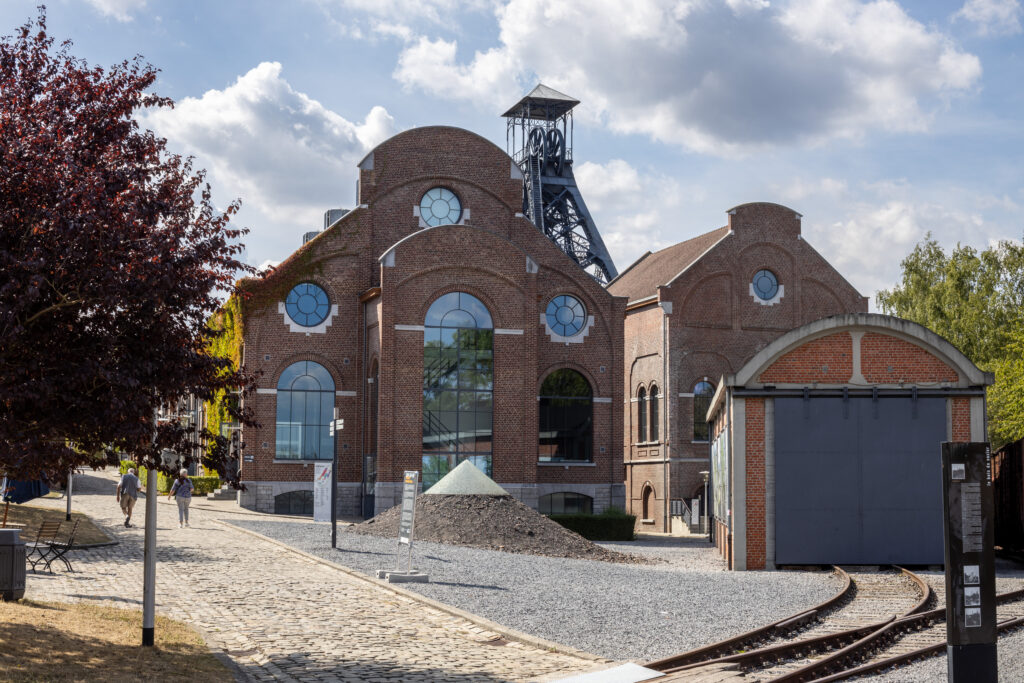
Bois du Cazier Mining Museum
The history of the Bois du Cazier coal mine begins on September 30, 1822, when a coal concession was granted to Eulalie Desmanet de Biesme by a Dutch royal decree.
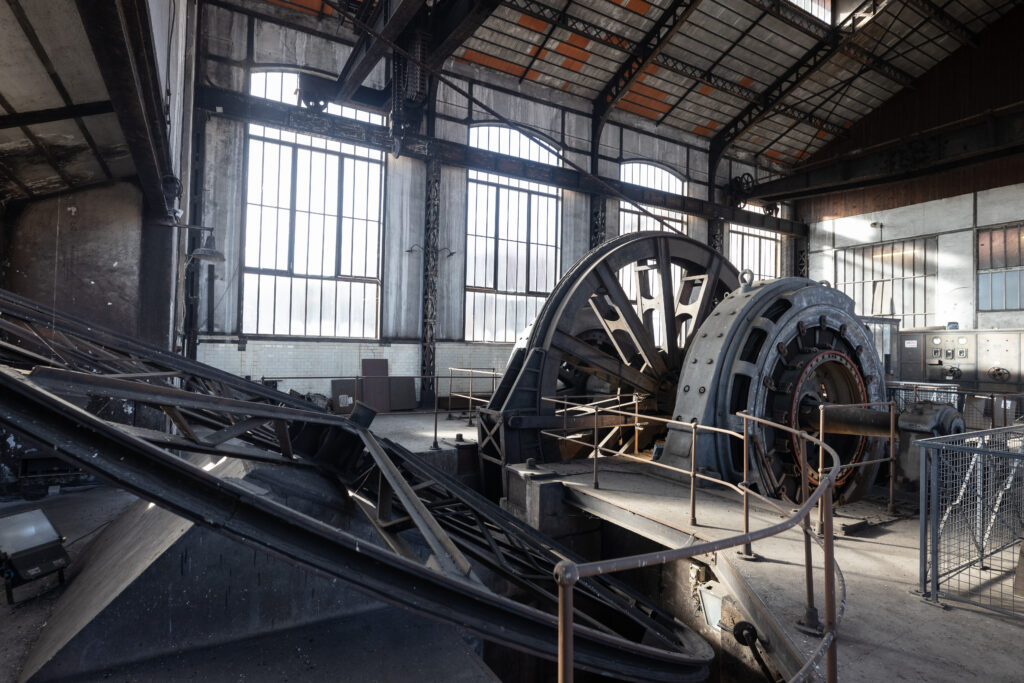
Saint-Etienne Mining Museum
In the heart of Saint-Étienne, the Puits Couriot (Mining Museum) offers an immersion into the underground world that shaped the region's history.
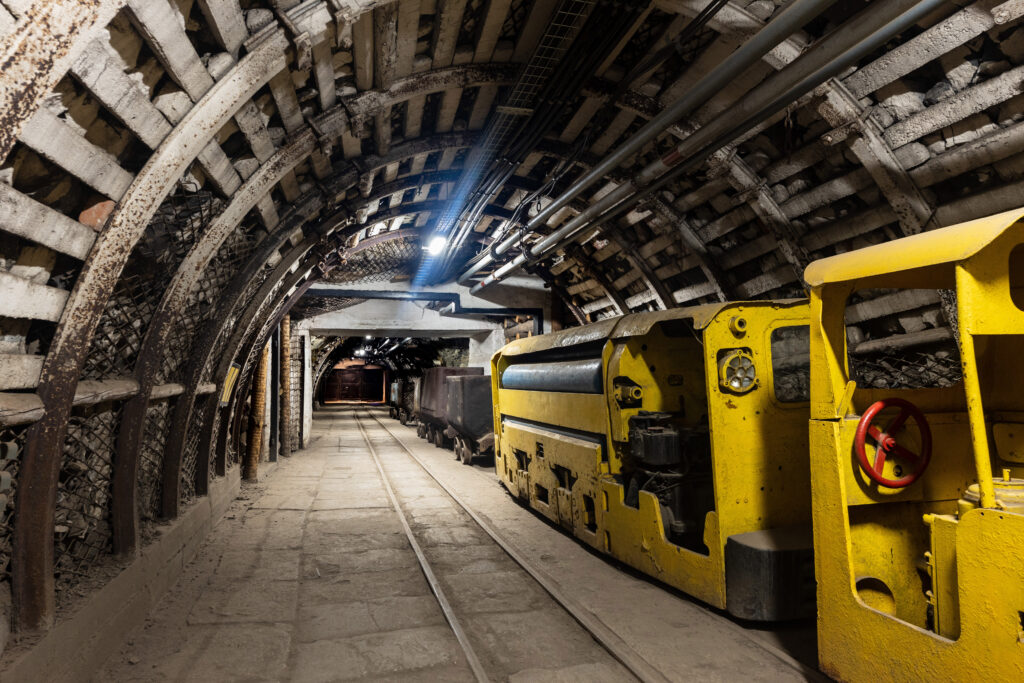
Guido Mine Museum
The Guido mine, founded by Count Guido Henckel von Donnersmarck on October 2, 1855, covered 1.03 km² on the border of Dorotheendorf and Makoschau.
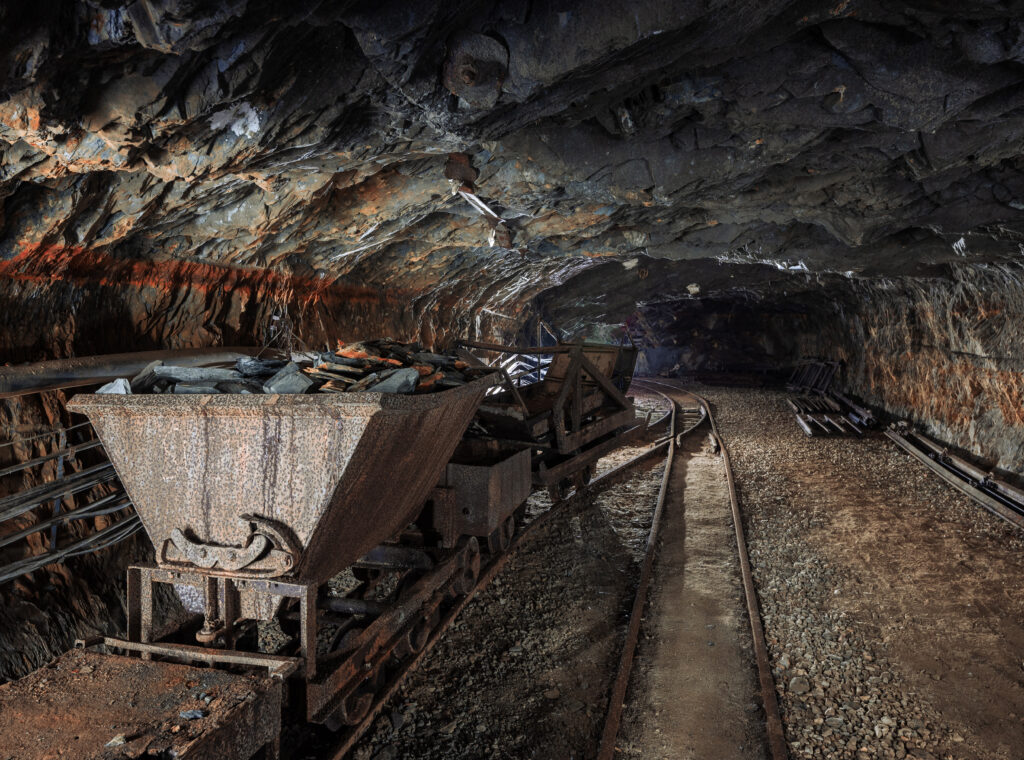
Blue Mine Museum
The history of the Blue Mine is part of the golden age of slate mining in France and particularly in Anjou.
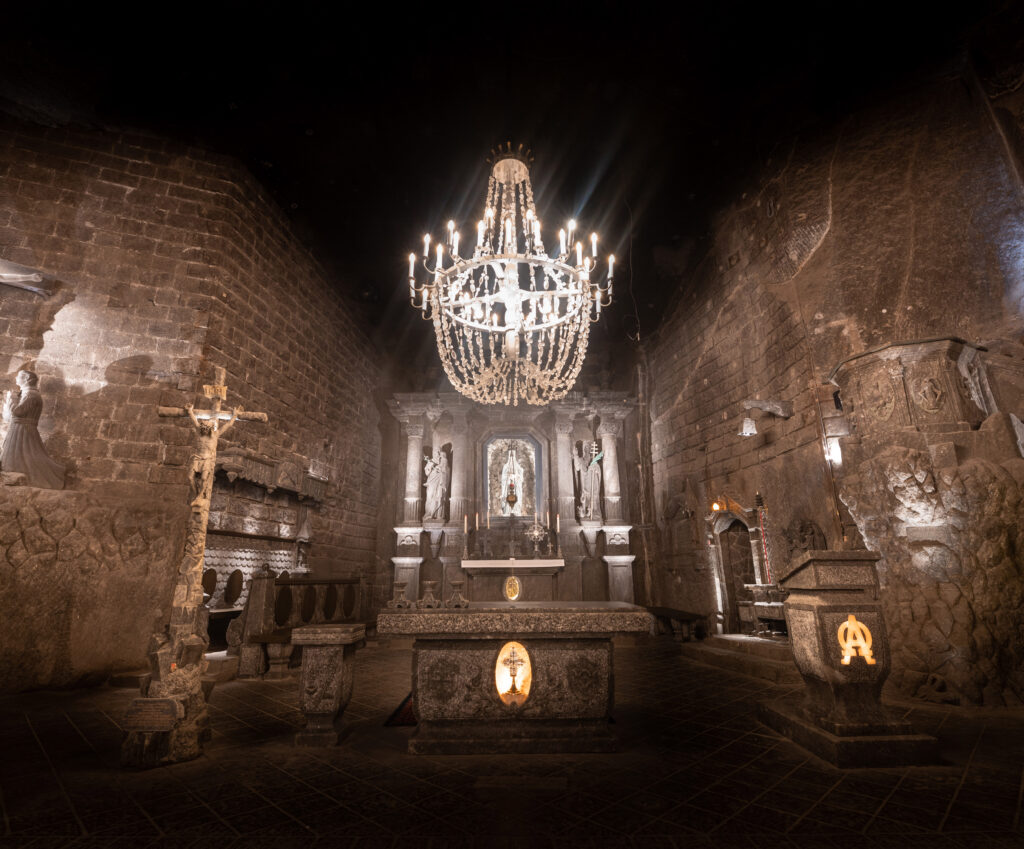
Wieliczka Mine Museum
The history of Wieliczka dates back to the Middle Ages and is closely linked to the oldest salt enterprise ever established on Polish territories.
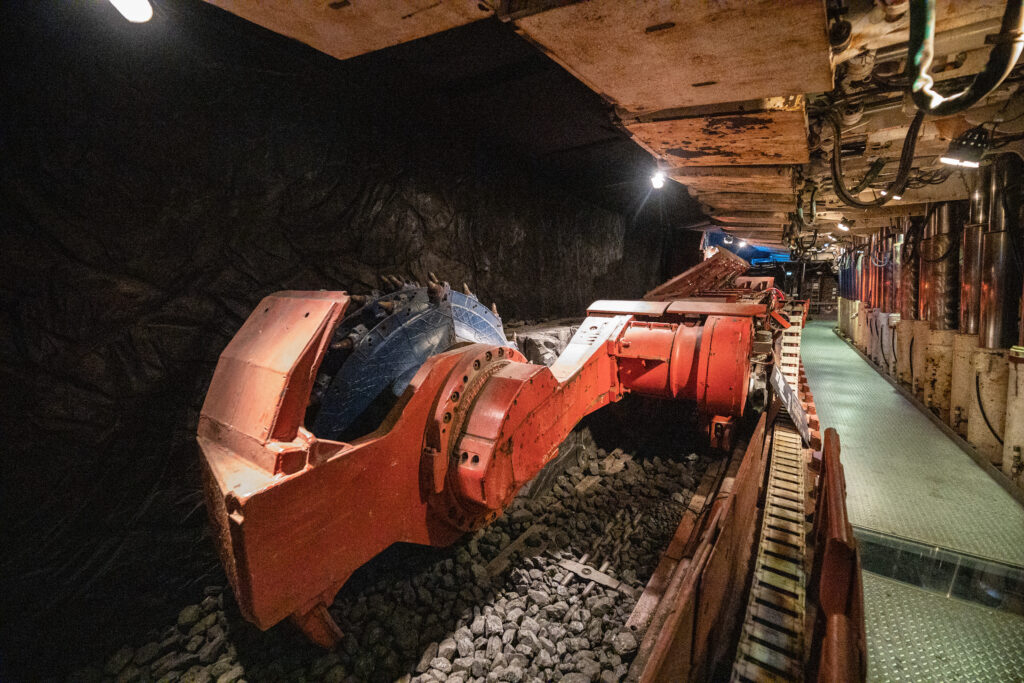
Wendel Mining Museum
The Saar-Lorraine coal deposit, initially discovered in Saarland, was mined on the French side starting in 1856 in Petite-Rosselle.
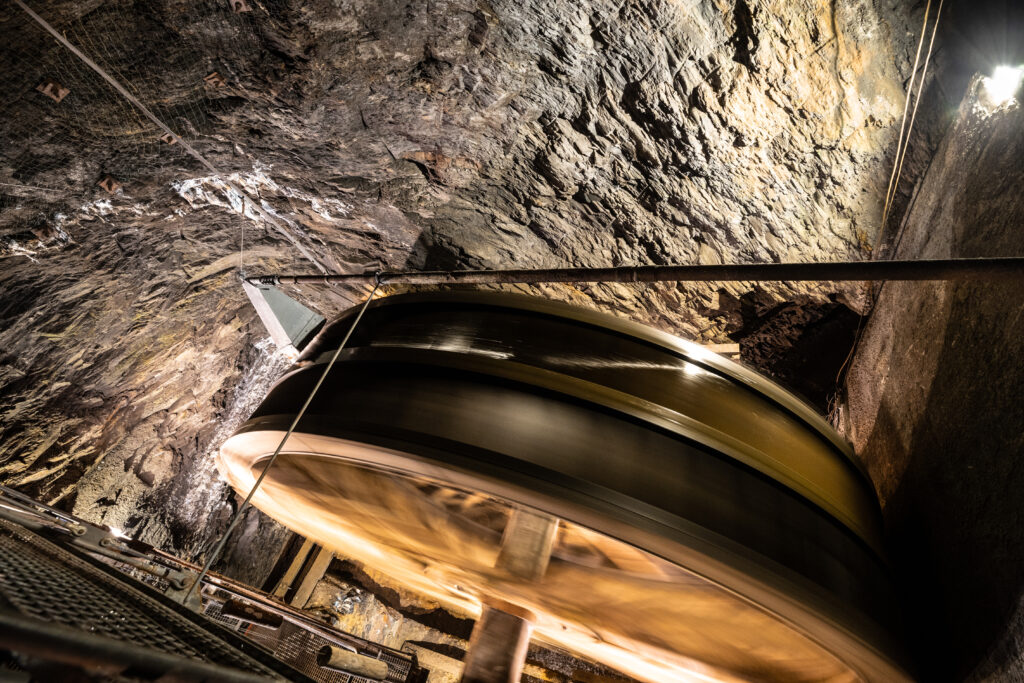
Rammelsberg Mining Museum
The Rammelsberg Mines once represented the largest interconnected deposits of copper, lead, and zinc ore in the world.
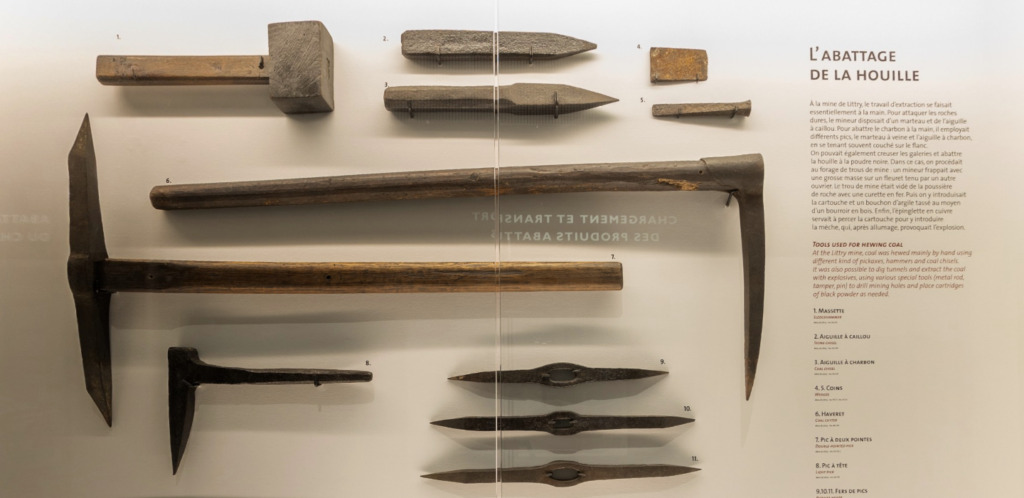
Le Molay-Littry Mining Museum
The Molay-Littry Mine Museum (Calvados) recounts the coal mining discovered in Littry as early as 1741, which left a lasting mark on the territory.
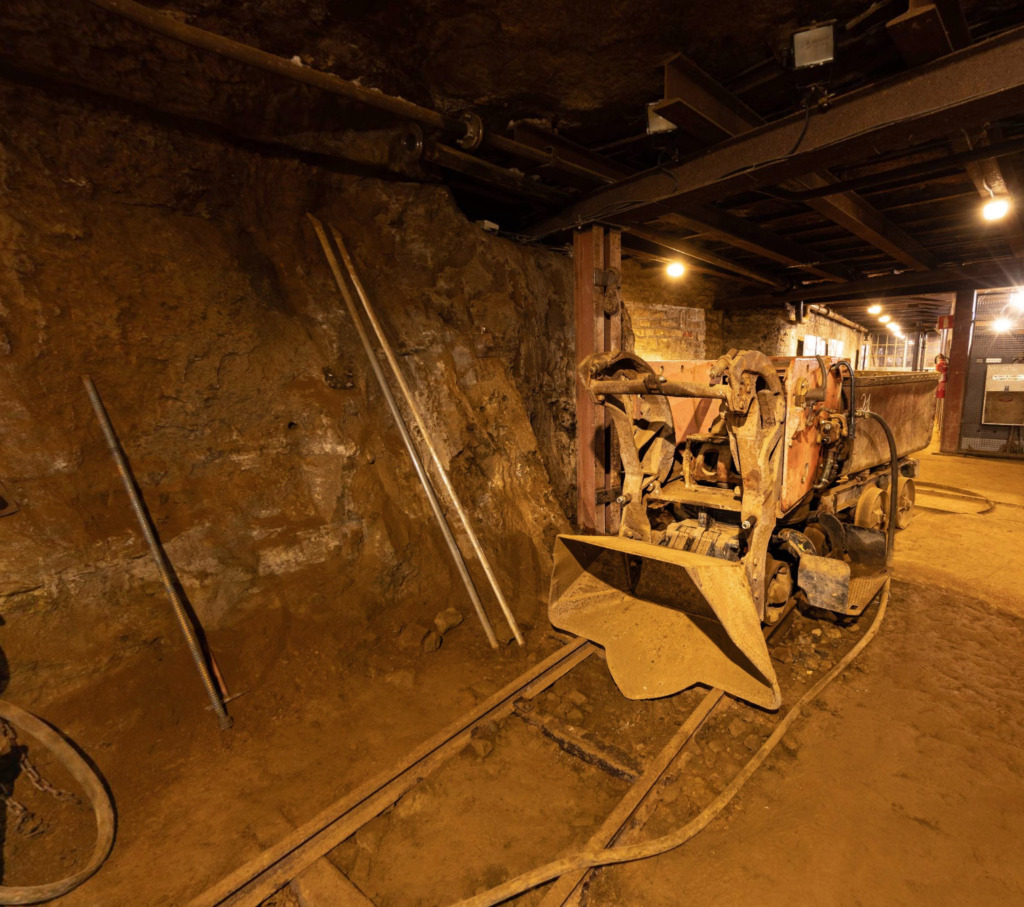
Fond-de-Gras Mining Museum
Minett Park Fond-de-Gras is an open-air museum focused on the industrial history of southern Luxembourg, with the mining of iron ore ("minette") as its common thread…
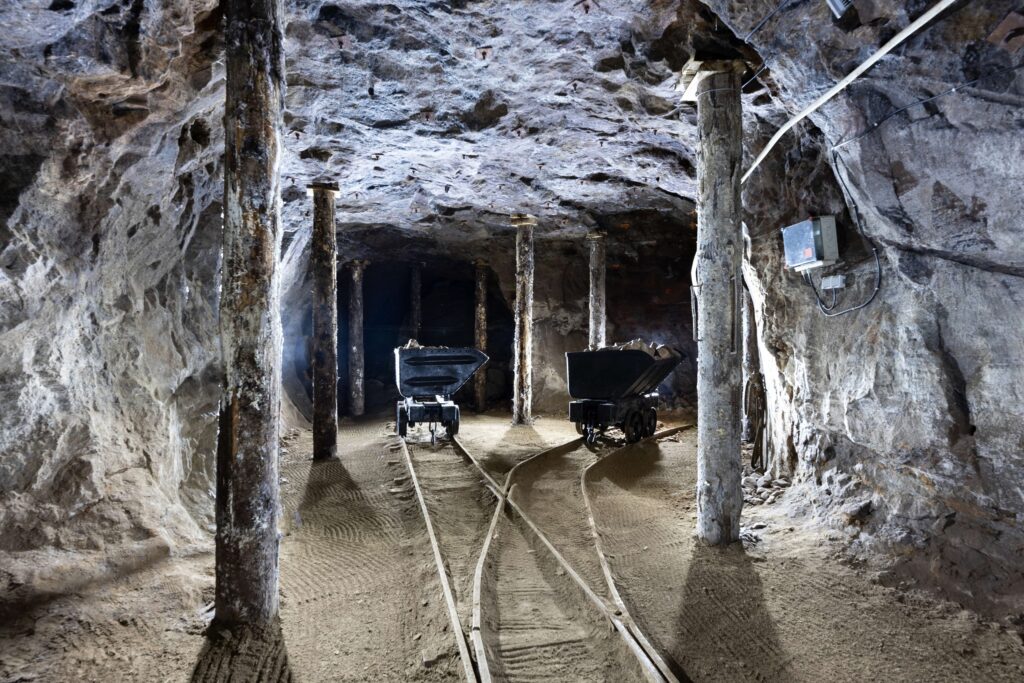
National Iron Mining Museum
In Rumelange, Luxembourg, a mine train runs through the galleries of the Kirchberg, Walert and Langengrund mines, linked underground…