Le Bois du Cazier: From the birth of a coal mine to a heritage site
The origins of Le Bois du Cazier
The history of the Bois du Cazier coal mine begins on September 30, 1822, when a coal concession was granted to Eulalie Desmanet de Biesme by a Dutch royal decree. This concession, located in Marcinelle, includes two woods named Bonbois and Hublinbut, rich in coal.
The evolution of mining operations
The first companies
In 1861, a company was created under the owners’ names, which became the Société anonyme du charbonnage du Bois de Cazier in 1874. Despite its profitability, the concession was abandoned in 1898 due to the risks associated with firedamp.
Recovery and expansion
On February 4, 1899, the S.A. des Charbonnages d’Amercoeur bought the concession. Over the years, the site expanded:
- 1904: Merger with the Marcinelle-Sud concession
- 1910: Addition of the Bois du Prince concession
- 1922: Extensions bringing the surface area to 875 hectares
The 1956 disaster
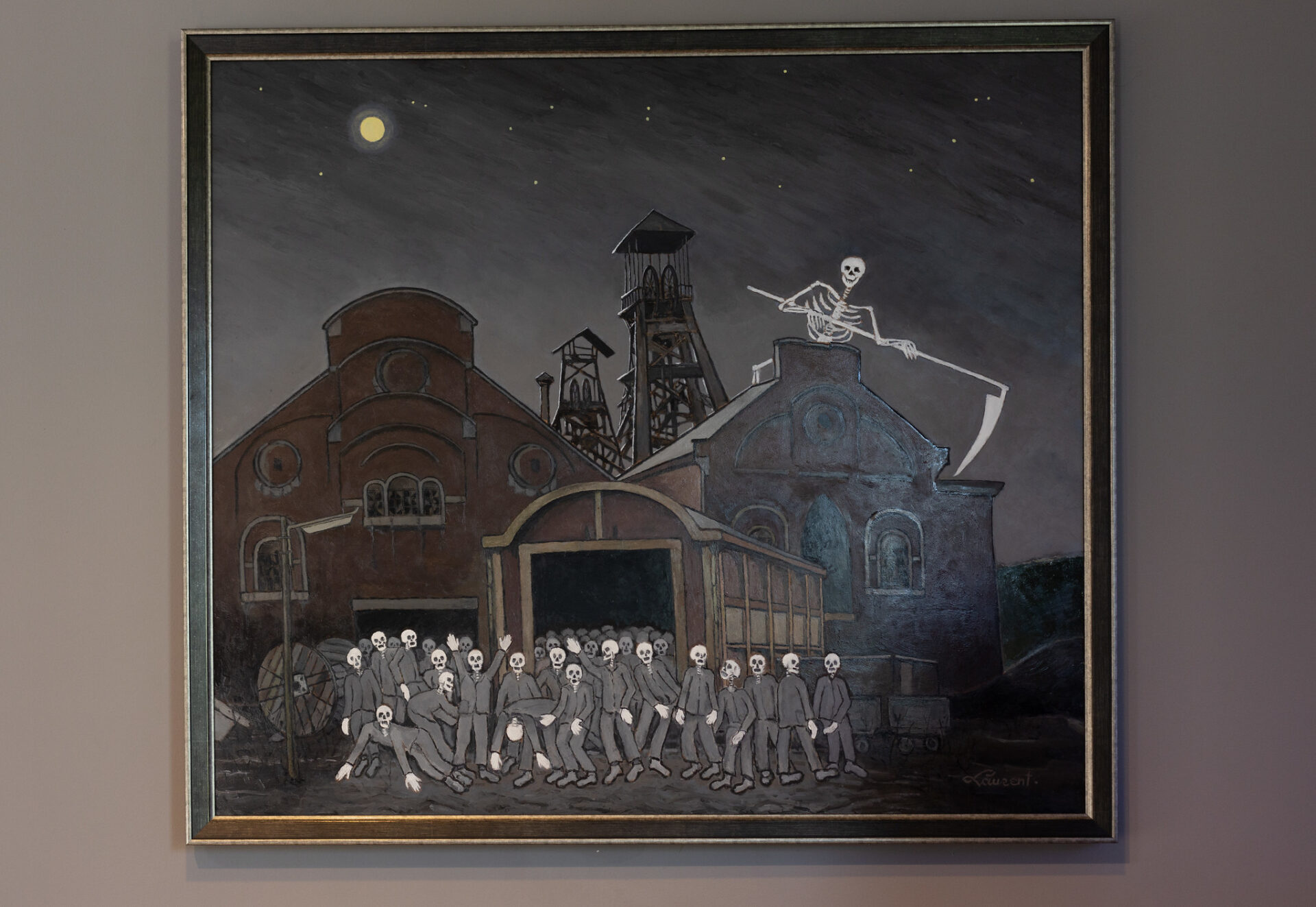
On August 8, 1956, Le Bois du Cazier was the scene of the greatest mining disaster in Belgian history. A fire caused the death of 262 miners of 12 different nationalities. This tragic event had an international impact and led to an awareness of working conditions in mines.
Le Bois du Cazier today
A heritage site
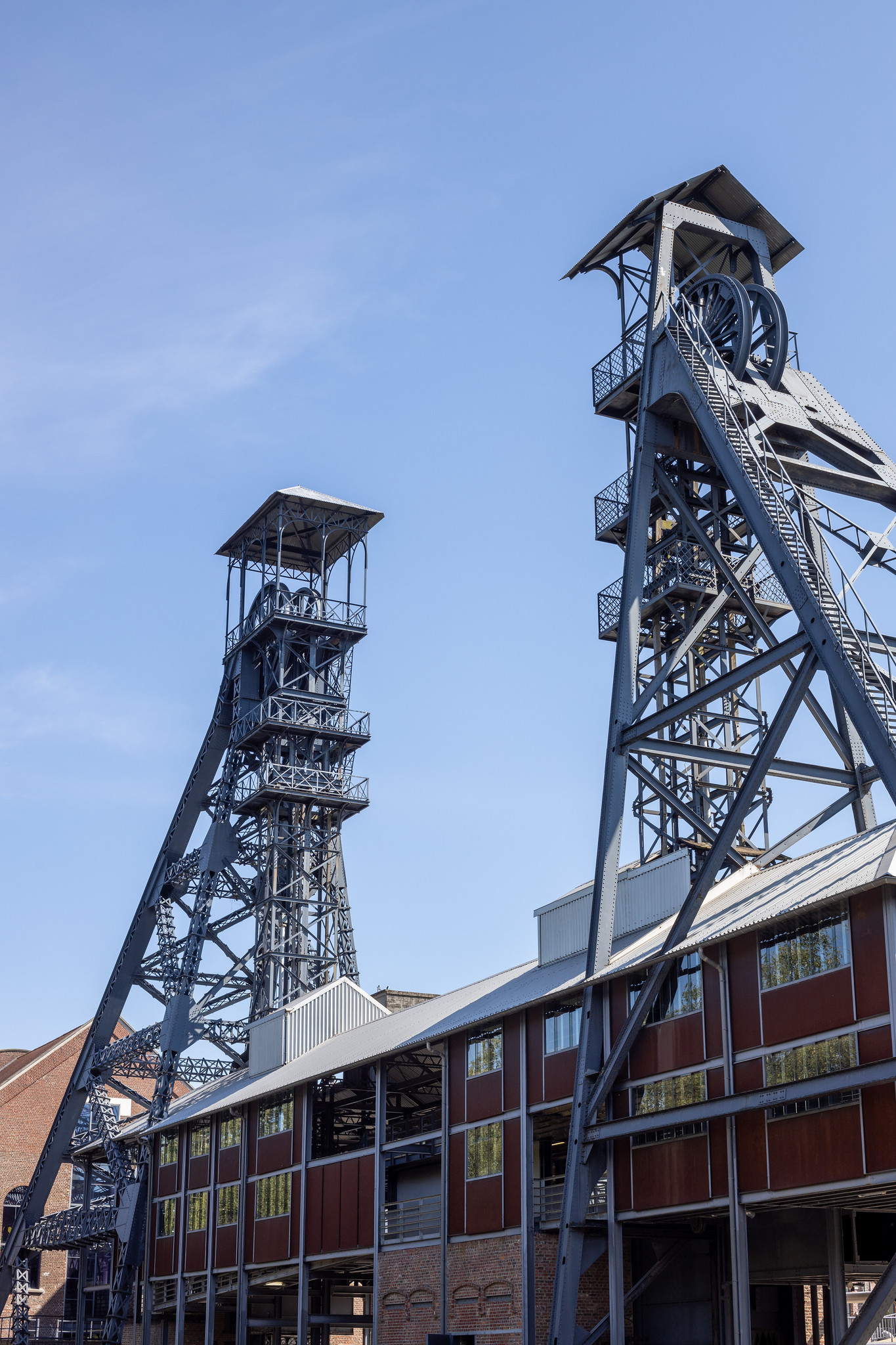
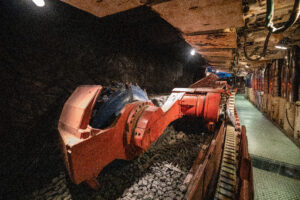
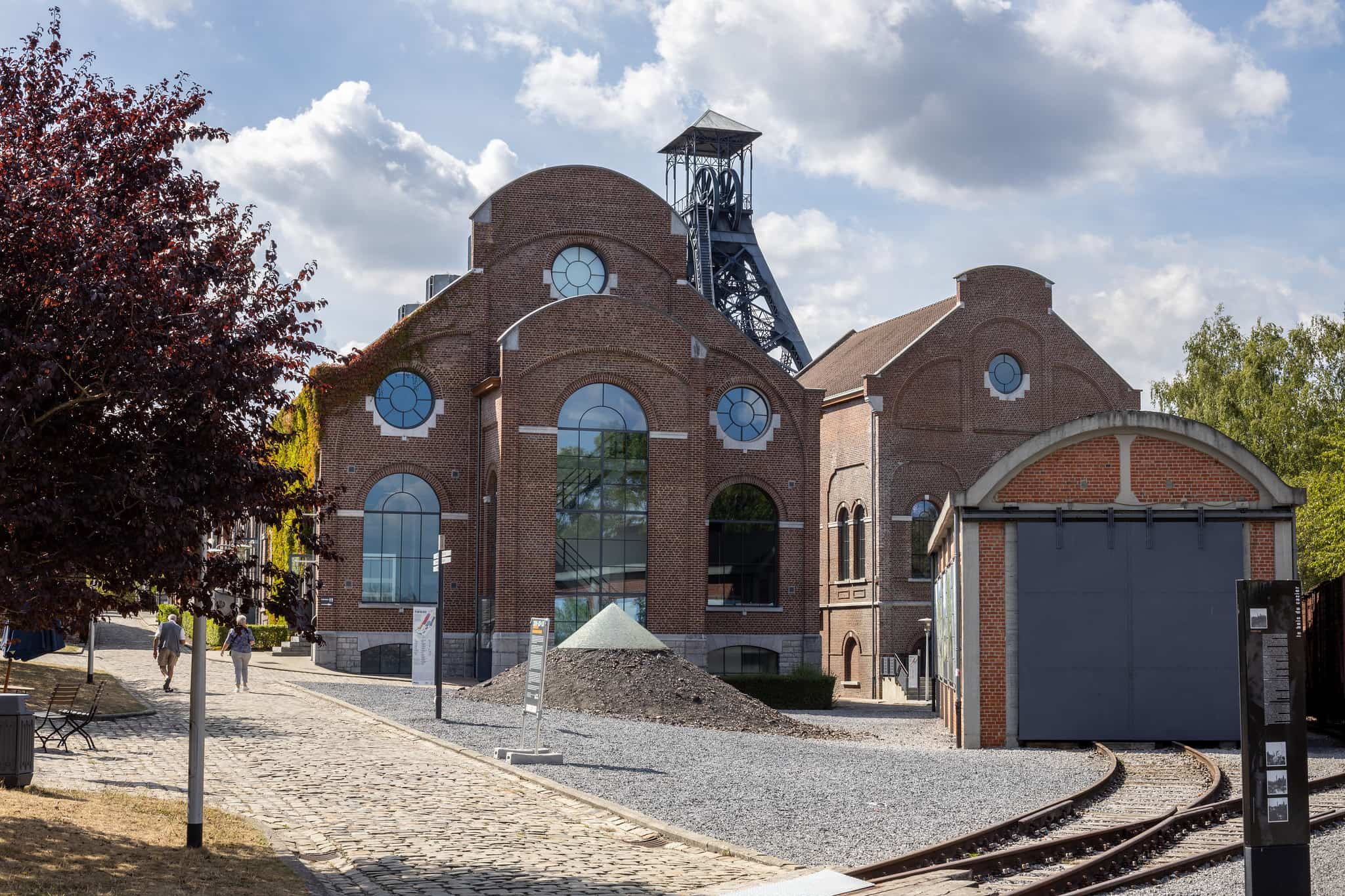
Today, Le Bois du Cazier has been a UNESCO World Heritage site since 2012. It houses several museums that bear witness to its rich industrial past:
The Glass Museum: Housed in the former lamp room since 2007
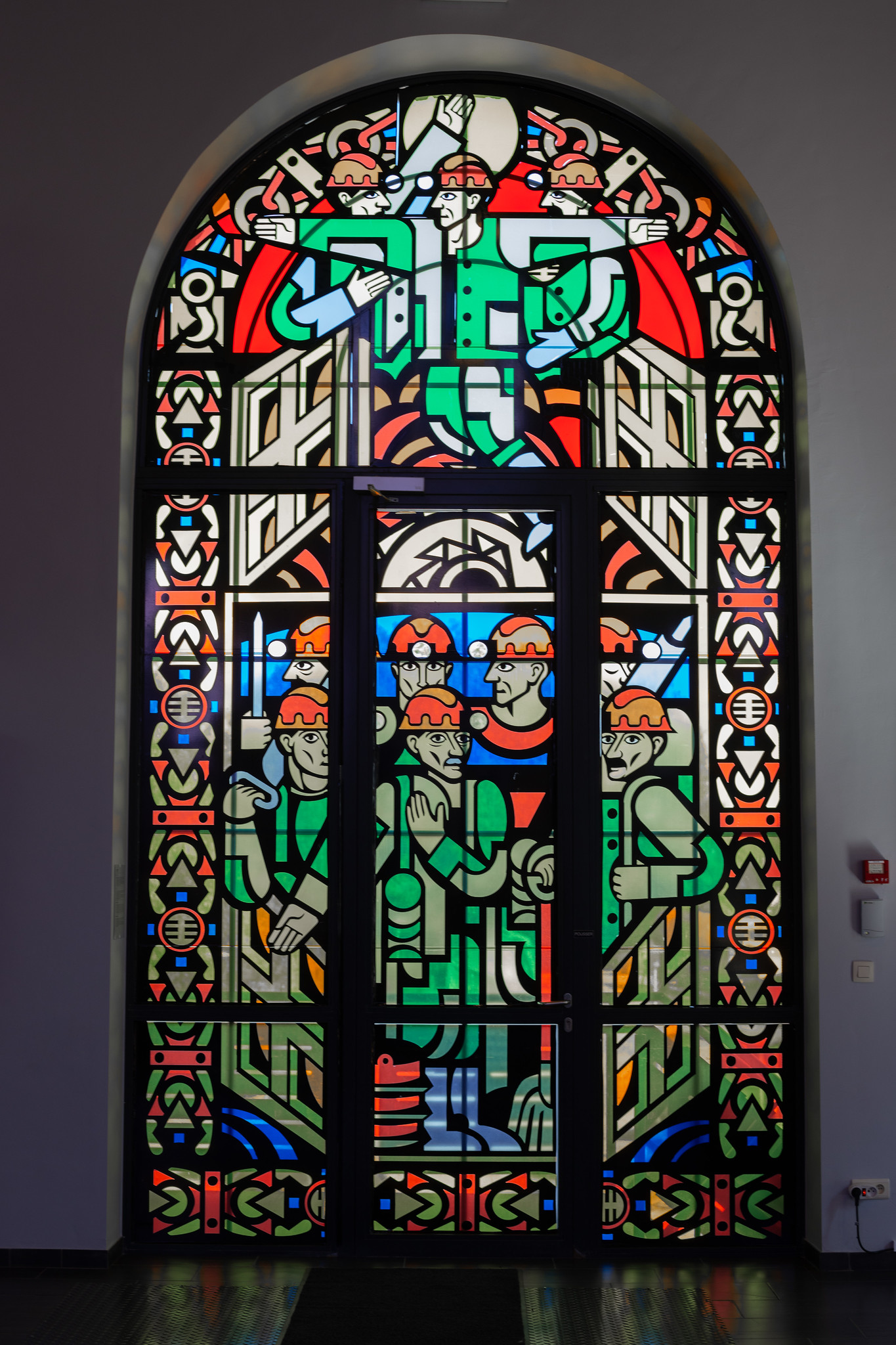
The August 8, 1956 Space: Dedicated to the history of the mine and the disaster
The Industry Museum: Presents the main industrial sectors of the region