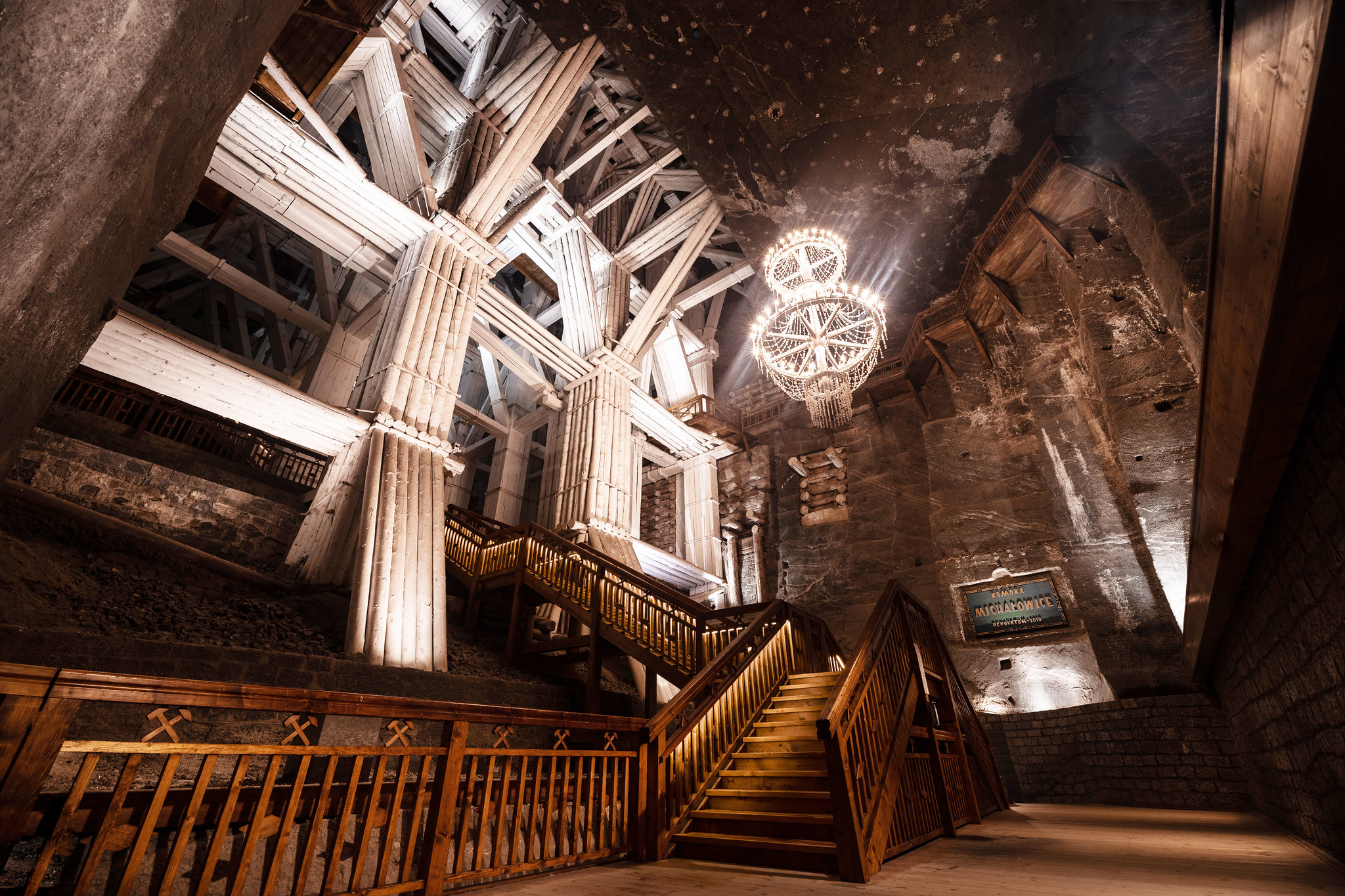
The millennial history of the Wieliczka Salt Mine
The medieval origins of Wieliczka
The history of Wieliczka dates back to the Middle Ages and is closely linked to the oldest salt enterprise ever established on Polish territories. The Latin term Magnum Sal, meaning the great salt [Wielka Sól], which is the origin of the town’s name, appeared for the first time in the years 1123-1125. In 1290, Prince Przemysław II granted Wieliczka municipal rights.

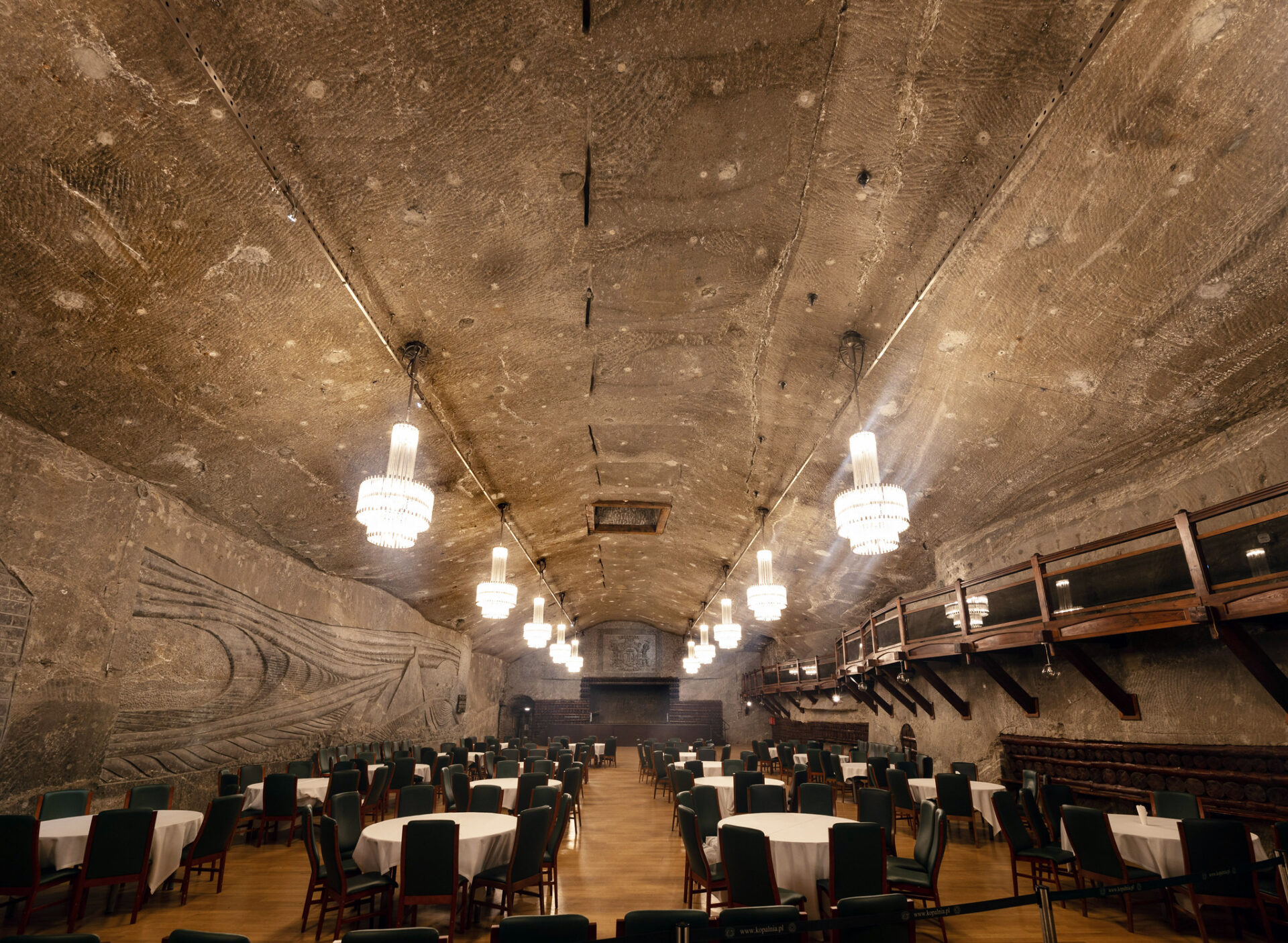
View of the impressive underground room
51815027468_a88327b532_k
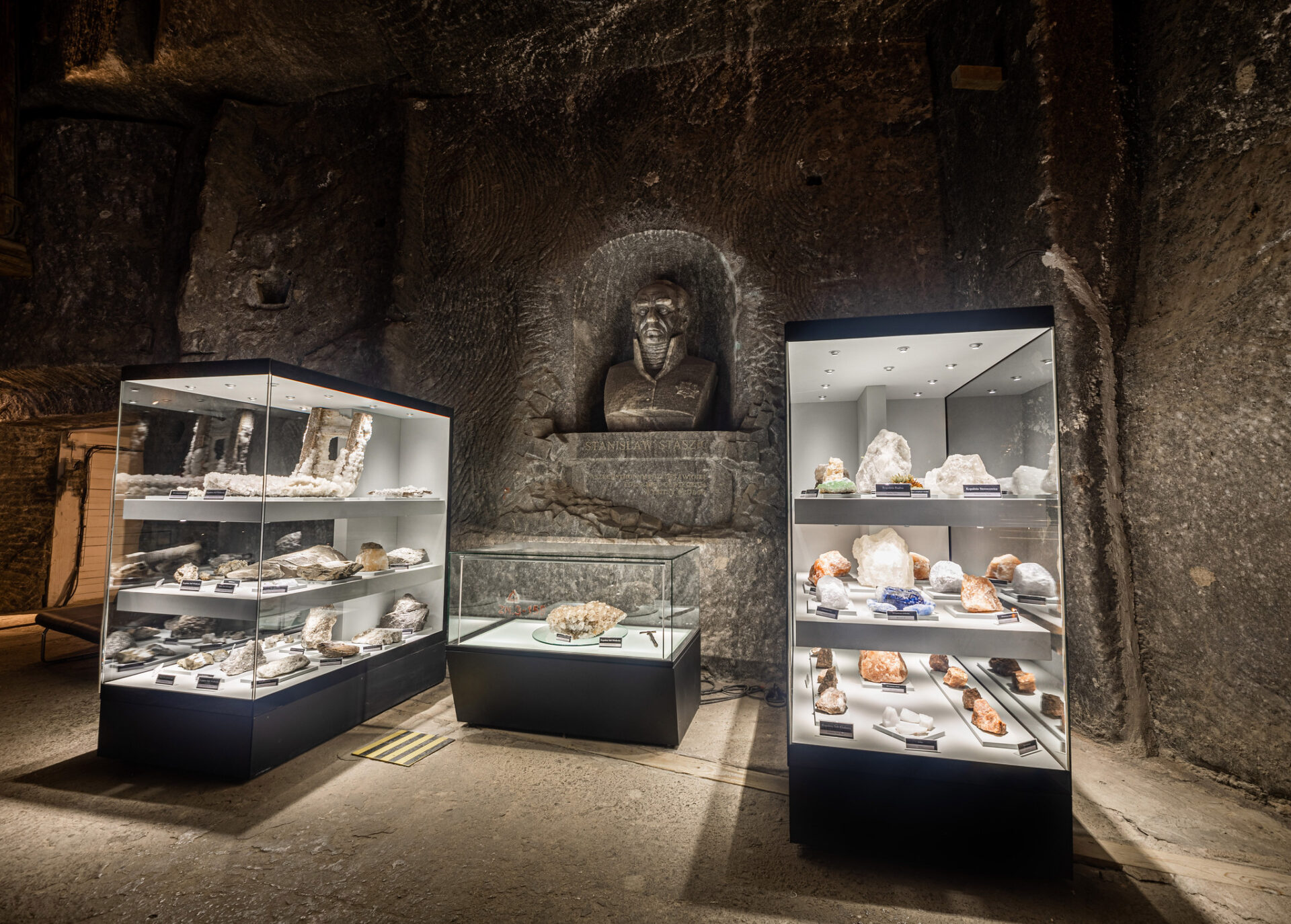
mineralogical collection

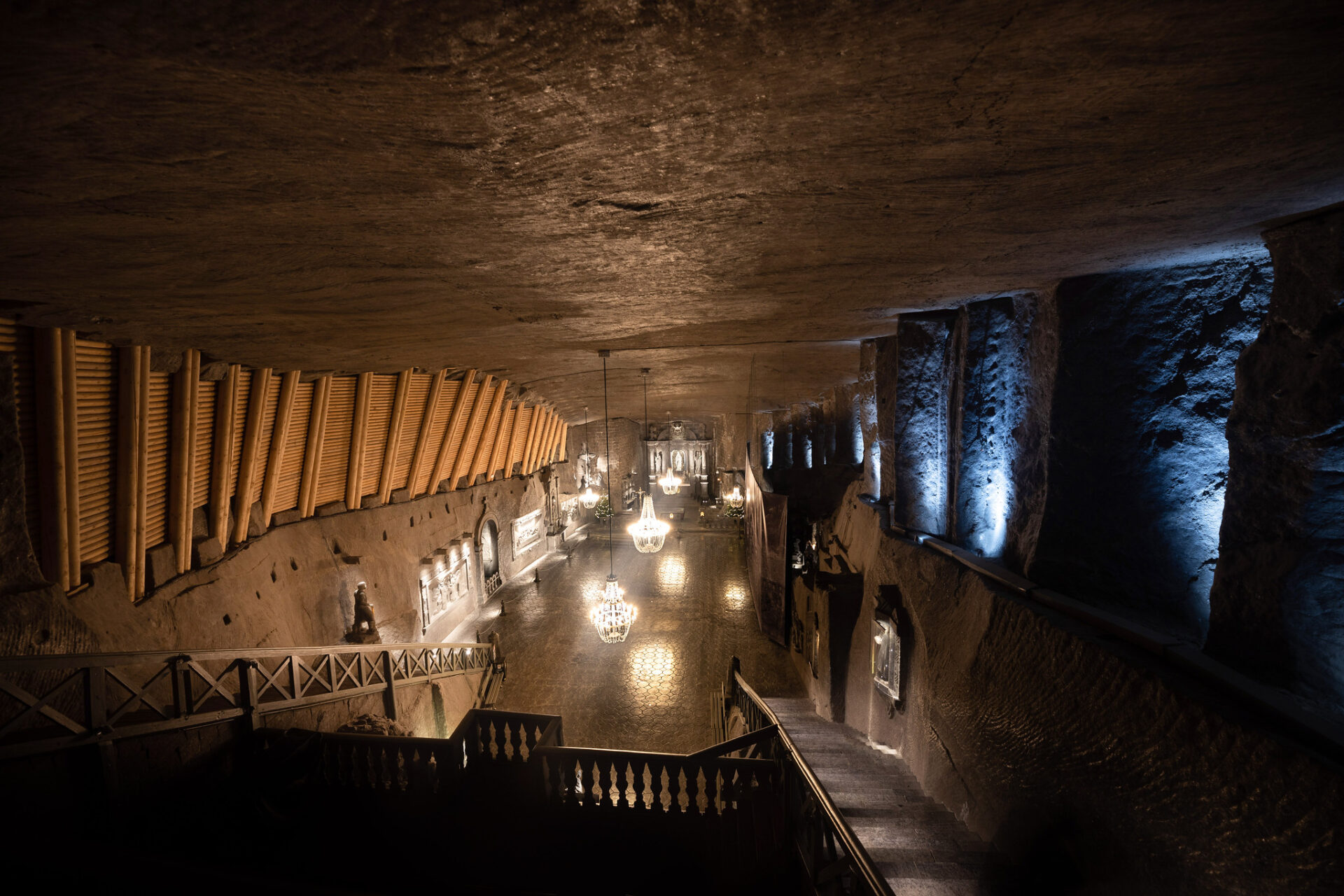
Huge underground reception room
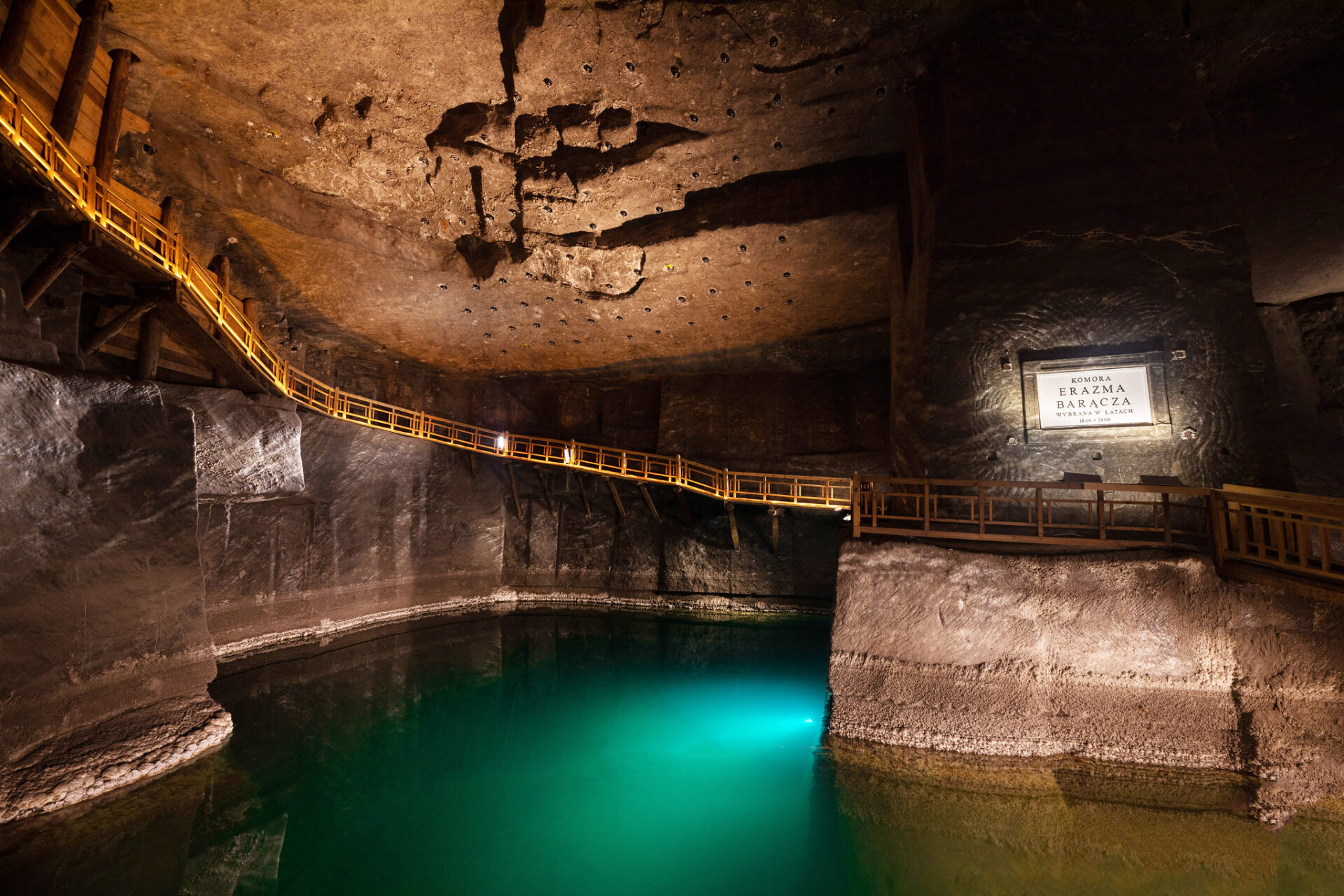
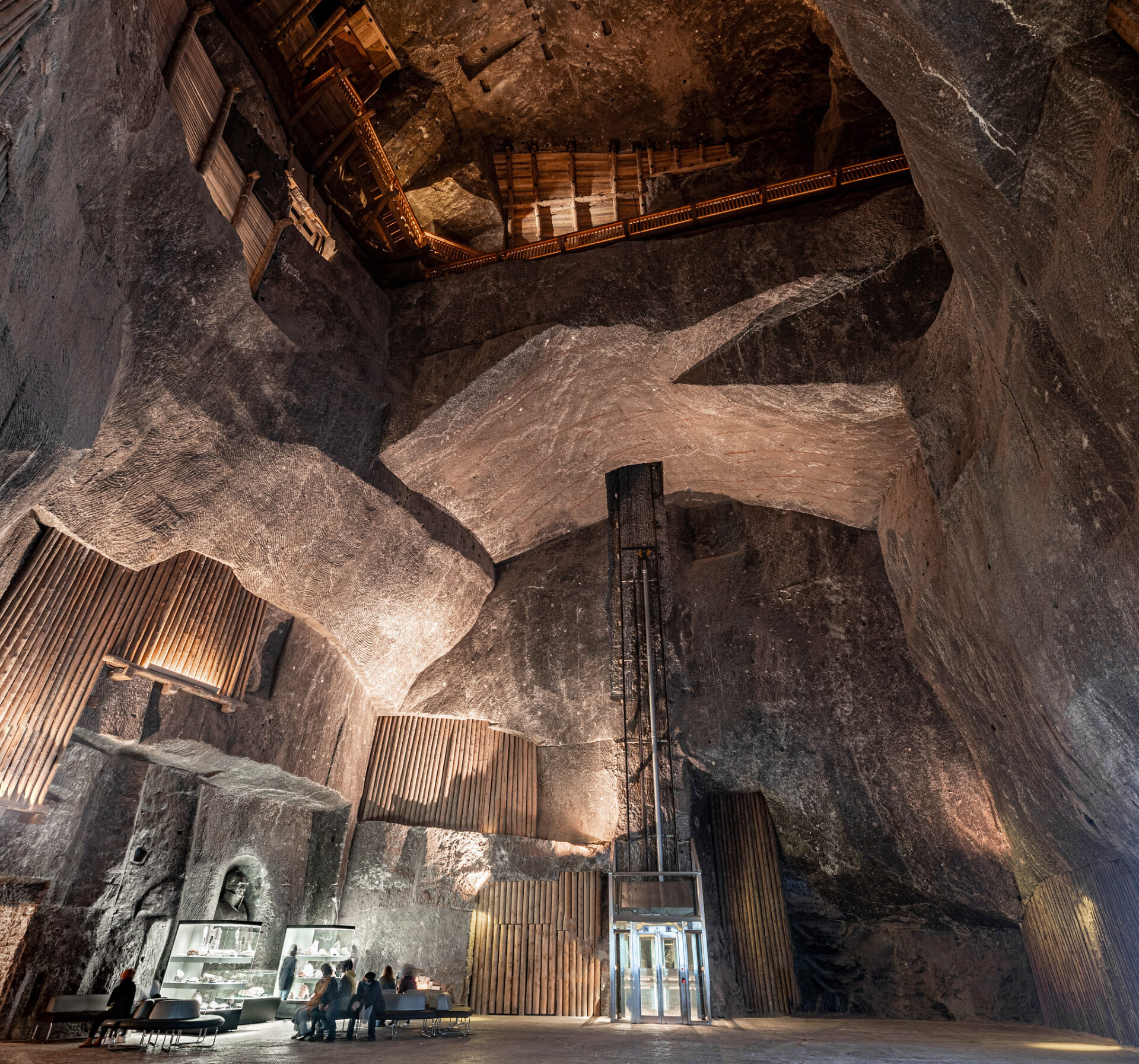
Well in the mine
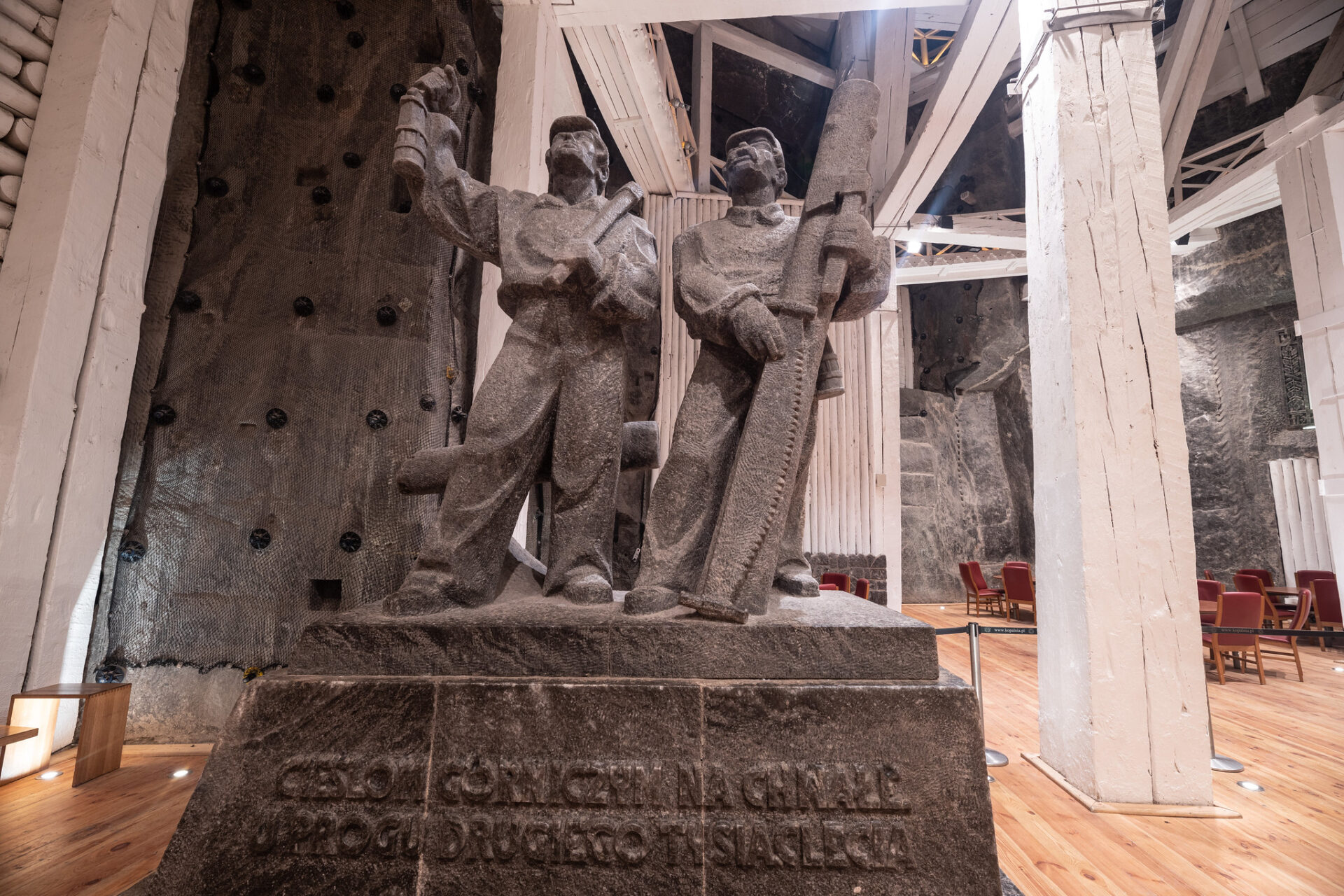
Sculpture representing miners
The legend of Saint Kinga
According to legend, Wieliczka owes the discovery of rock salt deposits to Saint Kinga, patron saint of white miners. The daughter of the King of Hungary is said to have lost her engagement ring in a Hungarian salt mine, which was miraculously found in the first lump of salt extracted in Wieliczka.
The evolution of extraction techniques
The rudimentary beginnings
Until the 15th century, extraction was entirely manual. Miners dug low corridors in search of exploitable salt, then diggers widened the galleries and extracted the salt blocks.
The introduction of horses and mechanization
In the 16th century, horses began to assist the miners, pulling salt in carts and operating new extraction machines. The mine gradually mechanized, becoming one of the largest enterprises in Europe.
The mine during World War II and the communist era
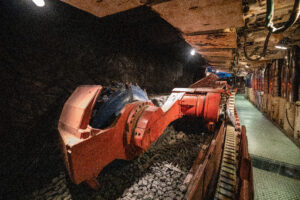
World War II did not cause major damage to the mines. Under the communist regime, the mine underwent complete mechanization and a significant increase in extraction, extending over 240 km of galleries on nine levels.
The closure of the mine and its tourist conversion
In 1996, rock salt extraction became too expensive and the mine closed. Since then, it has turned to tourism, offering visitors a unique experience in its underground galleries.
The underground wonders of Wieliczka
An impressive underground labyrinth
The mine spans nine levels, reaching a depth of 327 meters, with about 300 km of galleries and 3000 chambers for various uses.
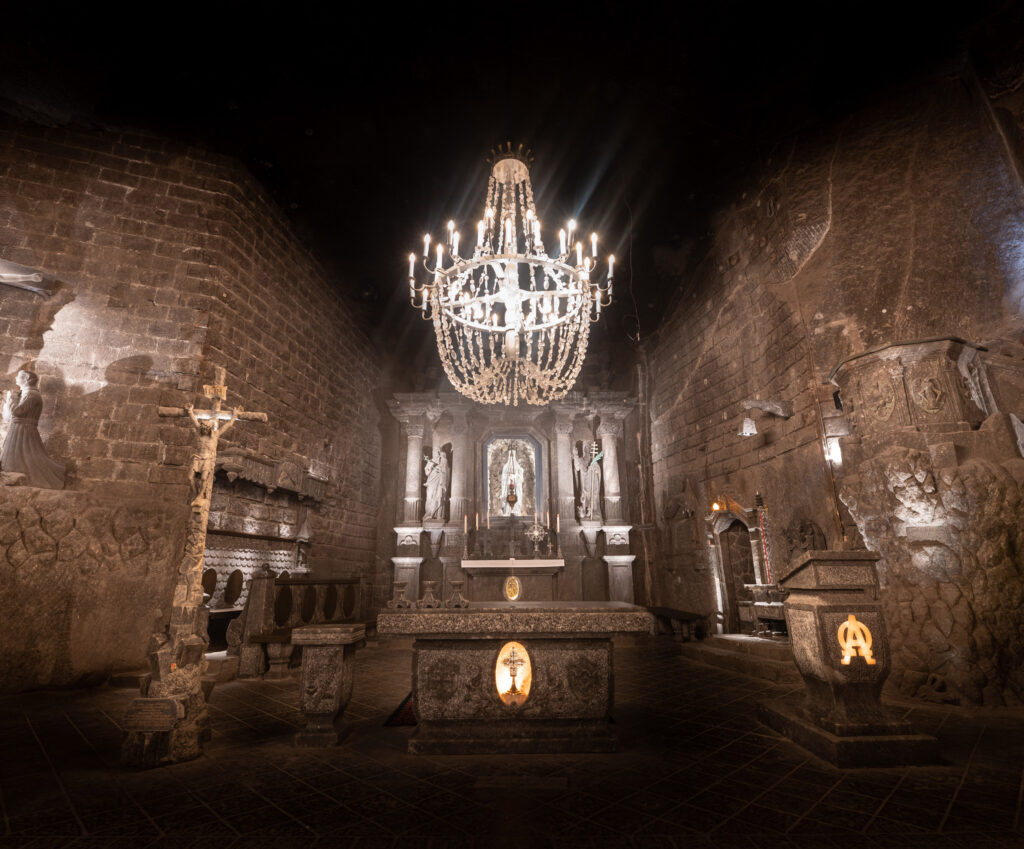
The great Chapel of Saint Kinga
Dug 101 meters underground, the Chapel of Saint Kinga is a masterpiece of salt sculpture, created by self-taught miners starting in 1896. In conclusion, the Wieliczka Salt Mine offers an exceptional testimony to the industrial and cultural history of Poland, transforming an extraction site into a living museum and a world-renowned tourist attraction.