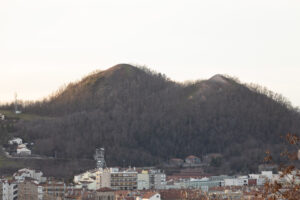
The origins of the Lorraine coal basin
The Saar-Lorraine coal deposit, initially discovered in Saarland, was mined on the French side starting in 1856 in Petite-Rosselle. The concession was held by Charles de Wendel and Georges Hainguerlot, from the powerful Wendel industrial family.
The development of the Wendel and Vuillemin pitheads
The first wells
The first wells, Wendel 1 and 2, were sunk in the 1860s, followed by the Vuillemin 1 well in 1867. These two sites, although neighboring, exploited distinct deposits separated by a geological fault.
Expansion and modernization
The Wendel 3 well was sunk in 1935, reaching an impressive depth of 902 meters in 1952. After the 1946 nationalization, the pitheads underwent a modernization phase, with major renovation work carried out on the Wendel 1 and 2 wells between 1950 and 1955.
Decline and closure
Mining at Vuillemin ended in 1962. Carreau Wendel ceased its main activity in 1986, but some infrastructure continued to be used until 1989 for the other wells of the concession still in service. The Wendel 1, 2, and 3 wells were closed in 1989, 1992, and 2001 respectively.
Transformation into a museum
Since 2006, Carreau Wendel has undergone a remarkable transformation, becoming a unique museum of its kind. It consists of three main parts:
- An exhibition on the life and work of the miner
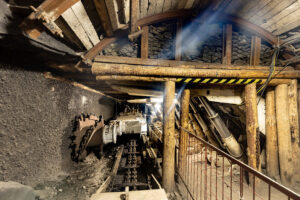
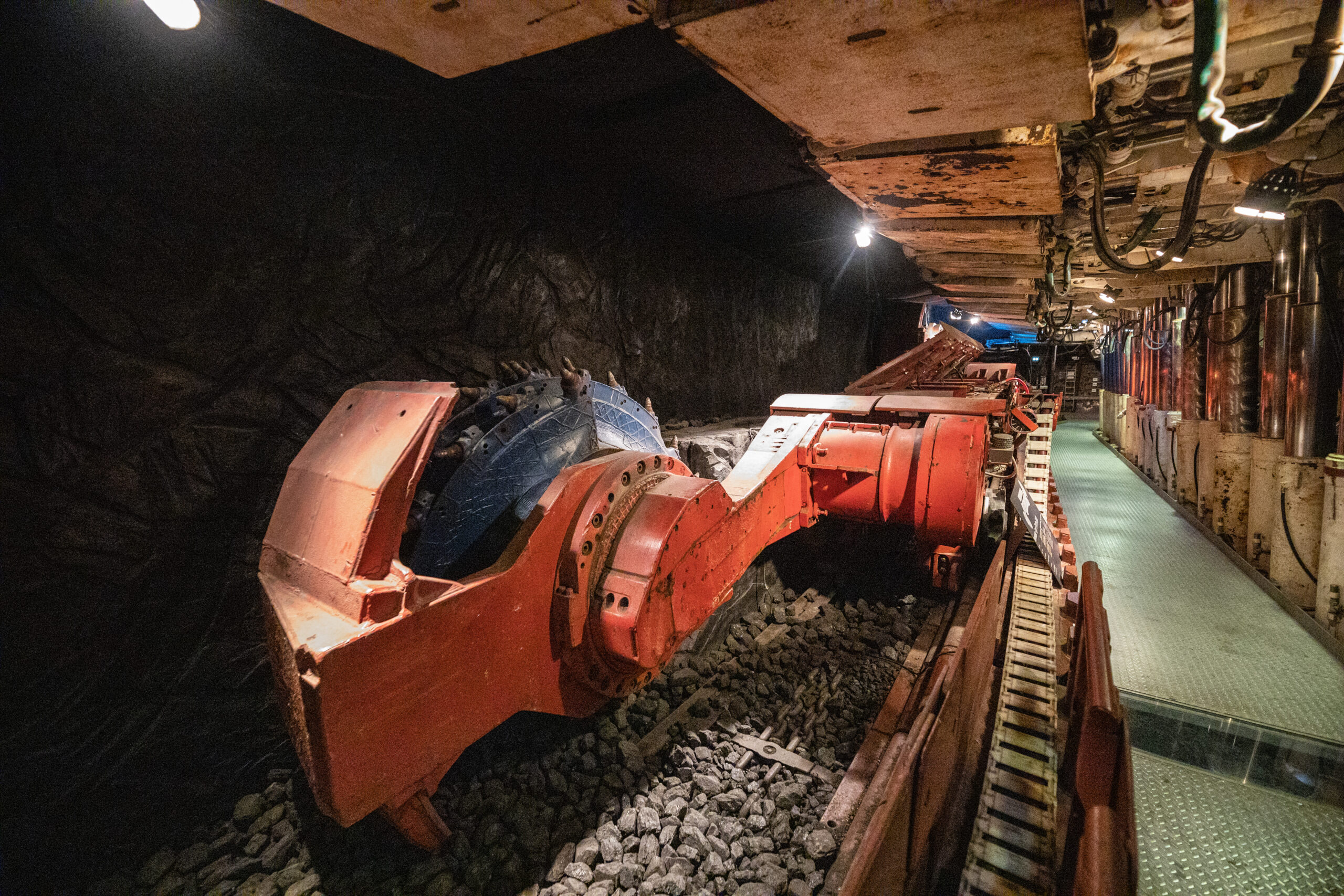
- A show mine on the former pithead, presenting the coal mining techniques used until the closure of the last French mine in 2004 (La Houve)
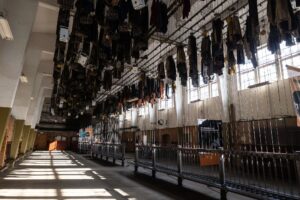
- The preservation of the old wells, machinery, washhouses, and sorting facilities