In the south of Luxembourg, at Rumelange, three former iron mines have been linked underground: Kirchberg, Walert and Langengrund. The National Iron Mining Museum has occupied their galleries since 4 May 1973.
Each mine corresponded to a concession, an exclusive right to work the ore within a fixed perimeter, granted by decree. The Kirchberg concession covered 51 hectares, the Walert one a little under 45. The ore extracted there was “minette”, the iron ore of the region.
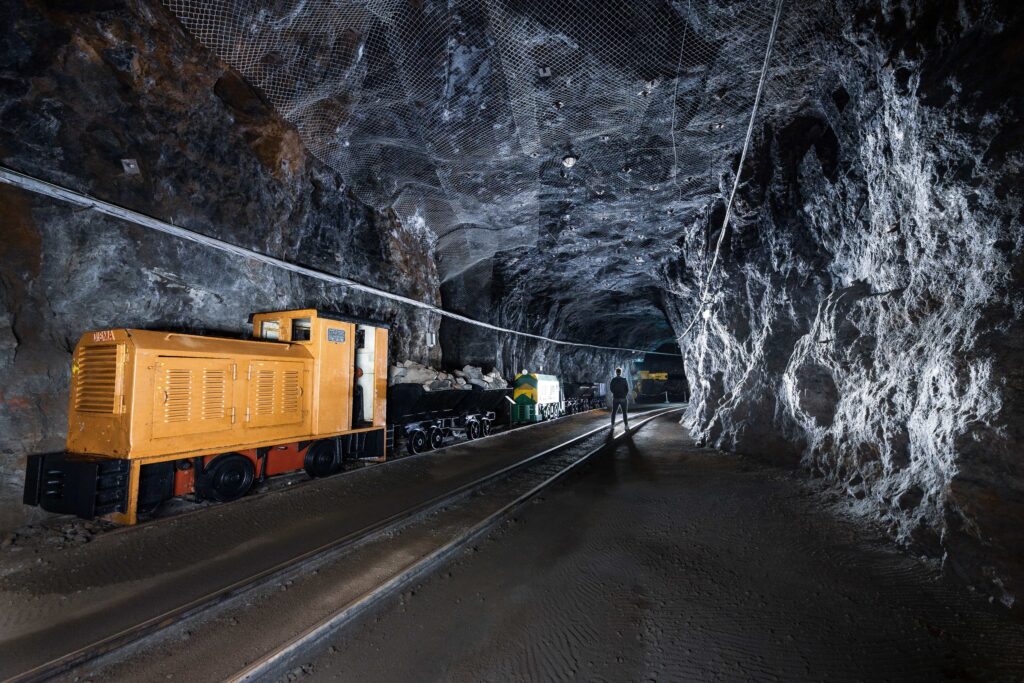
Ore for the blast furnaces
The Walert concession was granted in 1898 to the Société des Hauts Fourneaux de Rodange. The Kirchberg was worked on behalf of Cockerill. The ore went to the blast furnaces. There it was heated with coal to deoxidise it and obtain liquid pig iron, which was then refined in the steelworks.
At Walert, horses pulled the wagons to the workings until 1951. The mine still employed 57 people in 1957 and closed in January 1964.
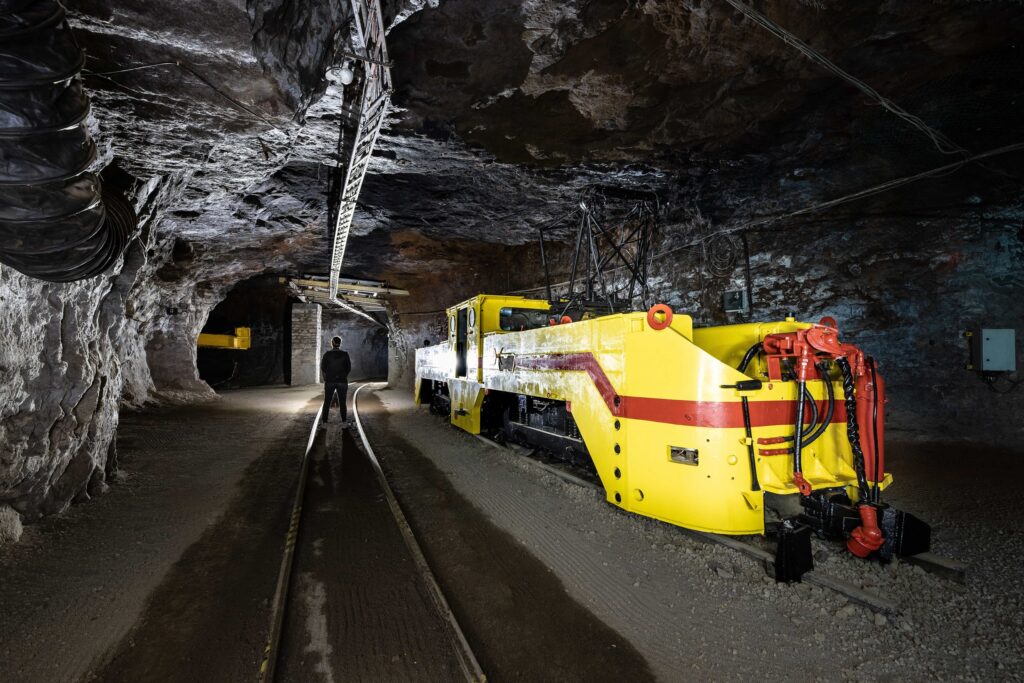
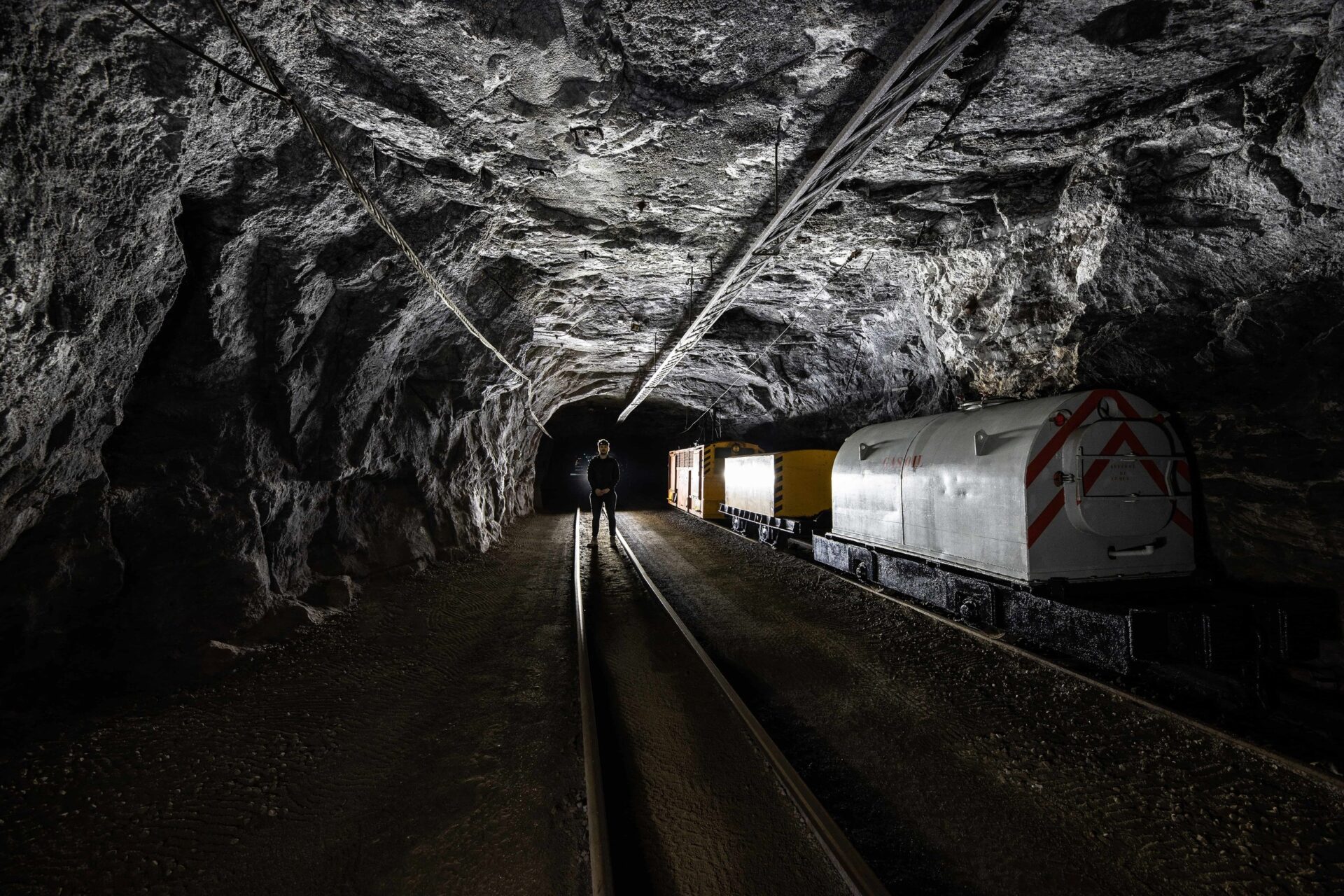
The mine train tour
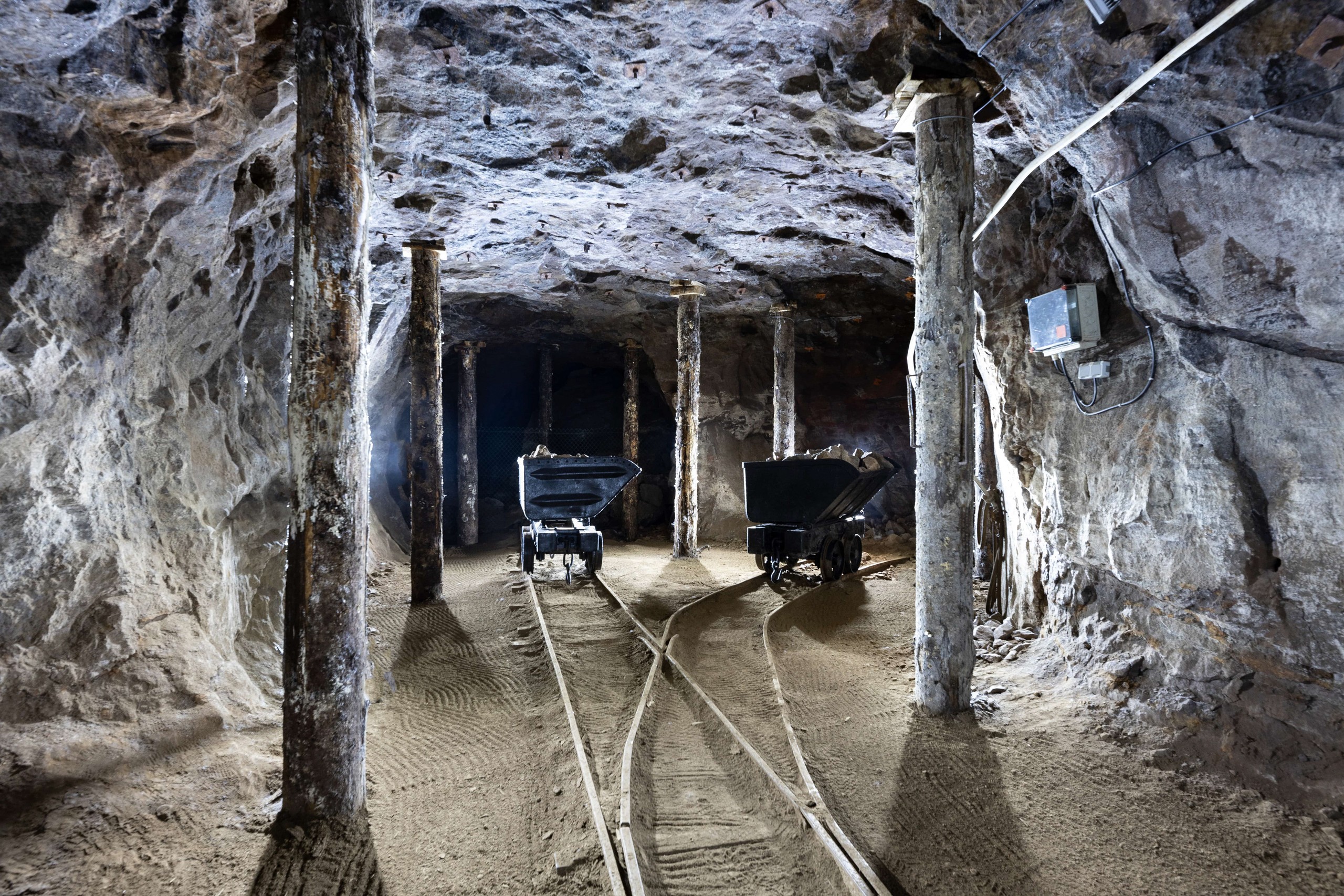
The tour begins aboard a mine train, for about twenty minutes, on a circuit laid out in the main galleries dug between the 1880s and the 1920s. It continues on foot through workings from the 1910s to the 1950s, more than 80 metres underground.
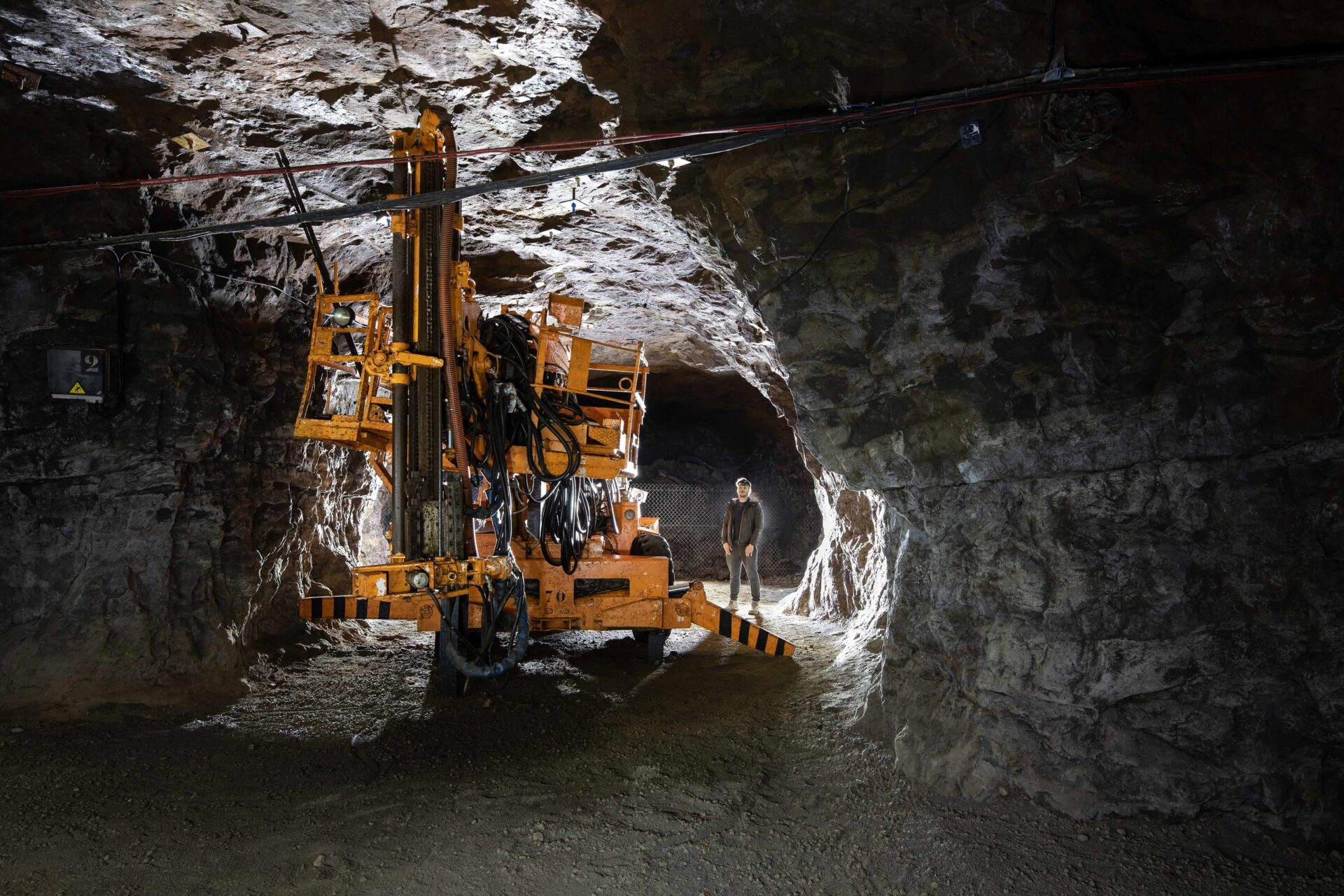
The machines and tools on display come from mines in Luxembourg and Lorraine. They cover the whole period of mining in the region, from its beginnings around 1870 to the closure of the last Lorraine mine in 1997. The miner drilled holes in the rock and placed explosives in them. The blasted ore was then loaded and carried to the blast furnaces.
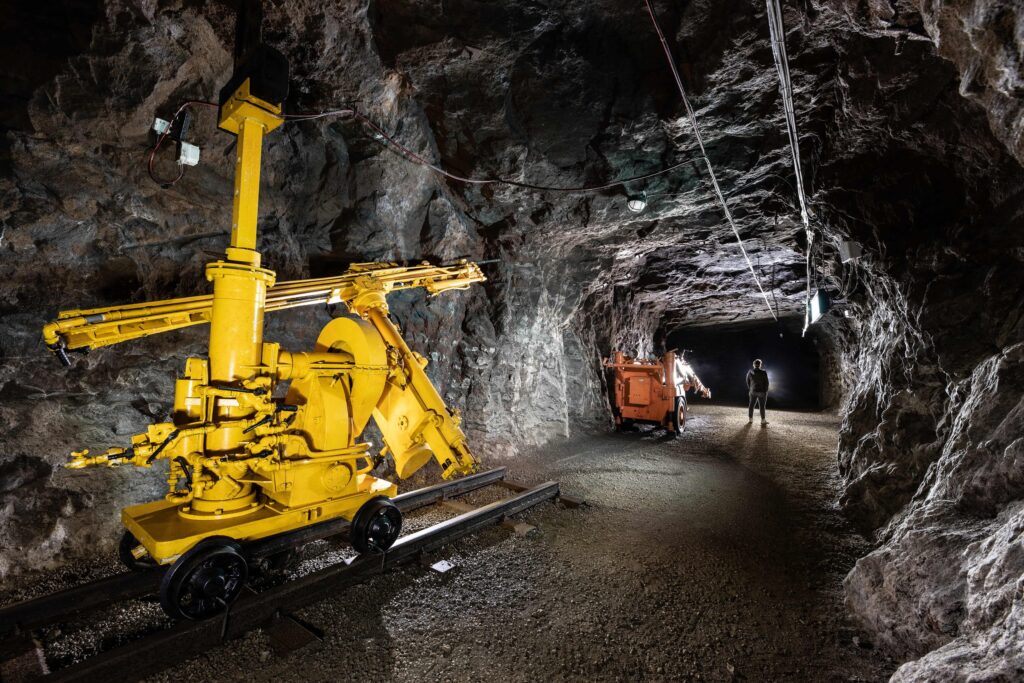
Working underground
The miner was paid by output, according to the weight of ore extracted. He bought his own tools and explosives, and his working days often exceeded twelve hours. Accidents were frequent: collapses, explosions, falling rocks.
At Kayl, the National Miners’ Monument bears 1,508 names of miners who died at work. The youngest was 13, the oldest 78.
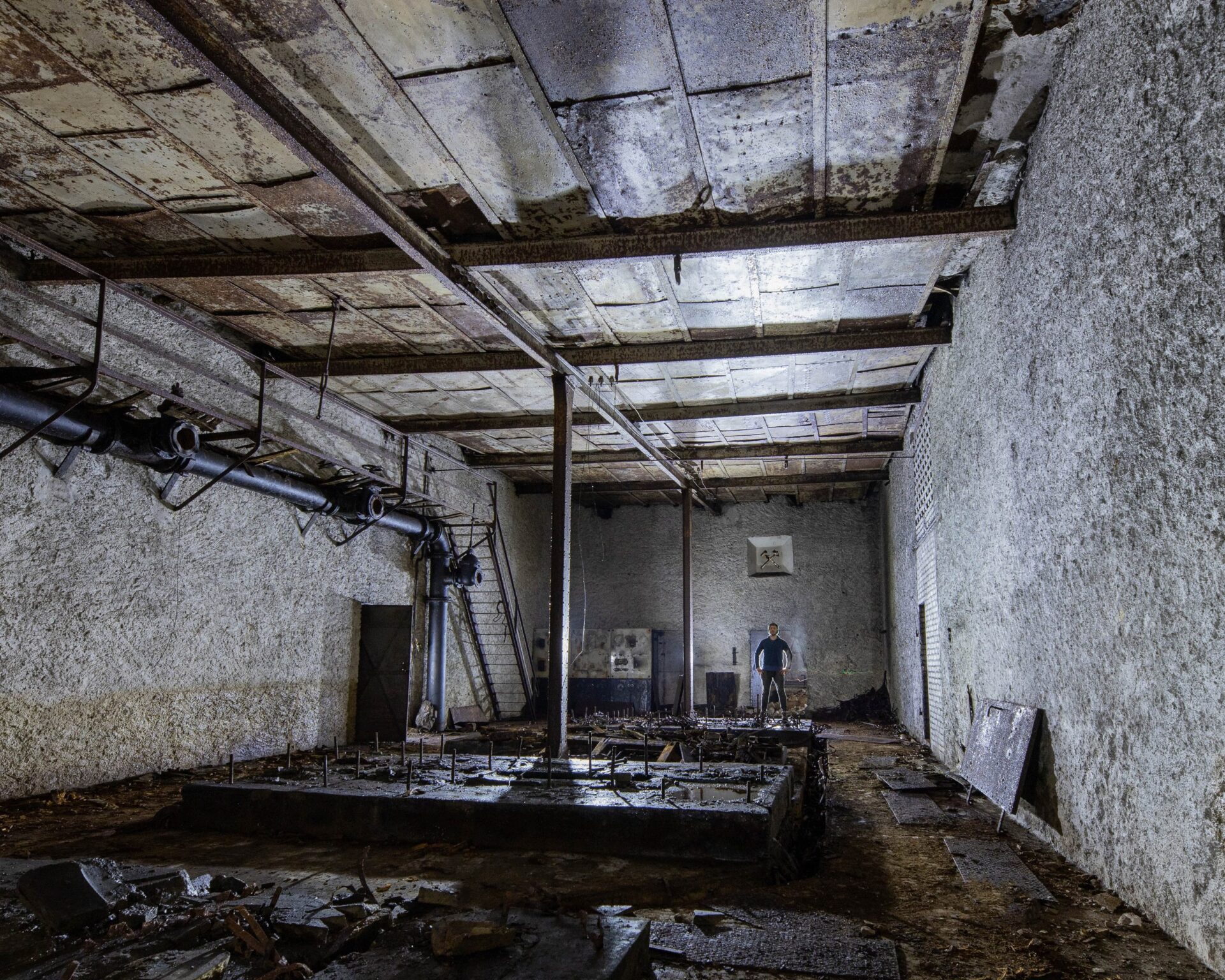
Off the usual route, the remains of several power stations and two powder magazines survive.
Other photographs of the museum
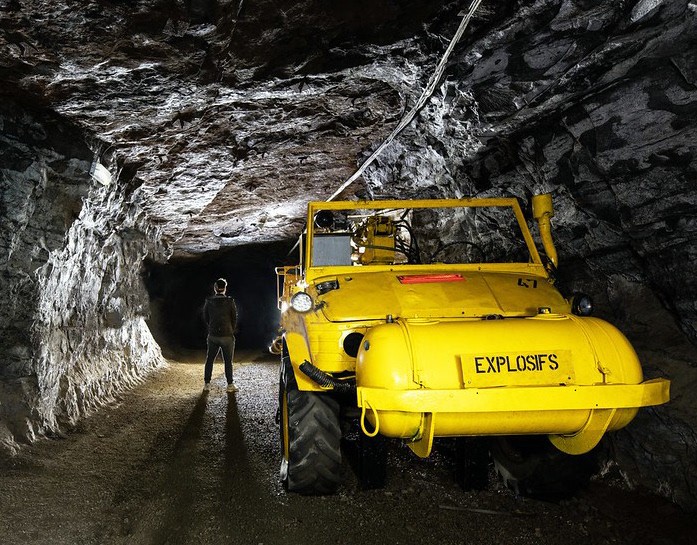
Explosives machine
Remains of an underground power station. Above the figure, the mining emblem
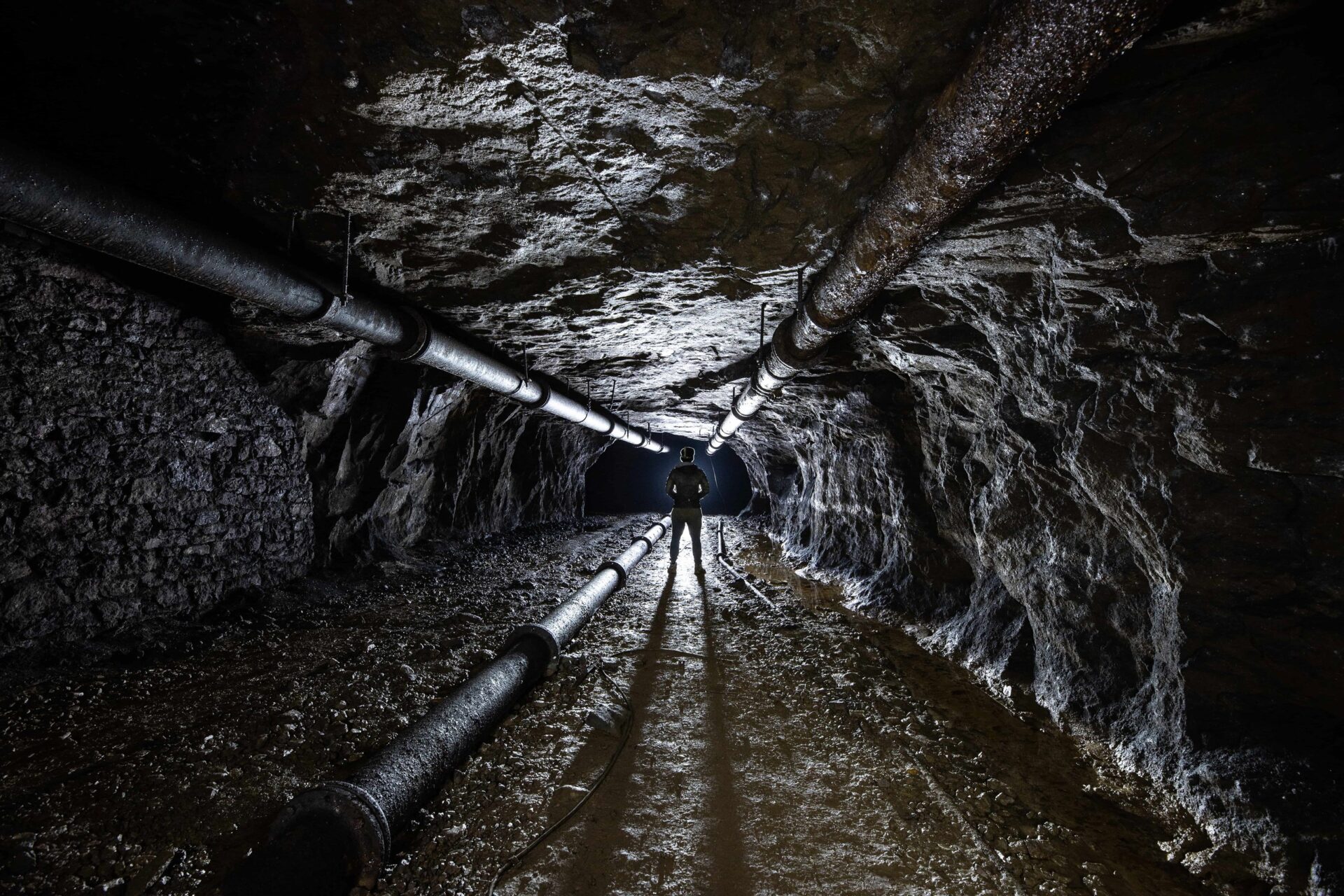
The gallery with pipes
Wagons stored on rails
Machine used to bolt the roof of the mine to support it
Sources: Le Quotidien, “Rumelange: un rendez-vous avec l’histoire” (2016); rail.lu, Walert and Kirchberg mines; Musée national des mines; Minett Park, “Du fond de la mine aux droits d’aujourd’hui”; University of Luxembourg, Mininghistory
These photographs are part of the underground heritage photography collection.