Headframes
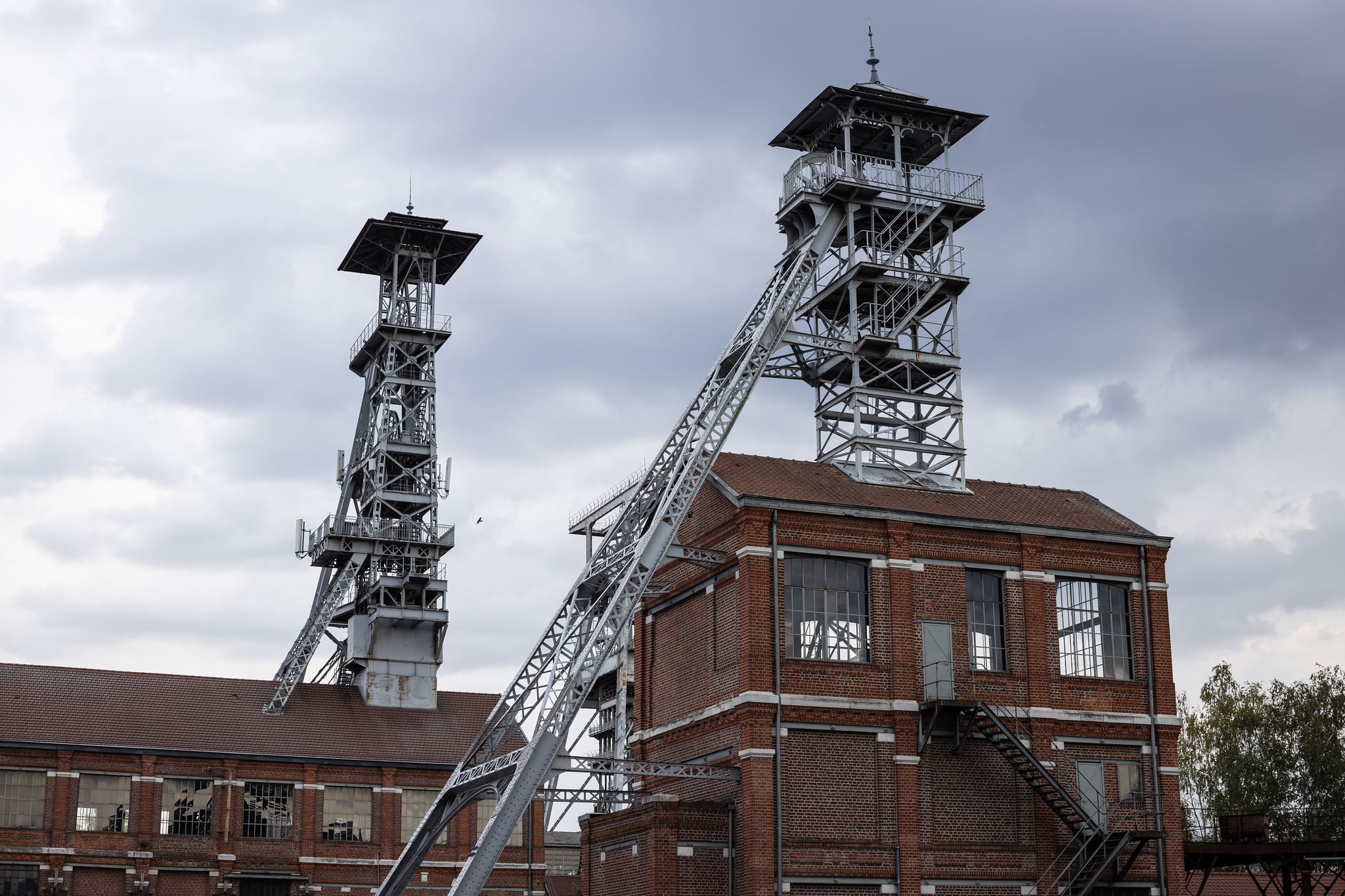
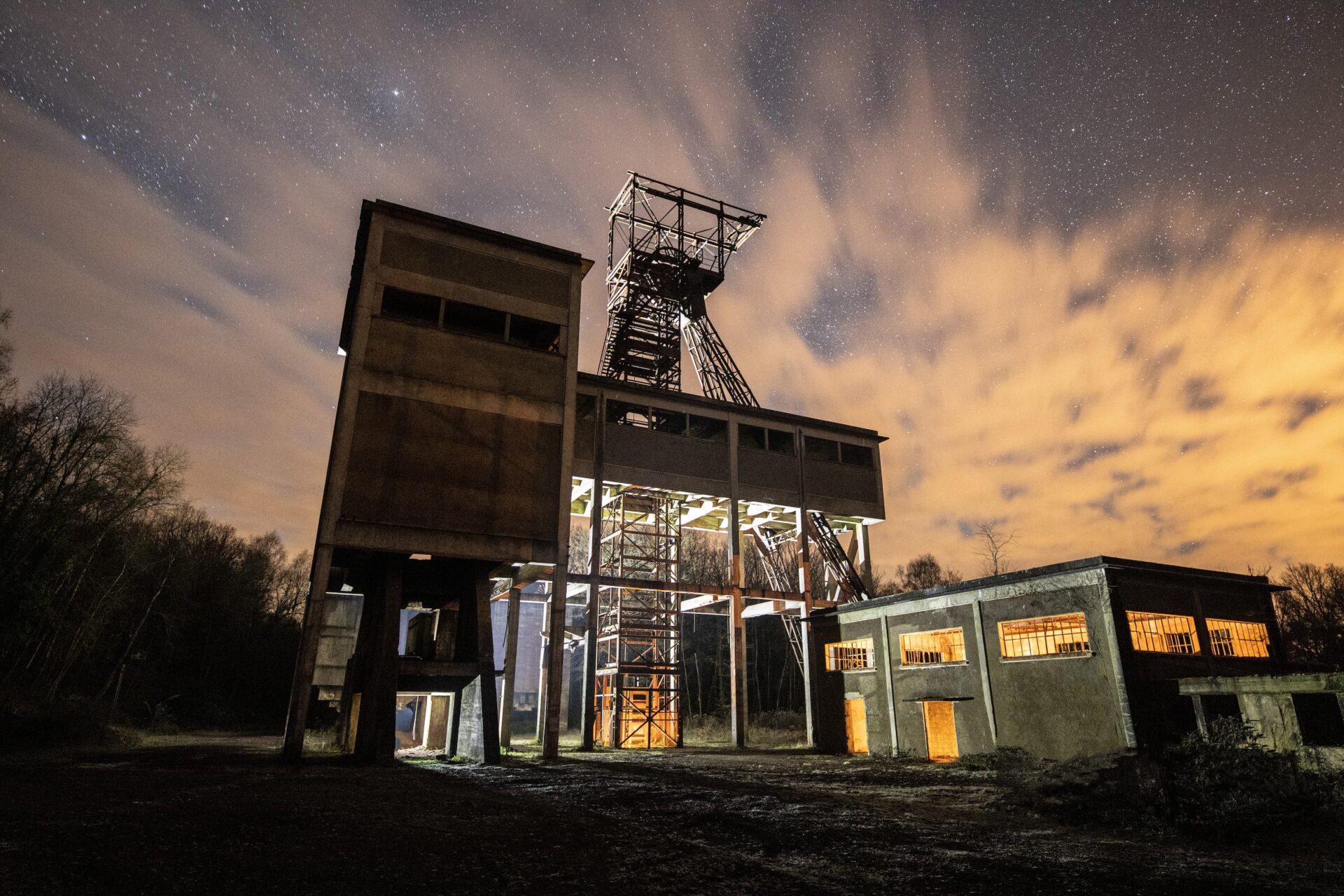
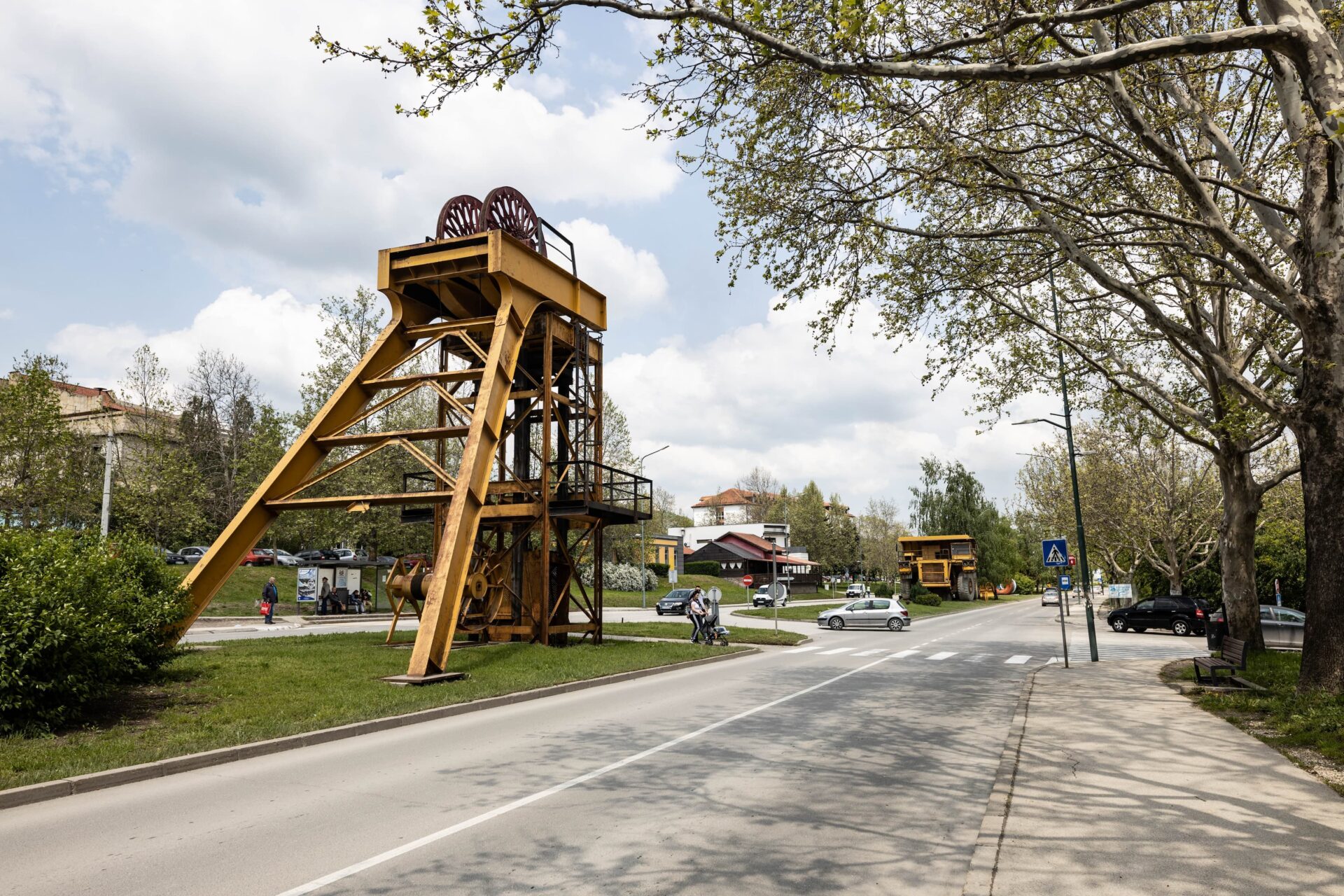
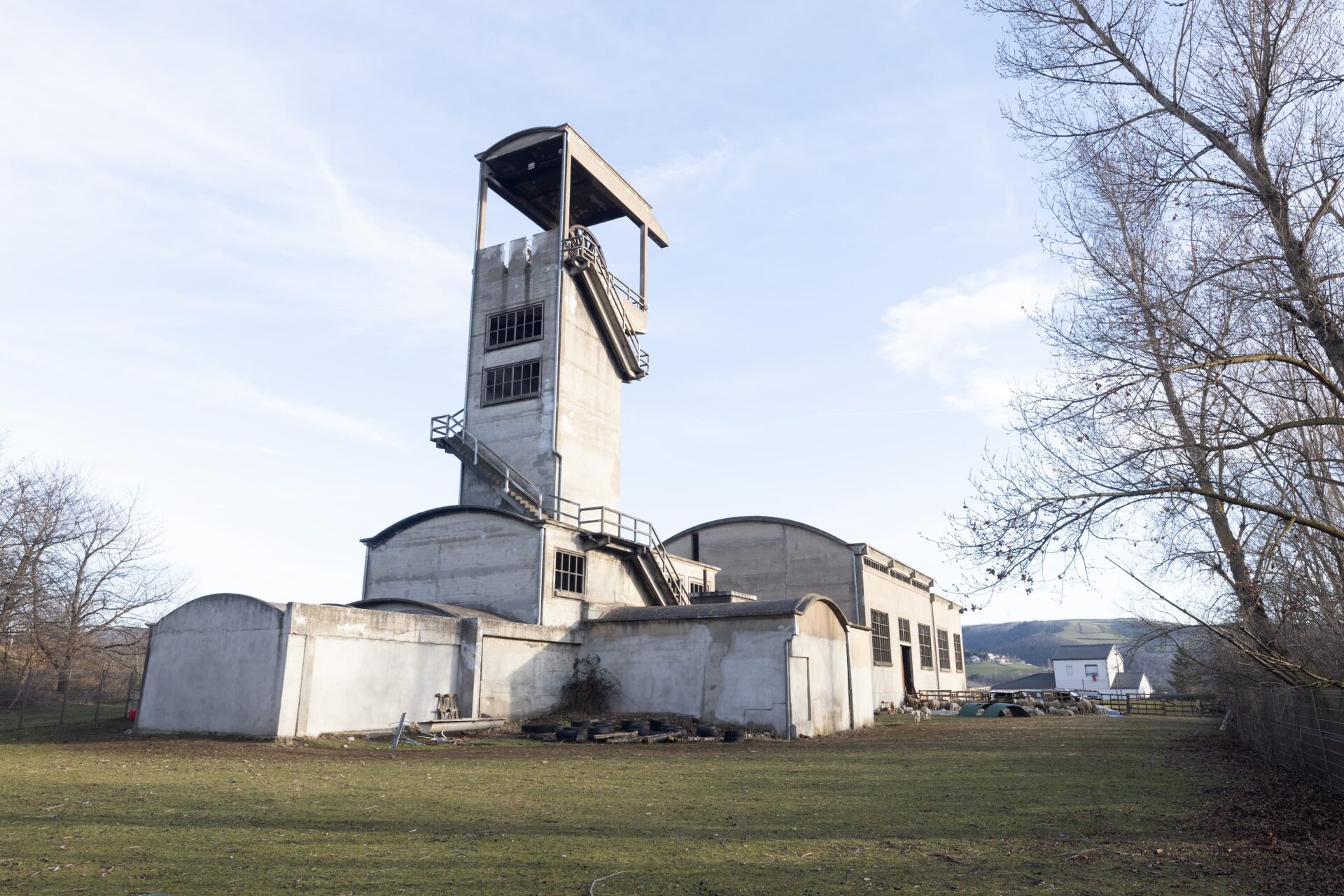
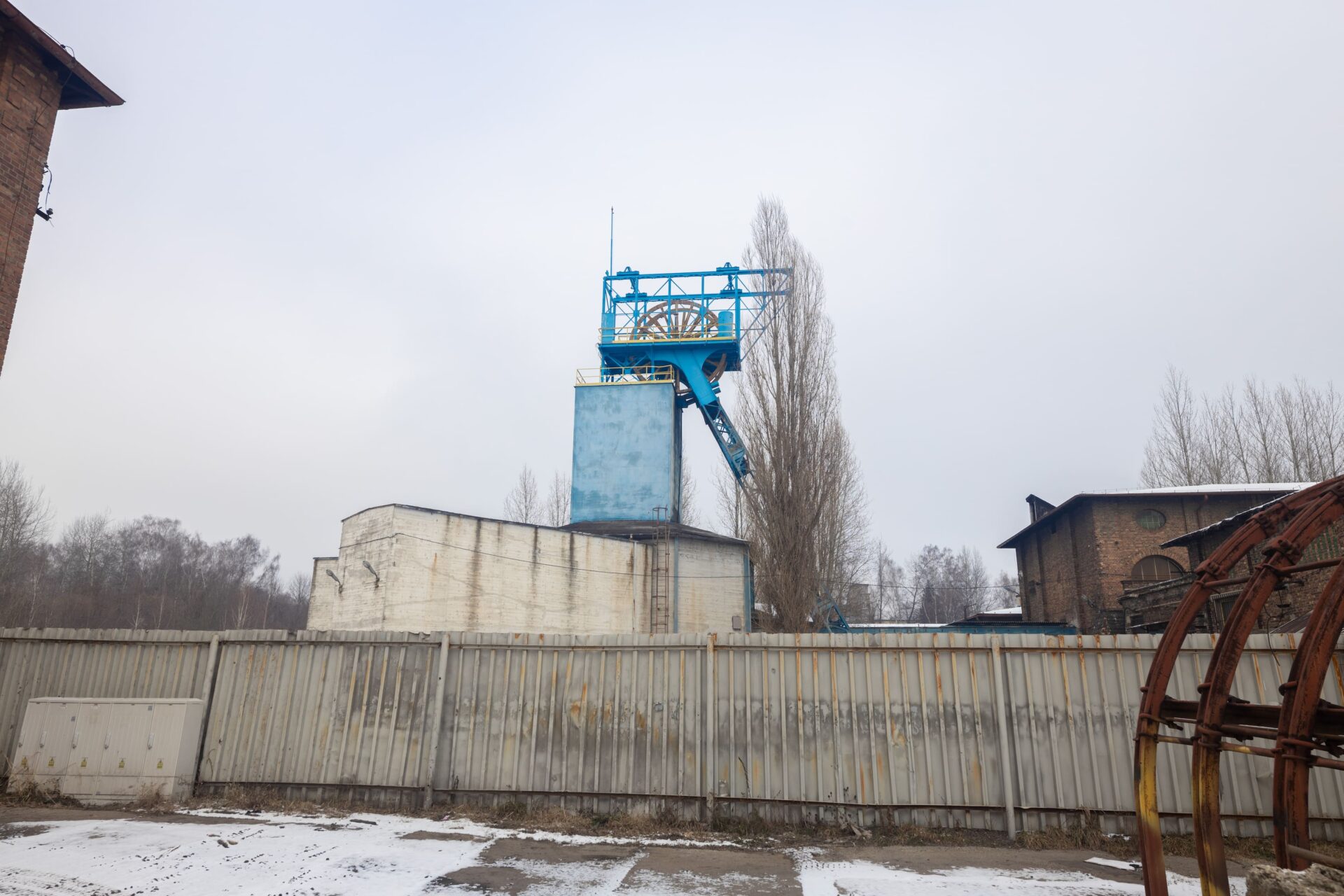
Mine headframes are emblematic structures of the mining industry, used to house and support elevators or cages that descend into underground mines to transport miners, equipment, and materials. They also allow air passage between the surface and the underground levels of the mine. This natural ventilation is essential to provide fresh air to miners and to evacuate dangerous gases such as carbon monoxide and methane. This is why two close wells are always found in order to create the airflow.

chevalement-toil_50876633198_o
dcoration-ville-de-bor_52916079862_o
Dul Jeremenko

Combes well
Mini headframe
Slate quarries park small and large pithead
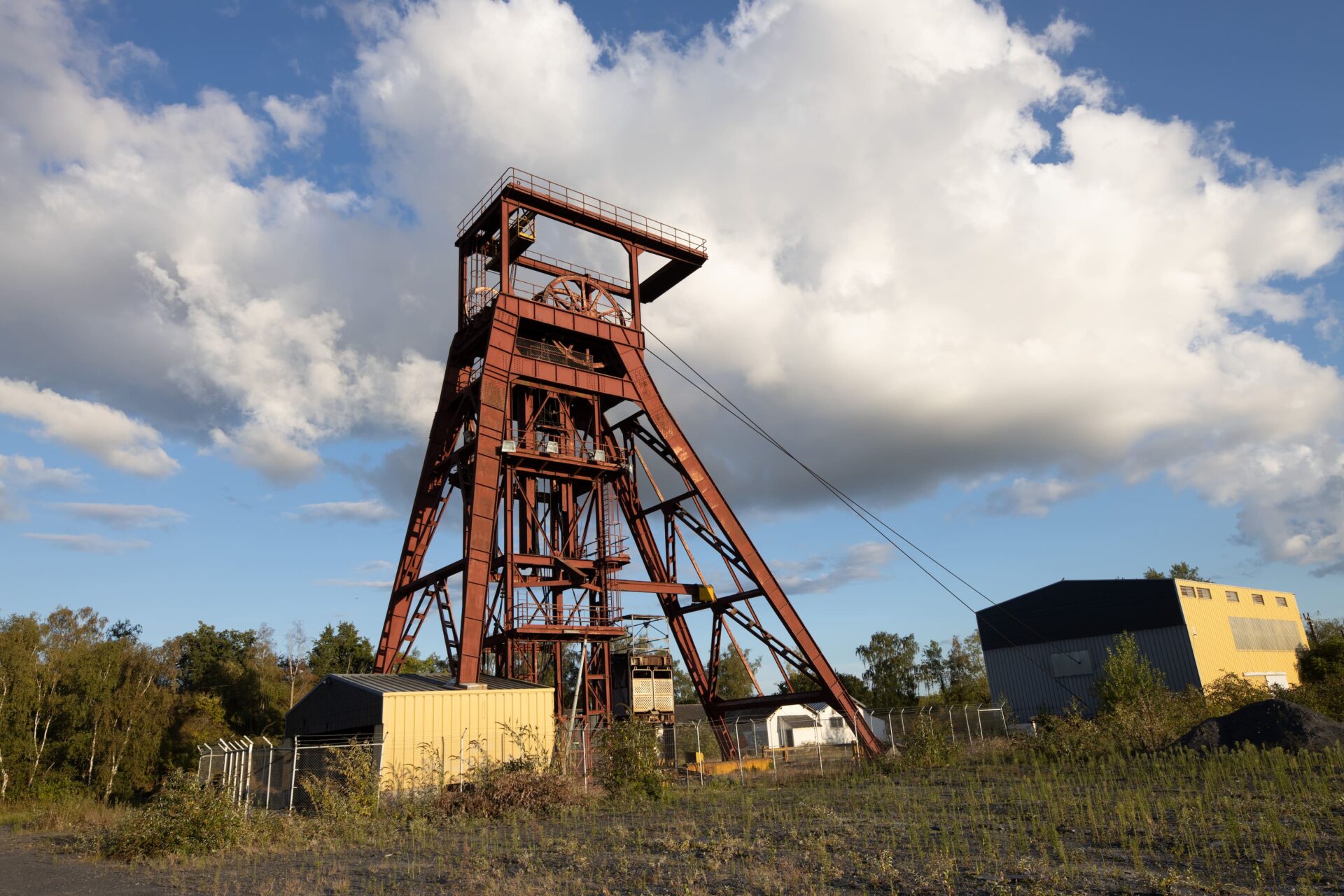
Mine headframes also have important cultural significance, often symbolizing the history and heritage of the mining industry in a given region. They can be seen as symbols of the workforce, human ingenuity, and the resilience of mining communities.
Extraction machinery
Headframes are designed to support the pulleys and cables used in the hoisting system for loads and people into and out of underground mines.
The hanging room and miners’ showers
The hanging room is a place where miners change upon arriving at work and prepare before going down into the mine. They store their work clothes there, equip themselves with their safety gear, and prepare for work. At the end of the workday, miners are entitled to a very hot shower to clean their bodies blackened by coal dust. Their clothes are suspended in order to dry them.
The corons
Corons are worker housing estates specifically built to accommodate miners and their families in mining regions. This term is mainly associated with the mining regions of northern France and Belgium, where coal mining was a major economic activity for many years.
Corons were generally built in a similar architectural style, with brick or stone houses, often terraced and arranged in rows along narrow streets. These houses were small and modest, with specific features adapted to the needs of miners and their families.
There was a strong sense of solidarity and community within these neighborhoods.
In memory of the mine…
In mining towns, many statues can be found paying tribute to miners, as well as to the disasters they endured.
In mining towns, many memorials were erected to honor miners who died, particularly during mining disasters. In some towns, street art is used to bear witness to the town’s history. Murals and graffiti can depict scenes of mining life, portraits of miners, or political messages related to the mining industry.