The Fort de Vaise overlooks the Gorge de Loup district, in the 9th arrondissement of Lyon. From its heights, facing Fourvière, it was meant to watch for invasions from the north, those of the Austrians in particular.
It was built in the aftermath of the 1830 revolution, under the direction of maréchal de camp Hubert Rohault de Fleury, senior commander of the defence works of Lyon. Built between 1834 and 1848, it belongs to the city’s first ring of forts: it extends Fort Saint-Jean and supports Fort de Loyasse, with which it communicated through underground passages.
The fort was never used, apart from training. Artillery advanced faster than the construction work, and by the time it was completed the planned armament was already outdated.
The firing positions
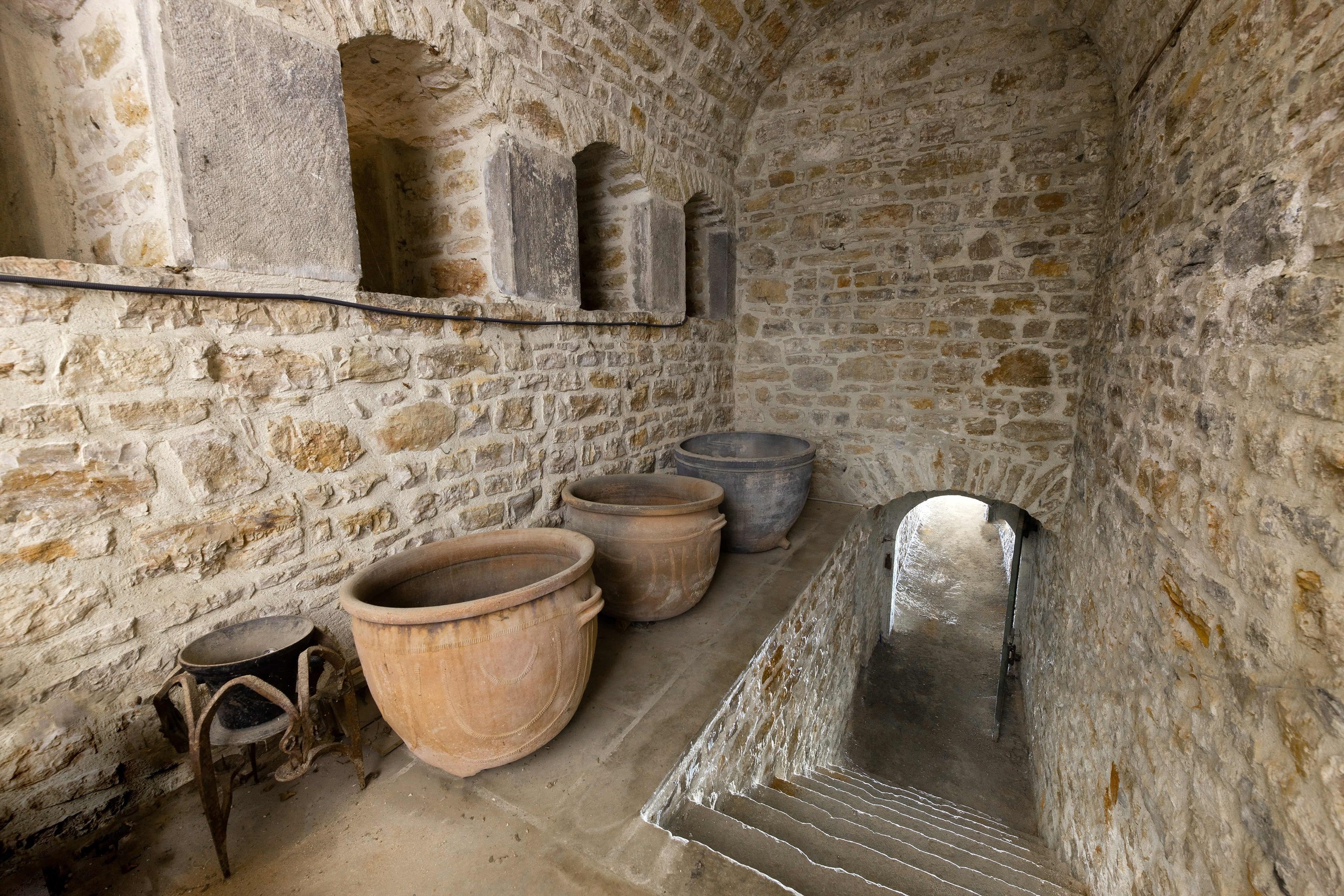
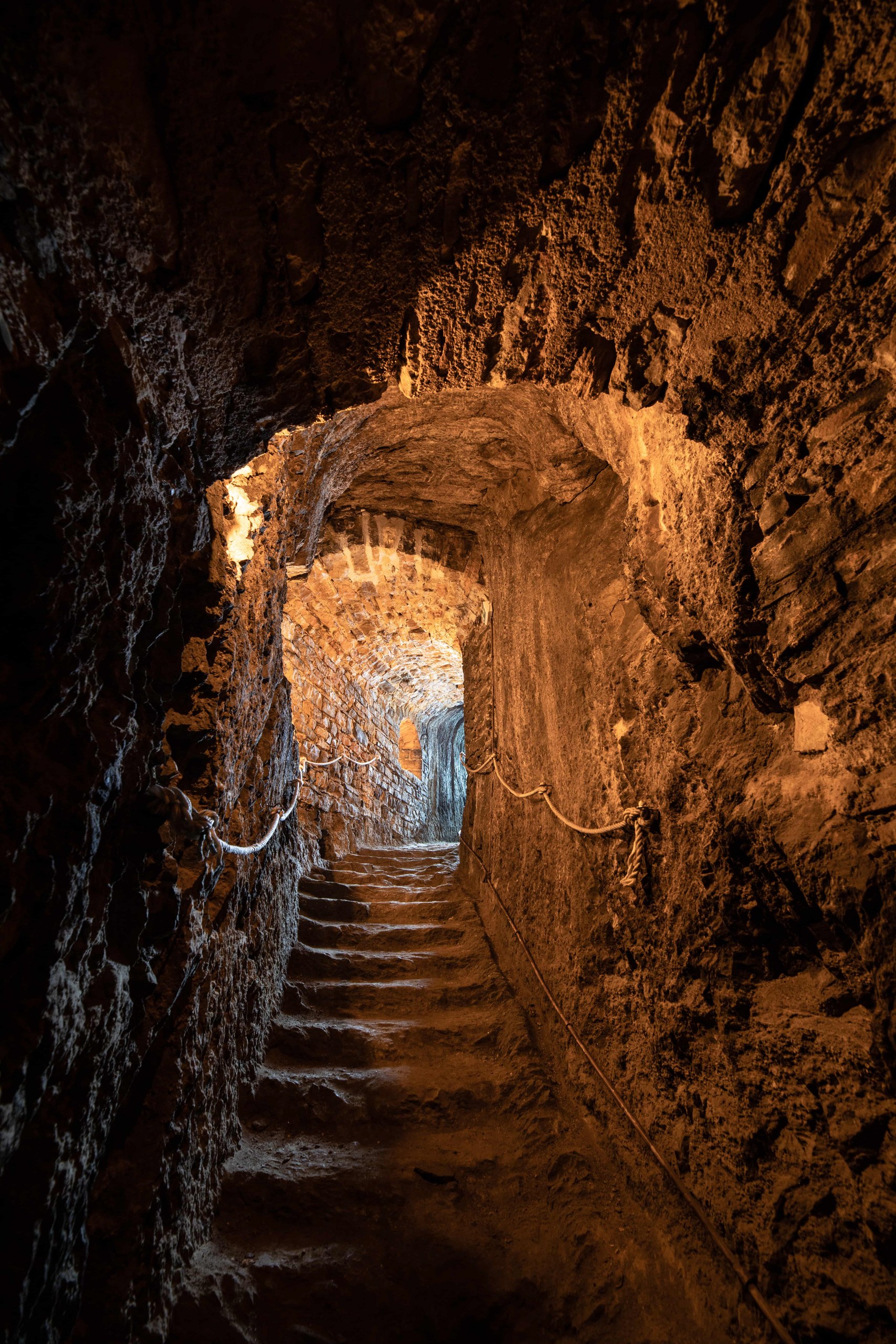
The panorama shows three walled-up recesses: former artillery firing positions, once semi-buried. On the other side of the room, a staircase leads to the upper level, into an identical room fitted with further firing positions. Several loopholes flank the staircase that goes down to the underground passages.
Like most of Lyon’s forts, it is built mainly of stone from Couzon, Villebois or Saint-Cyr.
The musketry gallery
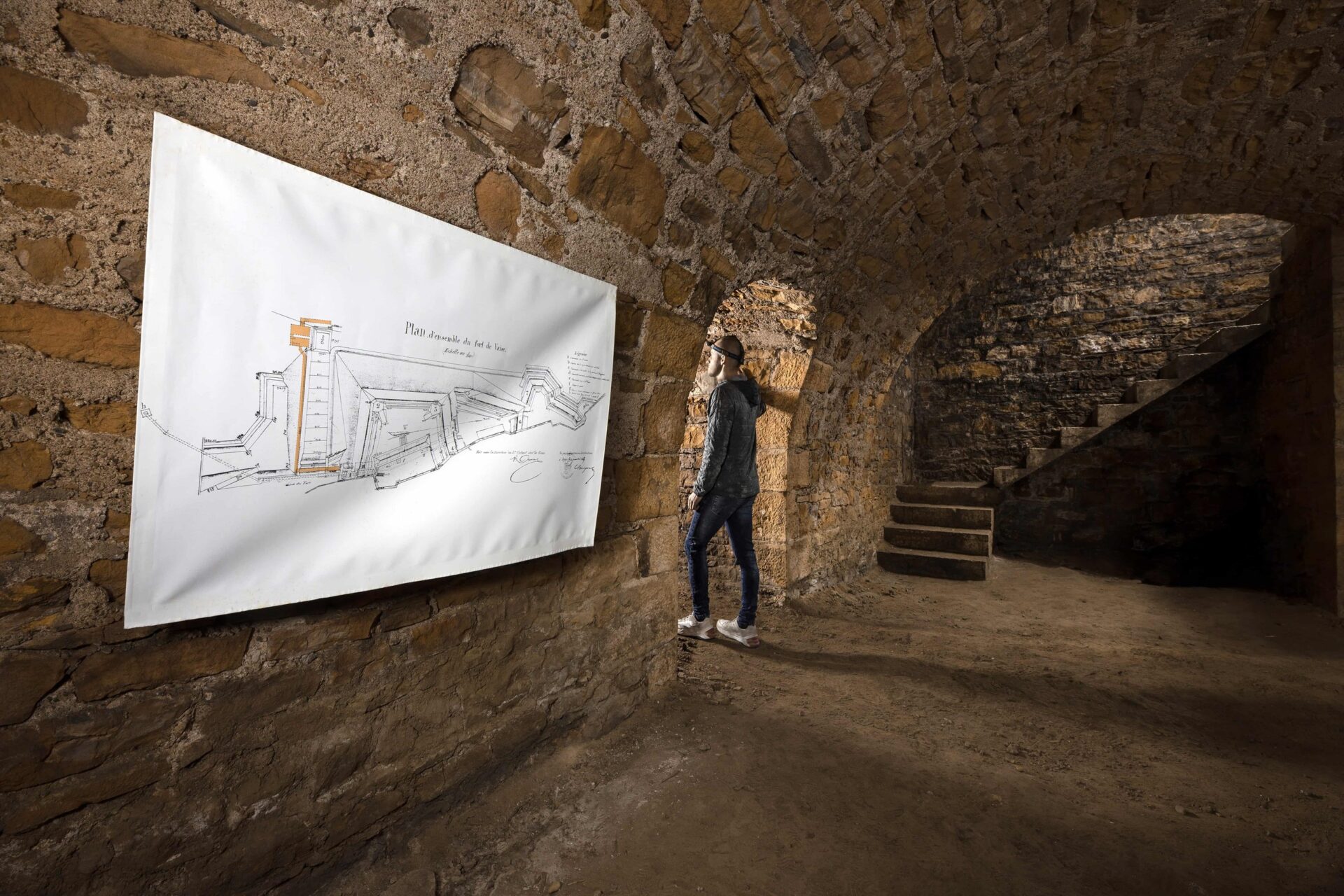
A musketry gallery, pierced with some fifteen loopholes, formed a trap for any attackers. In the 20th century, urban development works led to the filling in of the ditch that surrounded the fort. The loopholes that opened onto the outside were blocked up, and the gallery, once semi-buried, became a fully underground passage.
Bought by the city in 1927 and then abandoned in 1965, the fort was narrowly saved in 1970 by the Renaud brothers; since 1994 it has housed the headquarters of the Fondation Renaud. Its underground passages were cleared in 2006 by the association OCRA-Lyon, Organisation pour la connaissance et la restauration d’au-dessous-terre, which made this tour possible.
The Fort de Vaise underground passages in pictures
The Fort de Vaise underground passages, photo 1 of 4

The Fort de Vaise underground passages, photo 2 of 4
The Fort de Vaise underground passages, photo 3 of 4
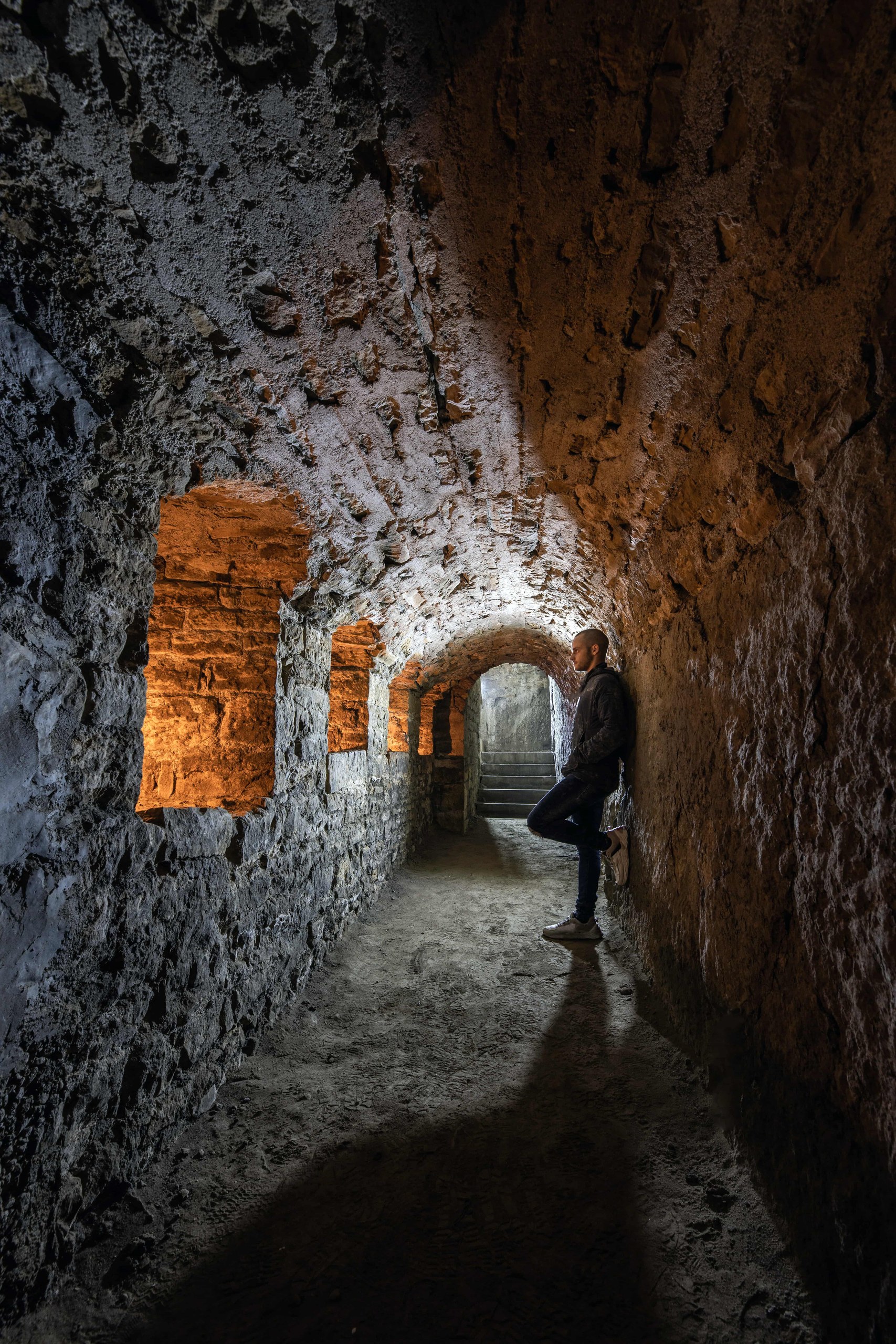
The Fort de Vaise underground passages, photo 4 of 4
Sources: OCRA-Lyon; Fondation Renaud
This tour is part of the catalogue of virtual tours of underground heritage.