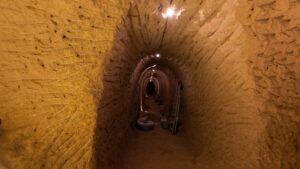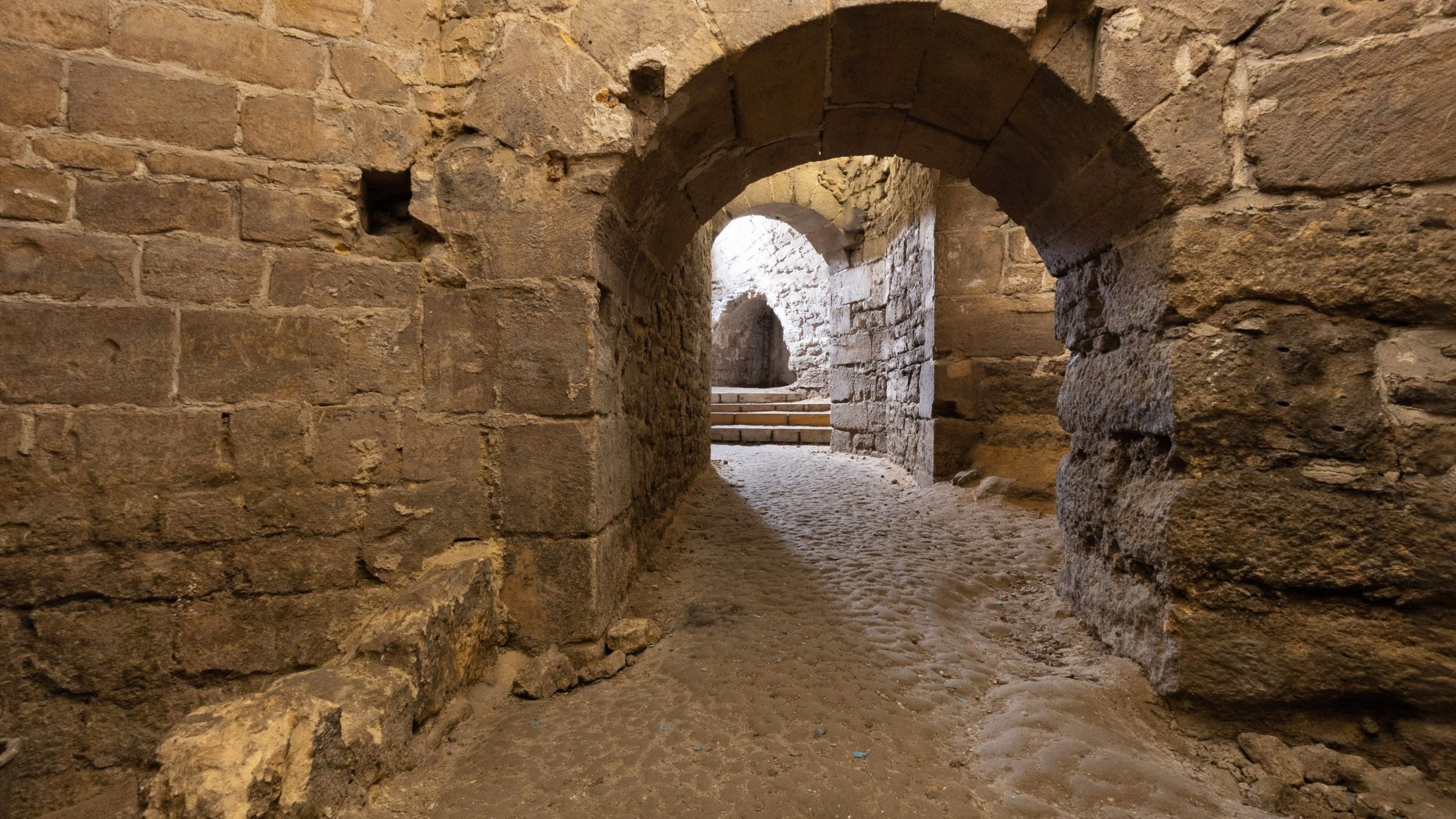
Beneath Pontoise, stone was extracted first. The limestone of Mont Bélien was used to build the town, and the quarries opened beneath its houses date back to the 12th and 13th centuries. Many were turned into cellars as early as the Middle Ages. Across a fifth of the municipality’s area, 900 cavities have been recorded, sometimes spread over three levels, as in the Pihan de la Forest cellar.
From storerooms to shelters
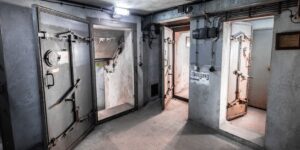
In the Middle Ages, merchants stored wine and grain there, and some cellars were given architectural decoration, ribbed vaults and capitals. They served as refuges during sieges, then as shelters from air raids during the Second World War. From the 17th century onwards, others became rubbish dumps or cesspits: excavations there have yielded ceramics from the 14th and 15th centuries, pipes and dice. Only one troglodyte house is still inhabited, on Rue Adrien-Le-Moine.
Clearing the cellars
From 1988 to 1998, the Clan spéléo pontoisien and some 300 volunteers cleared the cellars: 1,800 tonnes of backfill, removed by hand and then sieved. The Moineaux cellar was excavated from 1991 to 1994. This work pays tribute to Édouard-Alfred Martel, founder of modern speleology, born in Pontoise on 1st July 1859.
The underground passages have been open to the public since 1999, and the Cergy-Pontoise tourist office offers tours of part of them.
Sources: town of Pontoise; 13 comme une, 2021; Le Parisien, 2 August 2022
This tour is part of the catalogue of virtual tours of underground heritage.