The Maginot Line
The Maginot Line, an emblematic monument of French military engineering, remains etched in history as an ambitious response to the challenges of modern warfare. Through its imposing fortifications, it embodies the will to protect France against any external aggression. As André Maginot himself said: ‘It is less expensive to build a fortification than to repair the damage of an attack.’
The Maginot Line
The Maginot Line, named after Minister of War André Maginot, was designed during the interwar period in response to the bitter lessons of the First World War. Its development began in the 1920s, marked by a climate of mistrust towards Germany and the desire to prevent another invasion on French soil. Construction began in 1929 and extended over several years, stretching along France’s eastern borders, from the Swiss border through Italy to the Belgian border, encompassing a series of fortifications, casemates, bunkers, and underground defense networks.
When the Second World War broke out in 1939, the Maginot Line symbolized the pride of French defense, but it was also criticized for its static strategy. The Germans effectively bypassed the line by invading Belgium and crossing the Ardennes, a region deemed impassable for an offensive. This daring maneuver, coupled with the use of blitzkrieg, highlighted the limits of the Maginot Line strategy, and German forces managed to penetrate deep into France.
Despite being bypassed during the Second World War, the Maginot Line remains an important symbol of French military history. Although tactically outdated, it embodies the colossal effort deployed to protect the national territory and bears witness to the technical ingenuity of its time. Today, it remains a major tourist site, recalling the strategic challenges and lessons learned from its eventful history.
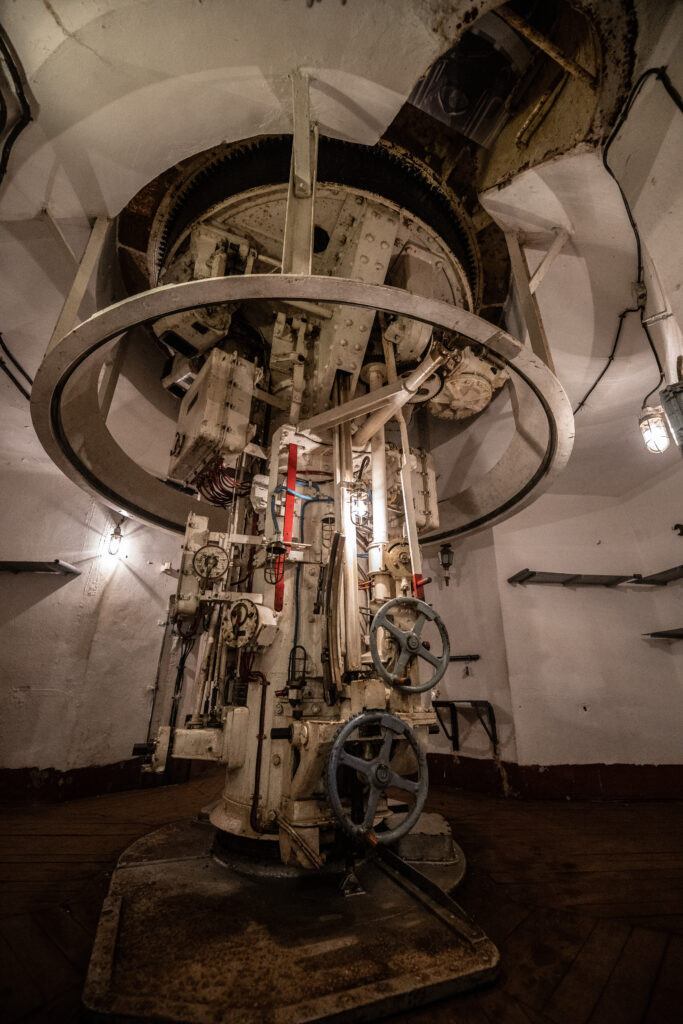

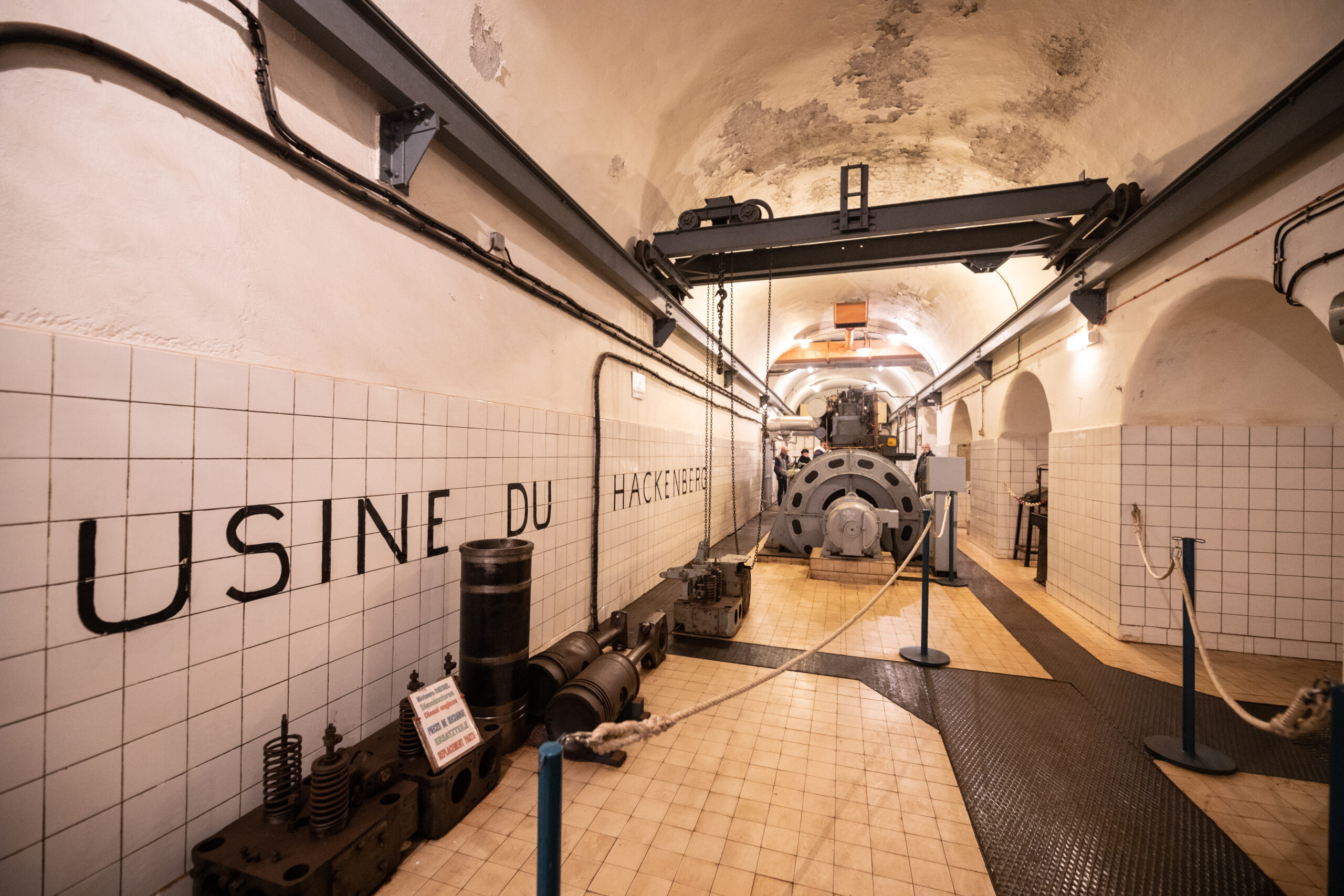
440V three-phase generator set

Maginot Line elevator
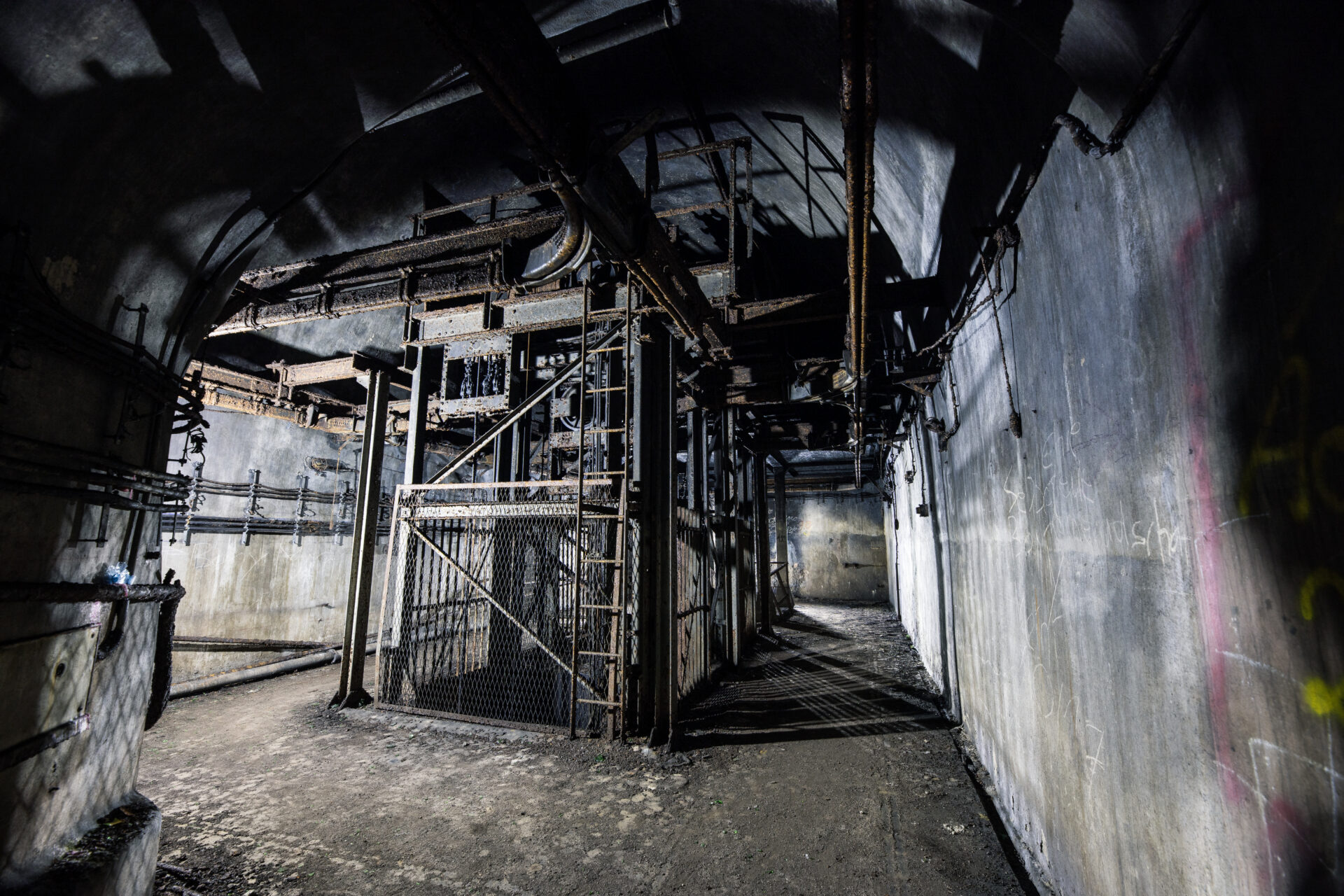
Artillery turret block
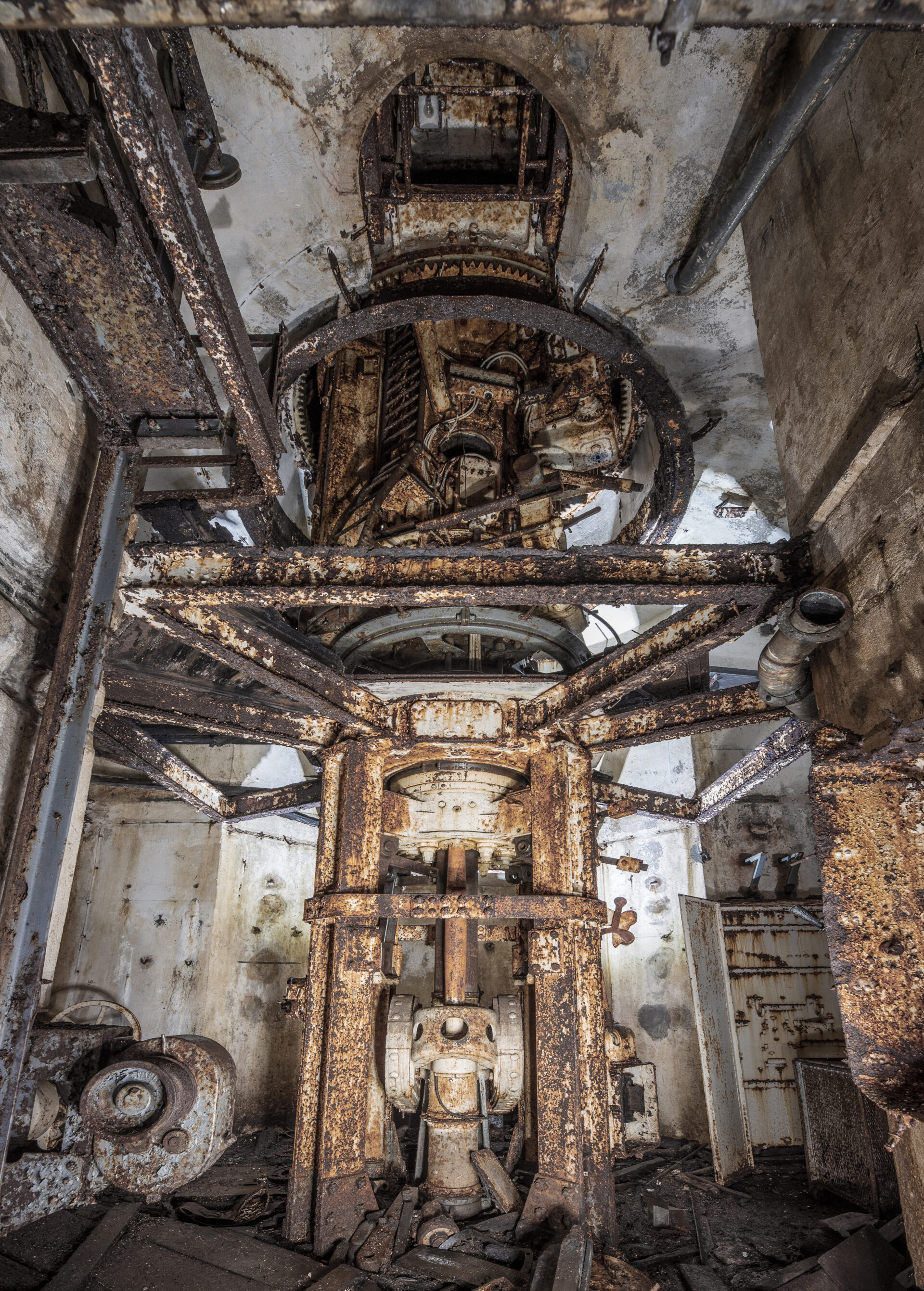
Infantry turret block
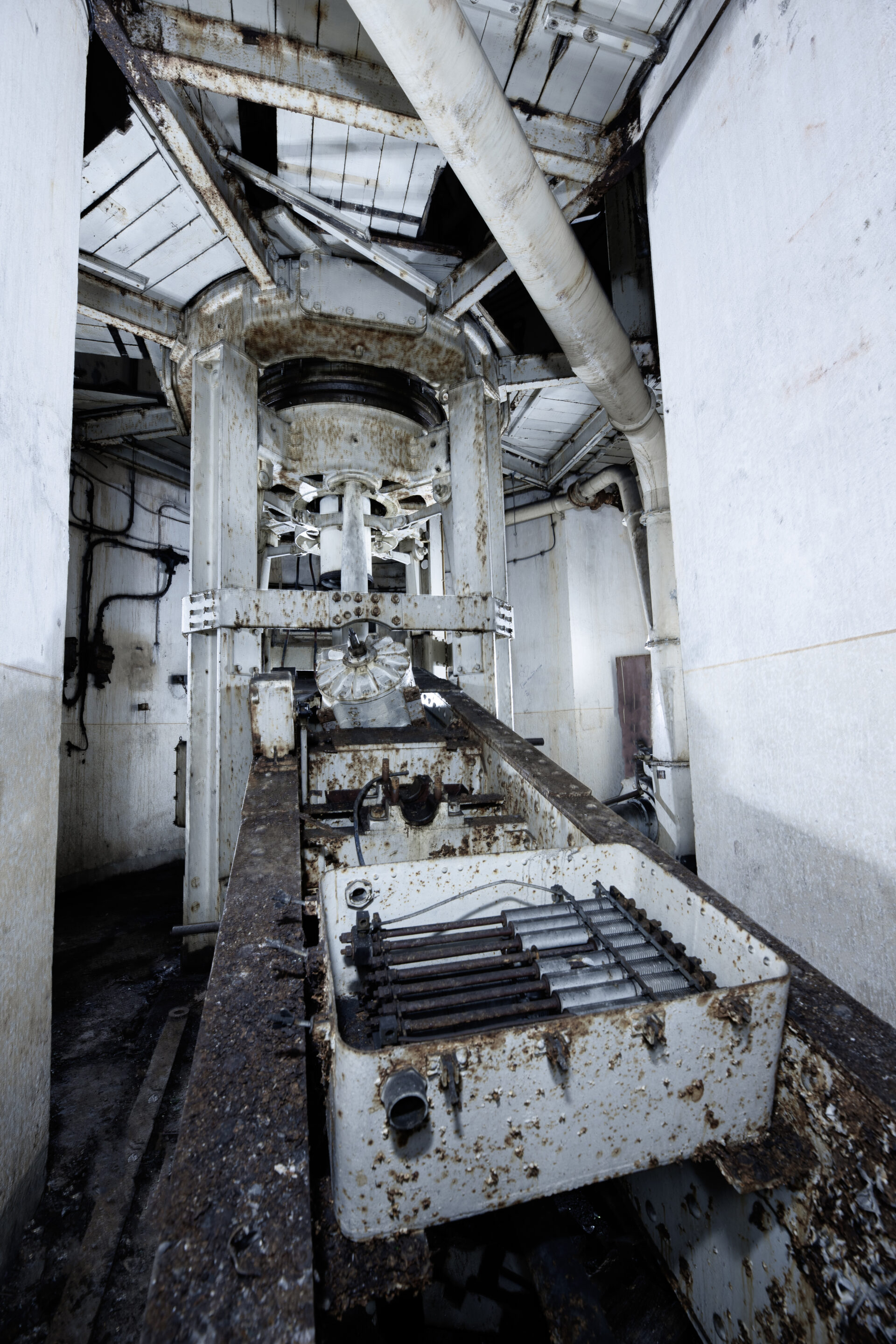
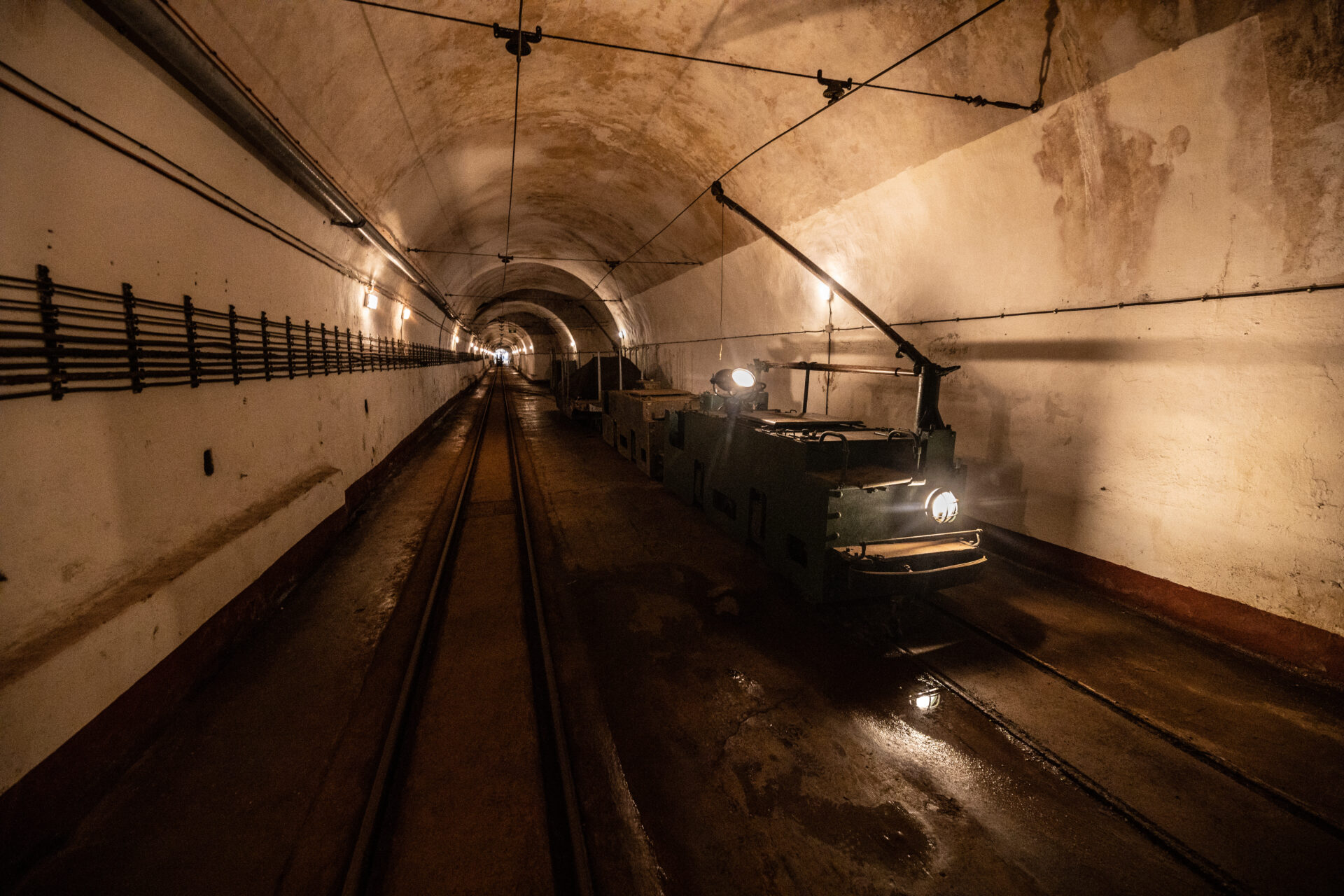
Gallery with tank wagon
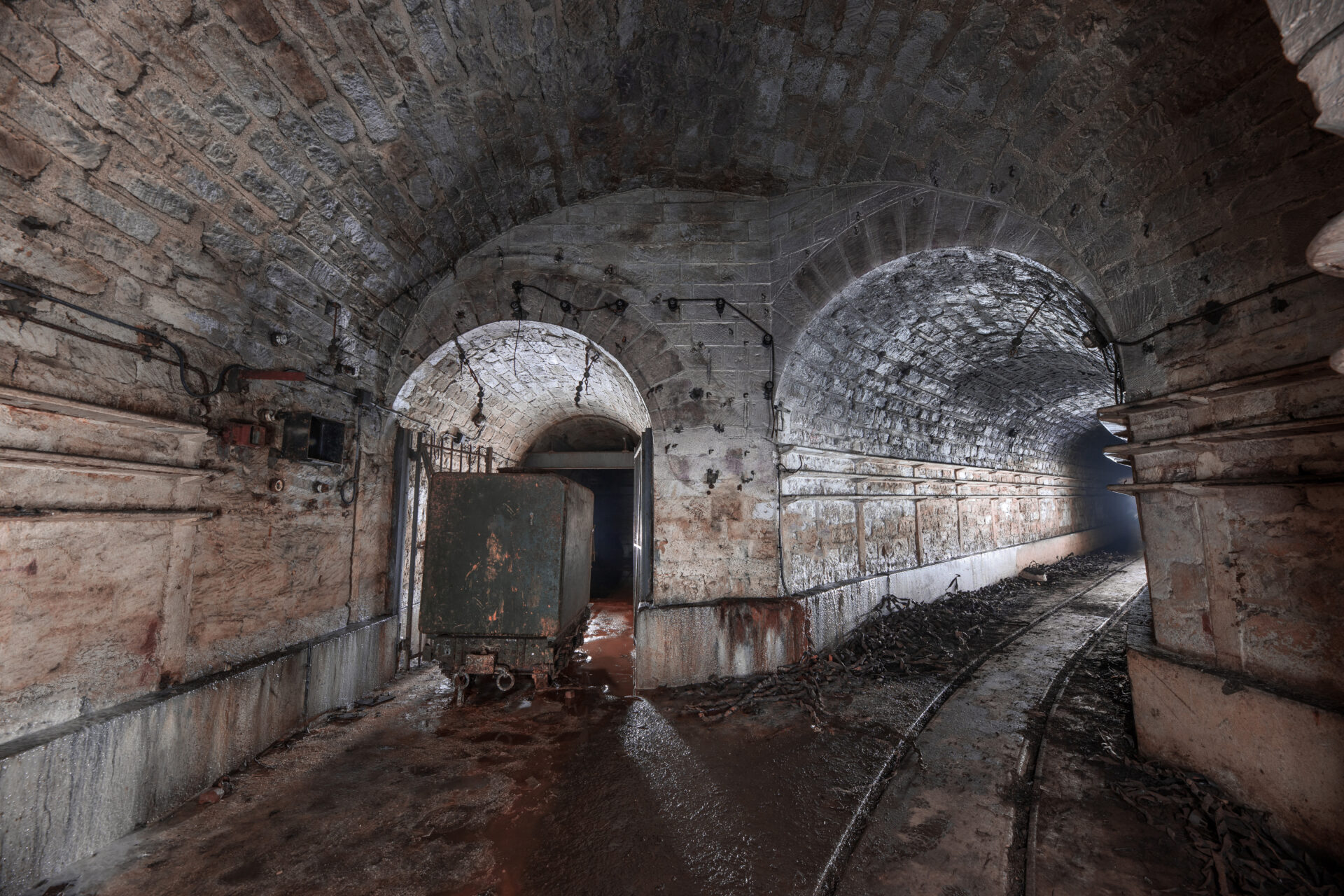
Ground undergoing marl heave
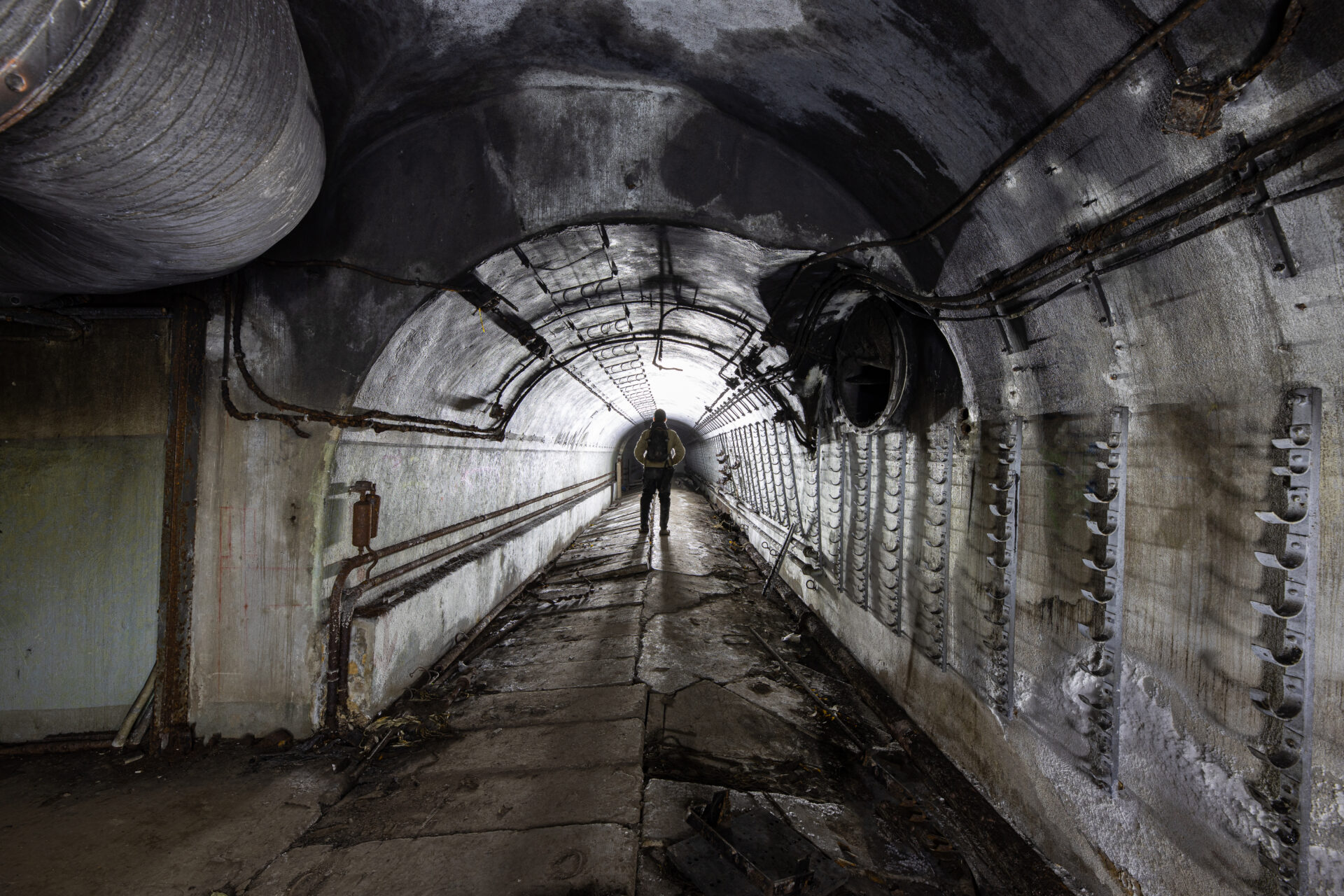
Flooded gallery

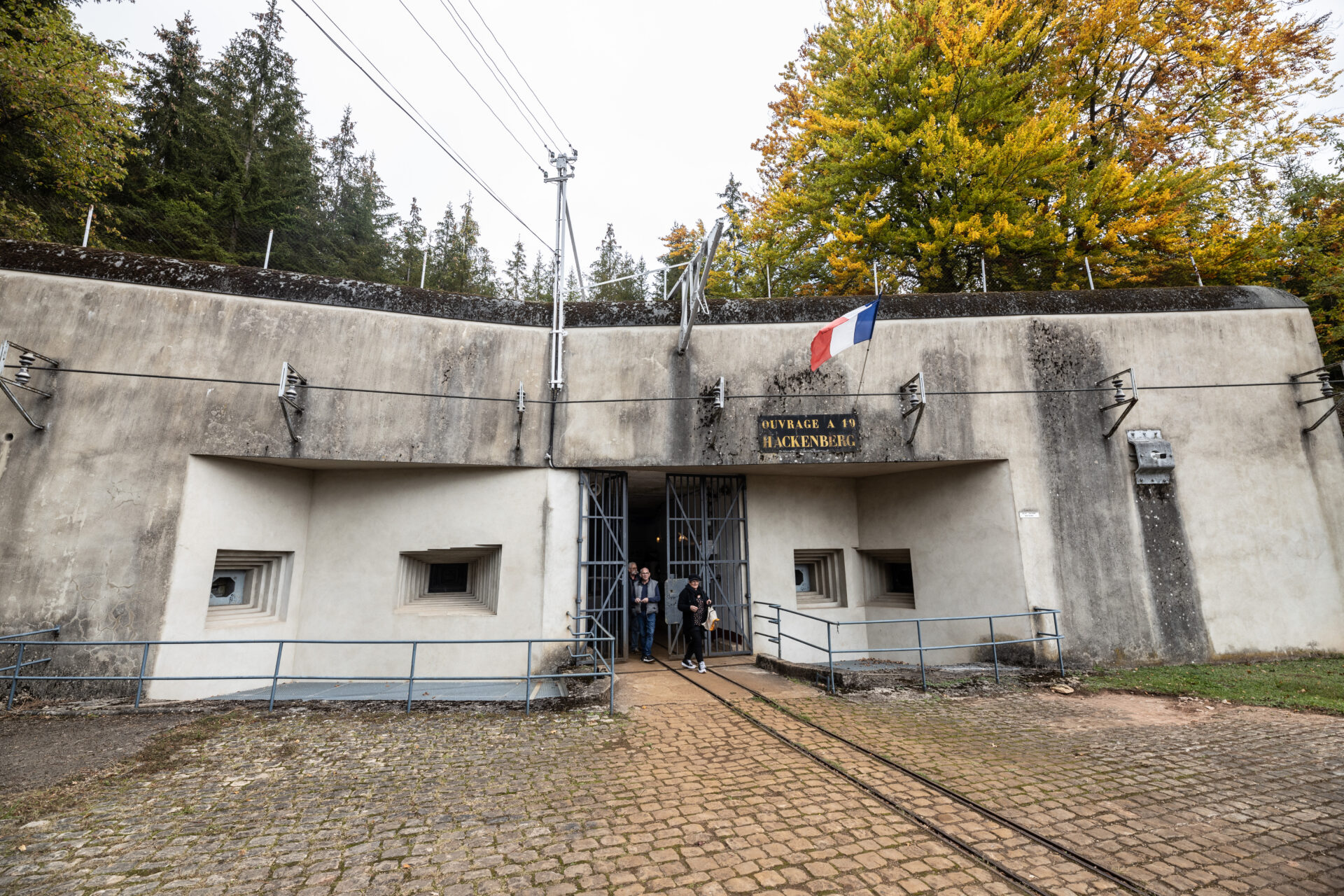
Ouvrage du Hackenberg
The Hackenberg Ouvrage is an important part of the Maginot Line, built by France in the 1930s to defend against a possible German invasion. Located in Lorraine, near the border with Germany, the Ouvrage du Hackenberg was one of the largest and best-equipped on the Maginot Line.
Its construction began in 1929 and continued until 1935, with the objective of strengthening French defense along the eastern border.
During the Second World War, the Ouvrage du Hackenberg was attacked by German forces in May 1940 during the Battle of France. Although heavily bombarded, it resisted several attacks, but ultimately, lacking reinforcements, the garrison had to surrender.
After the war, the Ouvrage du Hackenberg became a historic site and a museum, allowing visitors to discover the underground installations and learn more about its role during the Second World War.
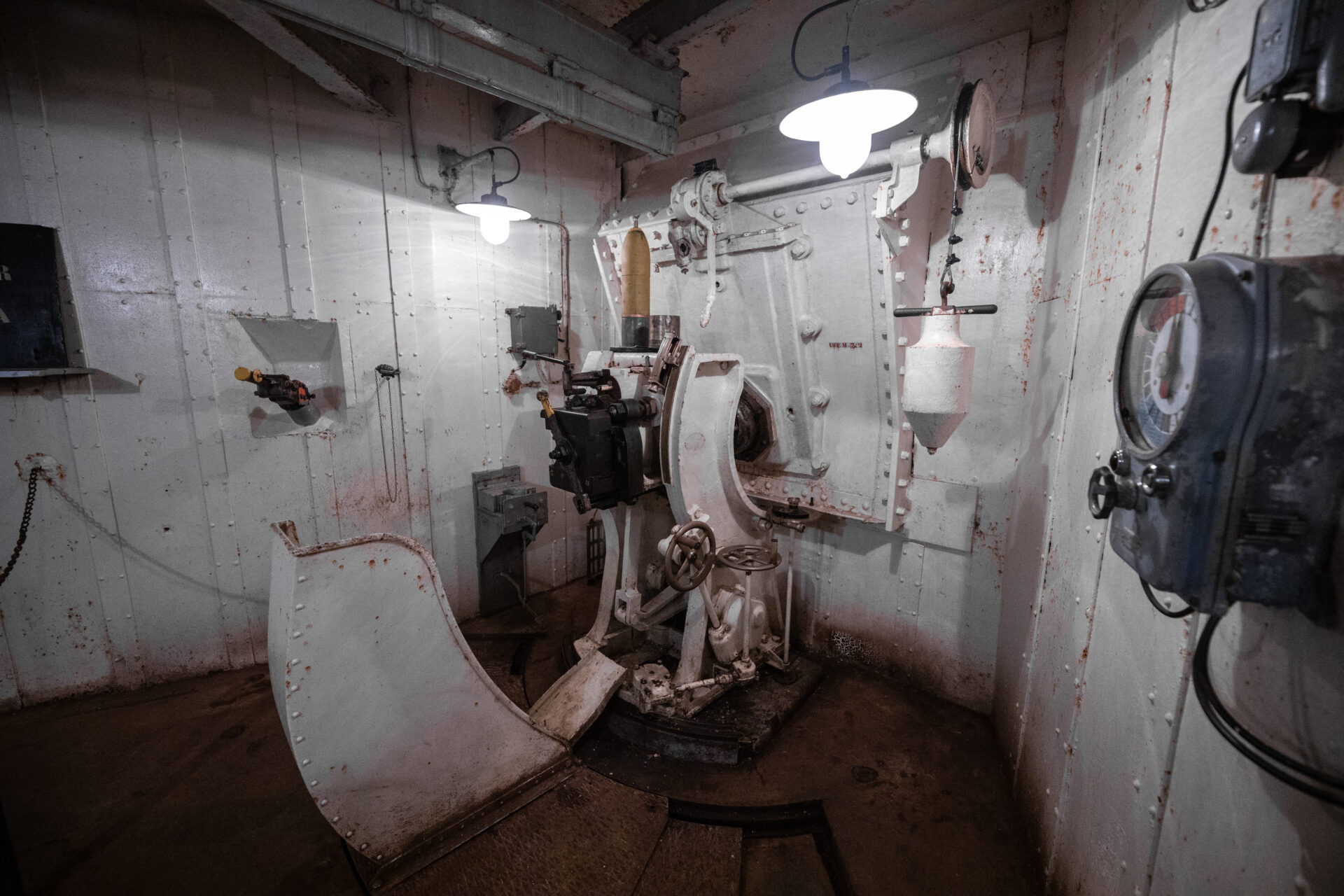
Enclosure of Fort Hackenberg
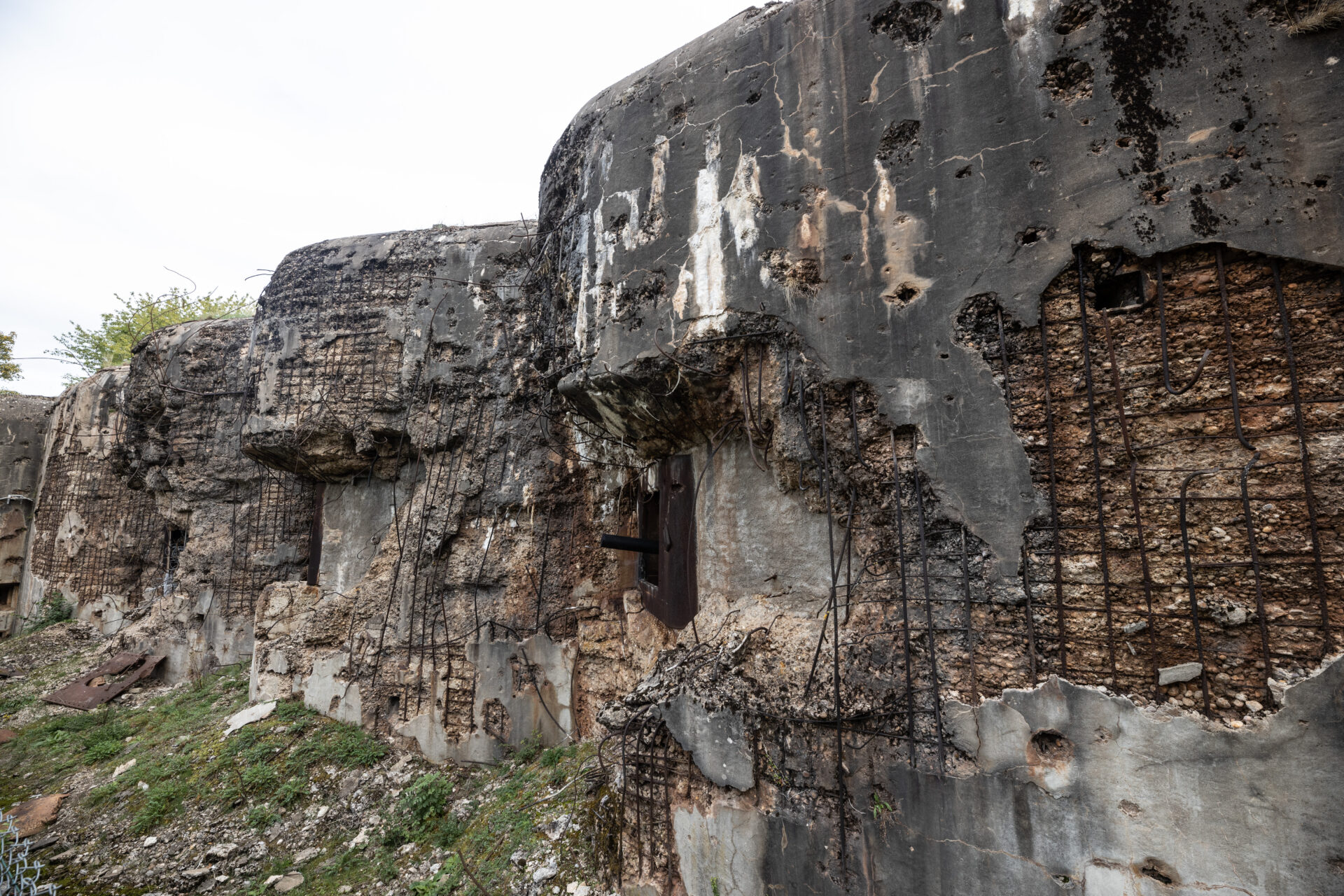
Locomotive
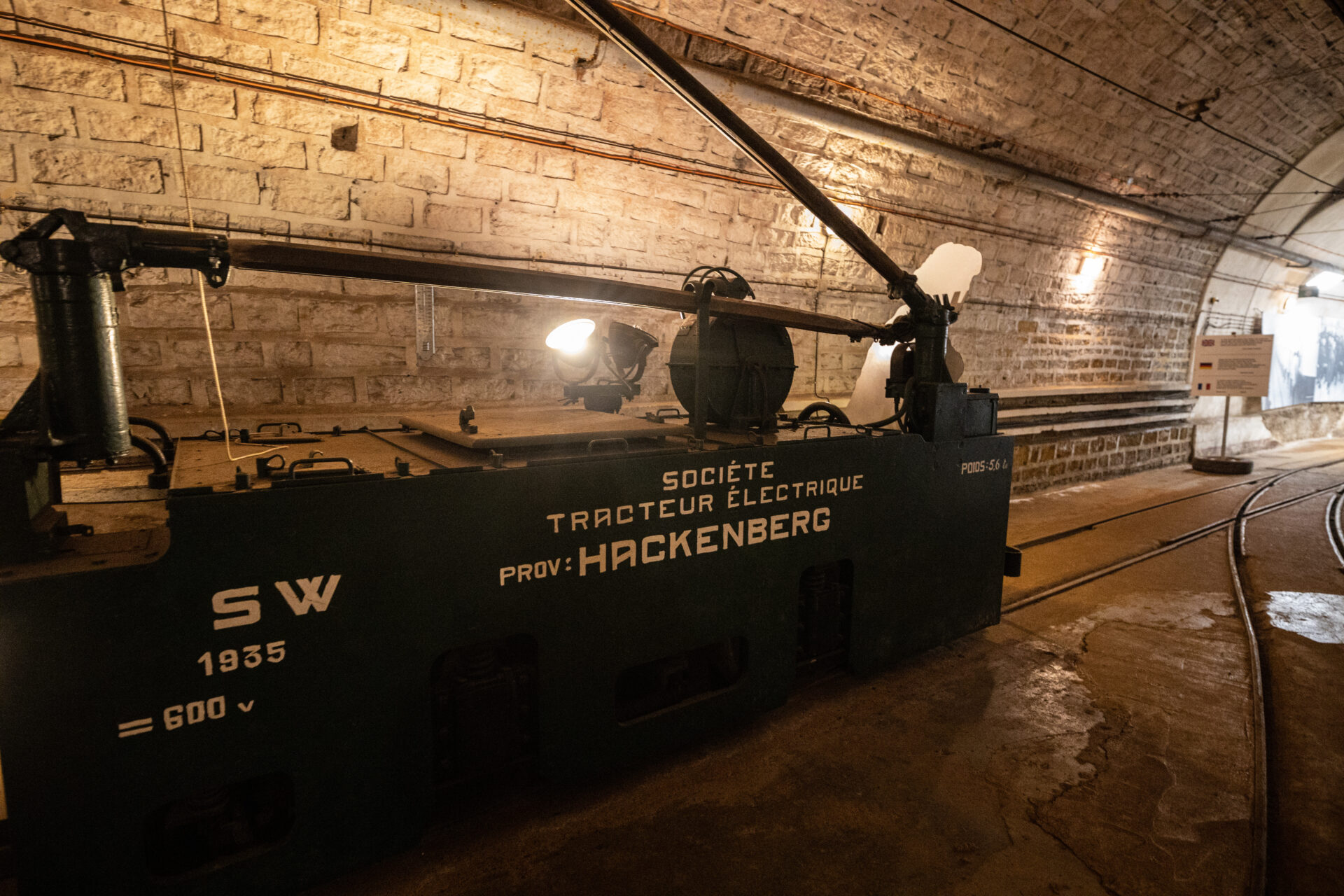
Entrance to the Ouvrage du Hackenberg
Locomotive in the main gallery
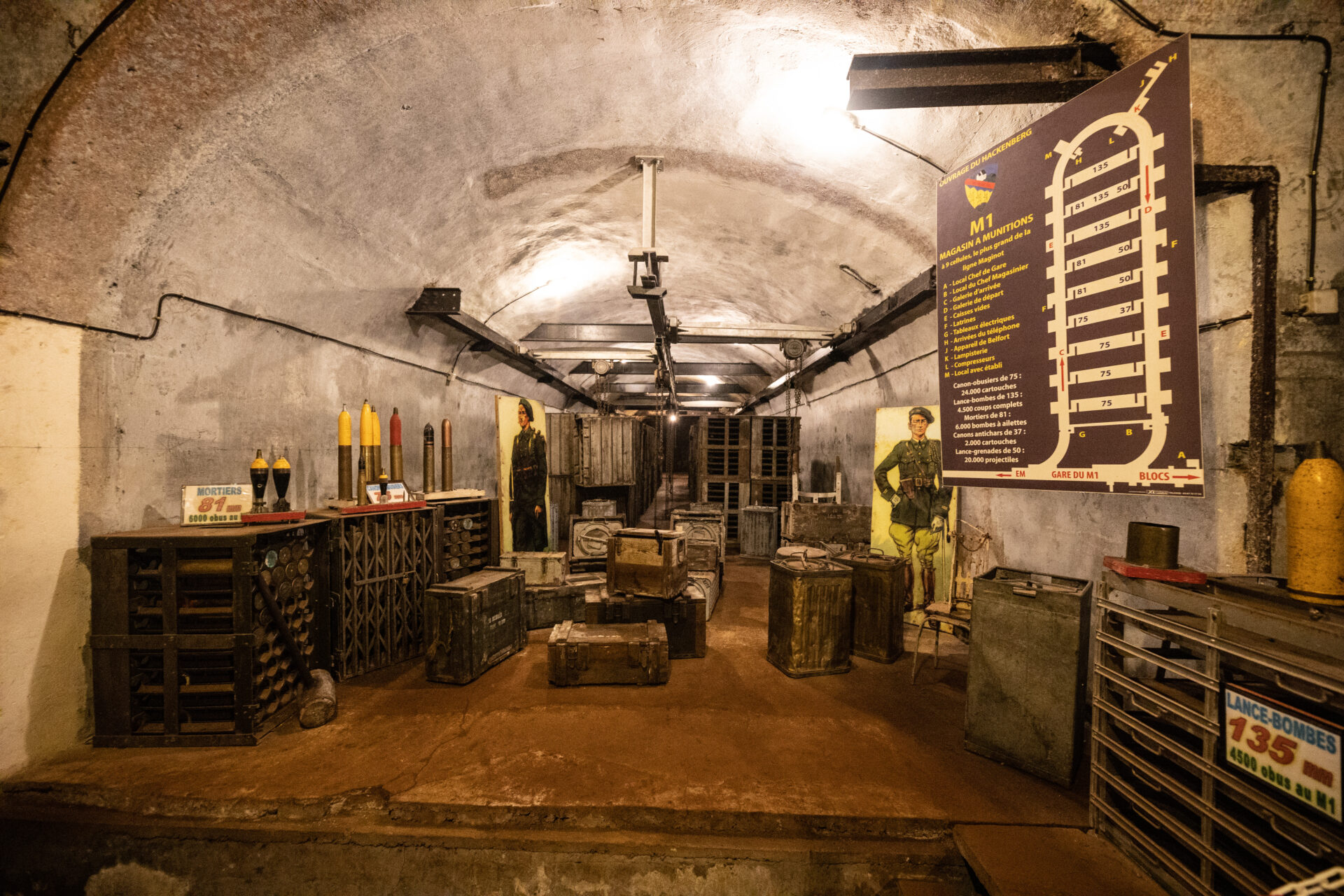
Representation of ammunition storage