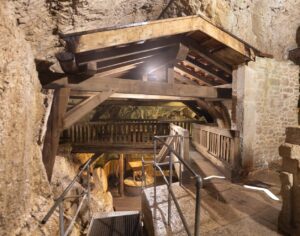
During the 1940s, the Nazi occupation forces took possession of the Cannerberg tunnels site. These tunnels were then used to establish a V1 missile assembly plant. During the Ardennes offensive, the German forces were driven out of the site, and the military evacuated, thus allowing the armed command of the American forces to take control of it.
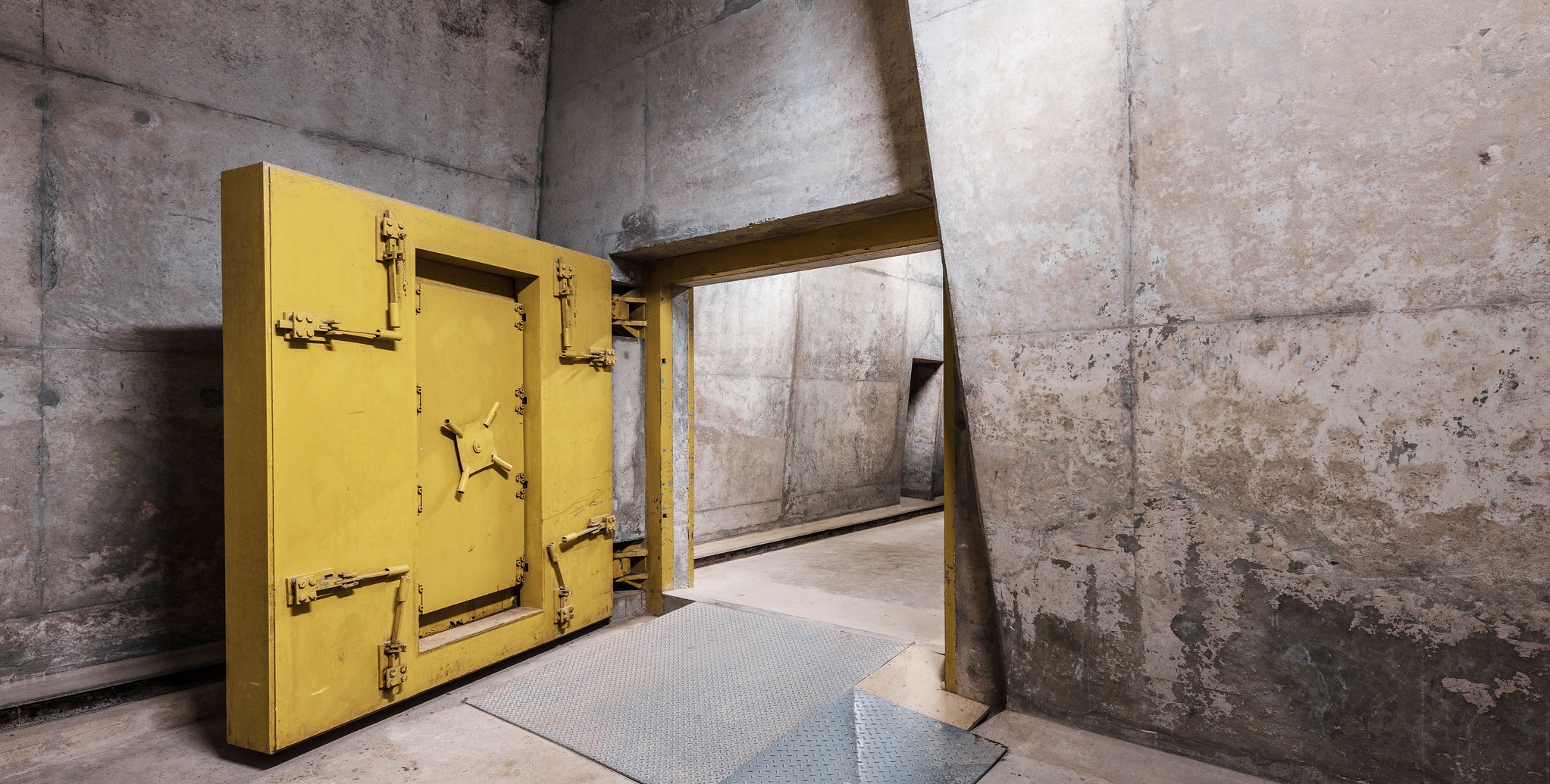
After the Second World War, and especially with the advent of the Cold War, the American forces installed a control post on the site in 1949. The command favorably evaluated the existing facilities, noting in particular that the access roads were already concreted and that electricity was in place. Due to its isolated location, the site was deemed ideal and the quarry was then transformed into a bunker. The development work began in 1956, and the site was classified as top-secret.
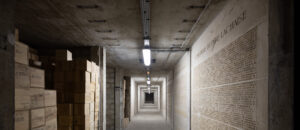
This transformation led to a profound metamorphosis of all the galleries. A real underground city emerged, with the concreting of certain galleries, particularly near the main entrance. Access was strictly controlled, and various military infrastructures were erected: command post, engine room, telephone room, cisterns, kitchen, infirmary, toilets and showers, bar, etc.
During this installation phase, directional signs were then installed, and the main axes were transformed into streets, bearing names such as Alphastreet, Bravostreet, Golfstreet, Foxtrotstreet, etc.
From now on, the underground base can be visited through the museum.
This tour is part of the catalogue of virtual tours of underground heritage.