The Guido Mine: A Journey into the Mining History of Zabrze
Promising Beginnings (1855-1860)
The Guido mine, founded by Count Guido Henckel von Donnersmarck on October 2, 1855, covered 1.03 km² on the border of Dorotheendorf and Makoschau. Despite a difficult start marked by leaks and a tectonic fault, the Concordia well (later renamed Guido) was successfully drilled in 1859, reaching a depth of 97 meters.
Challenges and Perseverance (1860-1887)
Mining operations began in 1860 at a depth of 80 meters, facing geological disturbances. To finance the exploitation and drainage, Donnersmarck partnered with the Upper Silesian Railway Company. In 1870, the well reached 170 meters, and extraction resumed in 1872 with a steam winch.
Under State Management (1887-1962)
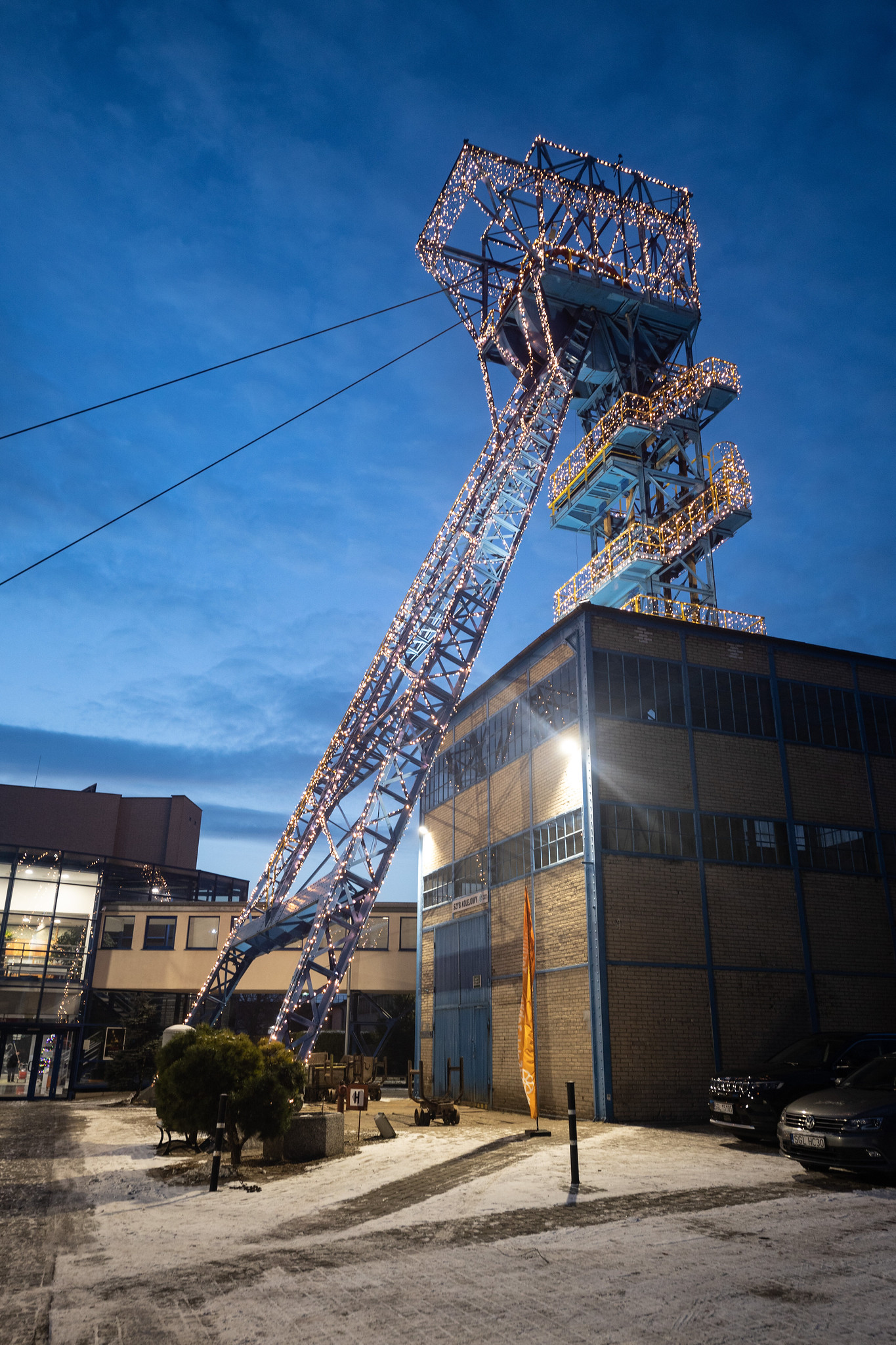
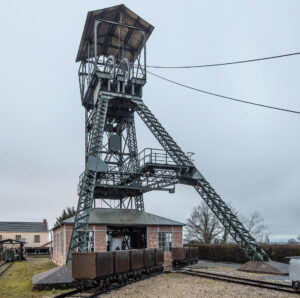
In 1887, facing financial difficulties, the mine was sold to the Prussian State Mining Treasury and integrated into the “Królna Luiza” state mine. The early 20th century saw modernization with the installation of an electric winder and a steel lifting tower. However, operations gradually declined until its closure in 1962.
Cultural Renaissance (1982-present)
In 1982, part of the mine became the “Guido Miner Museum”. In 2007, it was established as an independent cultural institution, merging in 2013 with the Zabrze Coal Mining Museum to form the current Coal Mining Museum.
The Museum Tour
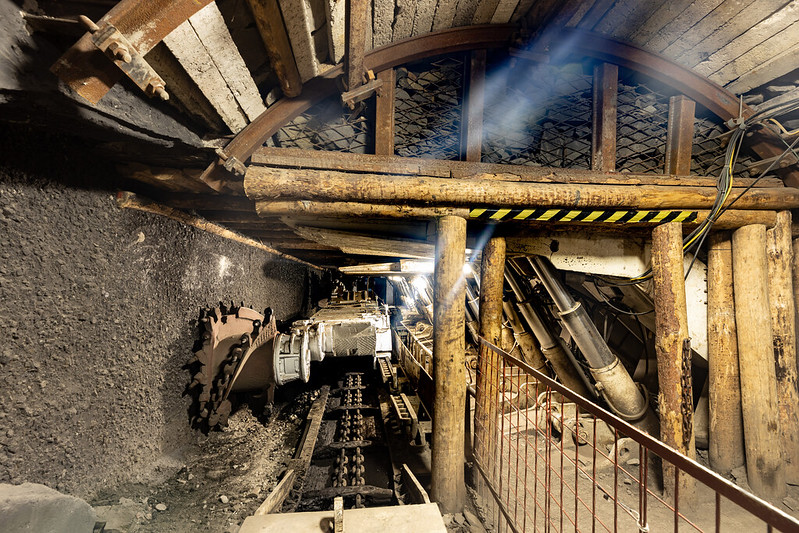
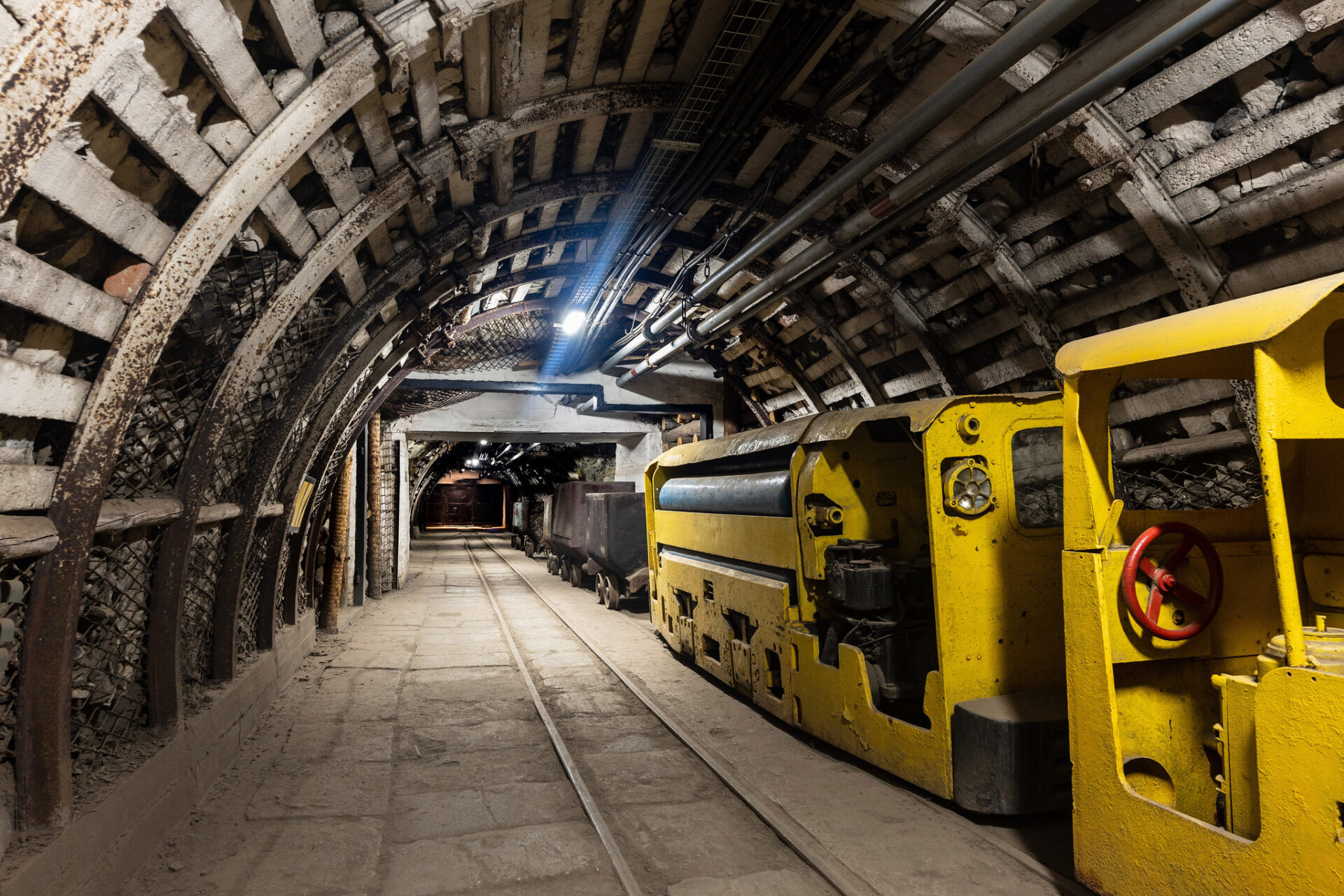
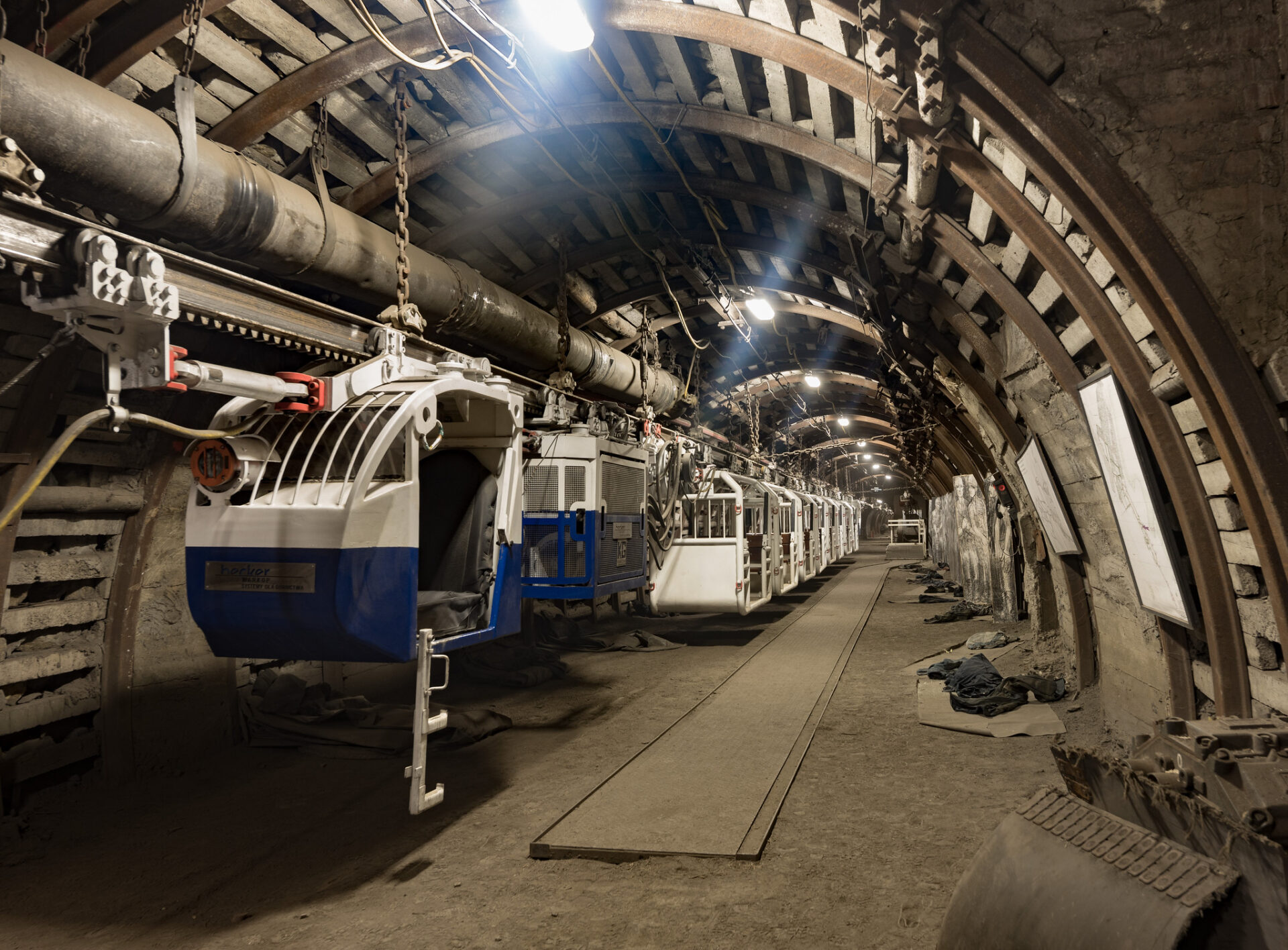
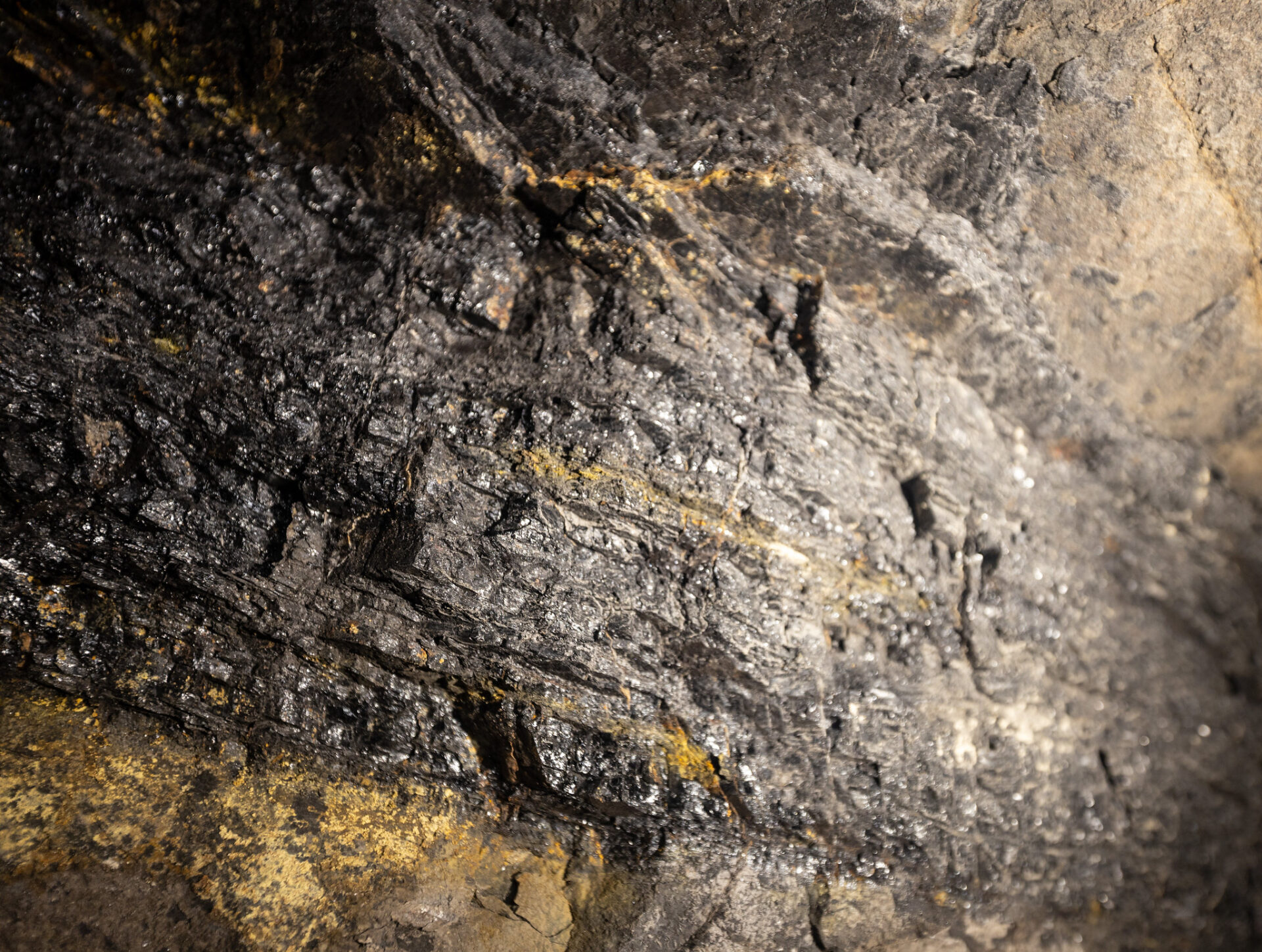
Visitors can today descend 320 meters underground in an authentic mining well (a rare thing in European underground museums – Atmosphere guaranteed). The route includes period galleries and coal seams.

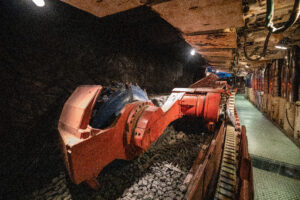
Locomotive de la mine
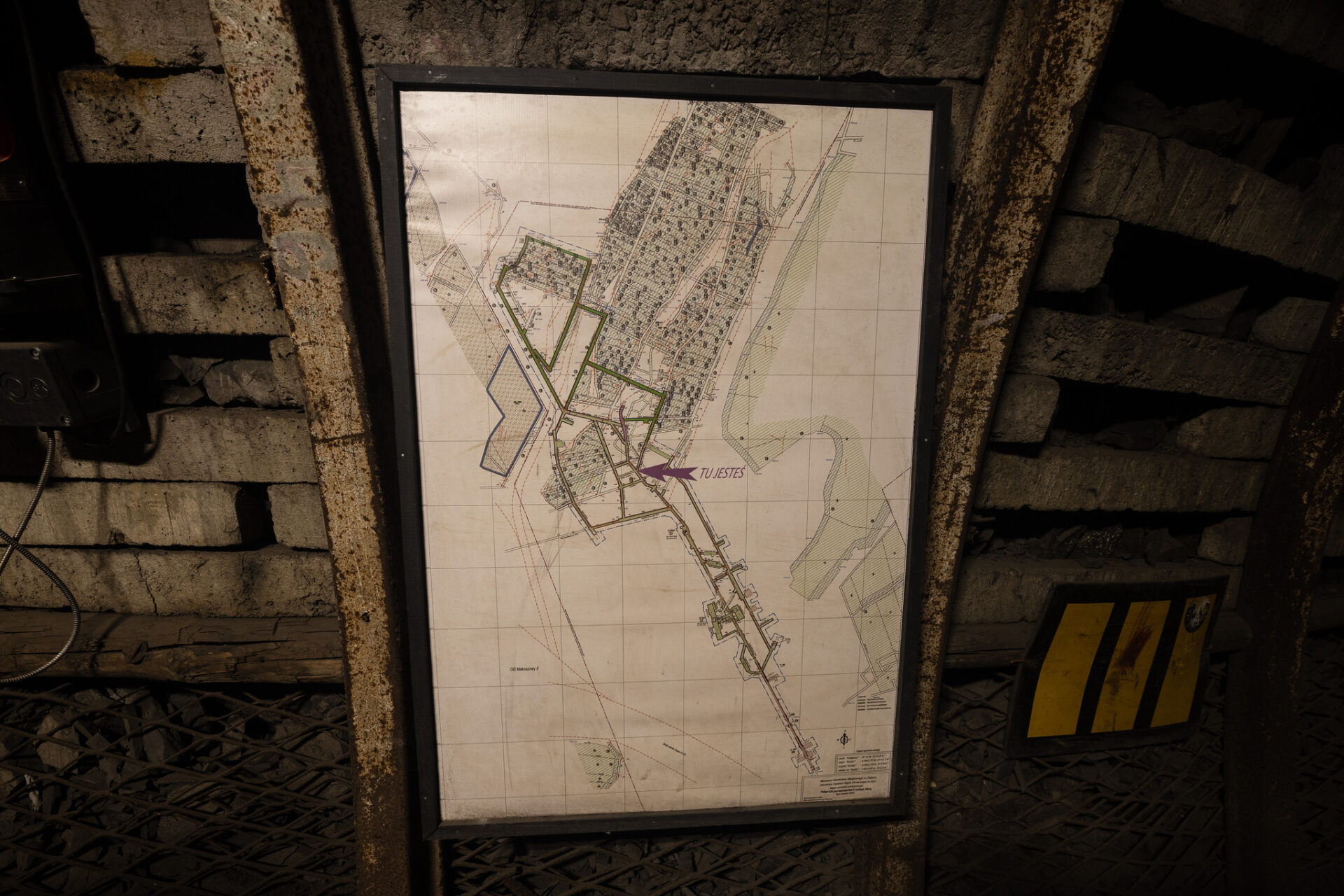
Plan de la mine
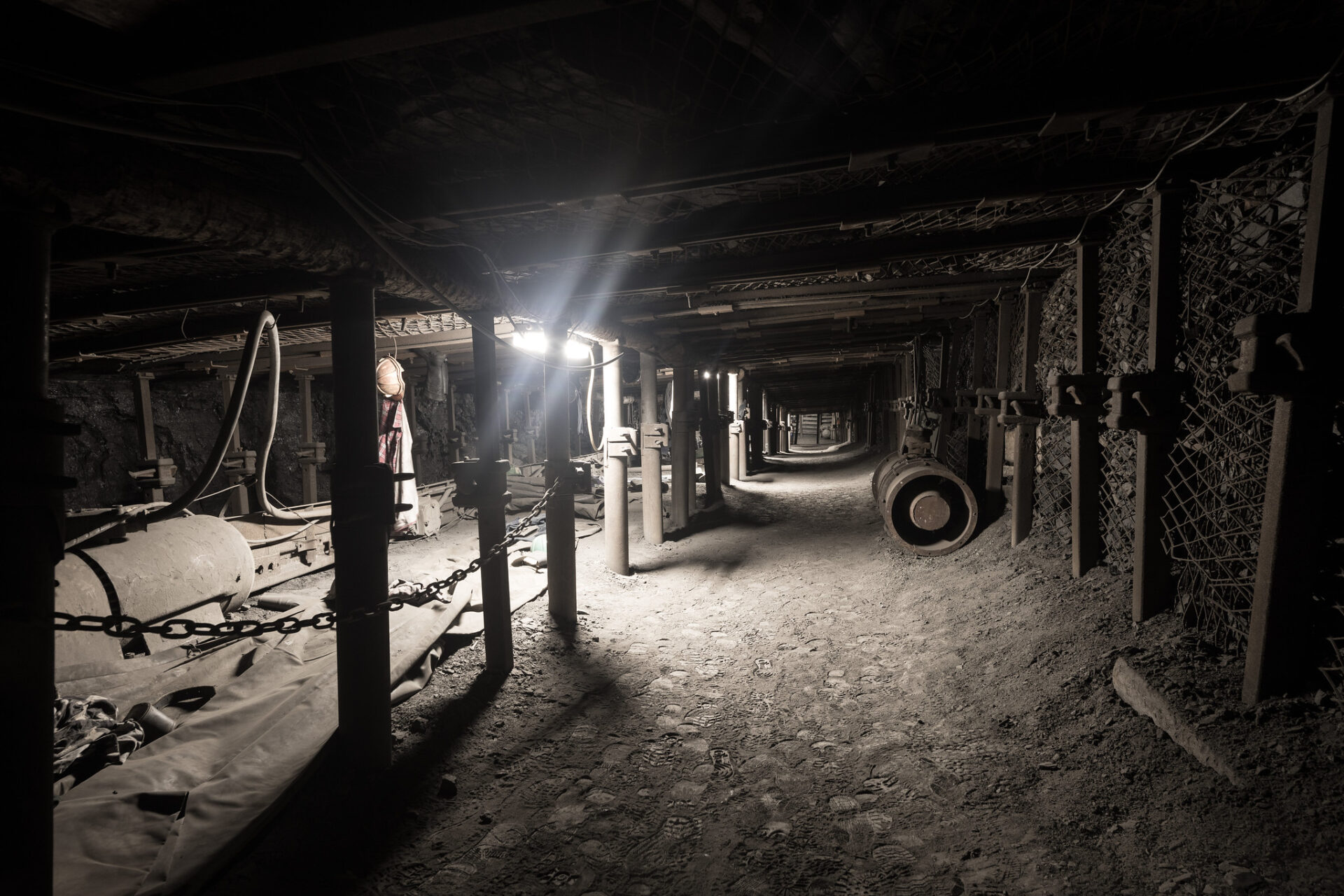
Veine de charbon
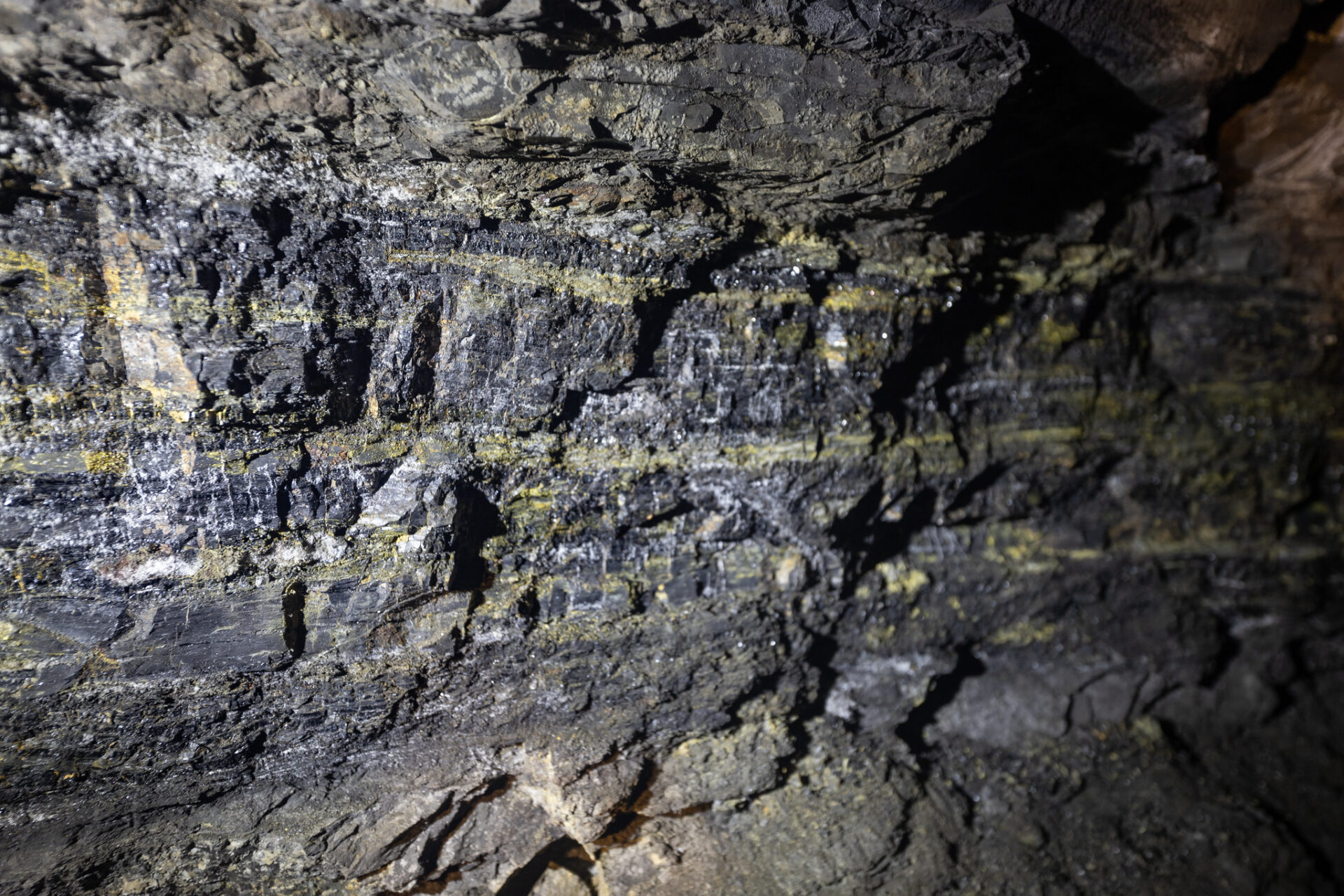
Veine de charbon
Chevalement illuminé à l’occasion de Noël