
The Carrara-City Space
The Carrara-City Space occupies a former limestone quarry in Carrières-sur-Seine, in the Yvelines. The name of the commune already says what was done there. In 1137, Suger, abbot of Saint-Denis,…


This section gathers virtual tours of underground locations, including the tomb of Ramesses VI, the Serapeum of Saqqara, Roman catacombs, and Père Lachaise cemetery crypt. It features engineering sites such as Maltese limestone cisterns, the 1870s Caluire reservoir, the Bicêtre hospital well, the Harnekop nuclear bunker near Berlin, and Parisian underground quarries. Readers learn about the history, architecture, and scientific uses of subterranean structures across different historical periods.
The Carrara-City Space occupies a former limestone quarry in Carrières-sur-Seine, in the Yvelines. The name of the commune already says what was done there. In 1137, Suger, abbot of Saint-Denis,…
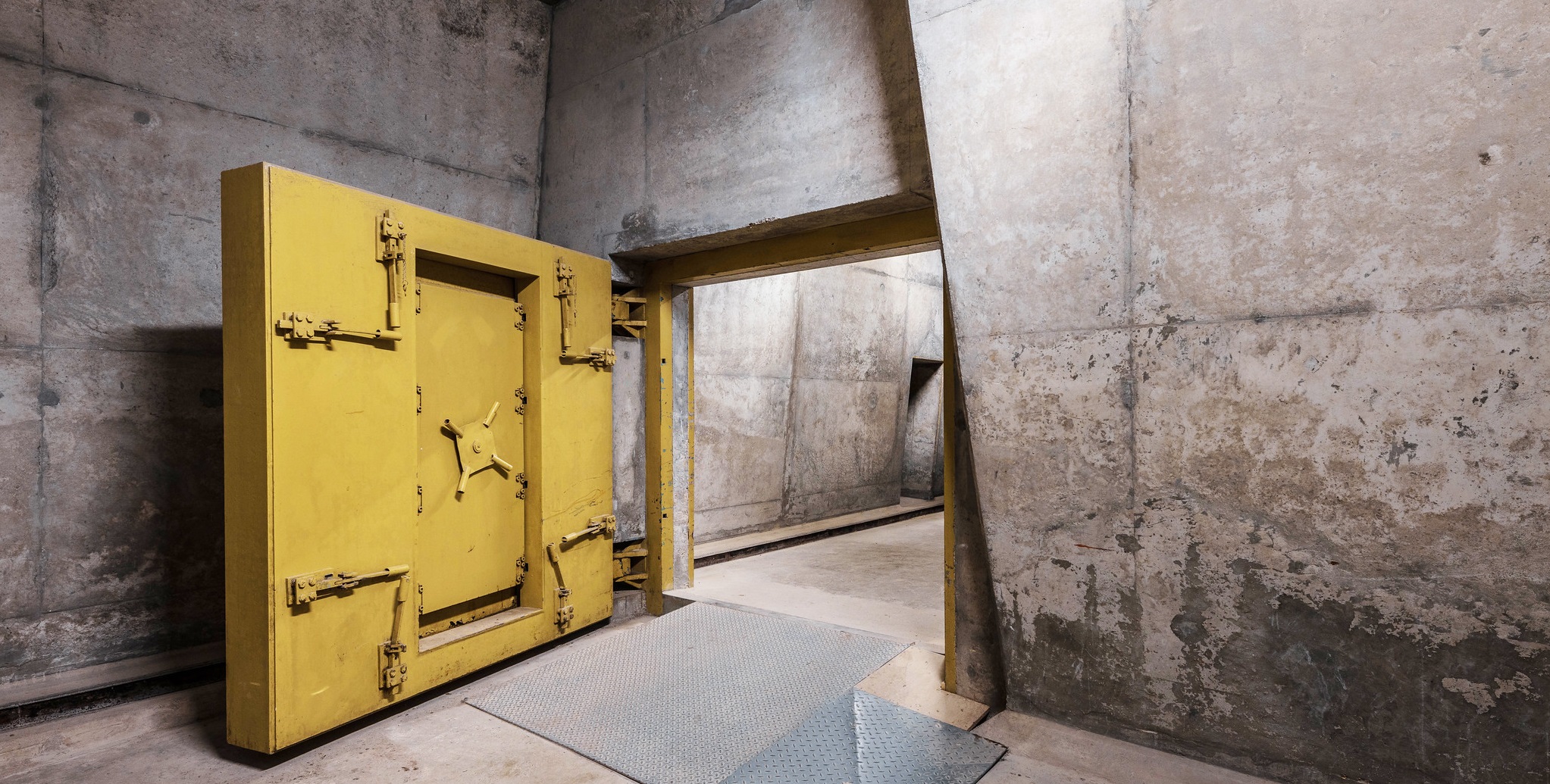
During the 1940s, the Nazi occupation forces took possession of the Cannerberg tunnels site. These tunnels were then used to establish a V1 missile assembly plant. During the Ardennes offensive,…

The Fort de Caluire, located in the Lyon region of France, embodies an important part of the country's military and strategic history. Built in the 19th century as part of…
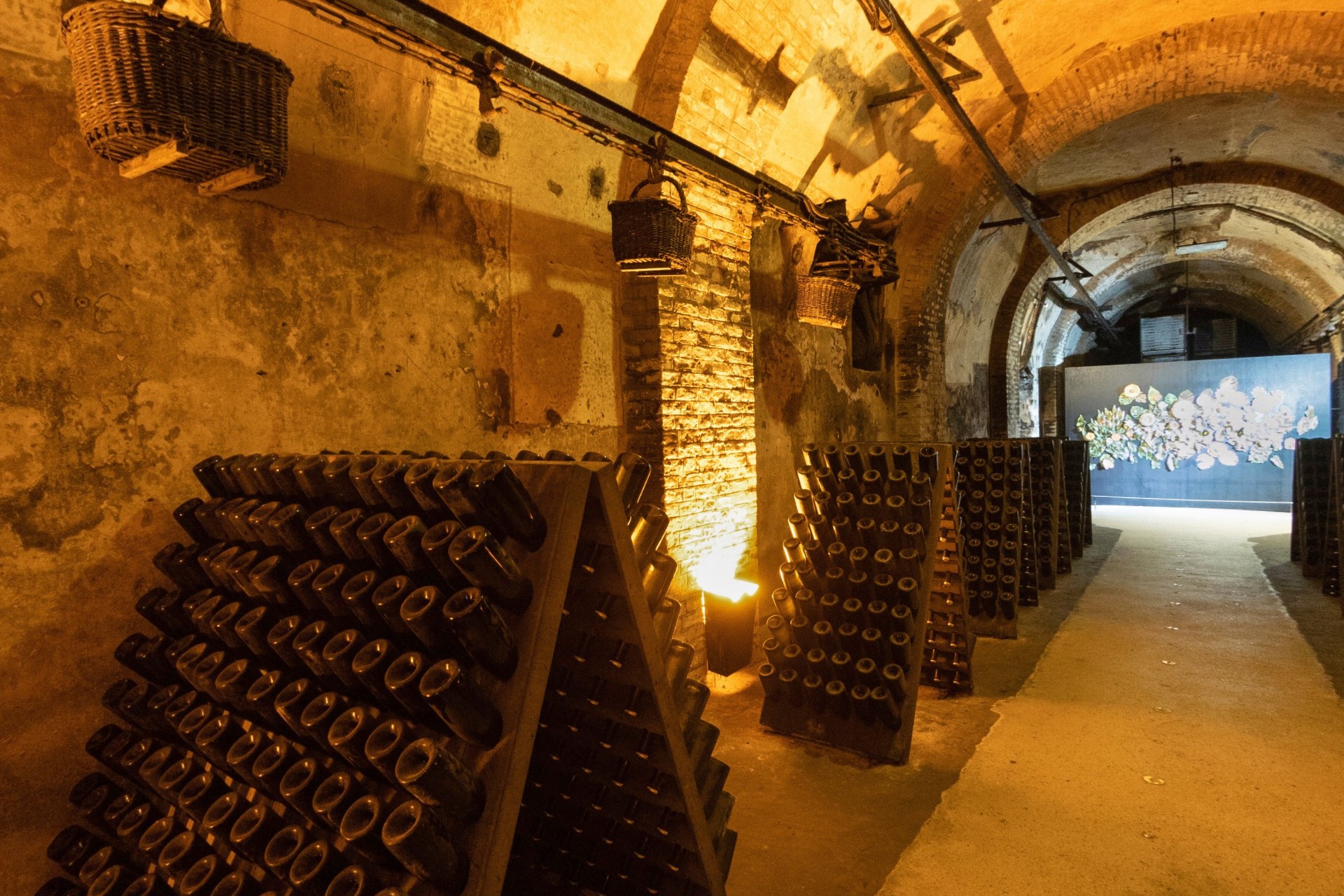
The Pommery champagne cellar, a pioneer in the prestigious history of Champagne viticulture, also showcases its talents in the artistic field. Founded in the 19th century by Madame Louise Pommery,…
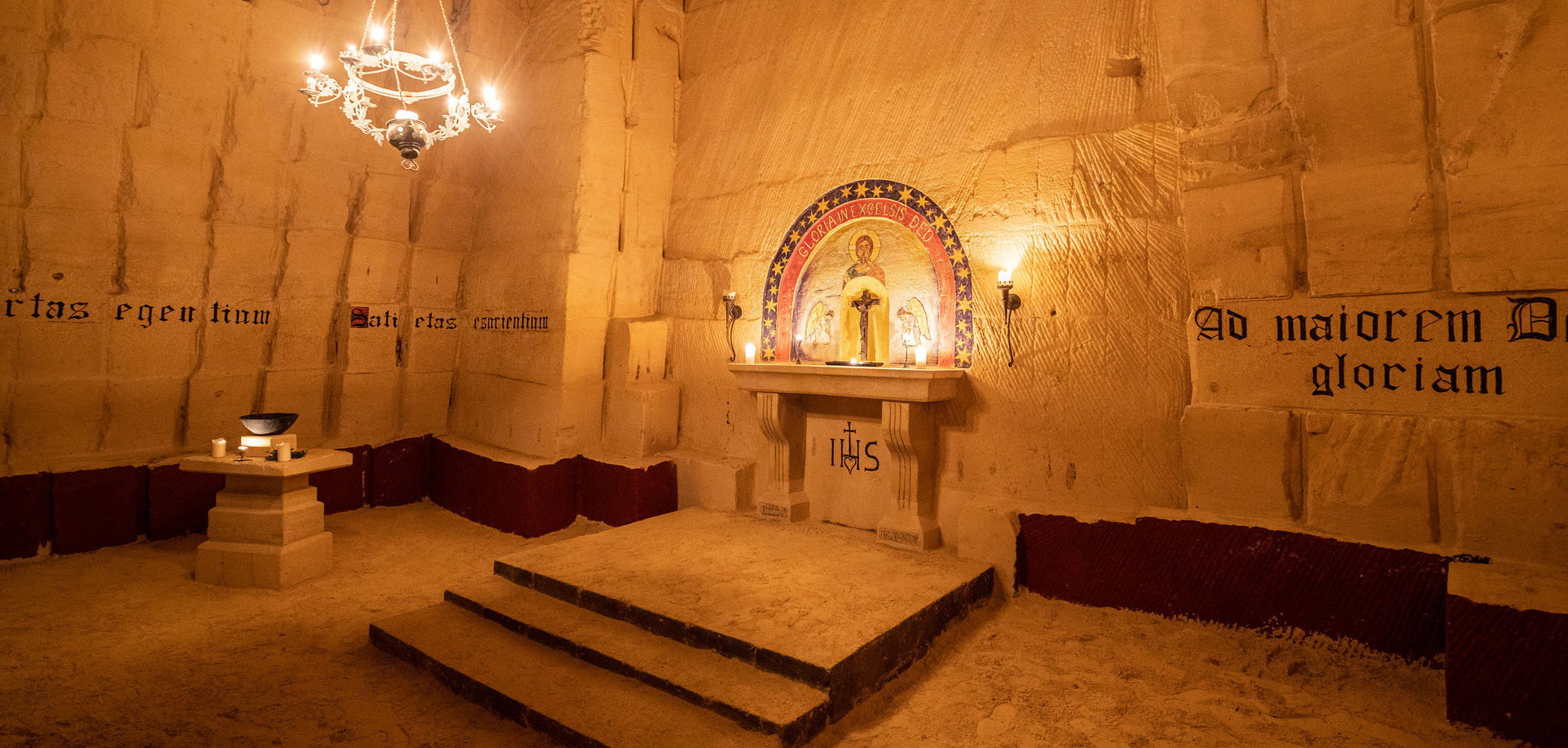
The Caves of Kanne are located in Riemst, in the southeast of Belgian Limburg, right on the Dutch border, near Maastricht. For centuries, underground limestone was extracted here in the marl…
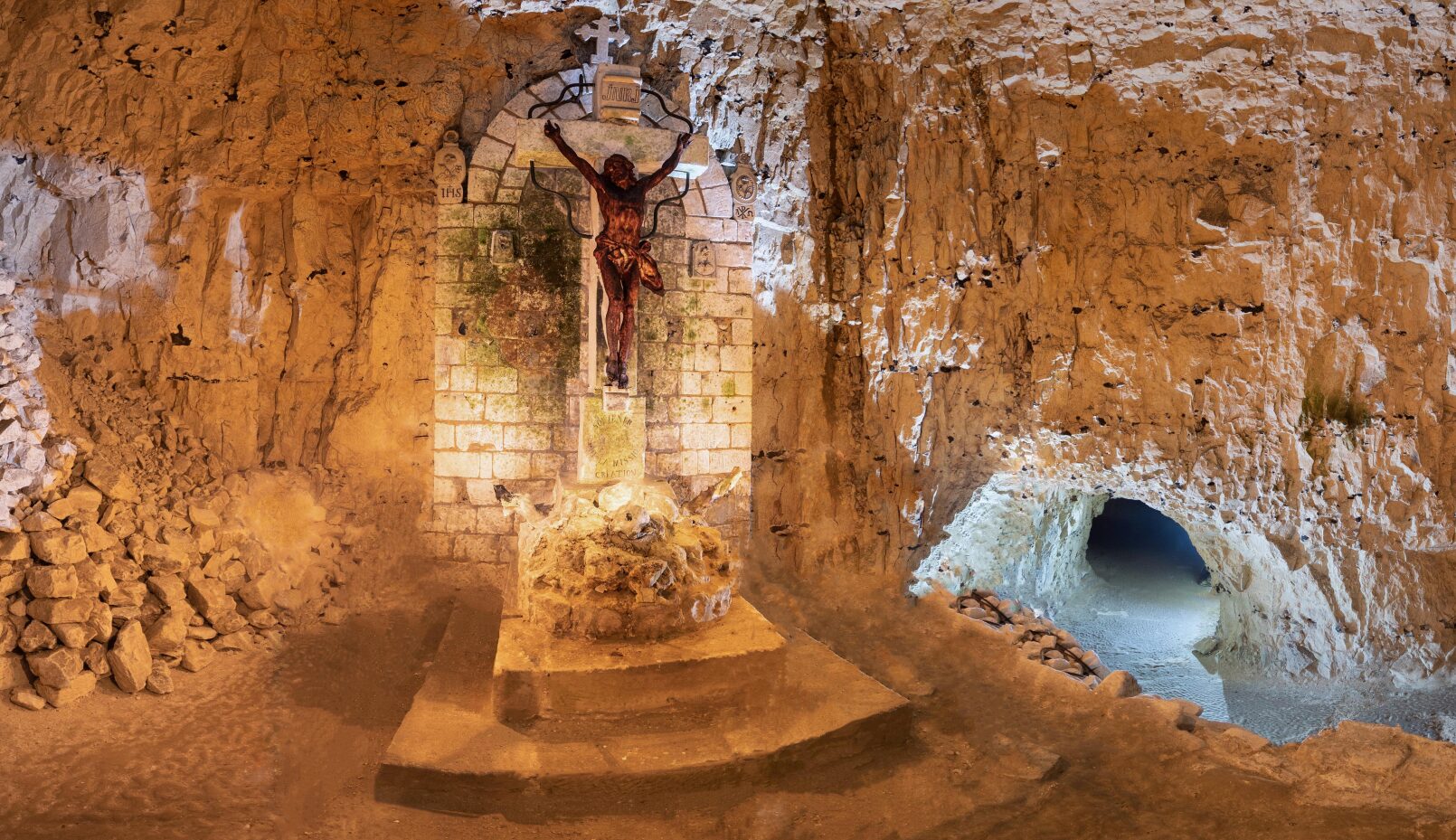
In 2014, archaeologist Gilles Prilaux, of Inrap, was excavating the floor of the Naours tunnels, in the Somme. Looking up, he saw names written in pencil on the chalk walls.…

Above Carrara, on the ridges that the 2020 municipal plan designates for protection, open-cast marble quarrying is no longer allowed. A quarry can only extend there by galleries, through an…
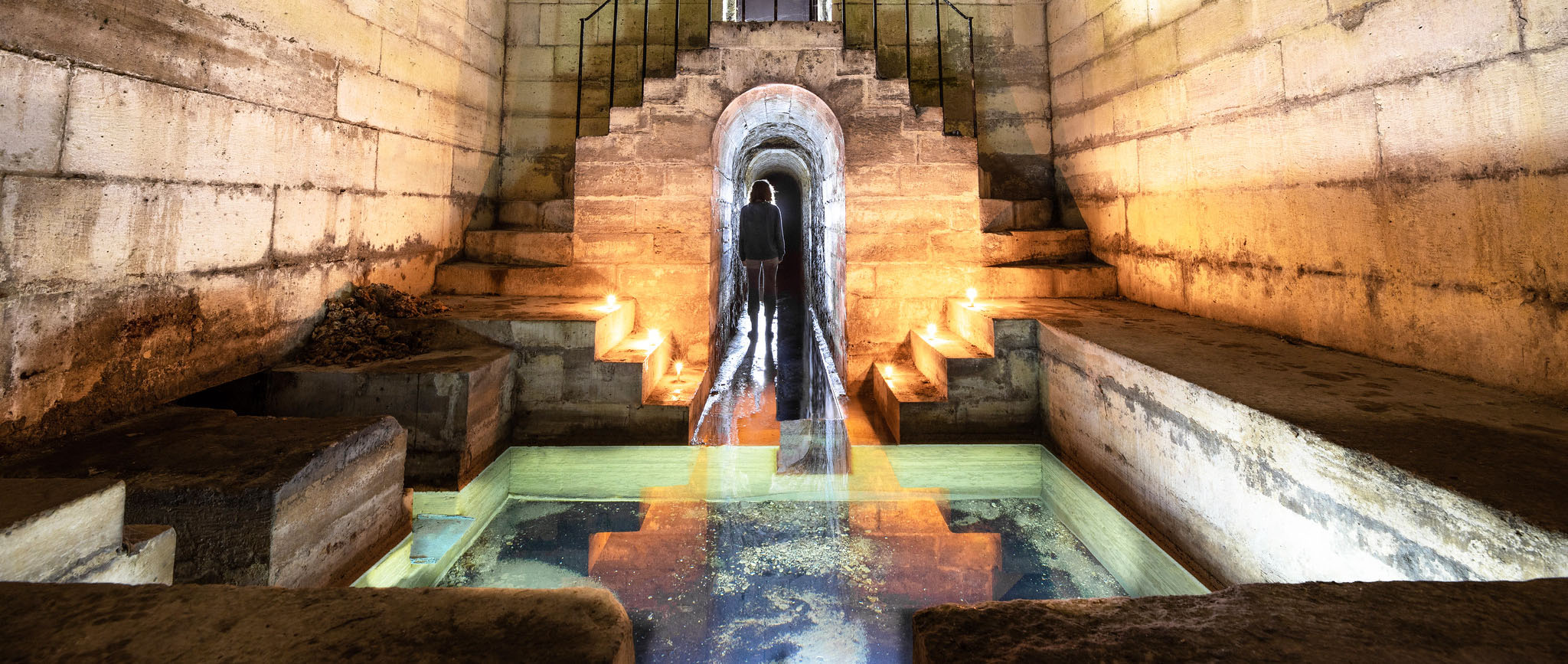
South of Paris, a treasure of hydraulic engineering has existed since 1623, taking the form of an aqueduct mostly hidden underground. The history of this structure begins with the reign…
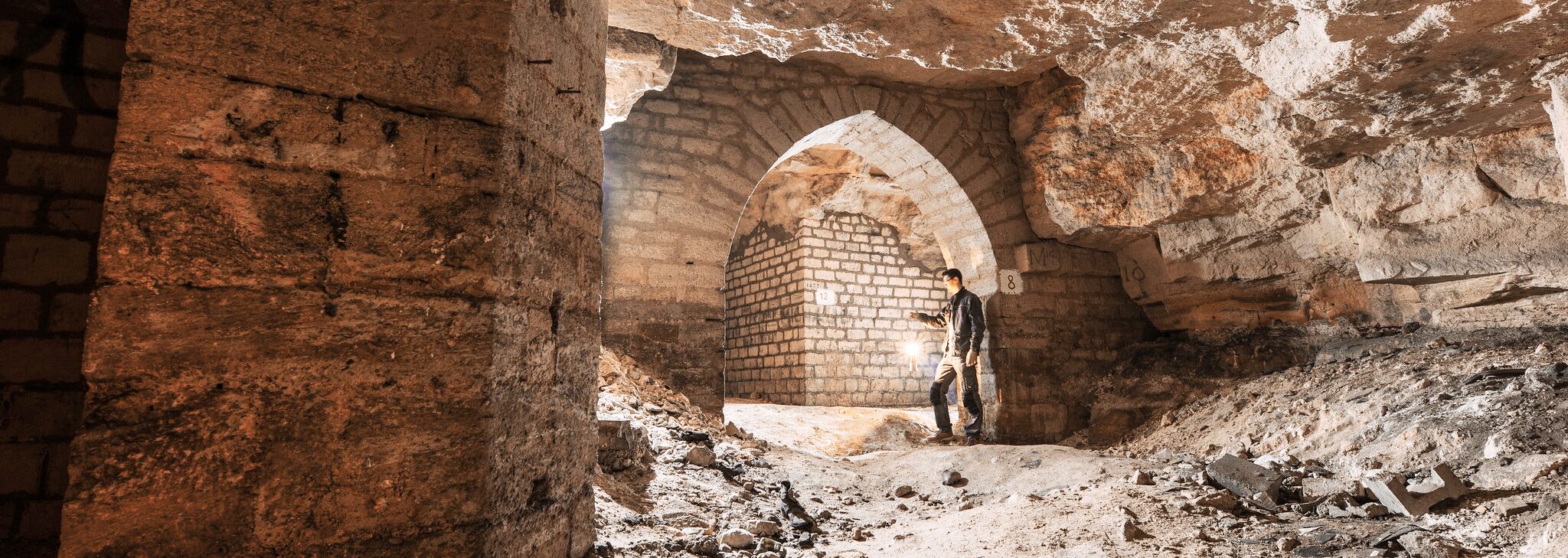
Introduction The Saint-Cloud limestone quarry, active in the 18th century, was dug into the hillside to a depth of about a hundred meters; its adit entrance, which still exists, facilitated…
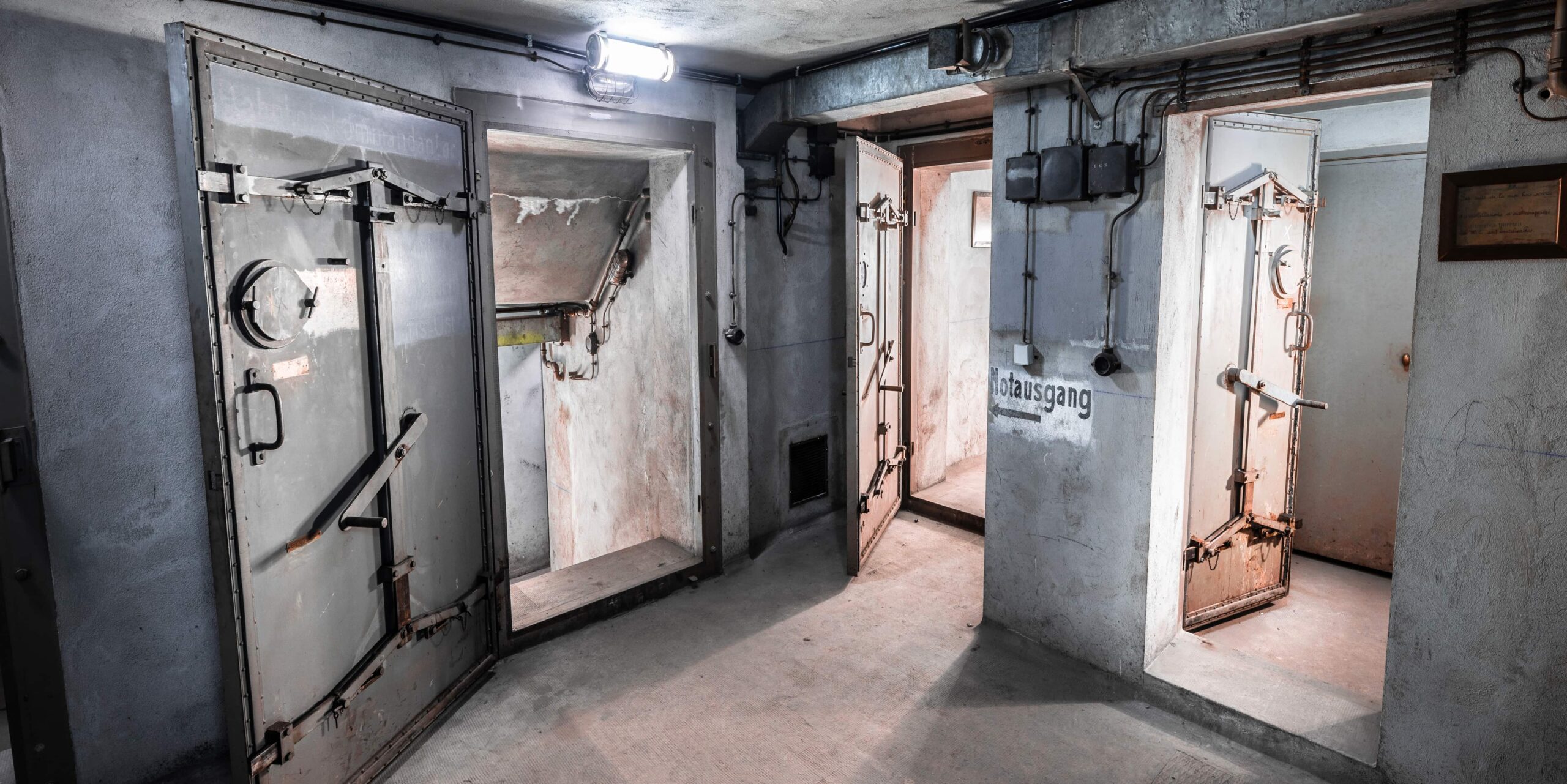
Created on the eve of the Second World War to keep trains running, even in the event of a gas attack, the "bunker" located under the Paris-Est station is a…