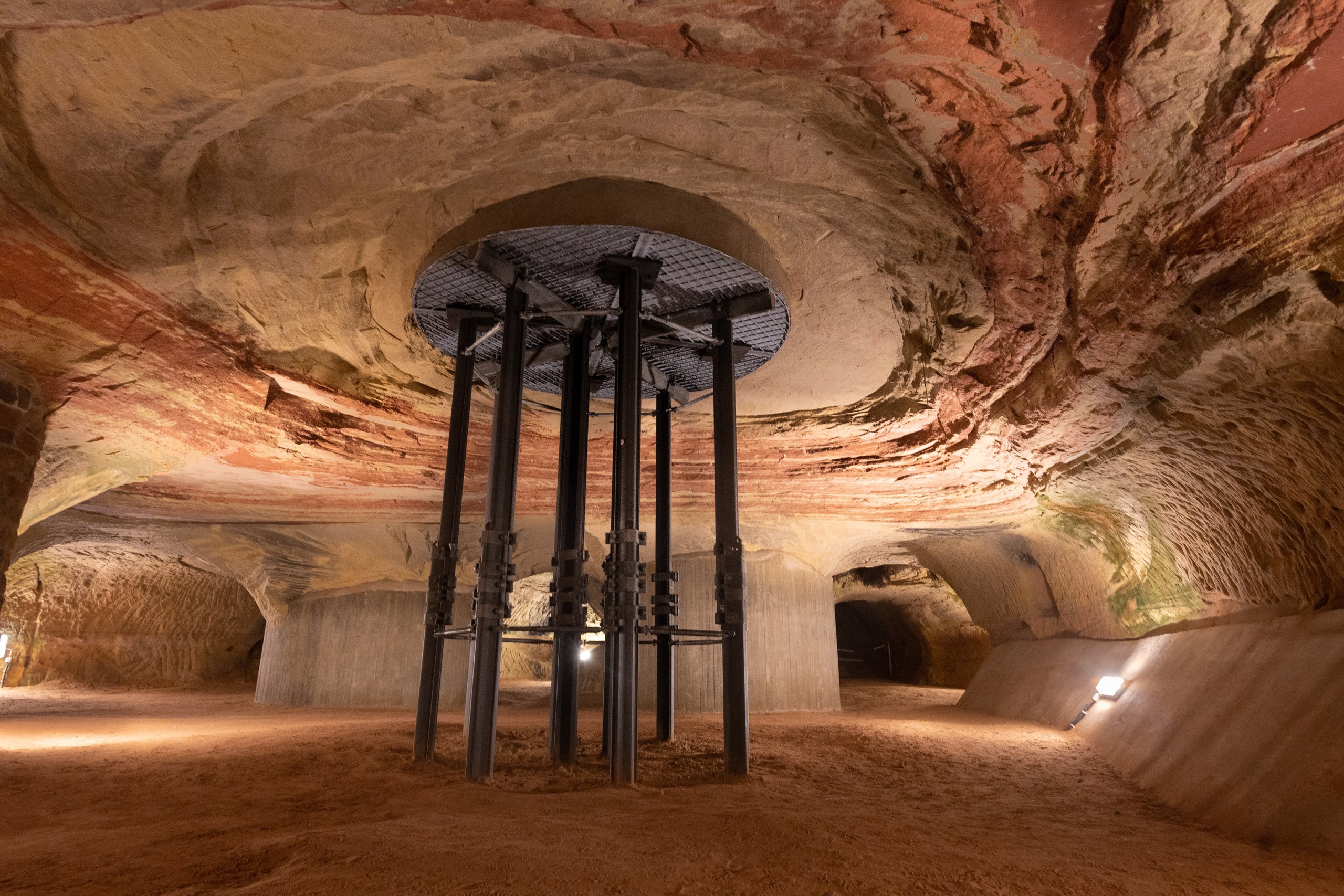
Virtual tour of the Schlossberg caves
In the Schlossberg hill in Homburg, Saarland, sand was extracted underground for centuries. Galleries may have existed as early as the Middle Ages, but systematic extraction of quartz sand probably…


This section gathers virtual tours of underground locations, including the tomb of Ramesses VI, the Serapeum of Saqqara, Roman catacombs, and Père Lachaise cemetery crypt. It features engineering sites such as Maltese limestone cisterns, the 1870s Caluire reservoir, the Bicêtre hospital well, the Harnekop nuclear bunker near Berlin, and Parisian underground quarries. Readers learn about the history, architecture, and scientific uses of subterranean structures across different historical periods.
In the Schlossberg hill in Homburg, Saarland, sand was extracted underground for centuries. Galleries may have existed as early as the Middle Ages, but systematic extraction of quartz sand probably…
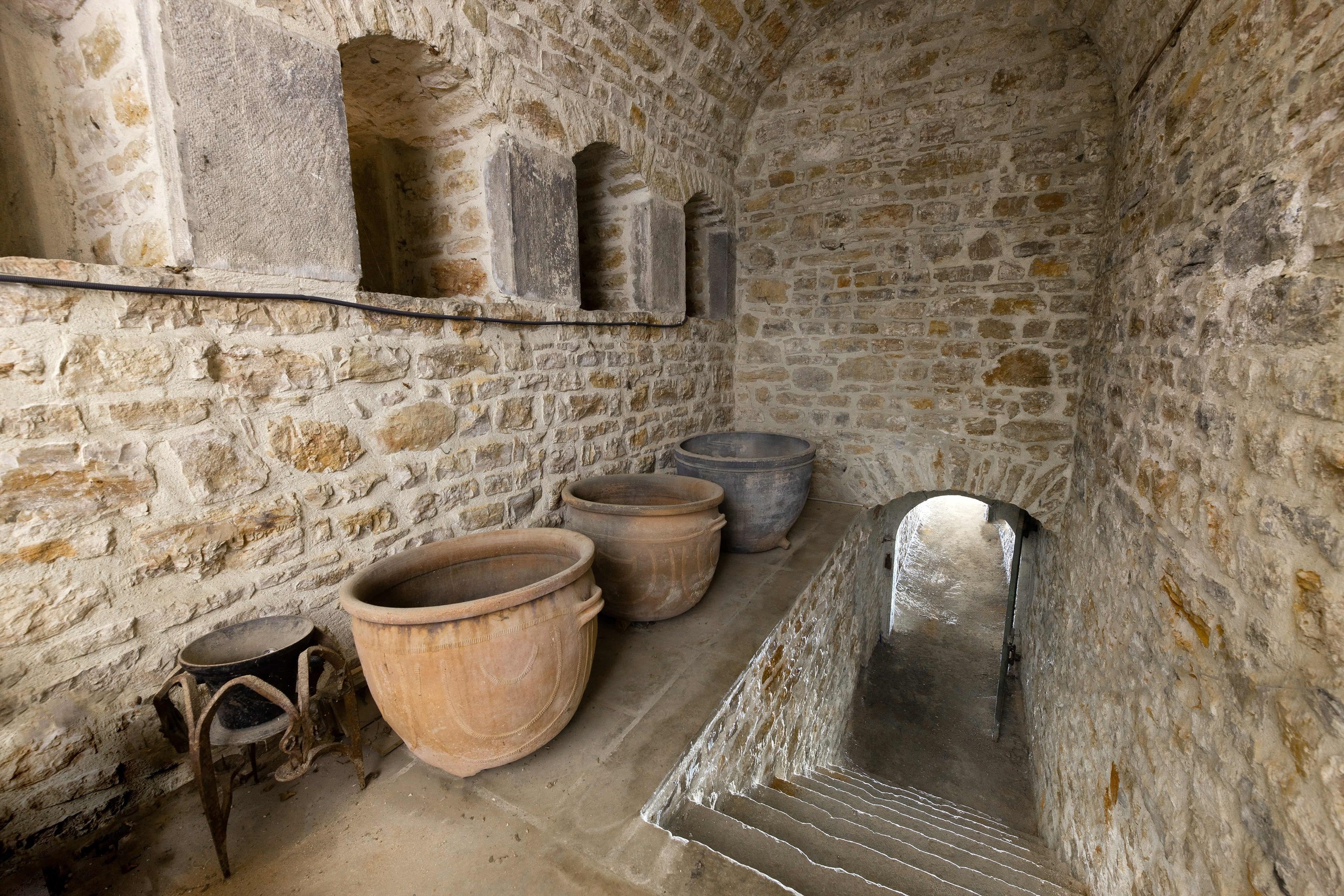
The Fort de Vaise overlooks the Gorge de Loup district, in the 9th arrondissement of Lyon. From its heights, facing Fourvière, it was meant to watch for invasions from the…
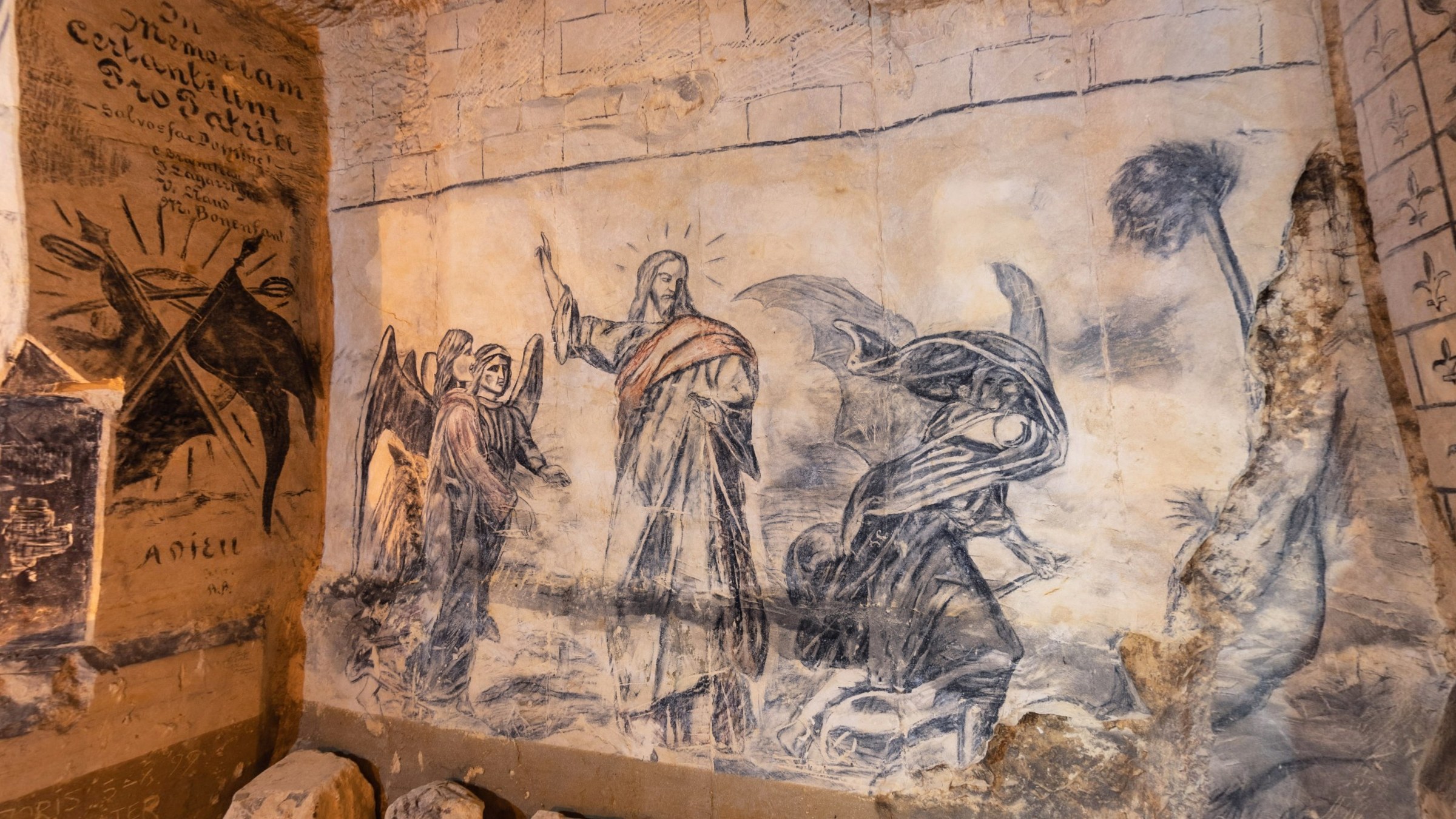
Rock art is anything painted or engraved on rock. The term first brings prehistory to mind. Here, in a former underground quarry, it refers to large religious drawings traced in…
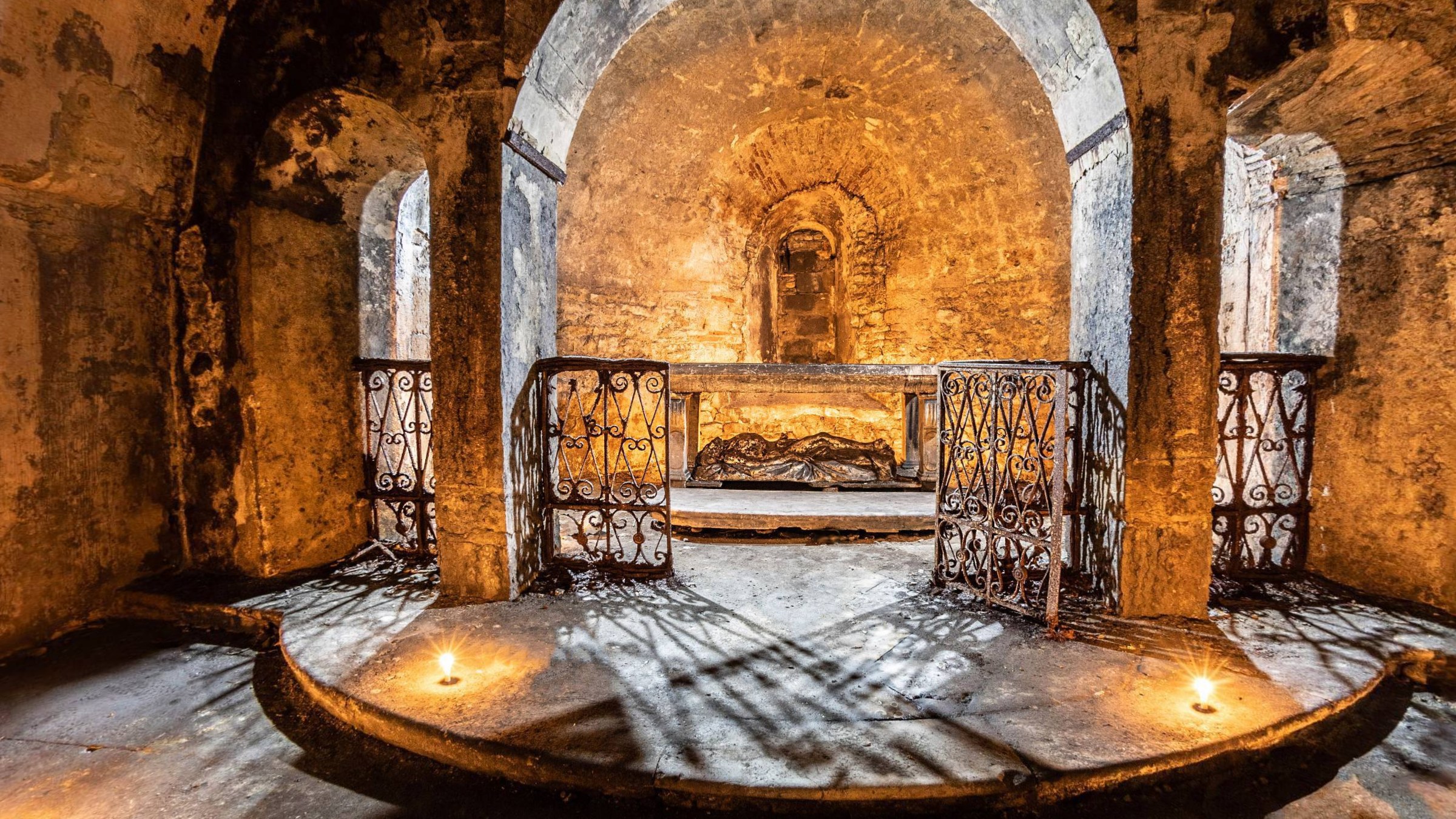
Notre-Dame-de-Cana is an assumed name, chosen so as not to identify the place. A crypt is a room built beneath the choir of a church or chapel, often to house…
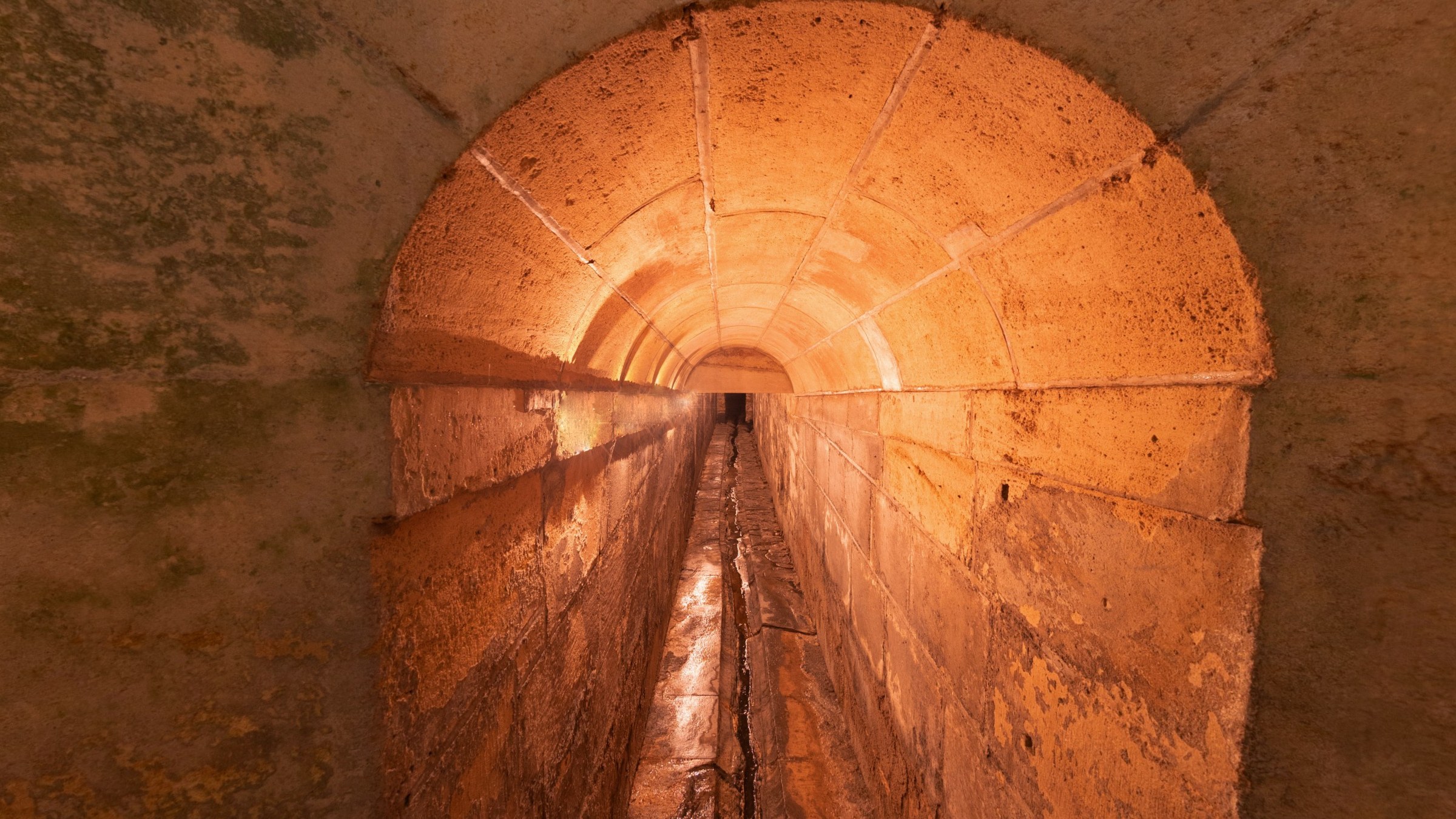
On the heights of Belleville, a small stone building topped with a dome and a small lantern guards the access to an old water network. The Regard de la Lanterne…
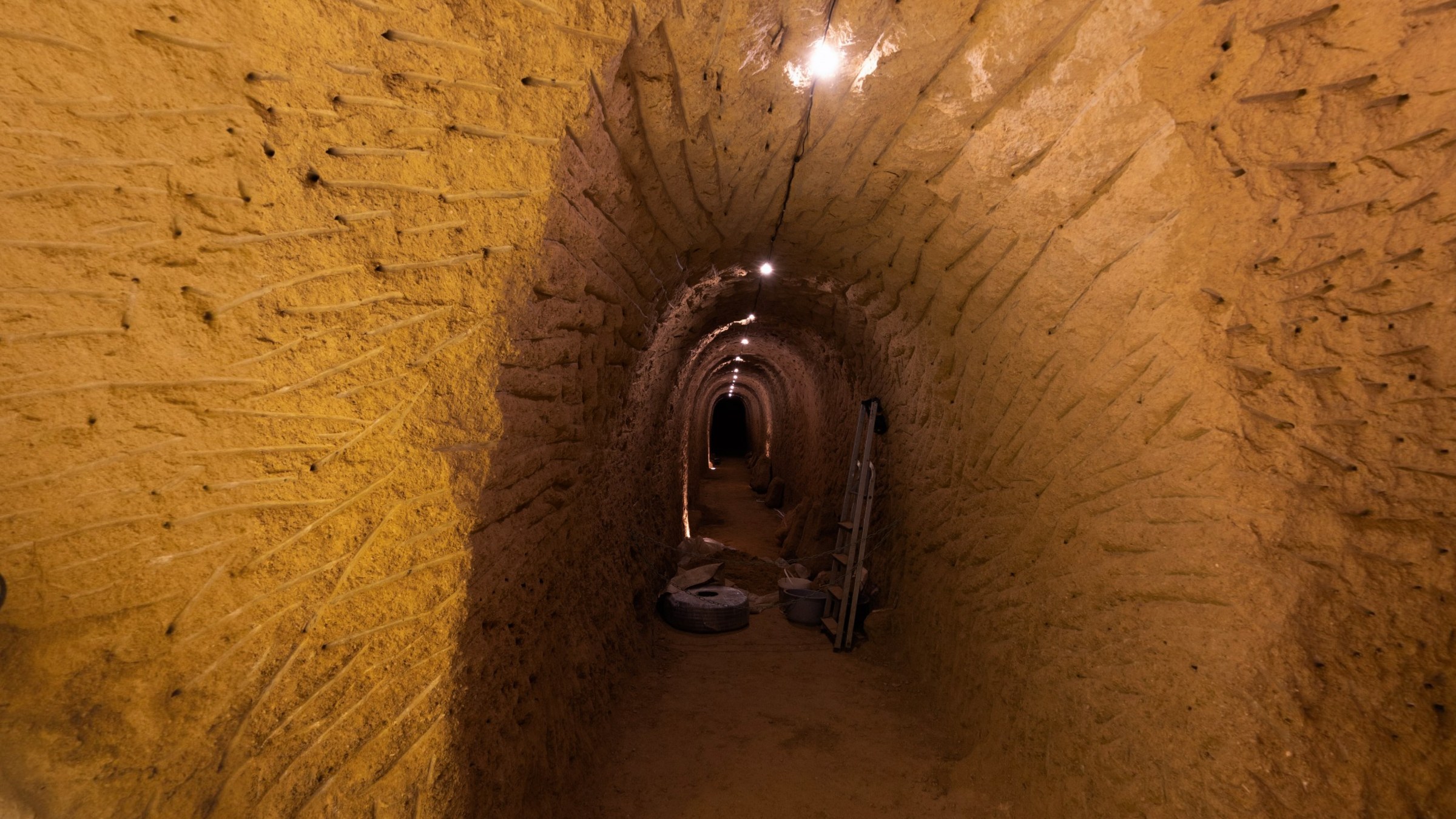
45 million years ago, Champagne was a tropical coast. After a short period during which the land had emerged, a warm sea once again invaded the region. Its shoreline ran…

It took nearly an hour and a half of hiking to reach the entrance of this cave, which opened beneath the Arolla glacier, in the Swiss Valais. The panorama was…
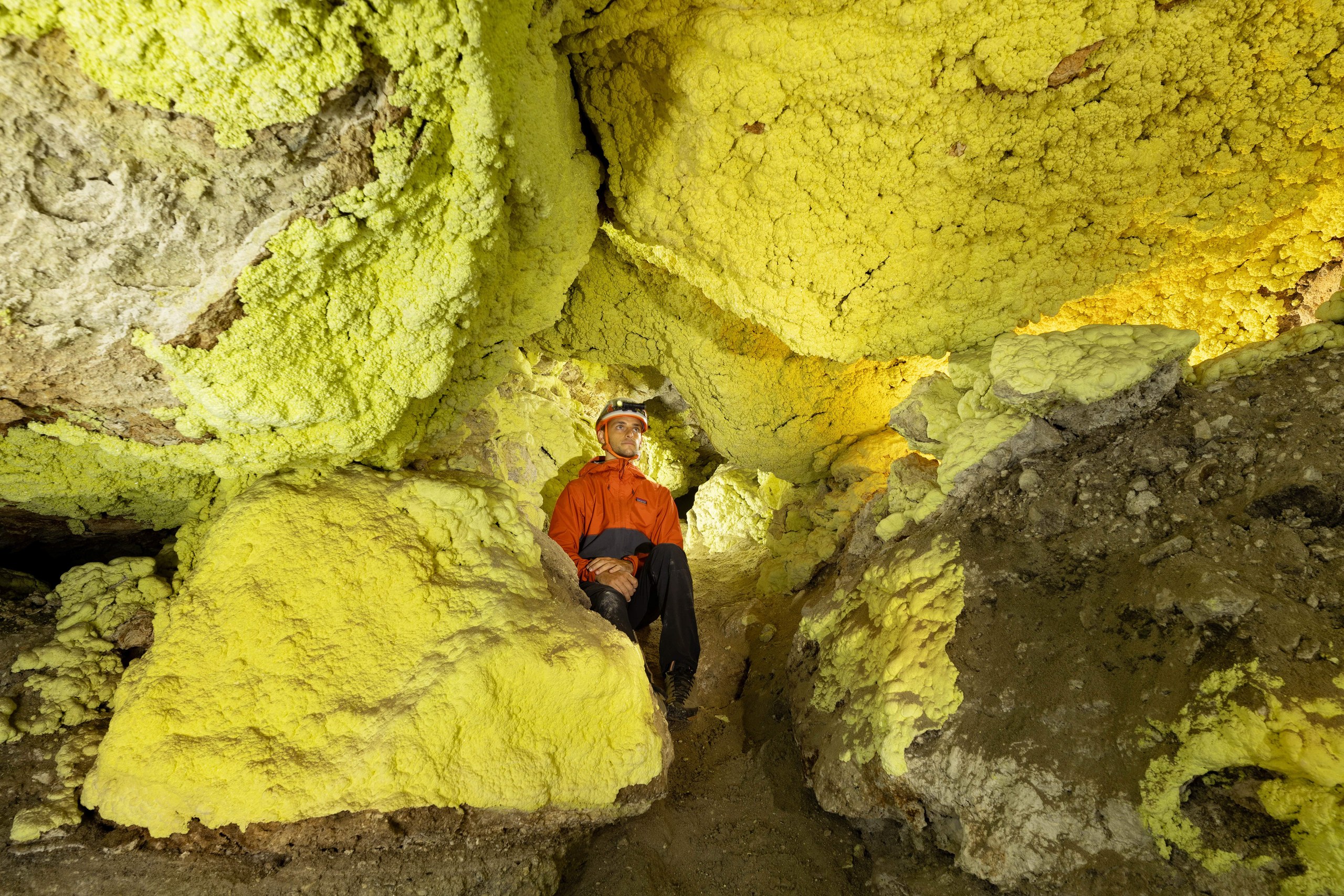
The sulfur and gypsum cave in Sicily extends over a total length of 140 m in limestone of Messinian age (Upper Miocene: between 5.97 and 5.33 Ma) and is characterized…
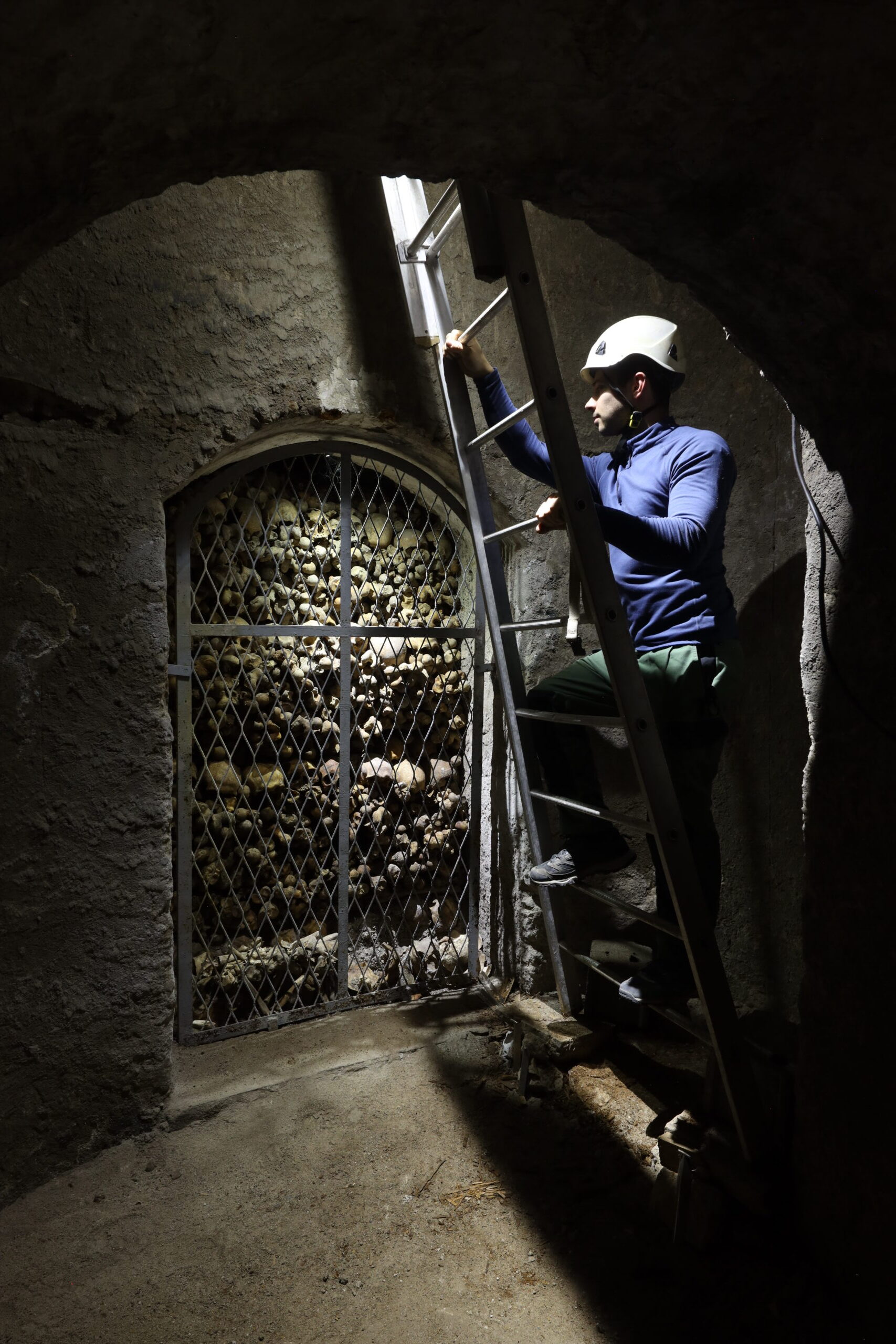
Beneath Orléans lies a place that has changed trades three times. Stone was first extracted from it. Goods were then stored in it. Then, in the 18th century, the dead…
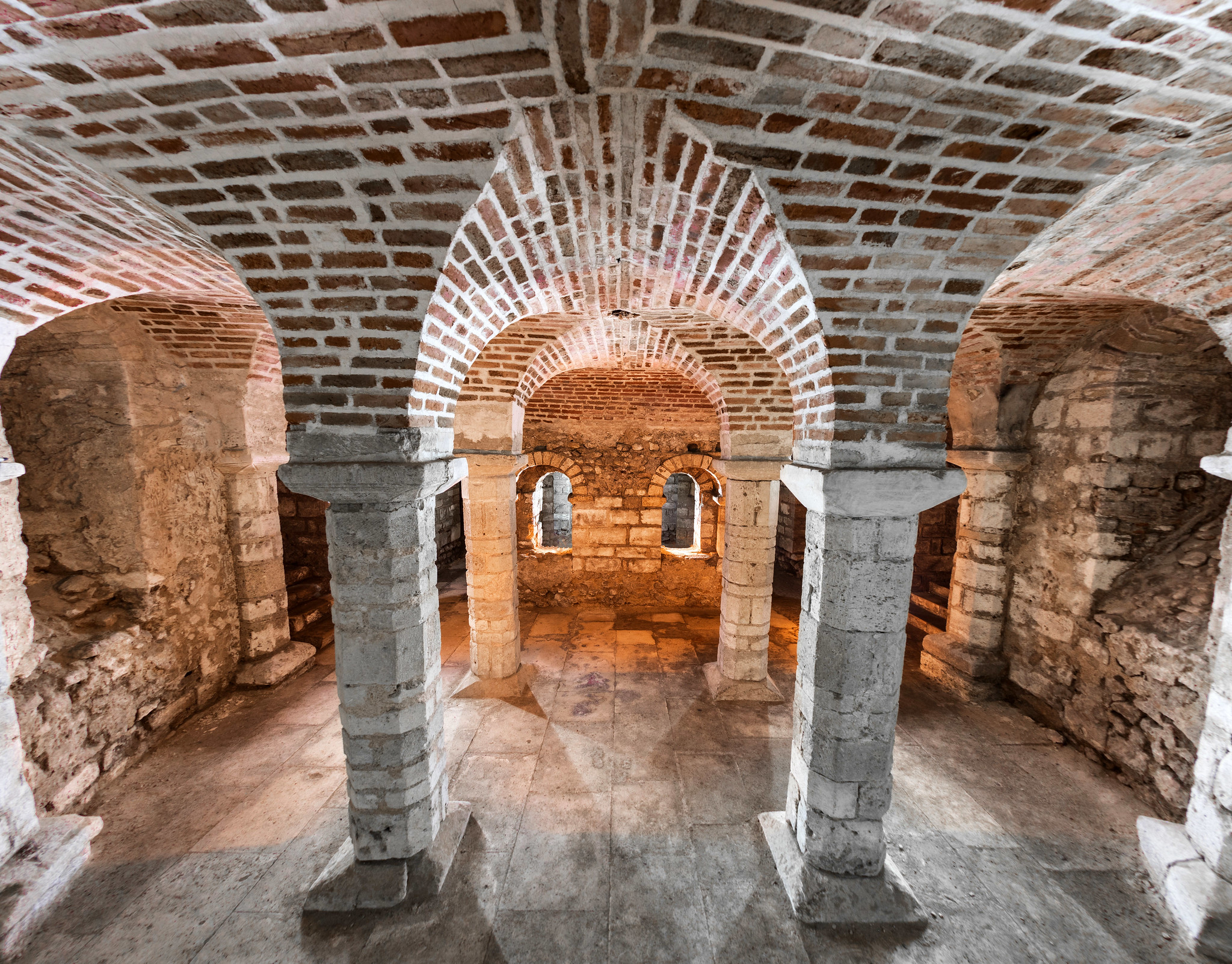
Below street level, Orléans preserves two of the oldest Romanesque crypts in France. Saint-Aignan and Saint-Avit both date from the 11th century, and both were built for the same reason:…