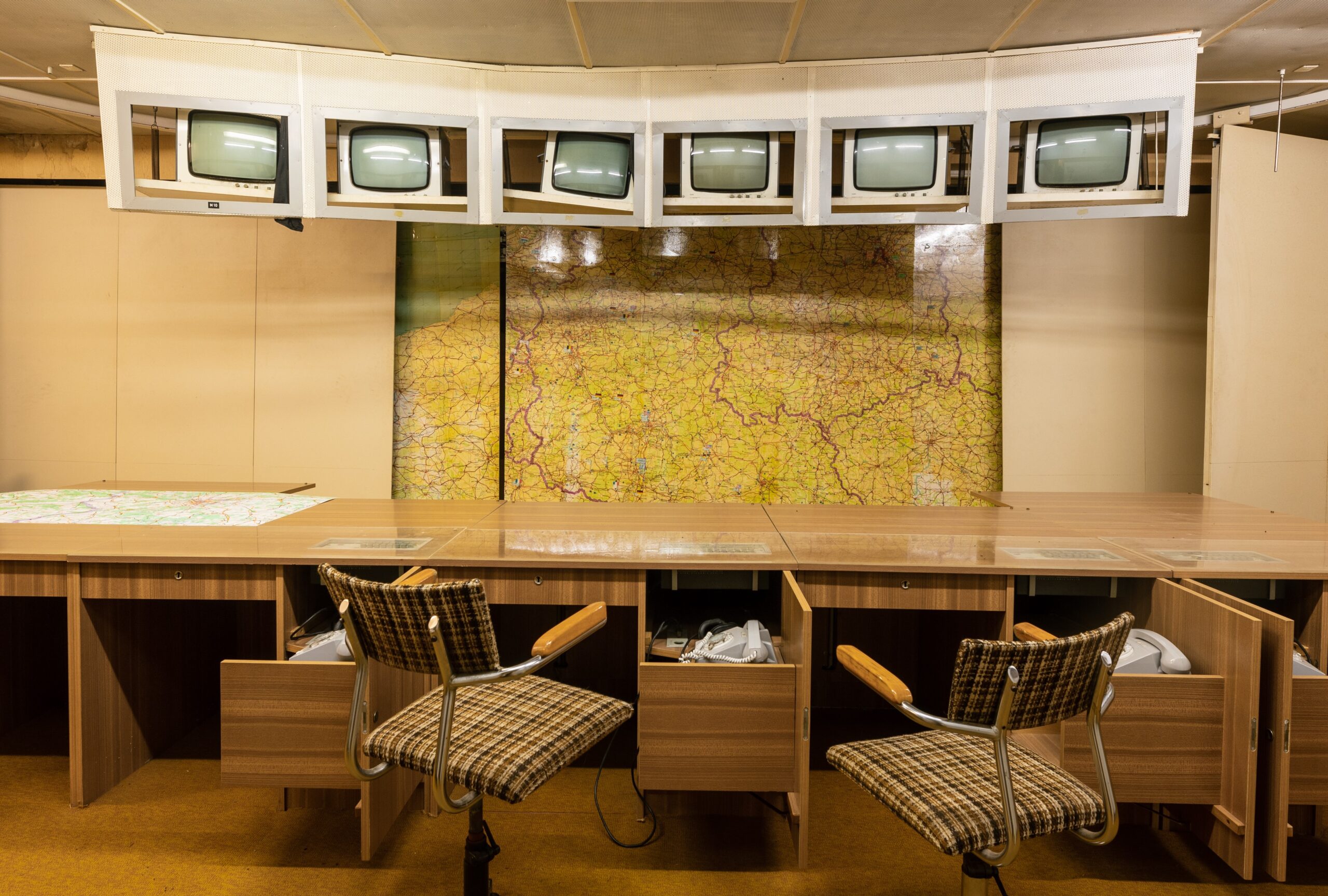
Harnekop Bunker (GDR): visit to a nuclear bunker near Berlin
Introduction The Harnekop nuclear bunker served as the main command post for the East German Ministry of Defense and the National People's Army in the event of a nuclear attack.…


This section gathers virtual tours of underground locations, including the tomb of Ramesses VI, the Serapeum of Saqqara, Roman catacombs, and Père Lachaise cemetery crypt. It features engineering sites such as Maltese limestone cisterns, the 1870s Caluire reservoir, the Bicêtre hospital well, the Harnekop nuclear bunker near Berlin, and Parisian underground quarries. Readers learn about the history, architecture, and scientific uses of subterranean structures across different historical periods.
Introduction The Harnekop nuclear bunker served as the main command post for the East German Ministry of Defense and the National People's Army in the event of a nuclear attack.…
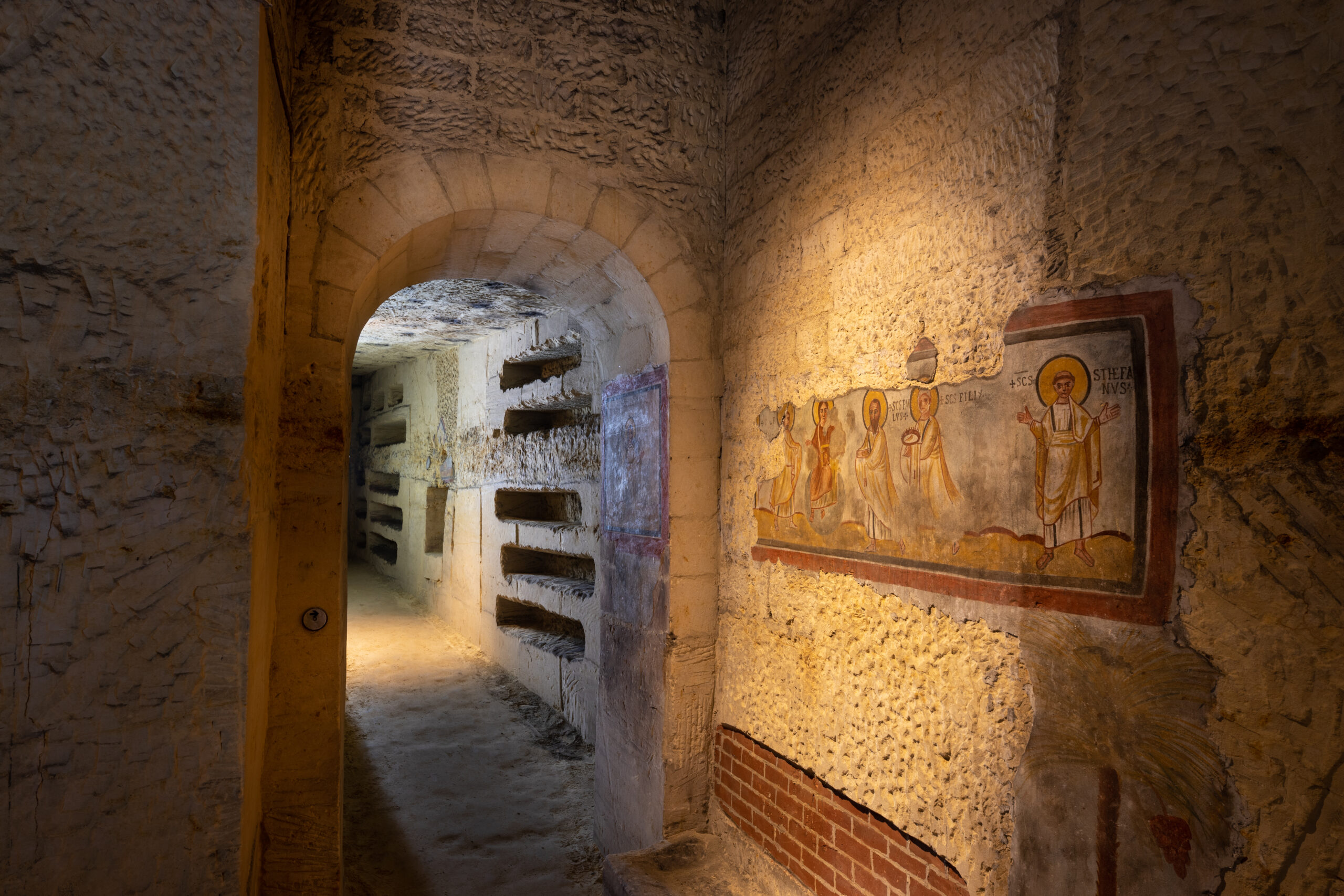
The Catacombs of Rome: An Underground Journey Through History Dive into the depths of the Eternal City and discover the fascinating Roman catacombs, silent witnesses to nearly two millennia of…
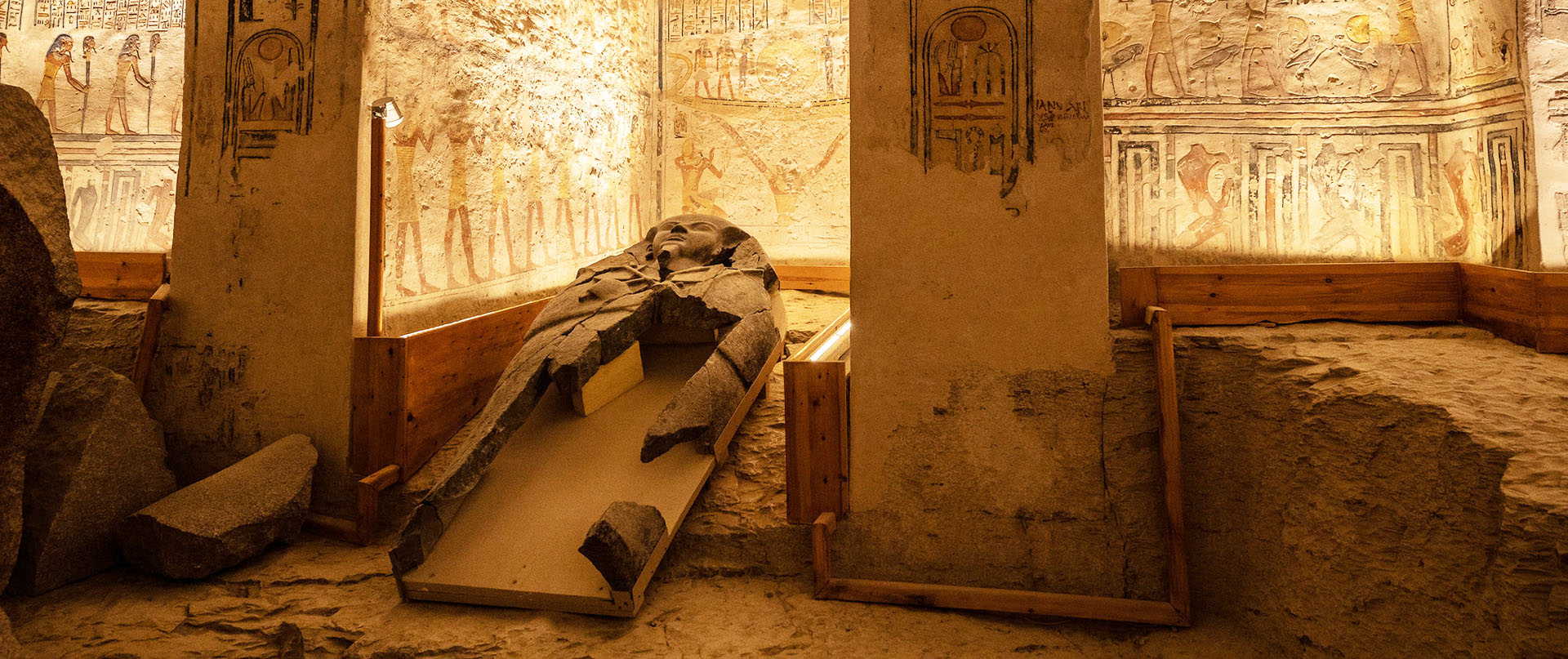
The tomb of Pharaoh Ramesses VI is located in the Valley of the Kings, near Luxor, Egypt. It was built during the New Kingdom period, towards the end of the…
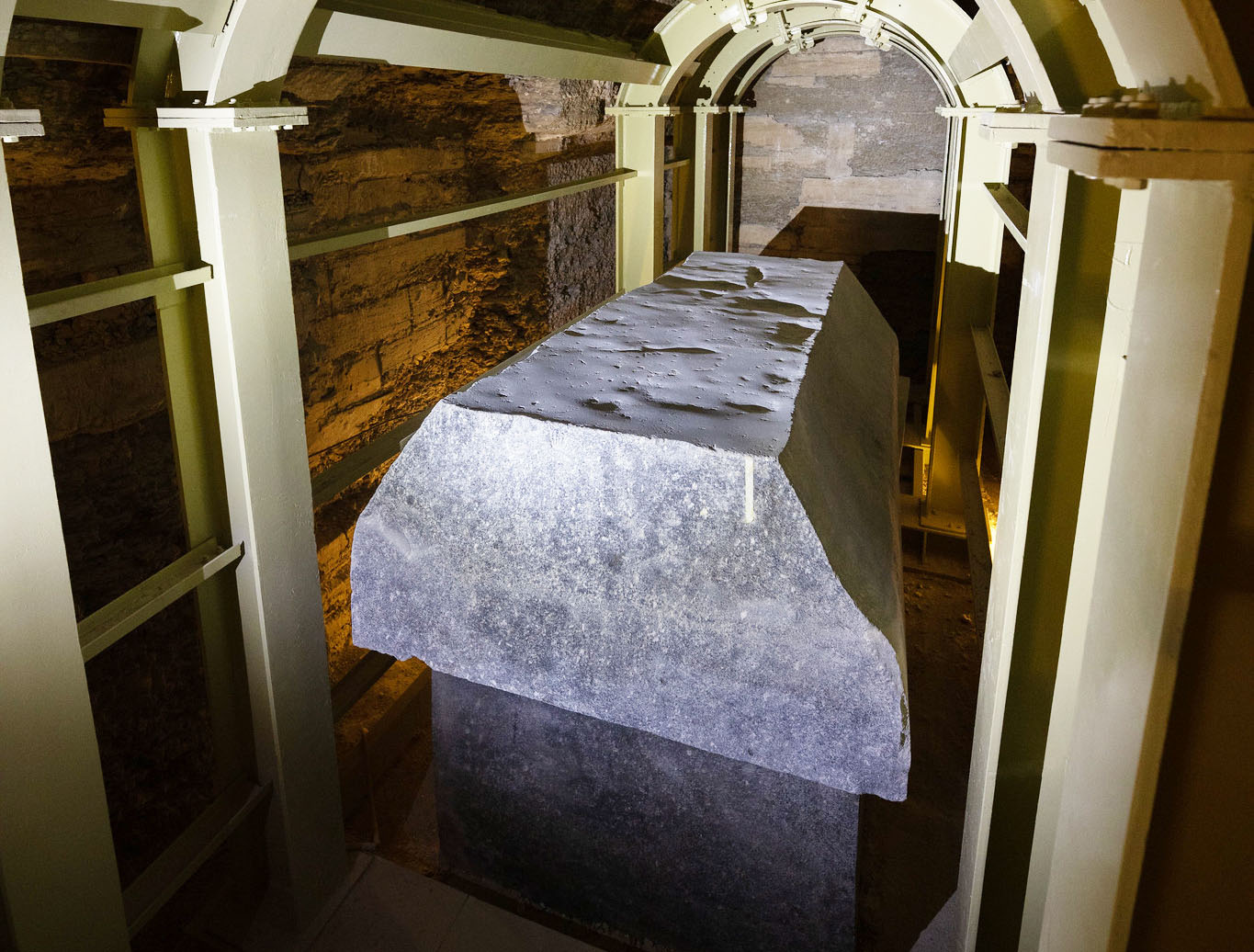
The Serapeum of Saqqara (also called the Serapeum of Memphis) is located about twenty kilometers south of Giza, on the necropolis of Saqqara. The site is dedicated to the worship…
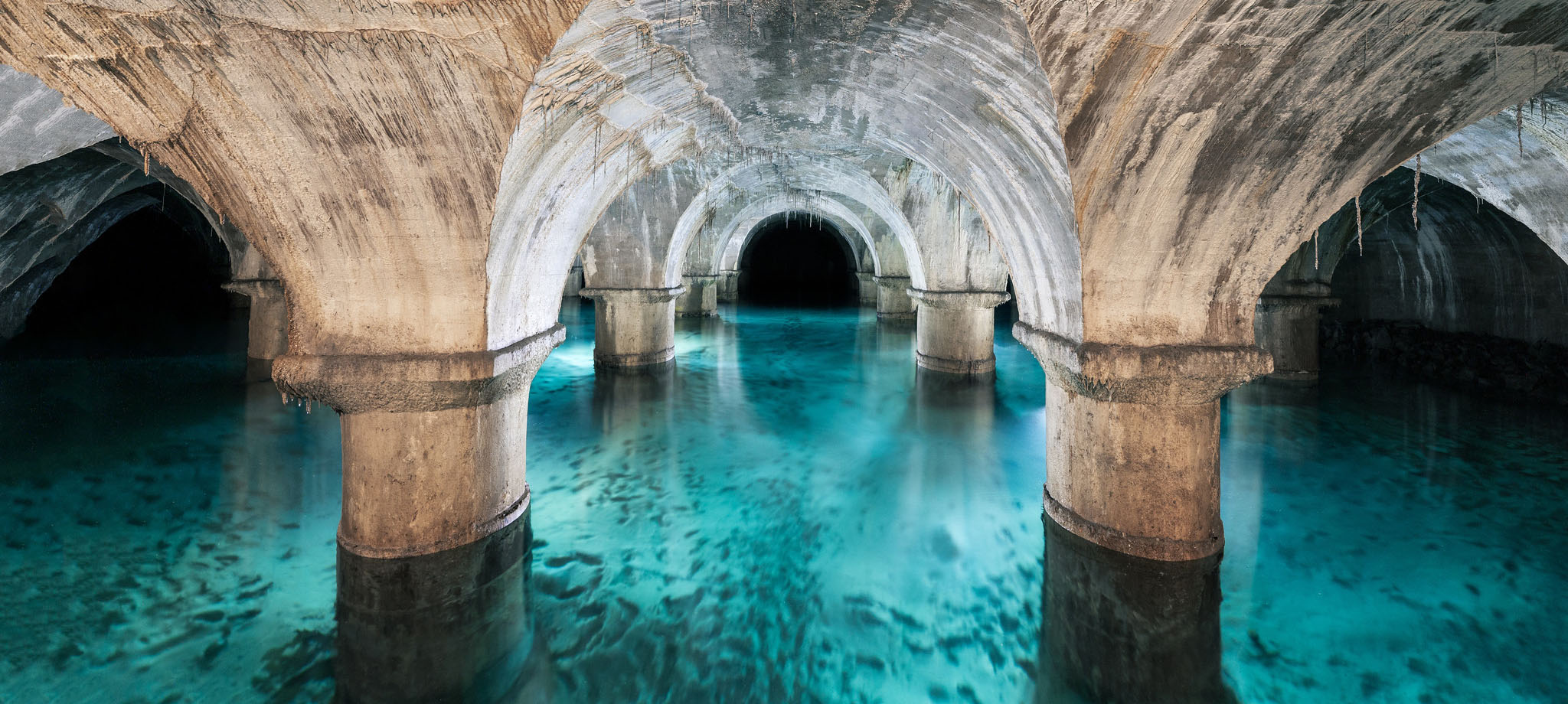
The Caluire reservoir, located near the Usine des Eaux de Saint-Clair, was built in the 1870s. It has a storage capacity of over 4 million cubic metres of water and…
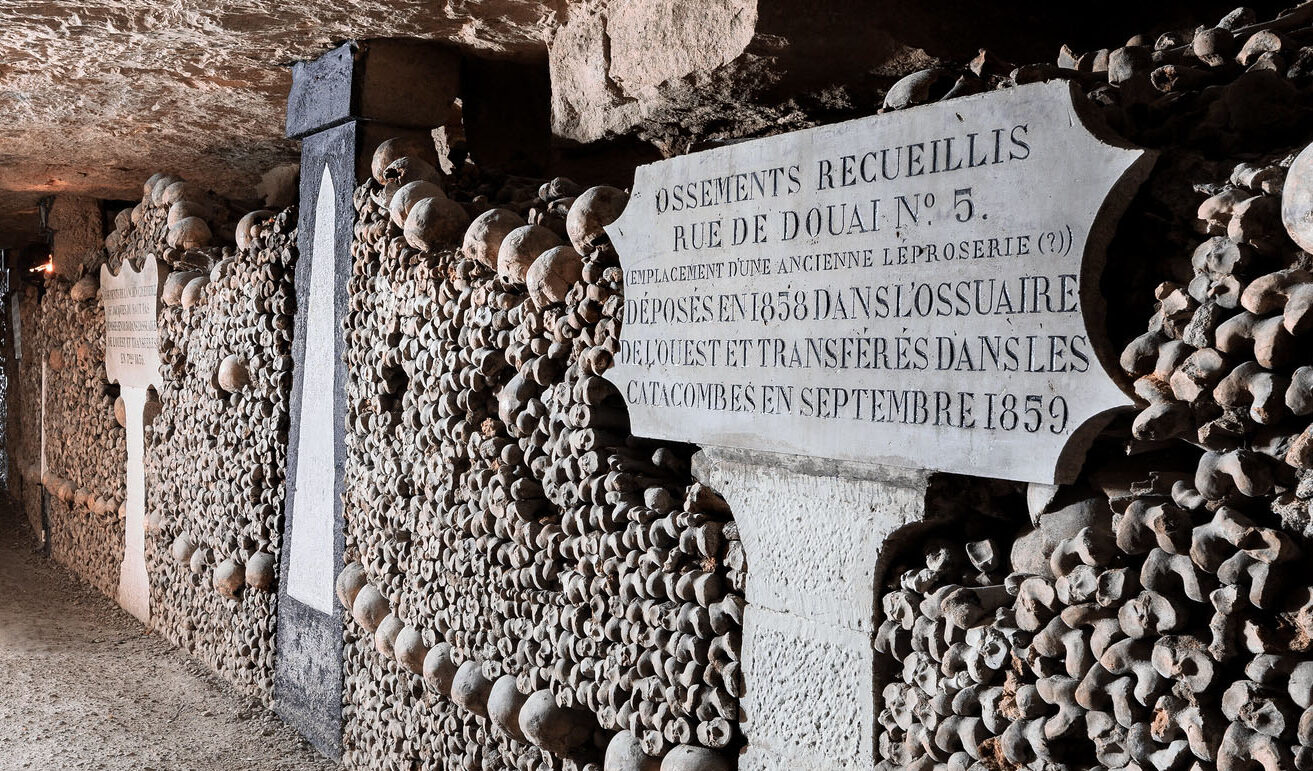
Dive into the heart of the mysterious catacombs of Paris Welcome to our immersive virtual tour of the famous Paris catacombs. Thanks to 360° technology, you will be able to…
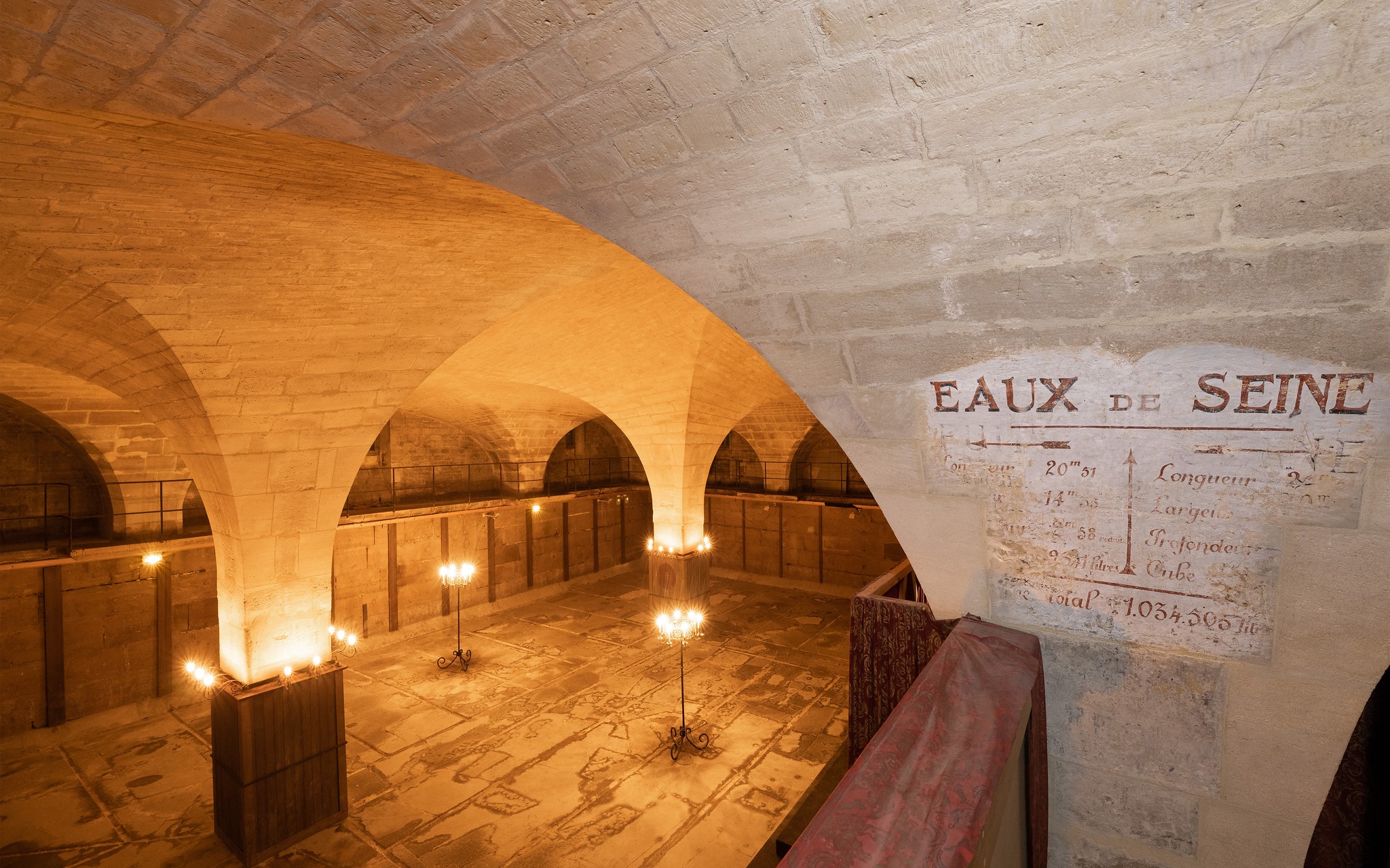
Introduction Louis XIII had the imposing Bicêtre hospital ap-hp built for "soldiers crippled in the army". Louis XIV converted it into a "hospice for poor beggars, a prison for the…
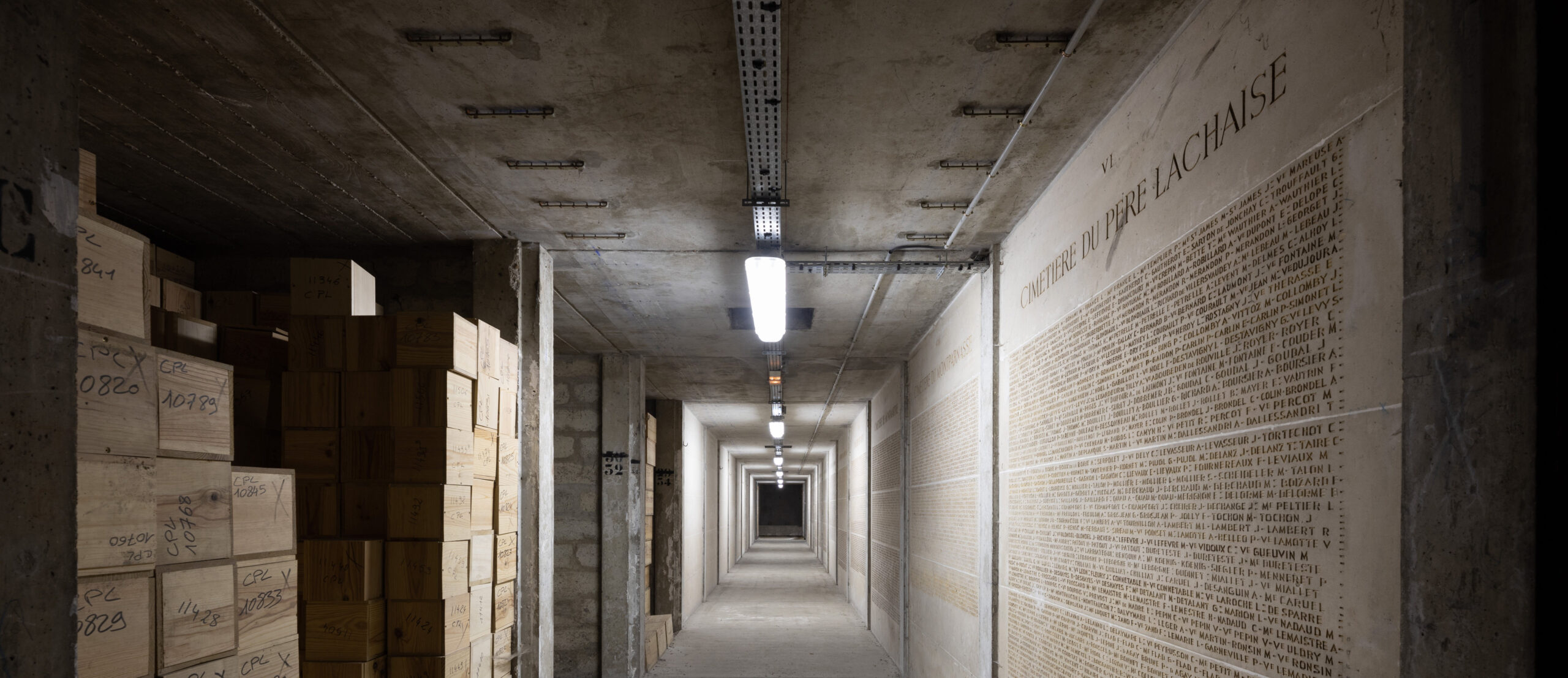
The public is generally unaware that behind the Bartholomew war memorial lies an ossuary intended to collect the mortal remains from the abandoned concessions of various cemeteries: the crypt of…
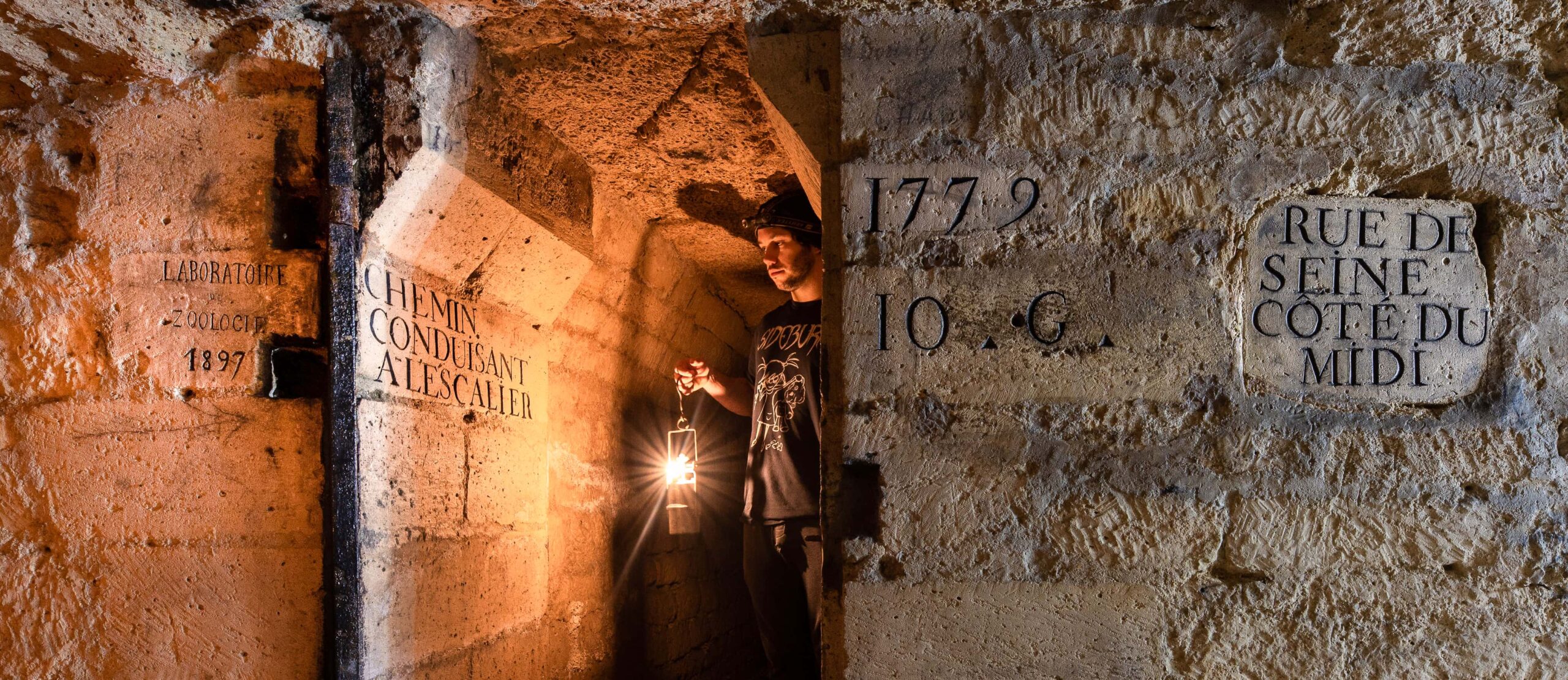
From the end of the 19th century and the beginning of the 20th century, the Parisian quarries were a privileged place for the study of cave fauna and flora; in…
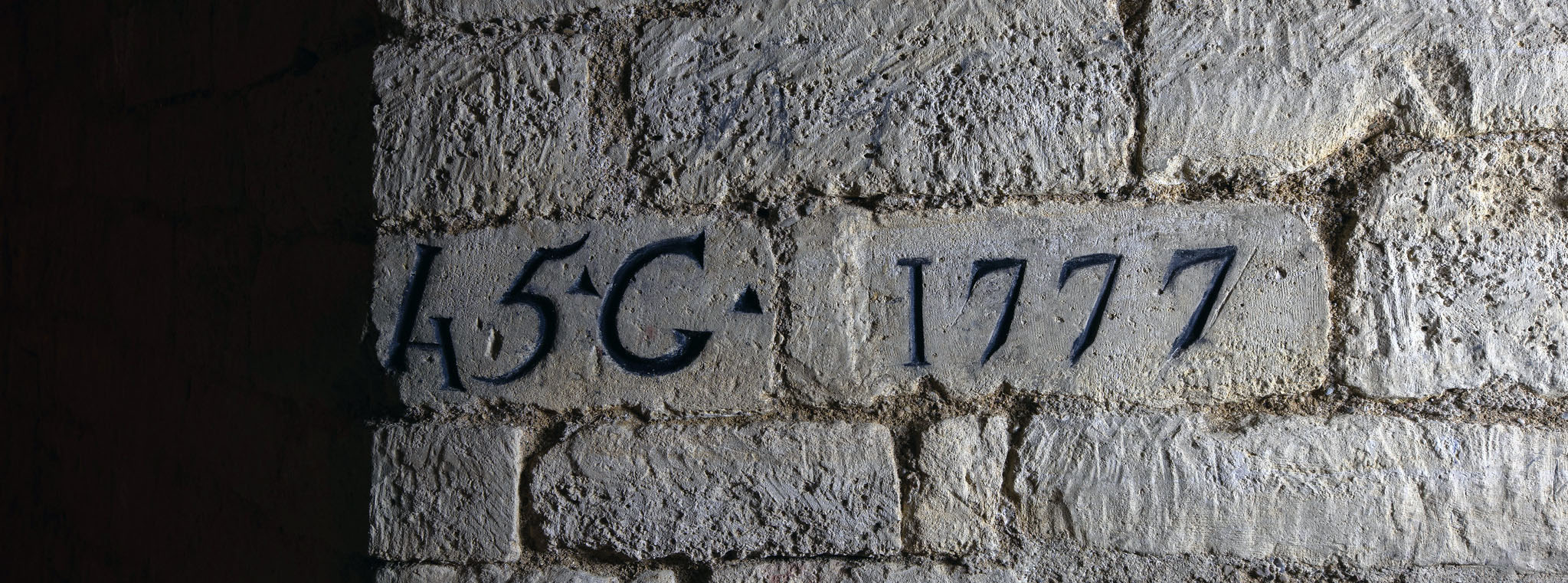
Discover a unique place in the underground quarries of Paris, located under the Cochin hospital; the Capuchin quarry, preserved, restored and enhanced by an association since 1983! Virtual tour :…