

PHOTOGRAPHIC SERIES · CARVED HERITAGE
Underground landscapes
This page brings together a selection of underground photographs devoted to heritage carved by human hands: quarries, mines, troglodyte caves, crypts, bunkers, creutes and hydraulic works. Each series links to a dedicated article presenting the type of cavity, its historical and technical context, and the particularities of the site photographed.
THE SERIES
One type of cavity per series
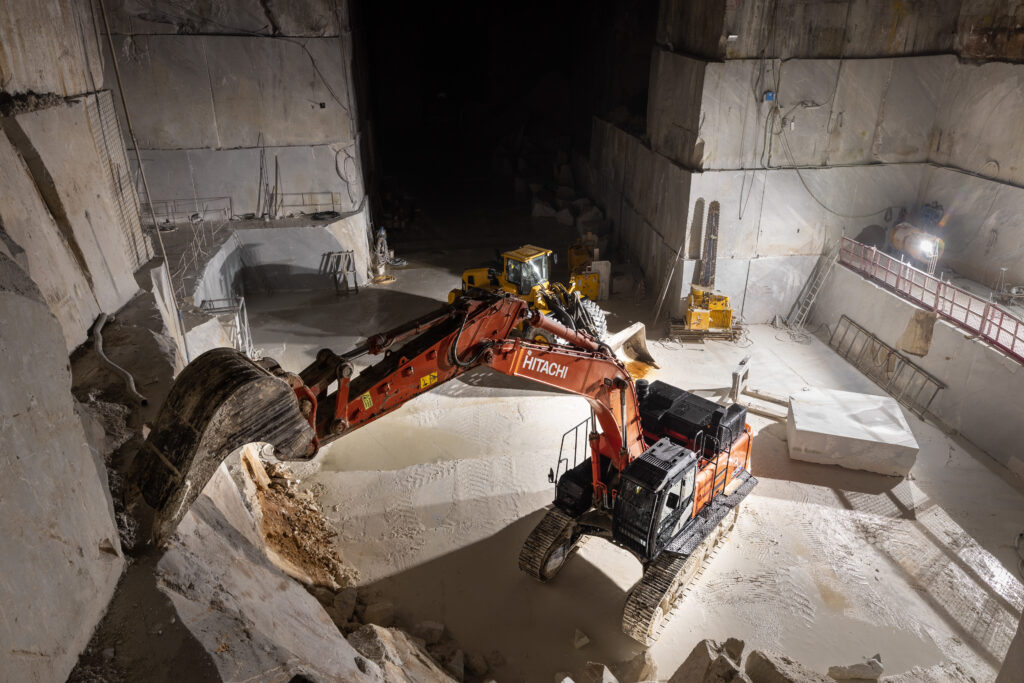 Underground quarries
, dedicated to the extraction of minerals such as limestone, gypsum and chalk, are spaces dug beneath the earth’s surface.
Learn more →
Underground quarries
Underground quarries, dedicated to the extraction of minerals such as limestone, gypsum and chalk, are spaces dug beneath the earth’s surface.
Learn more →
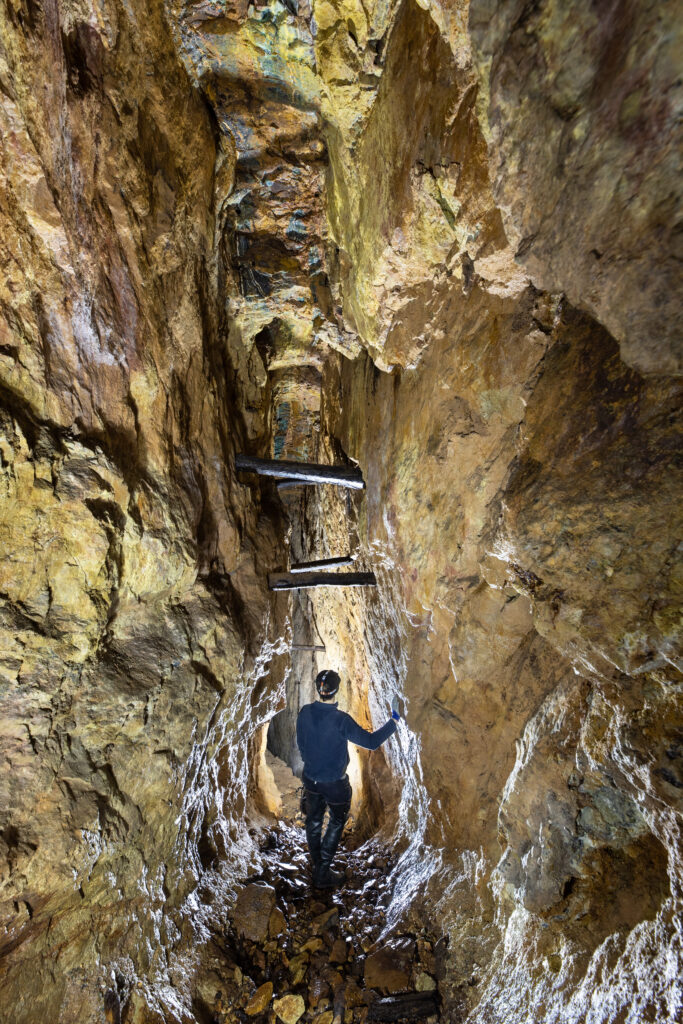 Mining operations
Mining is the process of extracting minerals, precious metals or other geological substances from the earth. It often involves the creation of mines to extract these resources, which can have significant environmental and social impacts.
Learn more →
Mining operations
Mining is the process of extracting minerals, precious metals or other geological substances from the earth. It often involves the creation of mines to extract these resources, which can have significant environmental and social impacts.
Learn more →
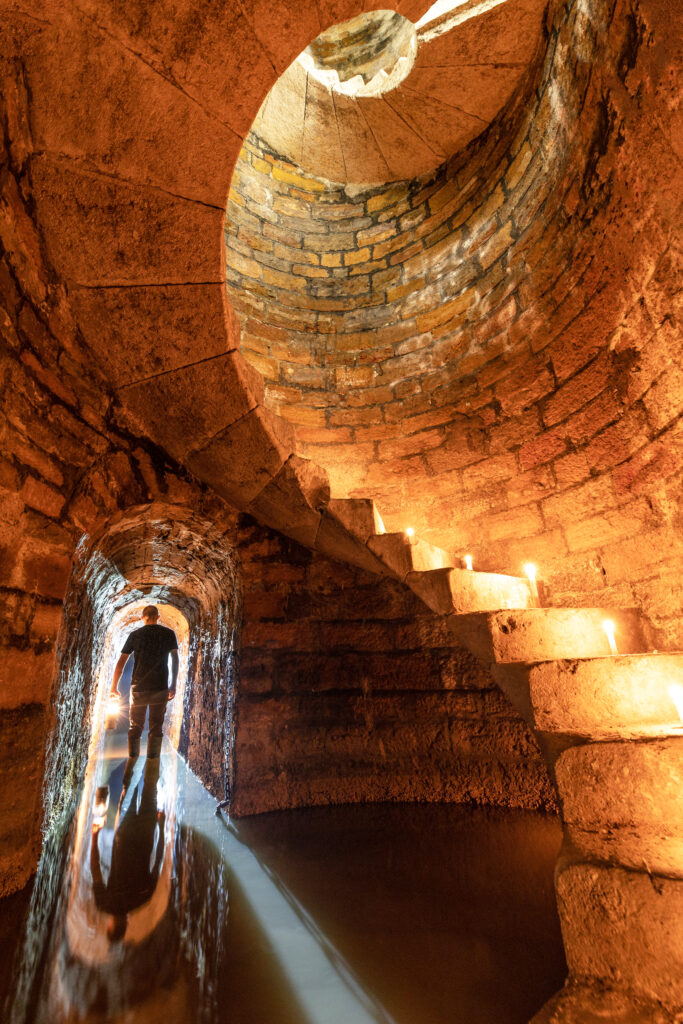 Wells and access
Shafts and underground accesses play a crucial role in mining operations, enabling the entry and exit of personnel and the transport of extracted materials.
Learn more →
Wells and access
Shafts and underground accesses play a crucial role in mining operations, enabling the entry and exit of personnel and the transport of extracted materials.
Learn more →
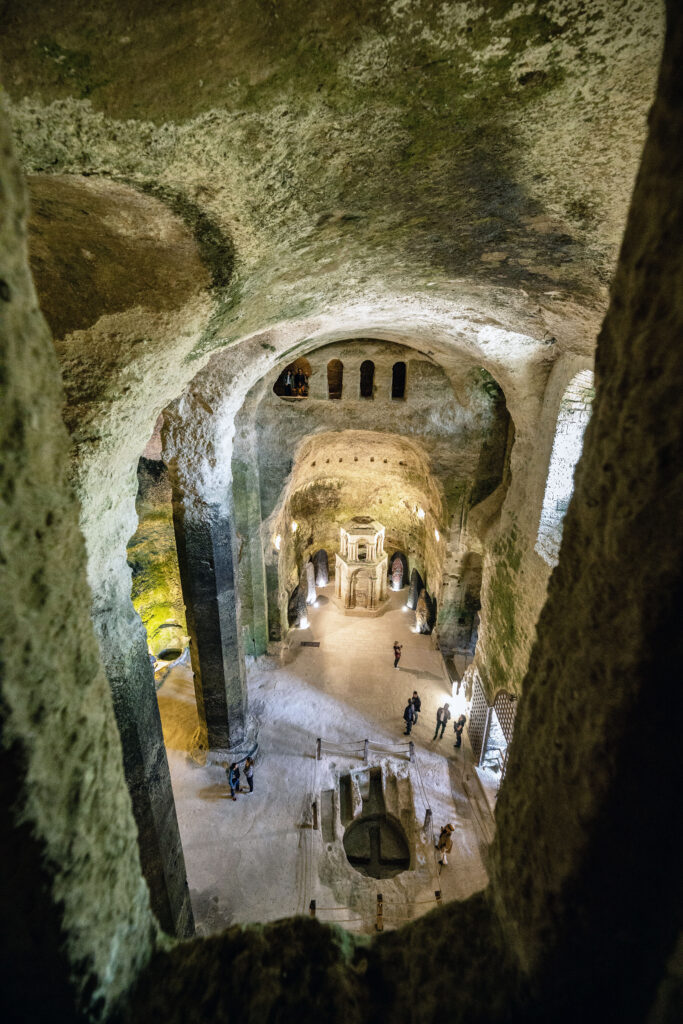 Caves and cave dwellings
Troglodyte sites encompass a variety of spaces, such as dwellings, cellars, warehouses and churches, carved out of the rock. These underground structures offer stable thermal conditions and have been used throughout history for a variety of functions.
Learn more →
Caves and cave dwellings
Troglodyte sites encompass a variety of spaces, such as dwellings, cellars, warehouses and churches, carved out of the rock. These underground structures offer stable thermal conditions and have been used throughout history for a variety of functions.
Learn more →
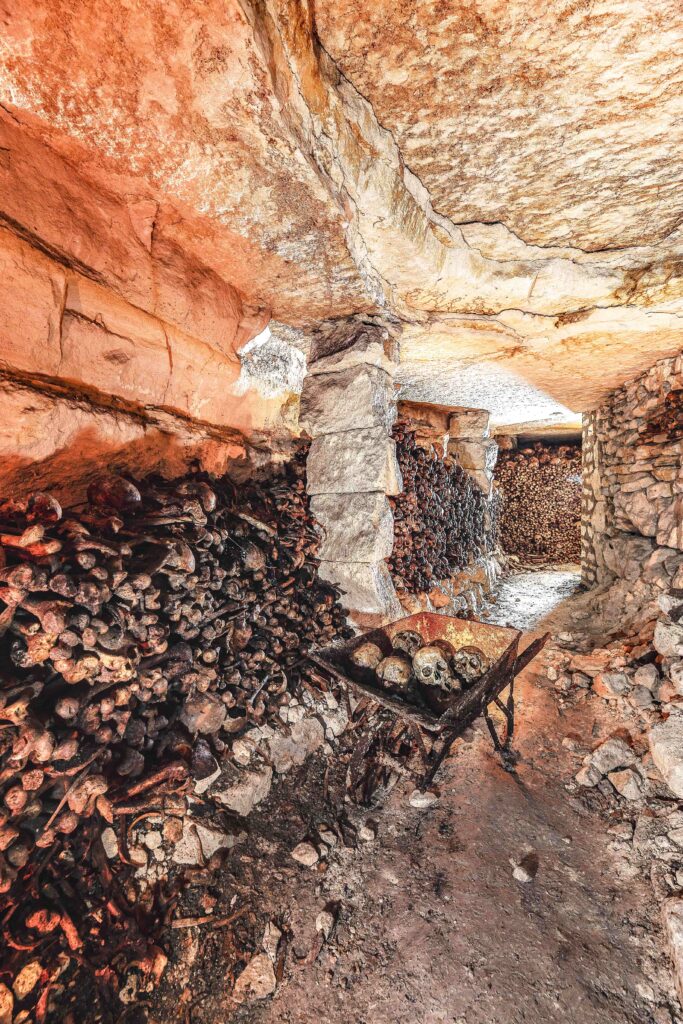 Crypts and ossuaries
 serve as places of burial and remembrance, housing the mortal remains of the deceased. They are usually artistically decorated and organized, with arrangements of bones, inscriptions and sometimes religious relics.
Learn more →
Crypts and ossuaries
Crypts and ossuaries serve as places of burial and remembrance, housing the mortal remains of the deceased. They are usually artistically decorated and organized, with arrangements of bones, inscriptions and sometimes religious relics.
Learn more →
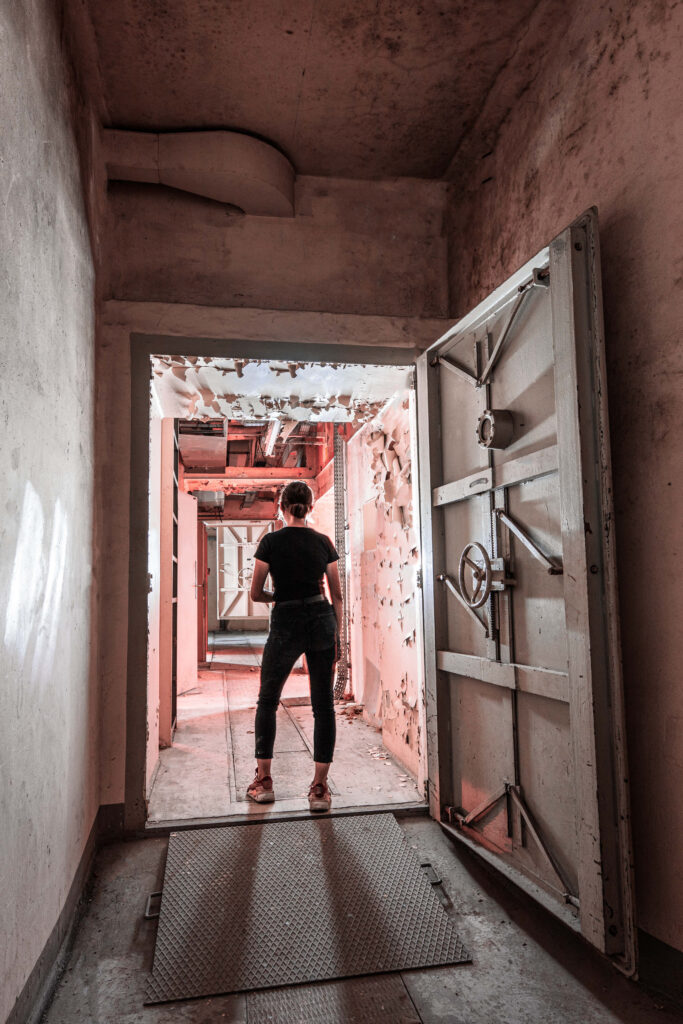 Bunkers
Passive or active defense shelters, designed for civilians or businesses, are facilities specially fitted out to provide protection against threats such as air attacks, natural disasters or emergencies.
Learn more →
Bunkers
Passive or active defense shelters, designed for civilians or businesses, are facilities specially fitted out to provide protection against threats such as air attacks, natural disasters or emergencies.
Learn more →
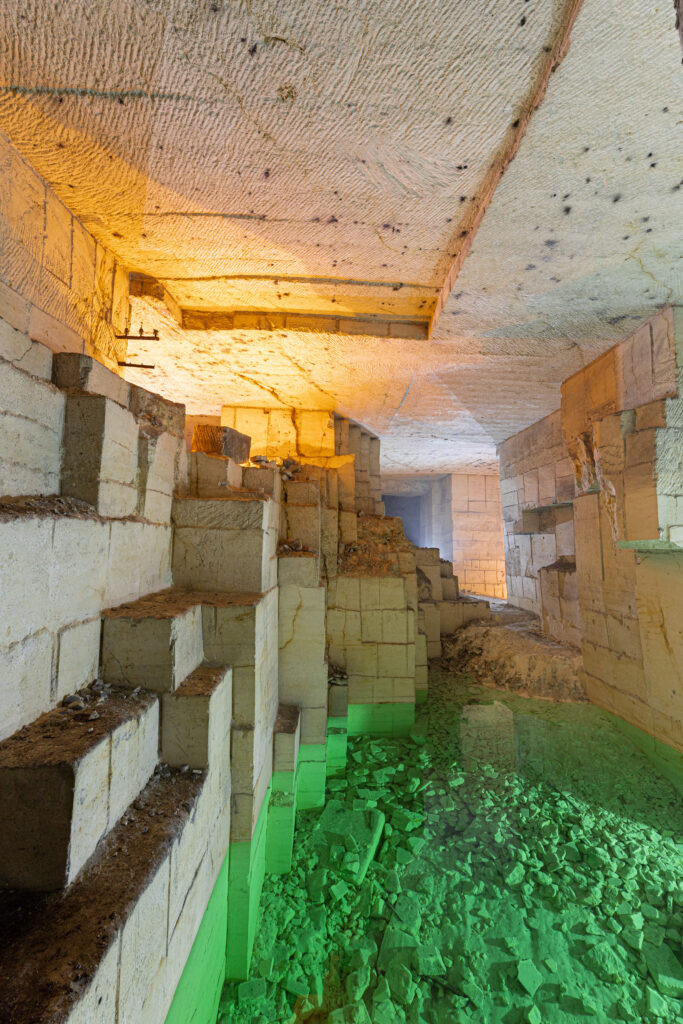 Groundwater management
Water management is necessary for water supply, agricultural irrigation and the mining industry.
Learn more →
Groundwater management
Water management is necessary for water supply, agricultural irrigation and the mining industry.
Learn more →
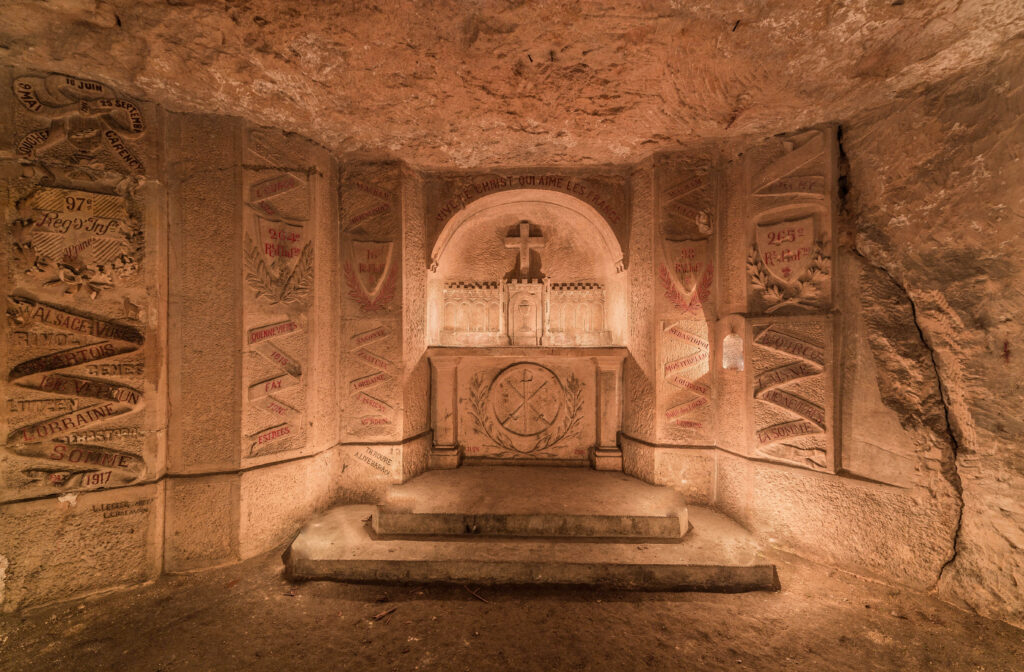 The creutes
, underground cavities found in France, were mainly used during the First World War as shelters and storage areas. These structures, usually carved out of limestone, bear witness to crucial historical periods.
Learn more →
The creutes
The creutes, underground cavities found in France, were mainly used during the First World War as shelters and storage areas. These structures, usually carved out of limestone, bear witness to crucial historical periods.
Learn more →
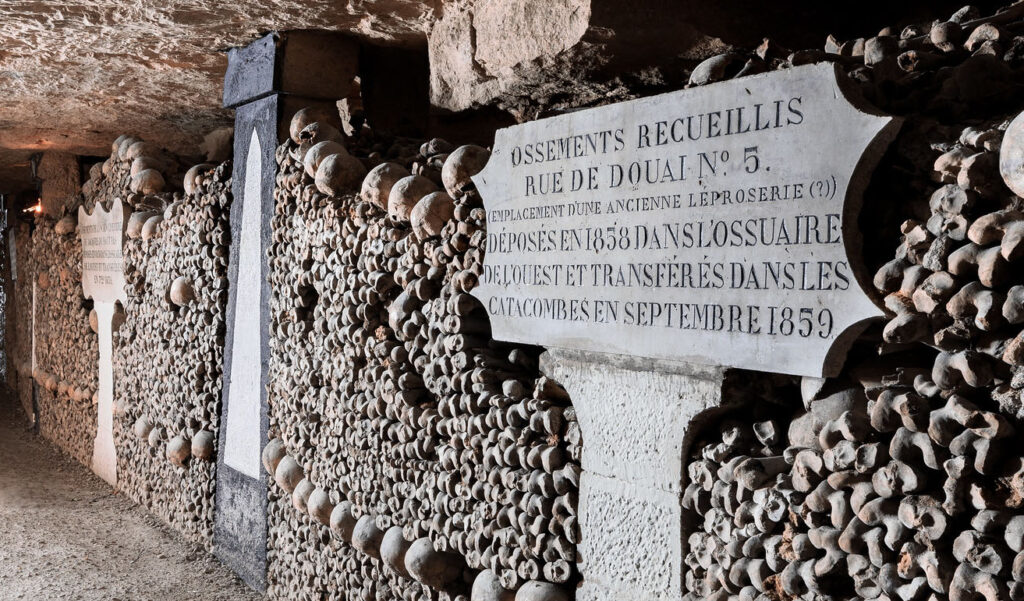 The underground quarries of Paris
The quarries of Paris, originally dug for the extraction of limestone as early as the 12th century, gradually evolved into the ossuary we know today as the Catacombs.
Learn more →
The underground quarries of Paris
The quarries of Paris, originally dug for the extraction of limestone as early as the 12th century, gradually evolved into the ossuary we know today as the Catacombs.
Learn more →
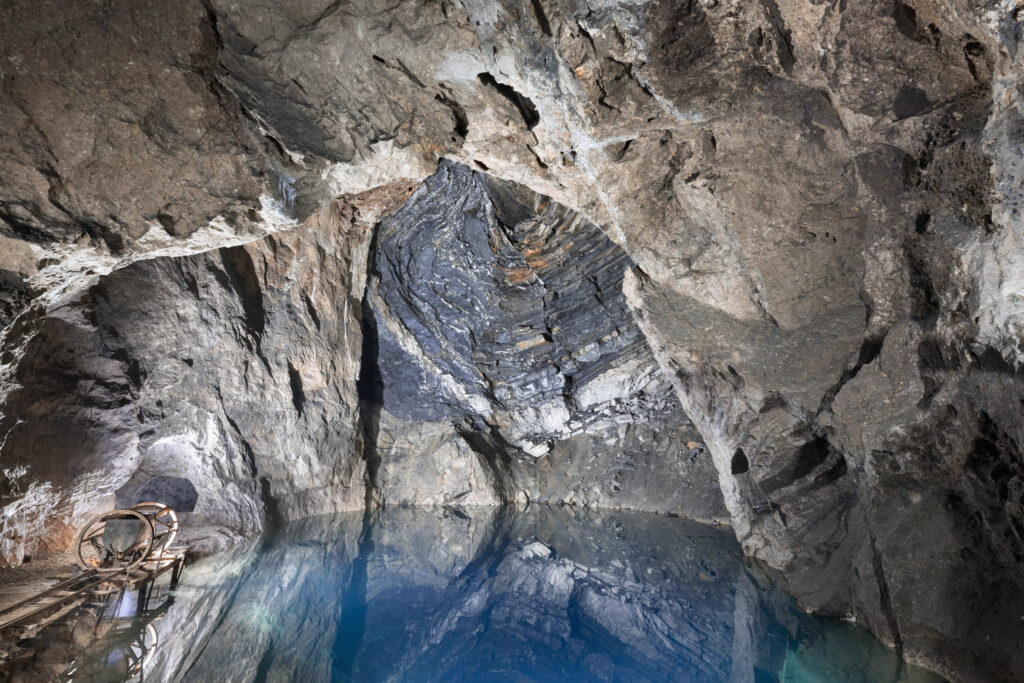 The Milwr Tunnel
In Wales, the Milwr Tunnel is engineering on an outsized scale: 16 km driven inland from the sea to drain flooded mines, revealing a sprawling underground world along the way.
Learn more →
The Milwr Tunnel
In Wales, the Milwr Tunnel is engineering on an outsized scale: 16 km driven inland from the sea to drain flooded mines, revealing a sprawling underground world along the way.
Learn more →
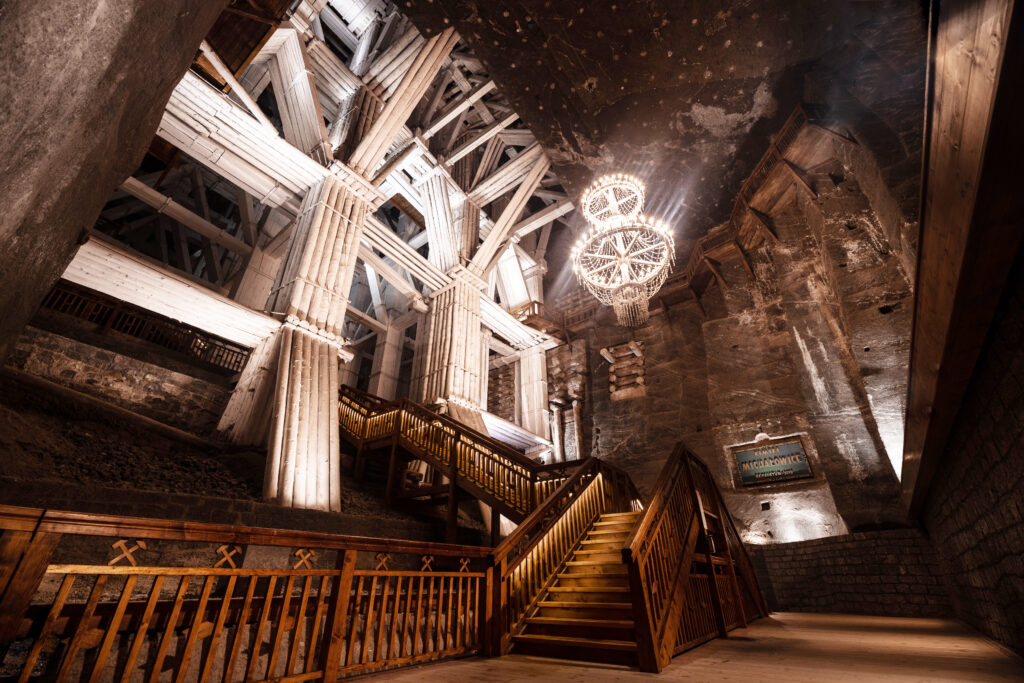 Mining museums
Museums dedicated to the history of the underground offer an immersion into the often little-known history of these underground spaces. These museums shed light on the evolution of quarries and mines, cellars and shelters.
Learn more →
Mining museums
Museums dedicated to the history of the underground offer an immersion into the often little-known history of these underground spaces. These museums shed light on the evolution of quarries and mines, cellars and shelters.
Learn more →
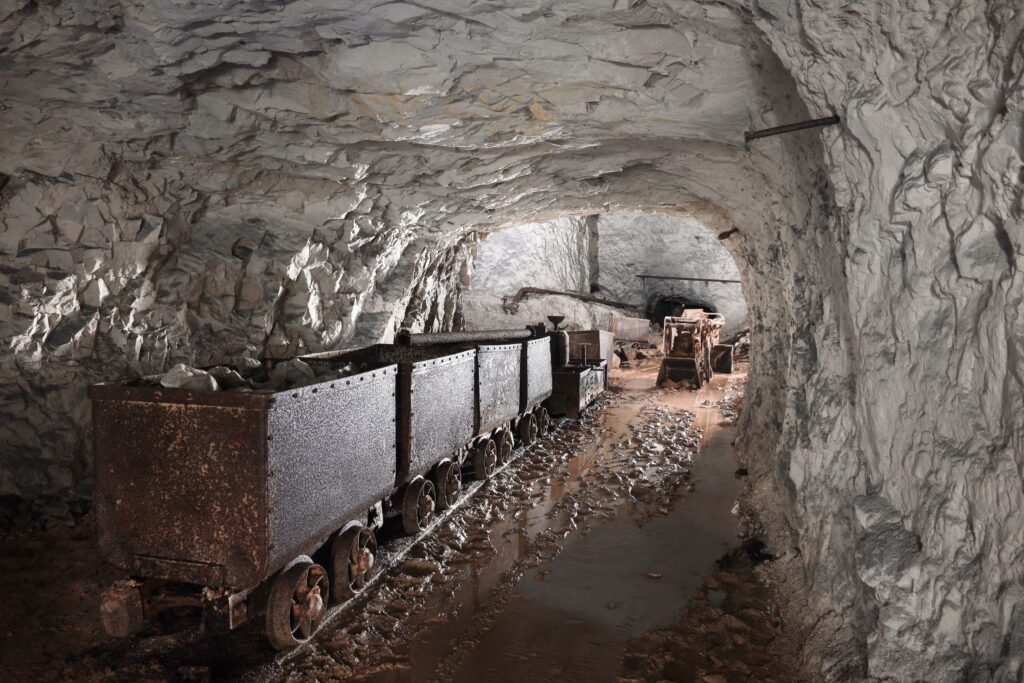 Undergrounds of the United Kingdom
Quarries and mines across the United Kingdom: discover the underground world of the British Isles.
Learn more →
Undergrounds of the United Kingdom
Quarries and mines across the United Kingdom: discover the underground world of the British Isles.
Learn more →
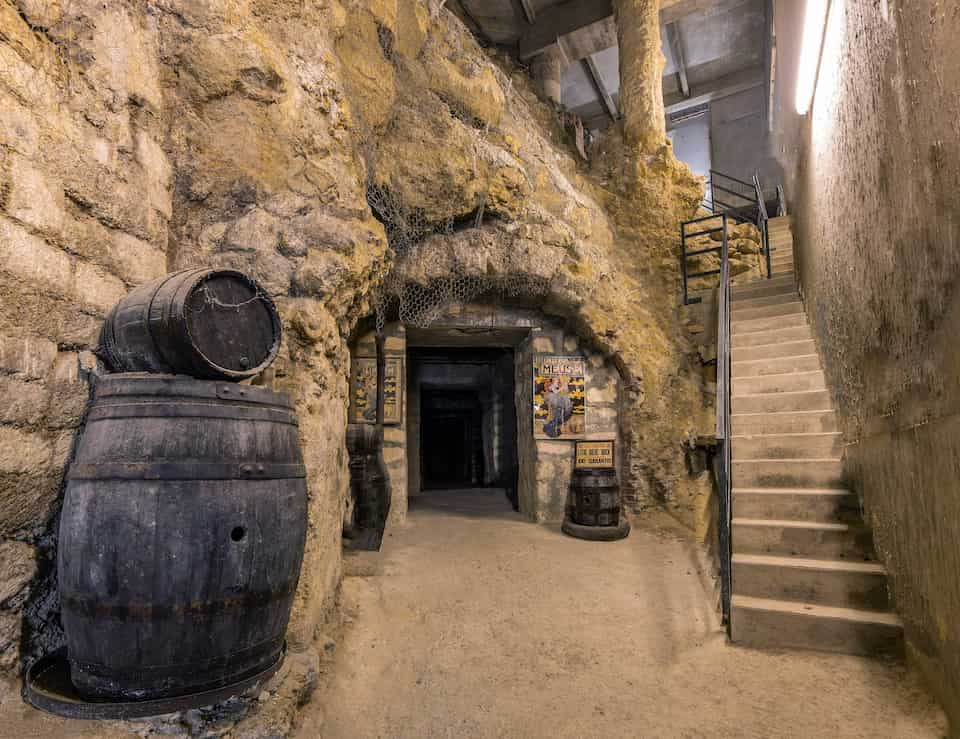 The King’s cellars – Sèvres
The Sèvres underground cellars boast a rich history of winegrowers, wine merchants privileged by the King and beer brewers over the years, from the 16th to the 20th century.
Learn more →
The King’s cellars – Sèvres
The Sèvres underground cellars boast a rich history of winegrowers, wine merchants privileged by the King and beer brewers over the years, from the 16th to the 20th century.
Learn more →
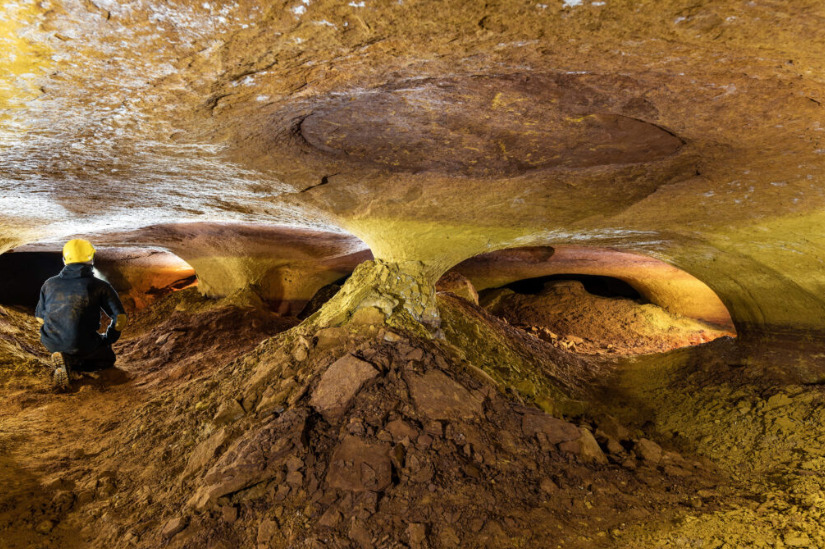 The ochre quarries of the Luberon
In the Luberon, former ochre quarries bear witness to an intense industry, where cliffs and galleries were cut to extract and wash the pigment.
Learn more →
The ochre quarries of the Luberon
In the Luberon, former ochre quarries bear witness to an intense industry, where cliffs and galleries were cut to extract and wash the pigment.
Learn more →
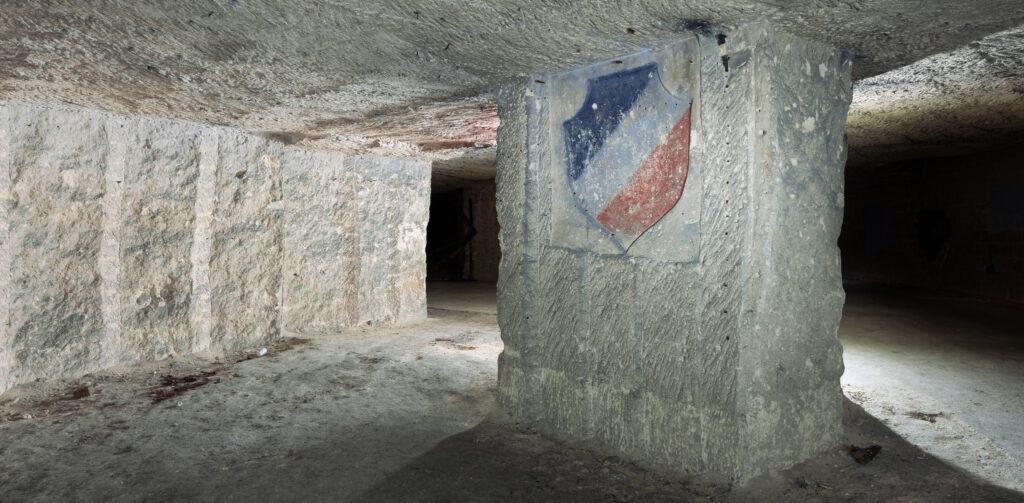 Art and sculpture
Underground, in tuffeau quarries and creutes, sculptures, drawings, graffitis and paintings are revealed. Created by French, German and American soldiers, Jesuit monks or contemporary artists, these works depict themes such as war, religion, country and women.
Read more →
Art and sculpture
Underground, in tuffeau quarries and creutes, sculptures, drawings, graffitis and paintings are revealed. Created by French, German and American soldiers, Jesuit monks or contemporary artists, these works depict themes such as war, religion, country and women.
Read more →
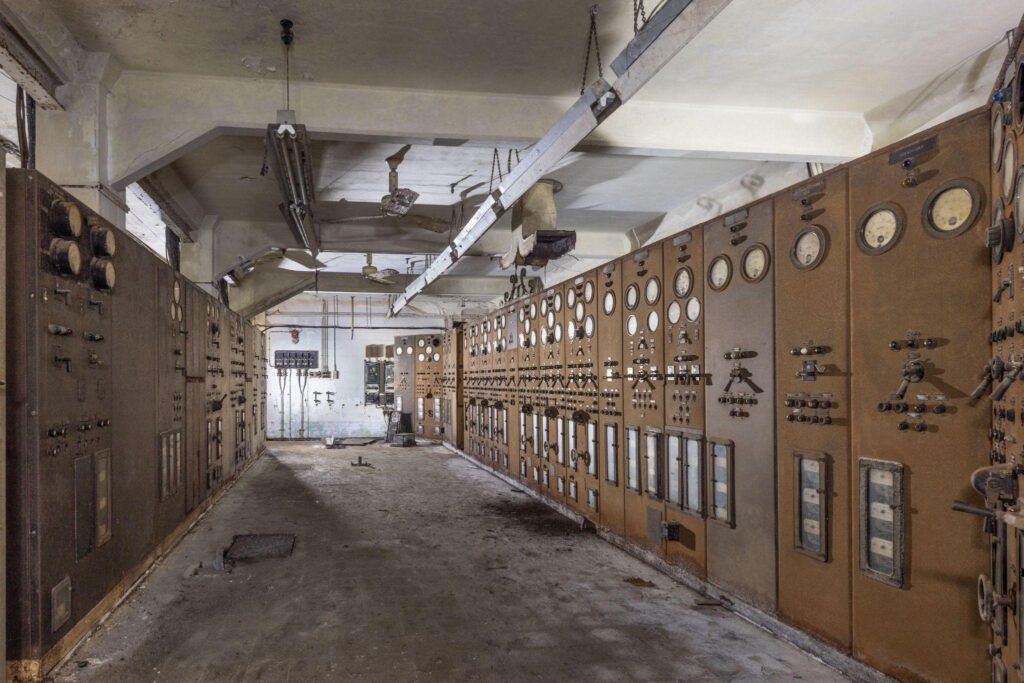 The Corradino power station
Beneath Paola, British forces cut a power station safe from bombing. Six of the twelve Fullagar engines left in the world are still standing there.
Find out more →
The Corradino power station
Beneath Paola, British forces cut a power station safe from bombing. Six of the twelve Fullagar engines left in the world are still standing there.
Find out more →
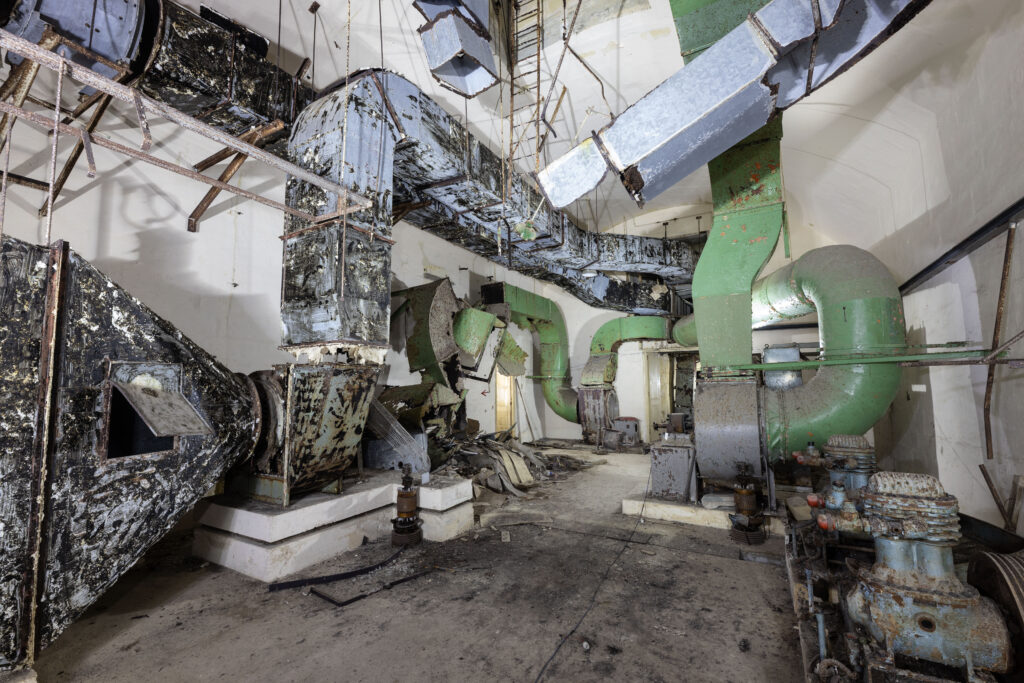 The Bengħajsa station
At Malta’s southern tip, this underground station linked the RAF to the United Kingdom, Cyprus and North Africa. It transmitted from 1940 to January 1979.
Find out more →
The Bengħajsa station
At Malta’s southern tip, this underground station linked the RAF to the United Kingdom, Cyprus and North Africa. It transmitted from 1940 to January 1979.
Find out more →
USING THESE IMAGES
A photograph for your project
Museum, local authority, publisher or media: image research in my archives and commissioned shoots, on the surface as well as underground.