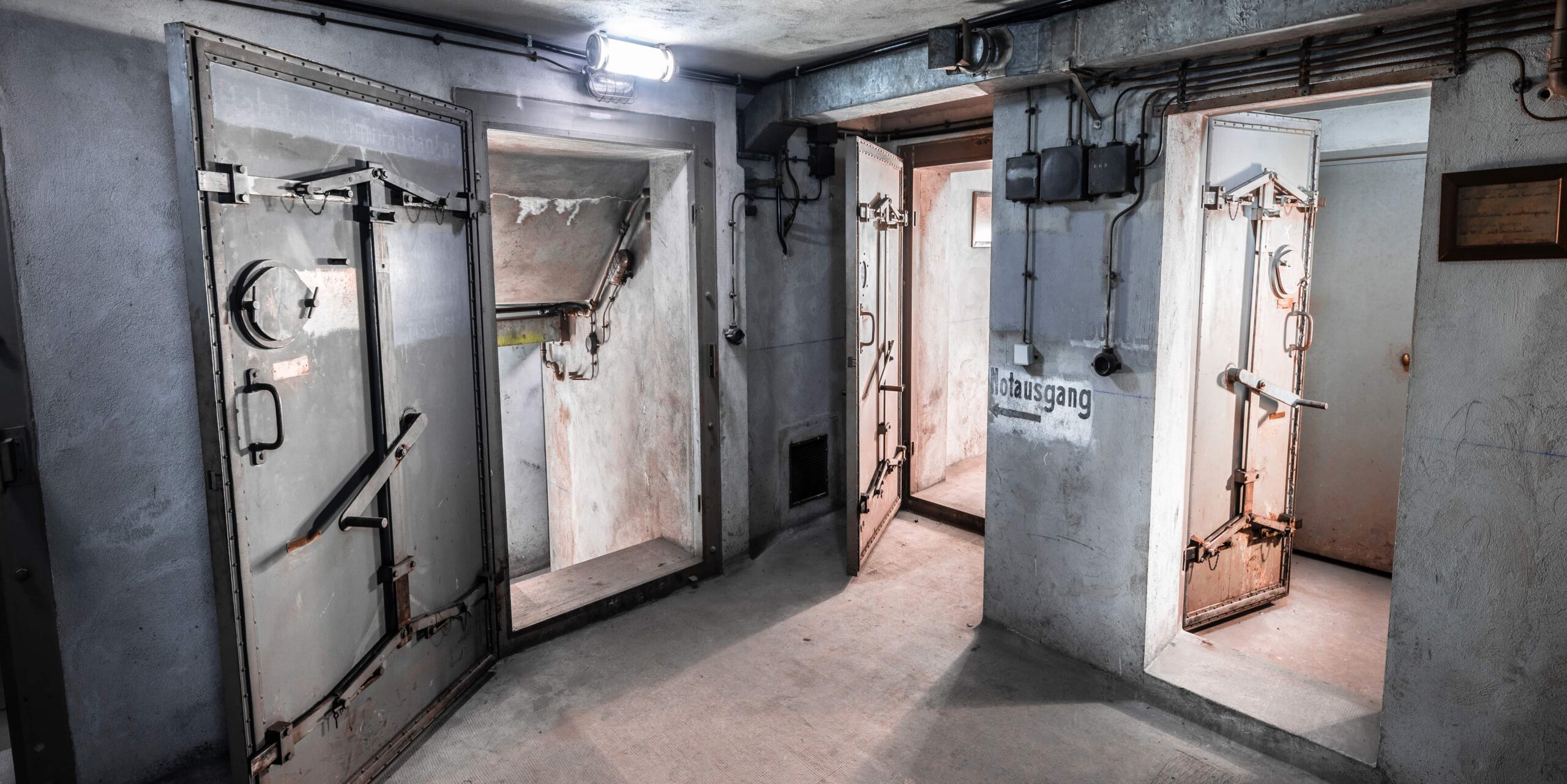
Created on the eve of the Second World War to keep trains running, even in the event of a gas attack, the “bunker” located under the Paris-Est station is a magnificently well-preserved jewel.
Indeed, this secret installation with a surface area of 110 m2 was specially built to deal with air attacks, particularly gas attacks, which raged during the First World War and strongly affected the public authorities.
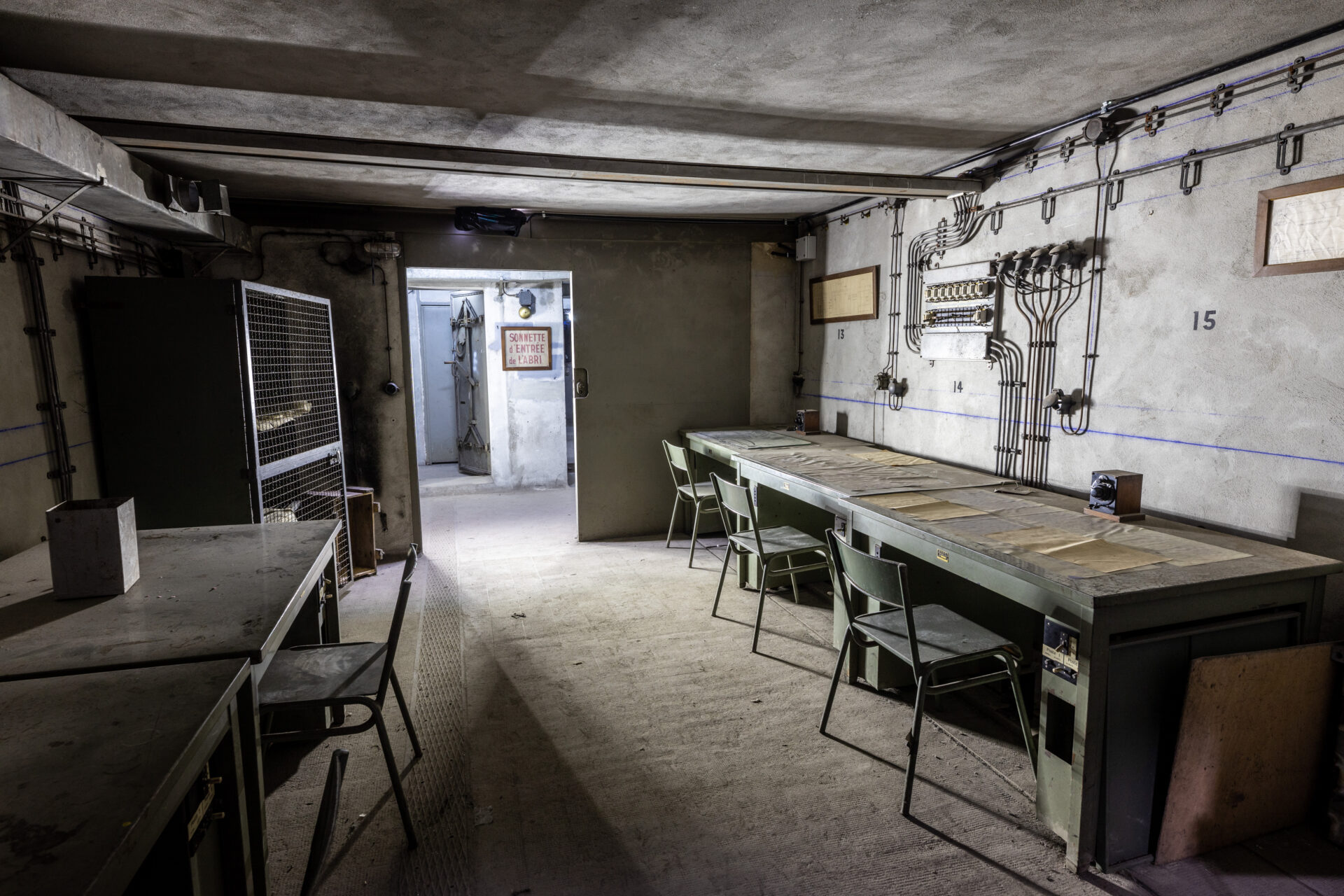
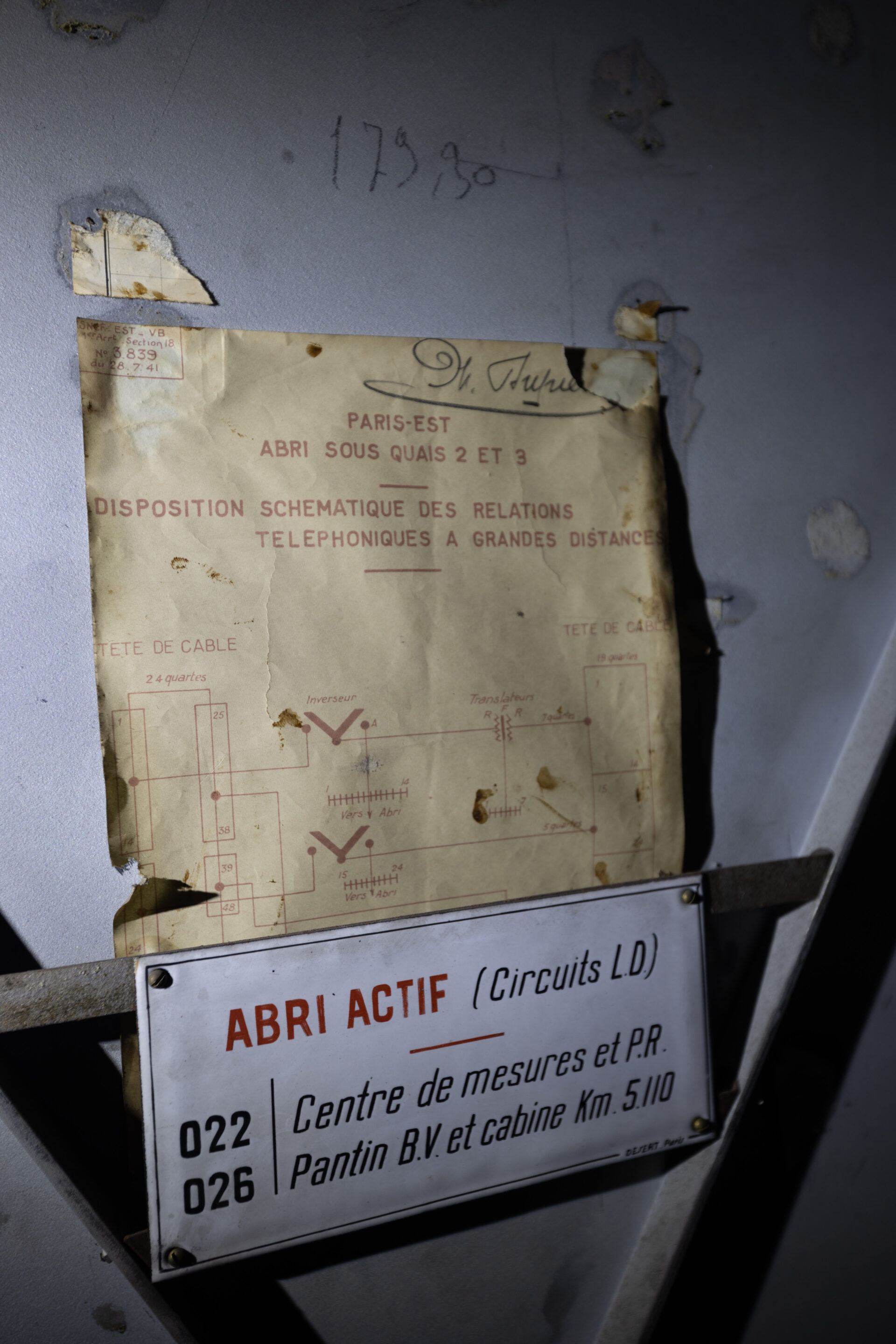
The function of this “bunker” was to shelter a railway activity essential to operations: the command and regulation of traffic over the entire Eastern region, on the one hand, and across all the station’s tracks, on the other. The term bunker is actually incorrect since it is not fortified. It is an “active” shelter. Ordered in April 1939 by the military authorities, it was completed in November 1941.
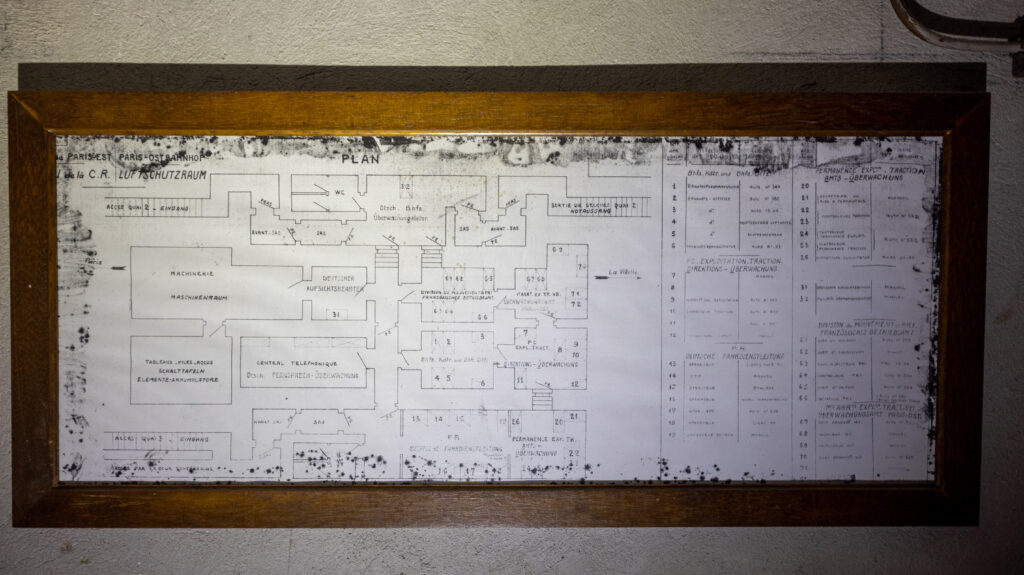
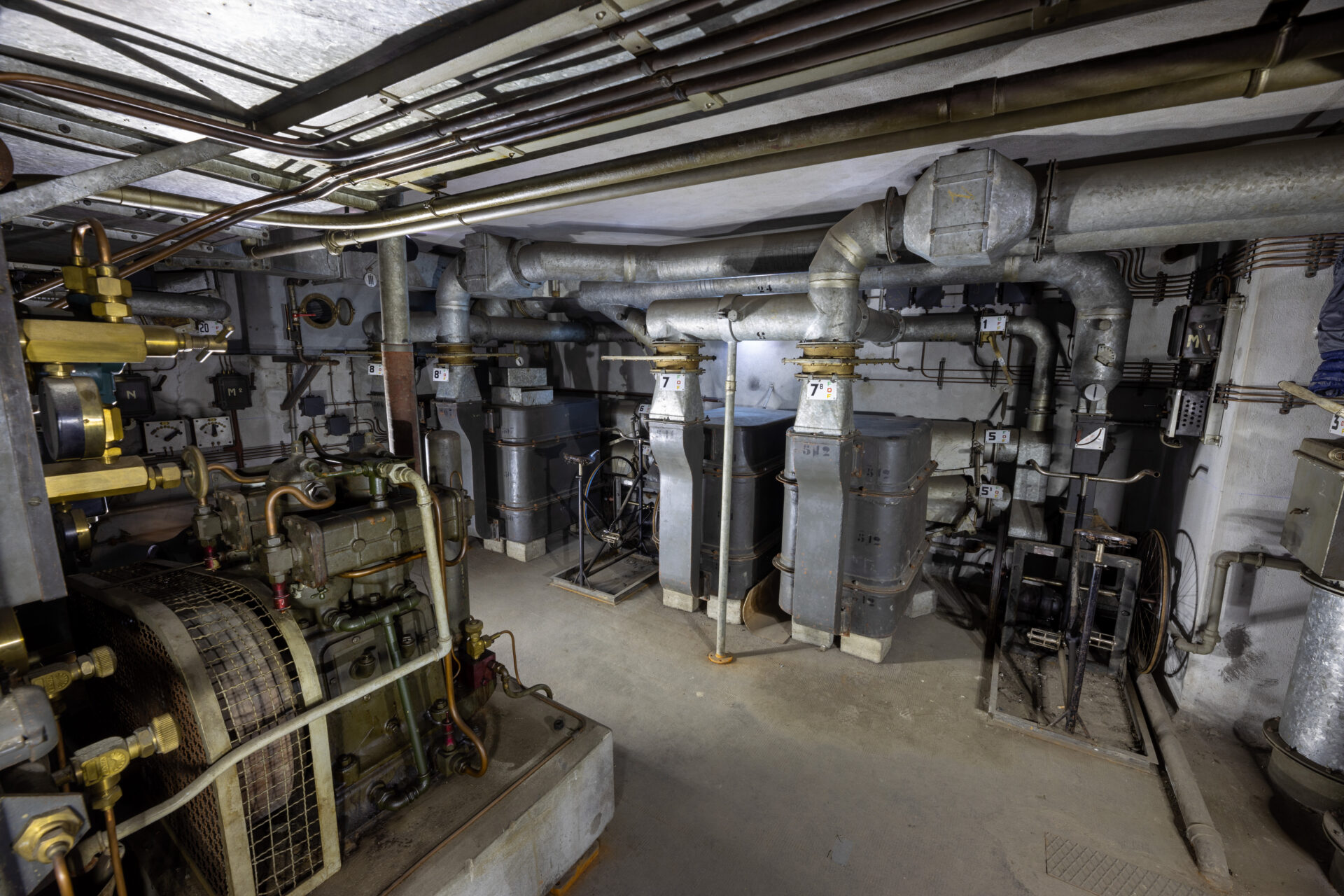
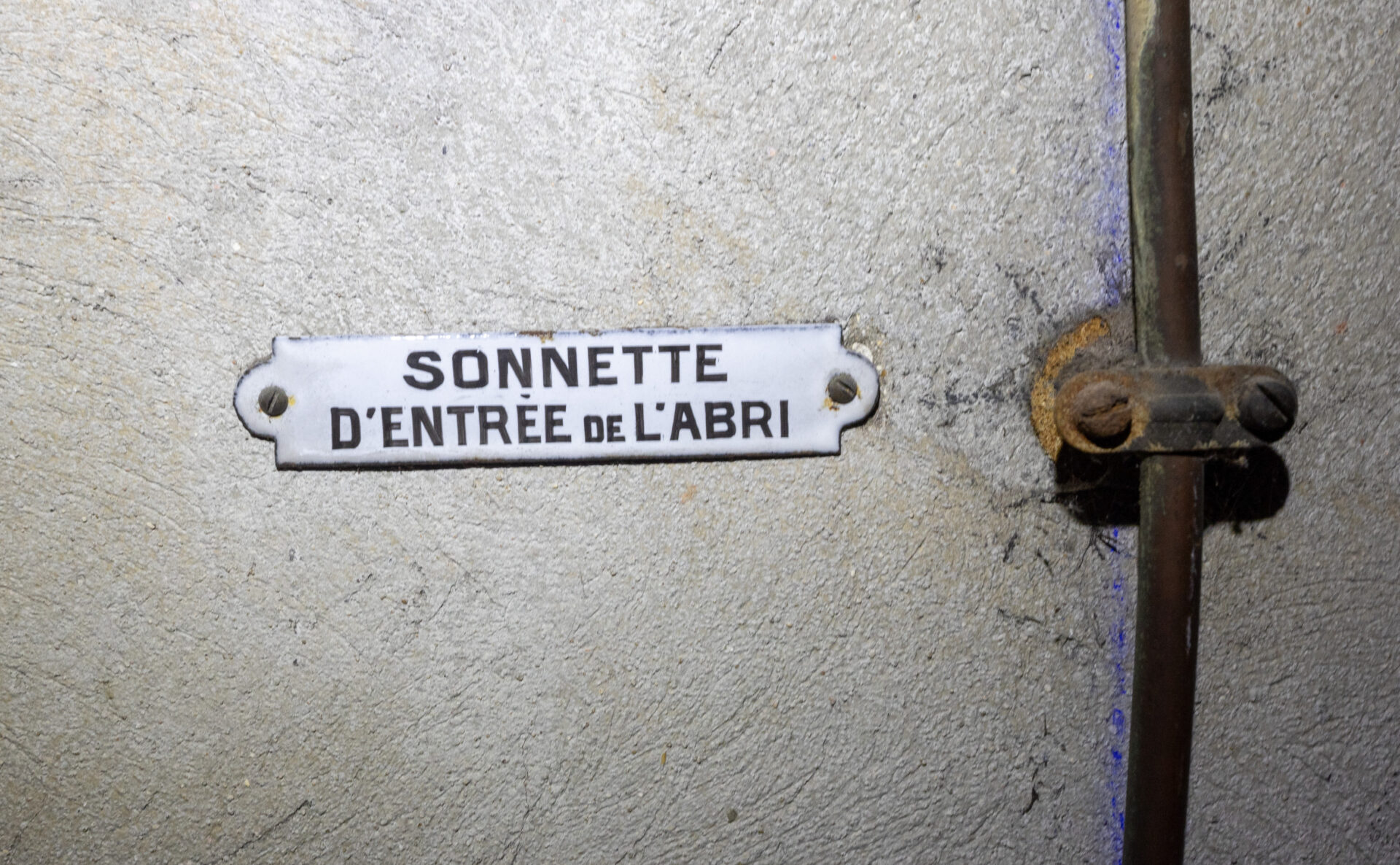
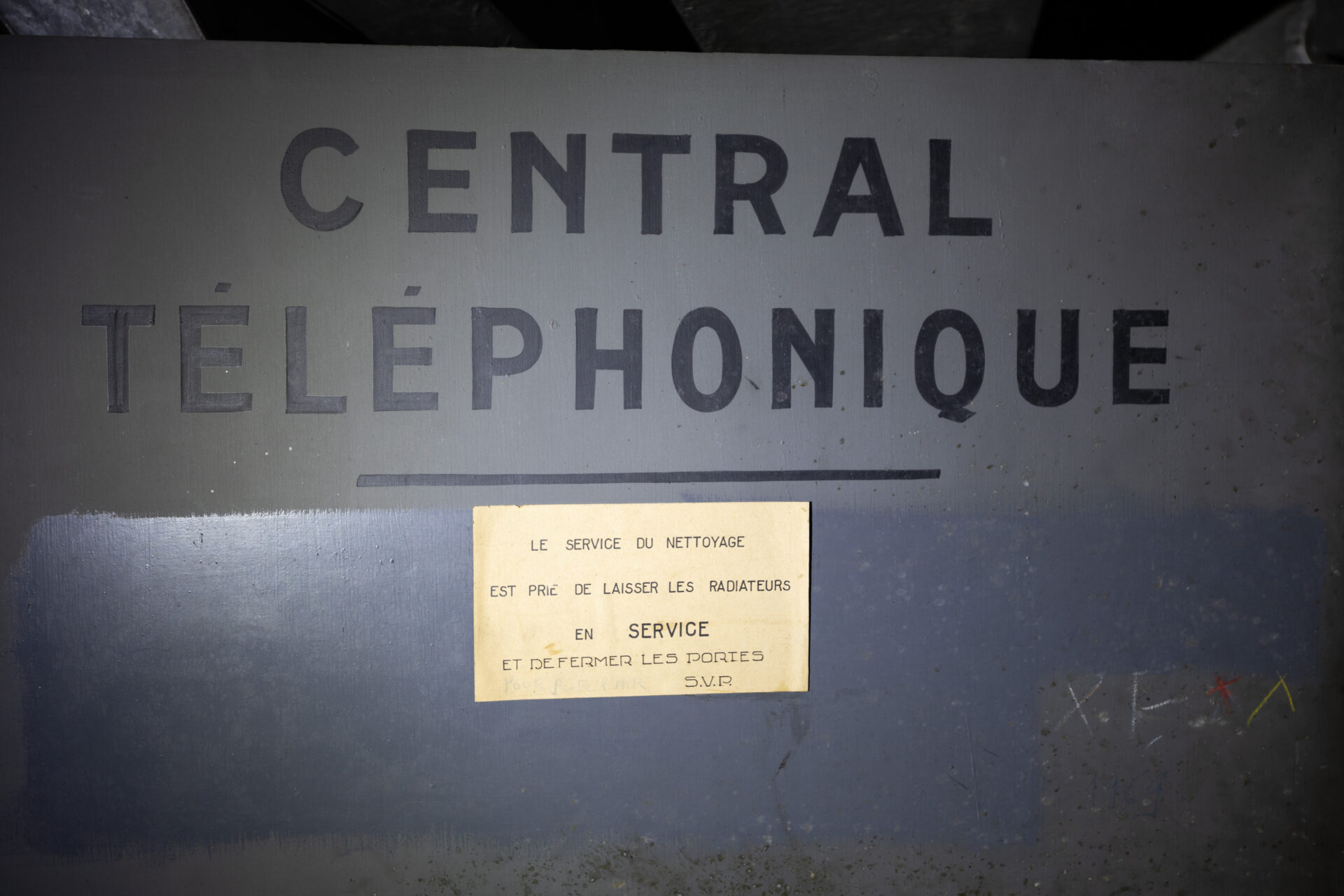
The Gare de l’Est bunker in Paris has eleven rooms, each with a specific function. On one side, the two rooms reserved for command, and the four rooms dedicated to train regulation; on the other, the three rooms that give them the means to operate: energy, blower, telephone exchange, preceded by an antechamber for the supervisor. A generator, batteries and accumulators were installed so that 50 people could work and breathe for 10 hours in the shelter, without replacing the ambient air. But also, to replace this equipment, stationary bicycles that allow the production of the electricity necessary for ventilation and air filtering.


This tour is part of the catalogue of virtual tours of underground heritage.