The Puits Couriot: A dive into the mining history of Saint-Étienne
Introduction: A museum at the heart of industrial history
In the heart of Saint-Étienne, the Puits Couriot (Mining Museum) offers an immersion into the underground world that shaped the region’s history. Located on the site of the former Couriot well, closed in 1973, this museum classified as a Historic Monument retraces six centuries of coal mining adventure.

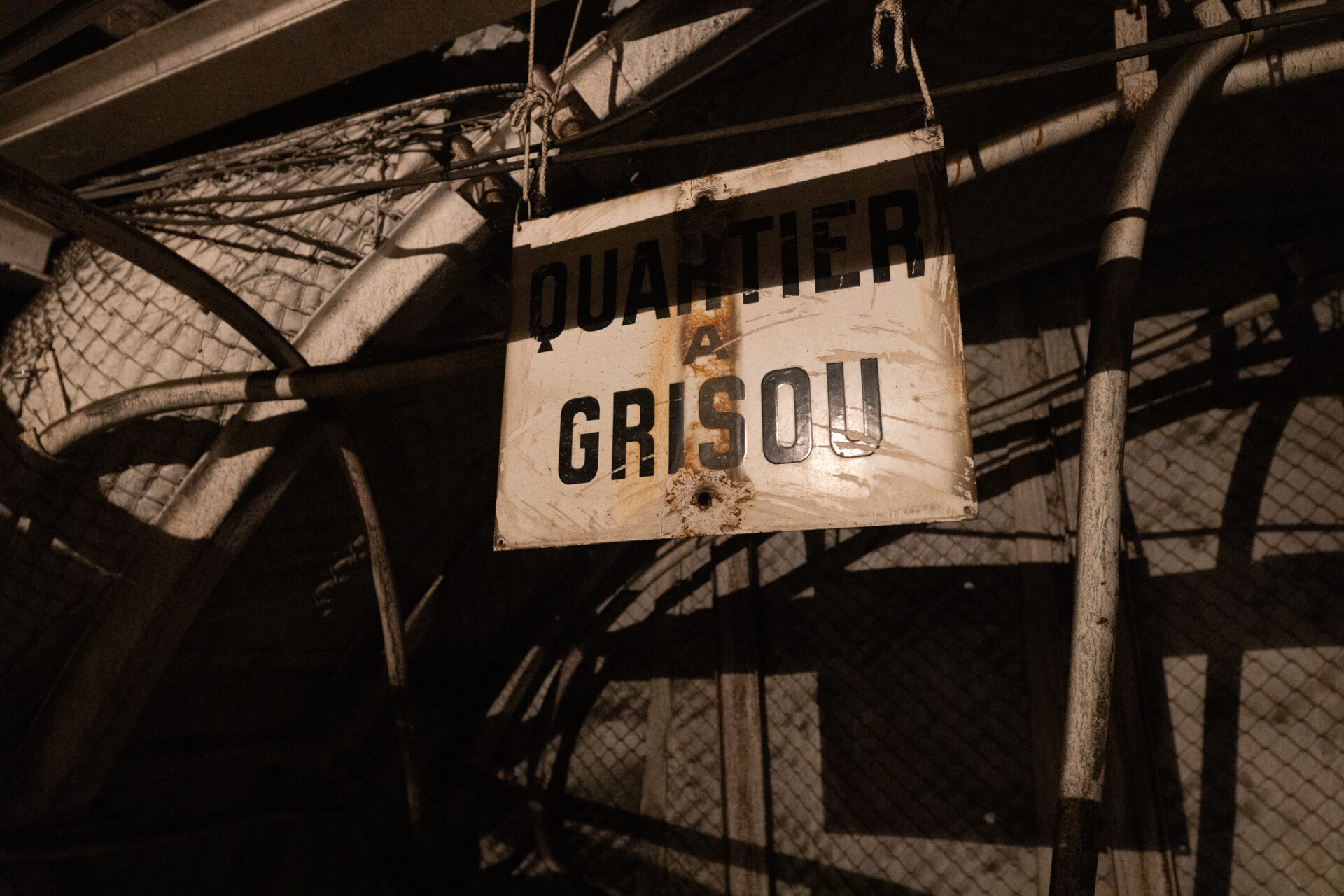
The Beaubrun concession: Birth of a mining empire
The Beaubrun concession in West Saint-Étienne, granted on August 10, 1825, marks the beginning of a major industrial era. Placed under the management of the Compagnie des Mines de la Loire in 1845, then divided in 1854, it was finally acquired in its entirety by the Société des Mines de la Loire in 1893. This company then owned six concessions covering an impressive area of 2,321 hectares, with underground resources estimated at 200 million tons up to 1,200 meters deep.
The evolution of the wells: From Chatelus to Couriot
The first wells: Chatelus I and II
The concession initially had three wells:
- The Chatelus I well, dug in 1850 and put into service in 1867, was closed in 1887 following a tragic firedamp explosion.
- The Chatelus II well, sunk in 1870, remained the only one in operation for a long time.
The birth of the Couriot well
Faced with the crisis, the management considered putting the Chatelus I well back into service and modernizing the Chatelus II well. However, the visionary engineer Henri Couriot opted for a more ambitious solution: the construction of a new well, the Chatelus III, which would become the famous Couriot well. Reaching an impressive depth of 727 meters, it quickly established itself as the most modern and productive well in the basin, extracting up to 3,000 tons of coal per day.
The Couriot well through the ages
World War II: Resistance and production
During World War II, the Couriot well, although largely untouched by bombings, was forced to supply the German war effort. This dark period in its history bears witness to the resilience of the Saint-Étienne miners.
The post-war period: Reconstruction and nationalization
At the Liberation, the Couriot well, still operational, played a crucial role in the reconstruction of France. The nationalization of the coal mines shortly after marked a turning point in the management of the site.
Decline and closure
The gradual decline of mining activity was manifested by the shutdown of the power plant and the coking plant in the early 1950s, followed by that of the coal washery in 1965. The year 1969 saw the final demolition of Chatelus I, a symbol of the end of an era. Finally, on April 5, 1973, part of the Couriot site was dismantled, marking the end of mining operations on this historic site.
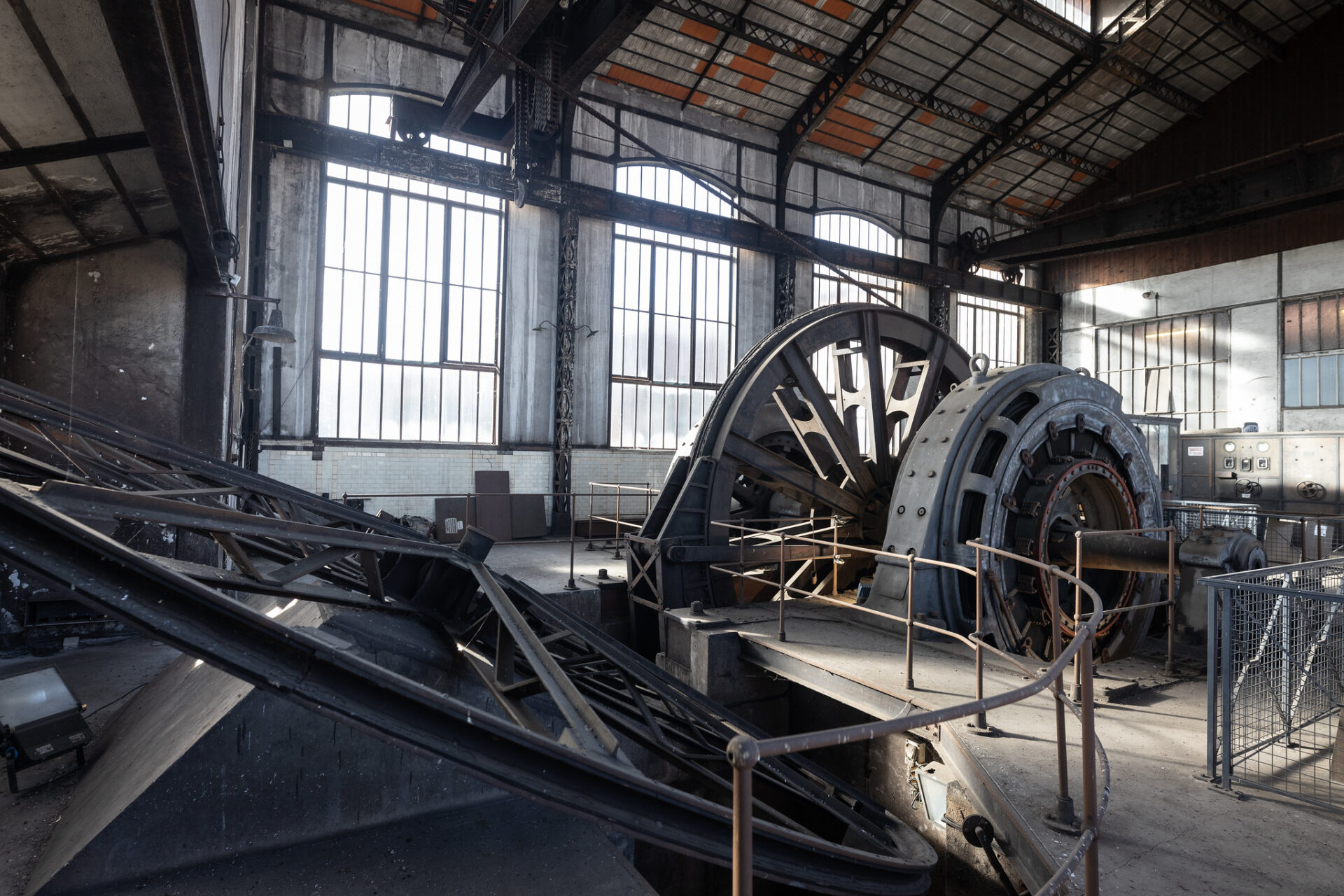
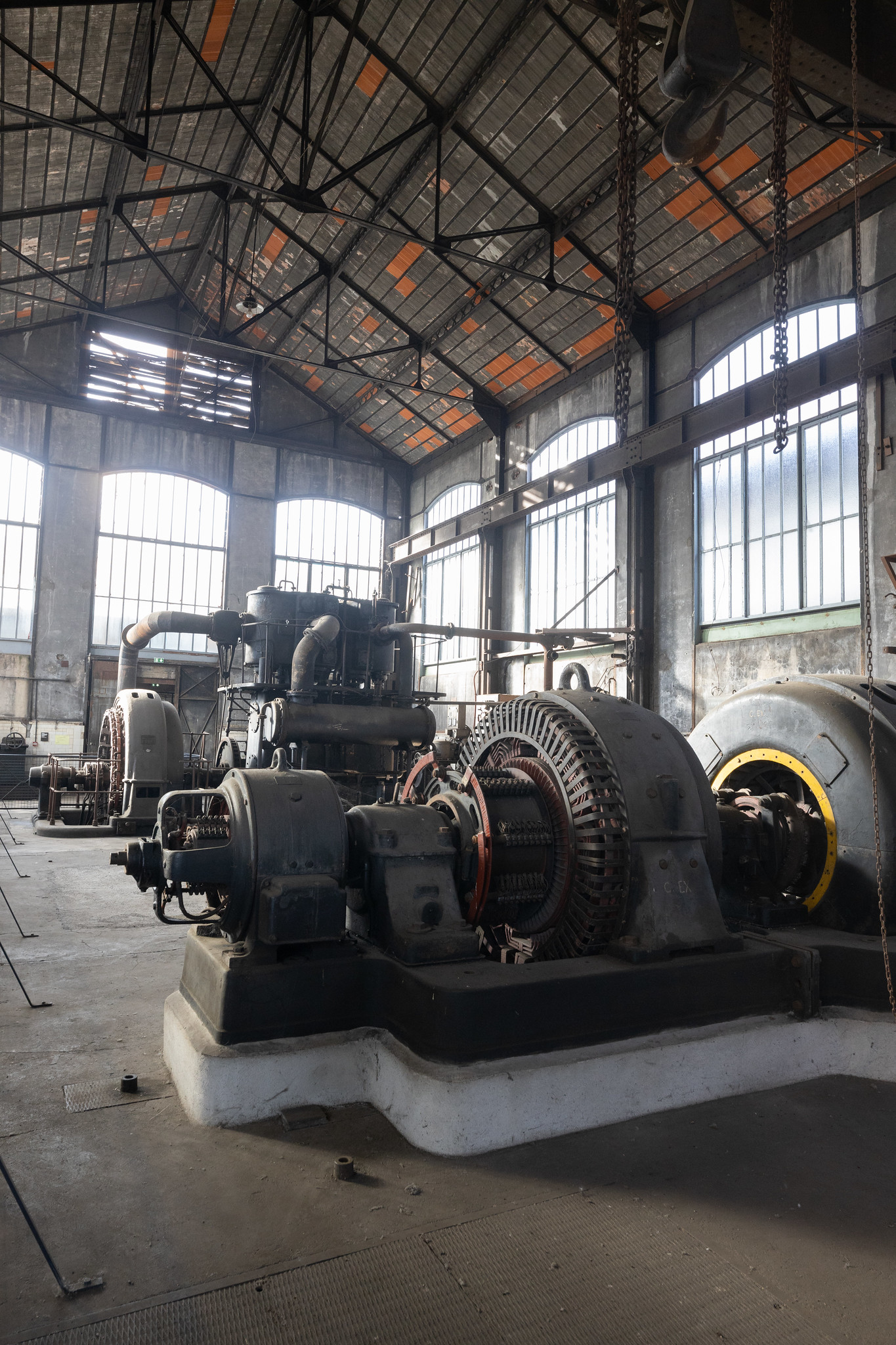
Engine room of the Couriot well
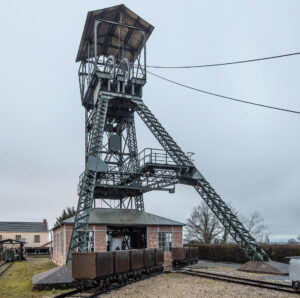
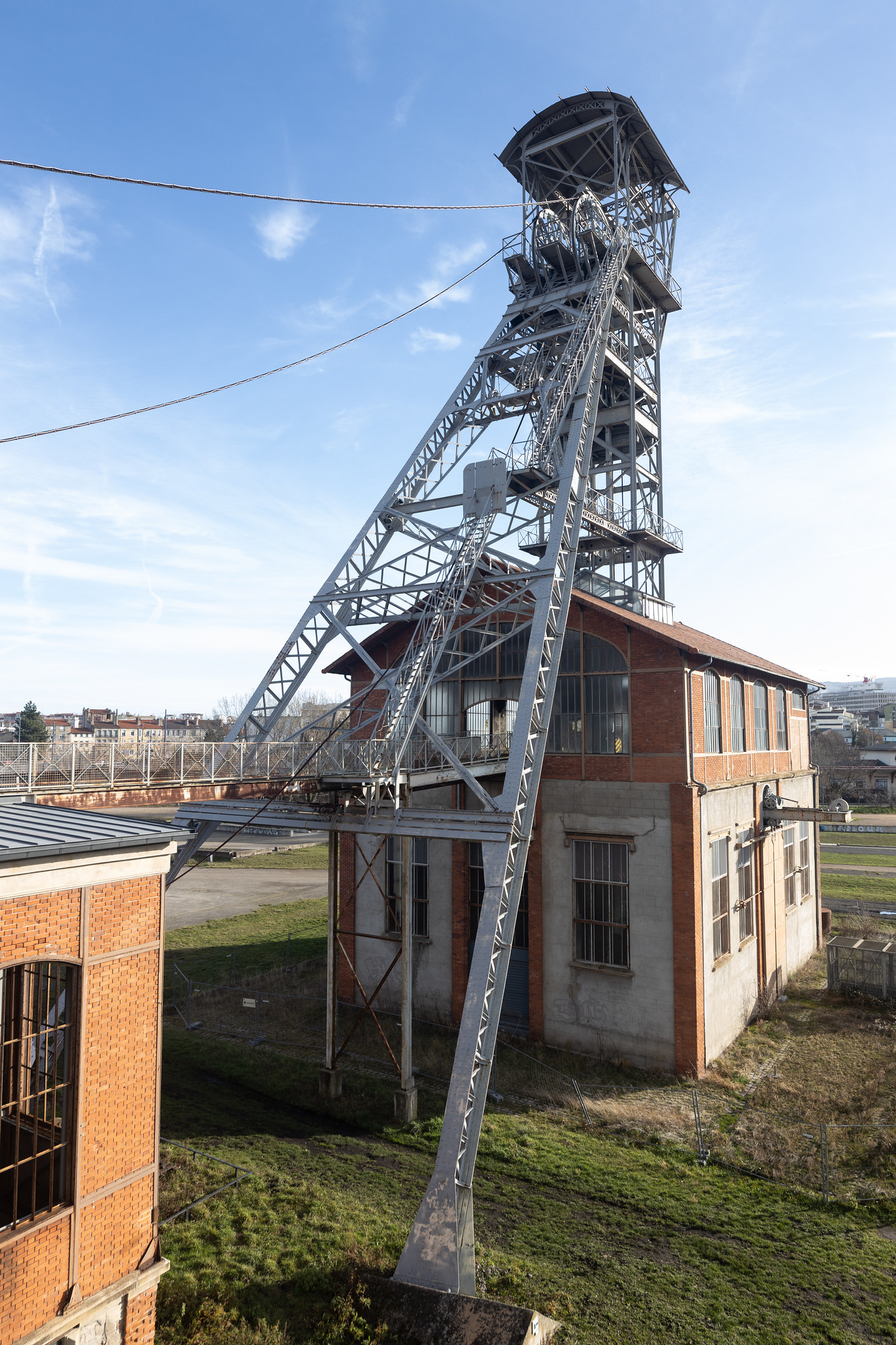
headframe
Shower room

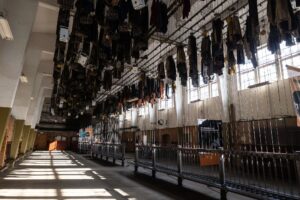
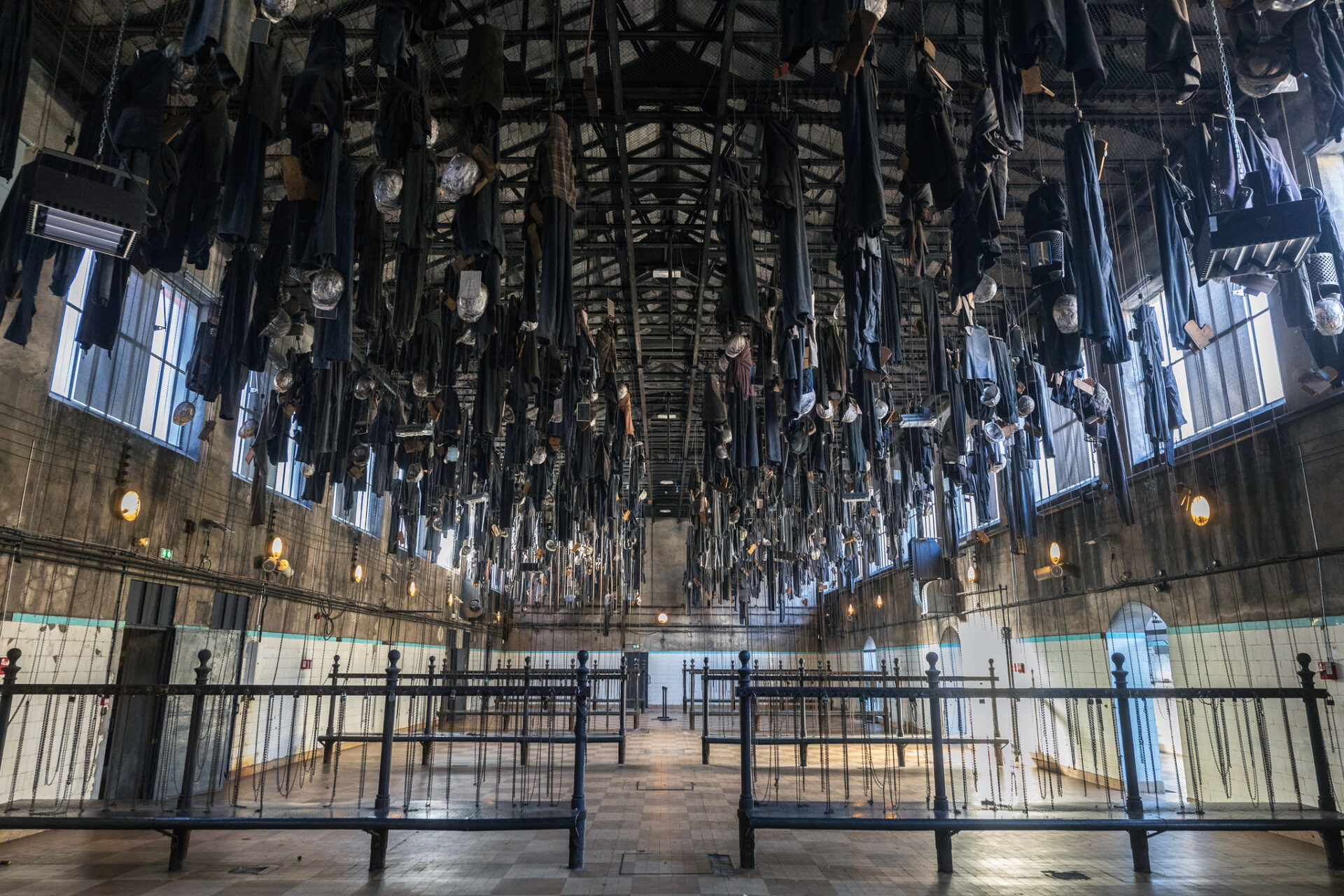
Hanging room
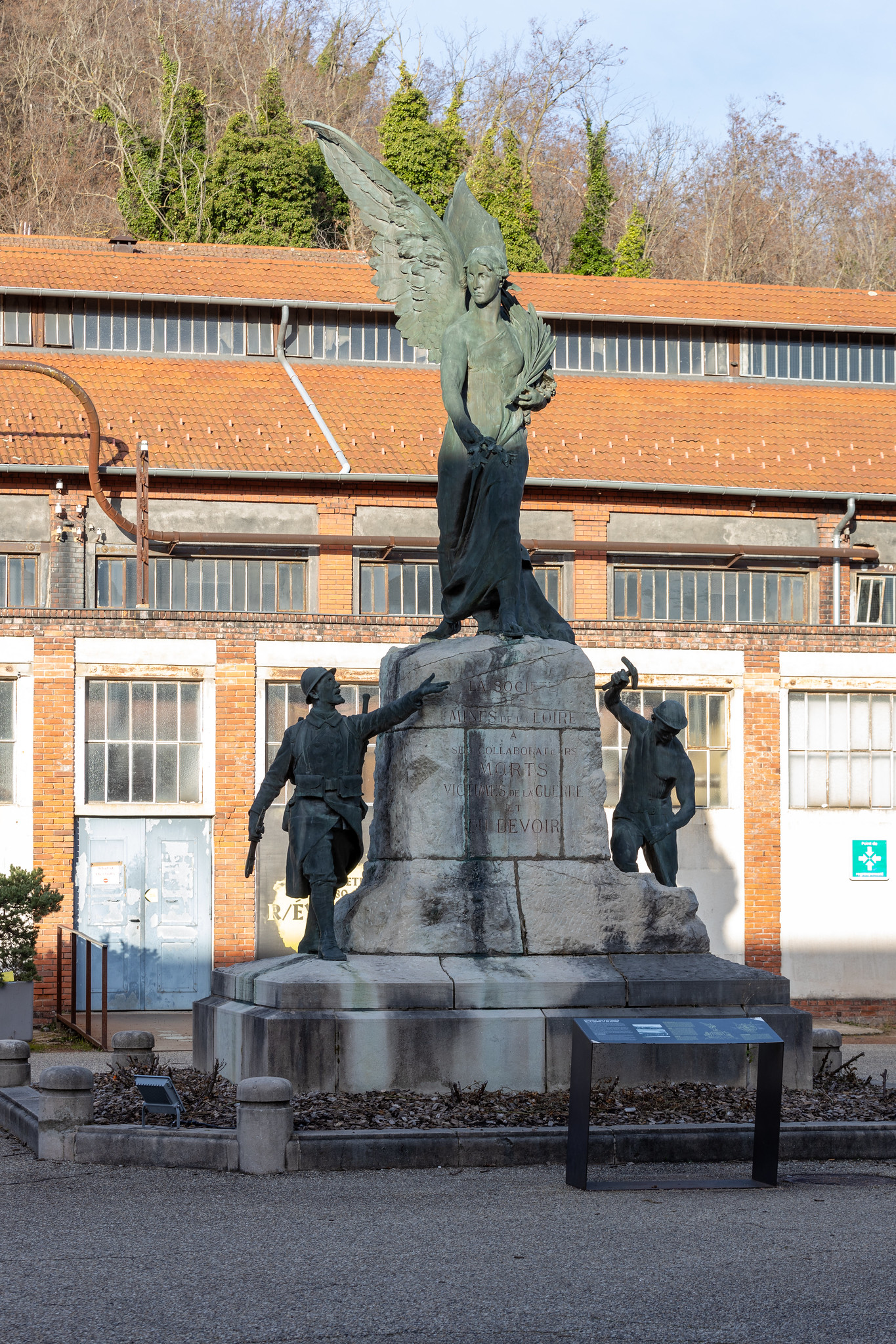
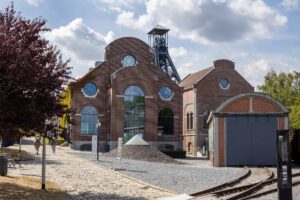
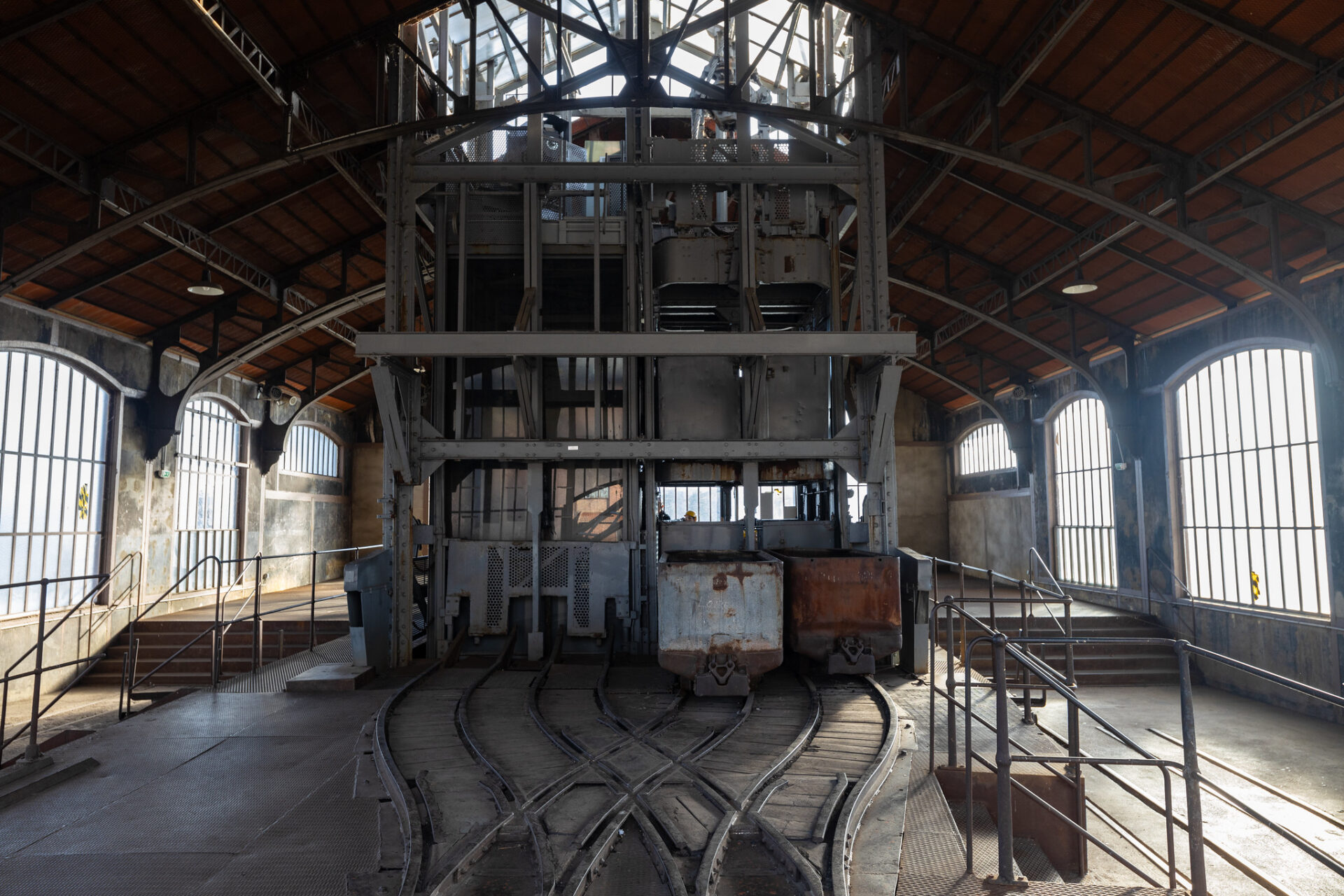
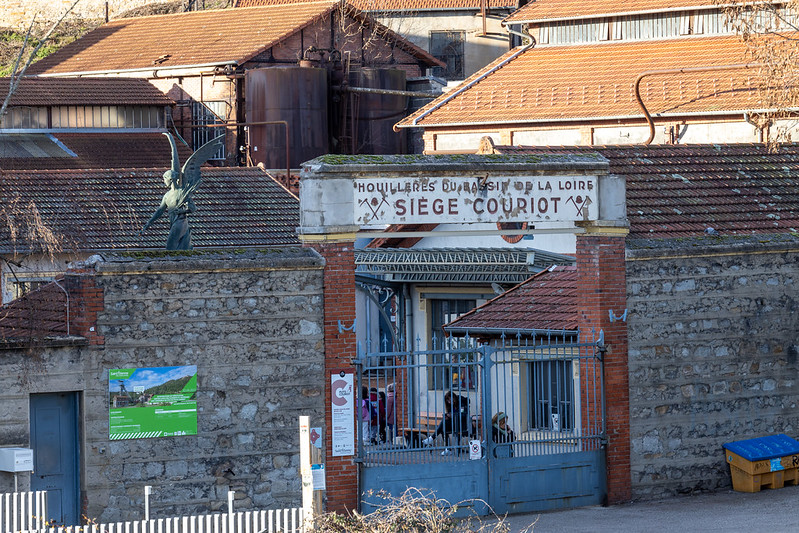
Entrance to the pithead
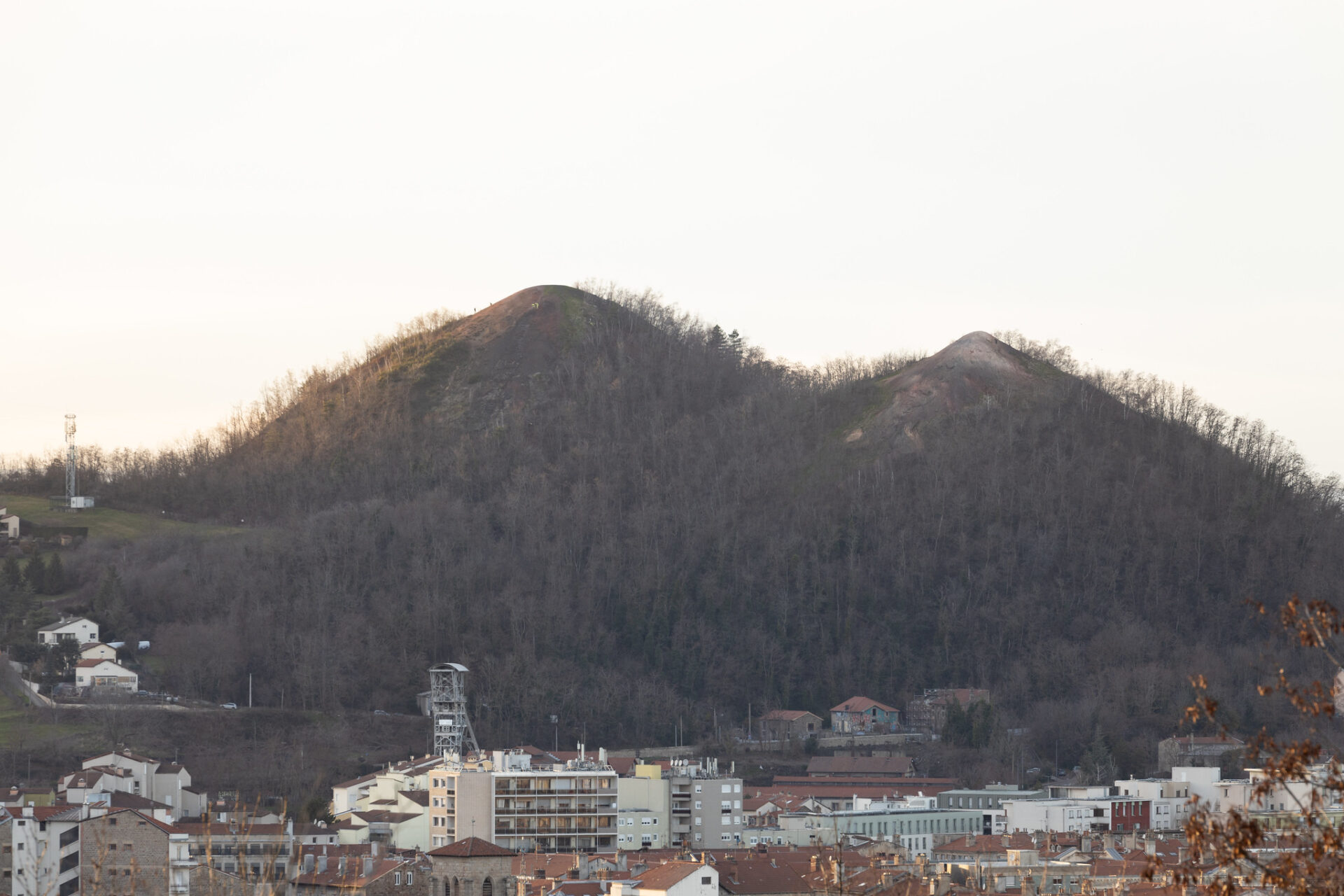
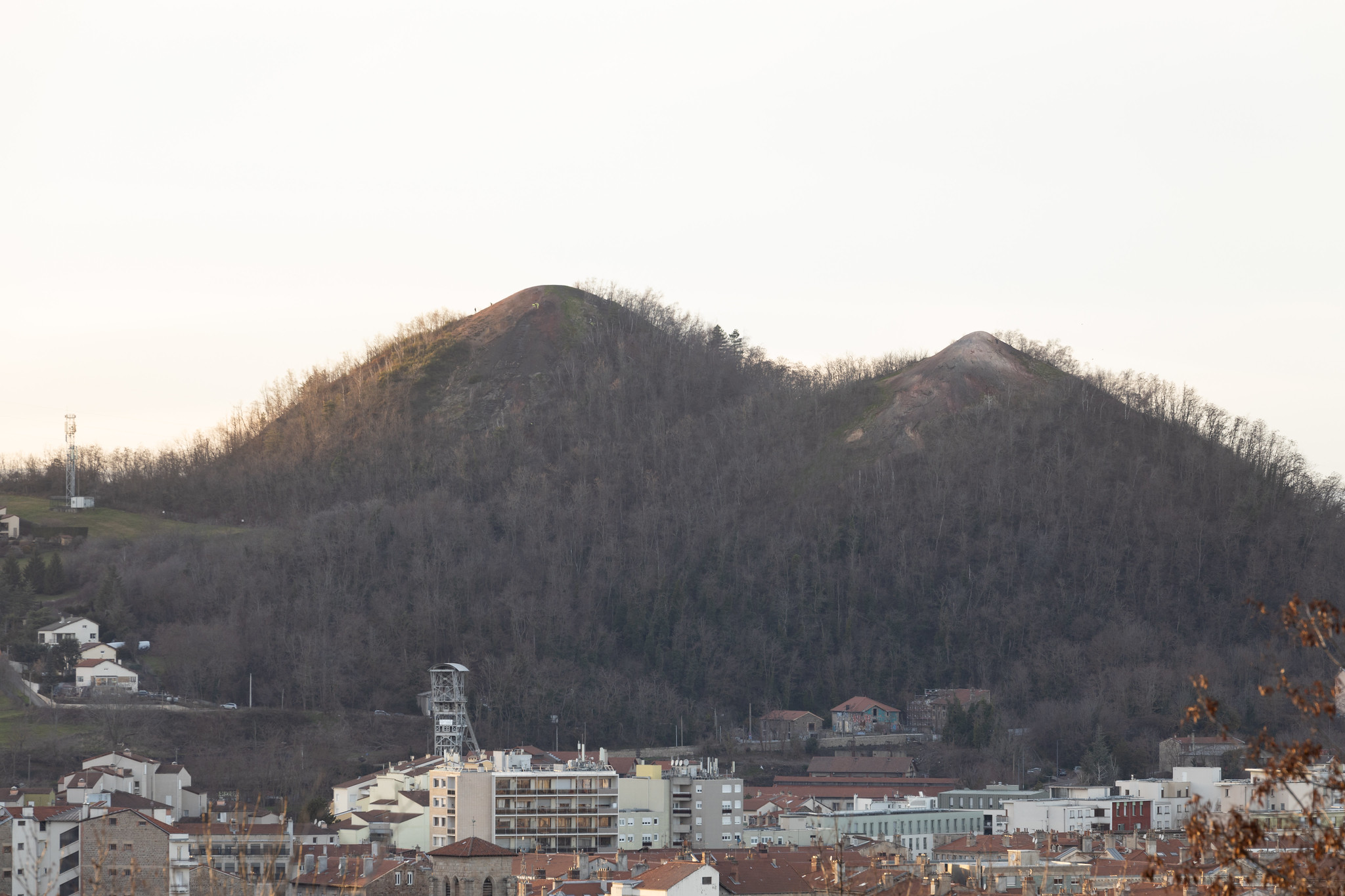
Headframe and slag heaps