The Rammelsberg Mines: a jewel of mining engineering
An exceptional deposit in the heart of Germany
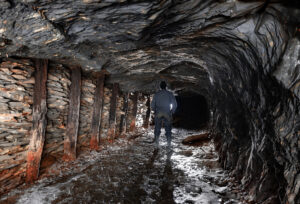
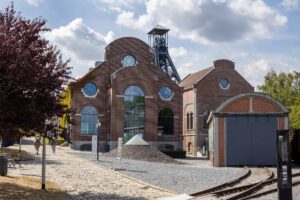
The Rammelsberg Mines once represented the largest interconnected deposits of copper, lead, and zinc ore in the world. For over a thousand years, this mine was intensively exploited, contributing significantly to the prosperity of the region.
The evolution of extraction techniques
The rudimentary beginnings
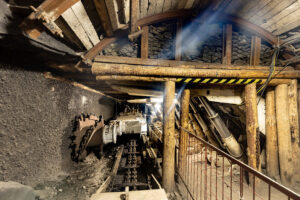
Initially, extraction techniques relied on the use of the pickaxe to extract coal and the Gopel system to hoist the ore.
Innovation for efficiency
Over time, and due to the need to exploit increasingly deep deposits, ingenuity was brought into play to increase the efficiency of mining operations.
The revolutionary hydraulic system of the Upper Harz
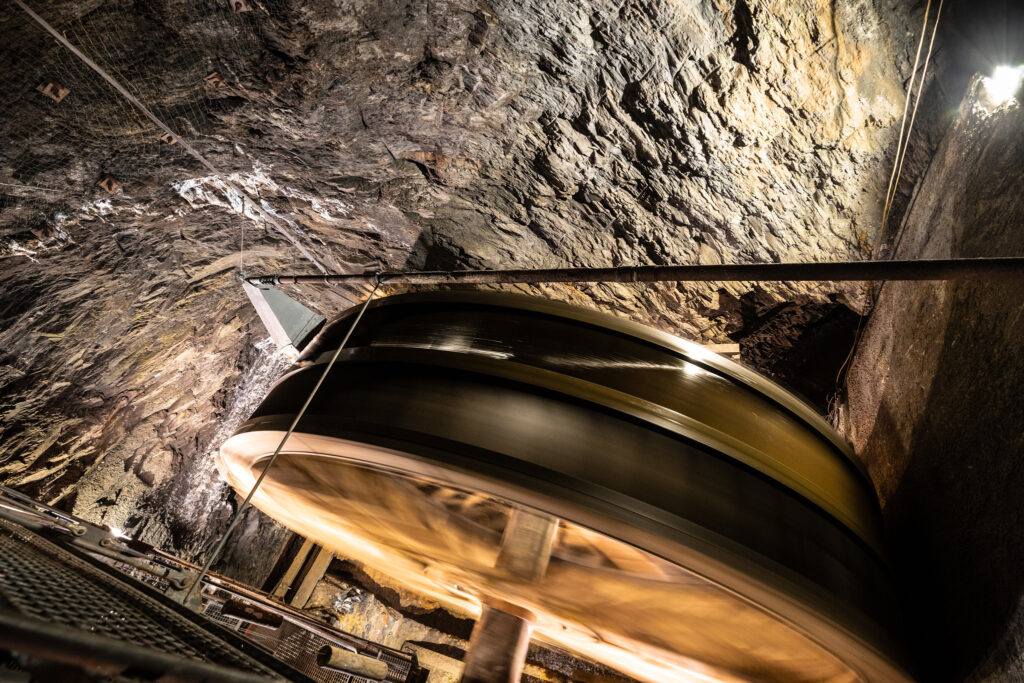
Energy for the mine was provided by the Upper Harz water management system, considered the most advanced pre-industrial water management system in the world for the mining industry.

The contribution of J.C Roeder
In the mid-18th century, J.C Roeder, an innovative miner, quickly implemented hydraulic power to:
- Hoist personnel and equipment
- Pump water from the depths
Beyond extraction: the importance of vitriol
An often overlooked feature of the Rammelsberg operation was the extraction of copper smoke and vitriol, which had considerable economic importance.
What is vitriol?
From a scientific point of view, vitriol is a generic term for all water-soluble salts of bivalent heavy metals such as iron, zinc, manganese, and copper.
The formation and use of vitriol
Vitriols were formed following fire-setting, a technique consisting of lighting large wood fires underground to make the ore friable. The demand for vitriol was high because:
- It was irreplaceable in tanneries and dye works
- Combined with saltpeter, it allowed the production of nitric acid, essential for separating gold and silver
The Rammelsberg Mines represent not only a feat of mining engineering, but also a testament to the constant innovation and diversity of resources exploited in the historical mining industry.

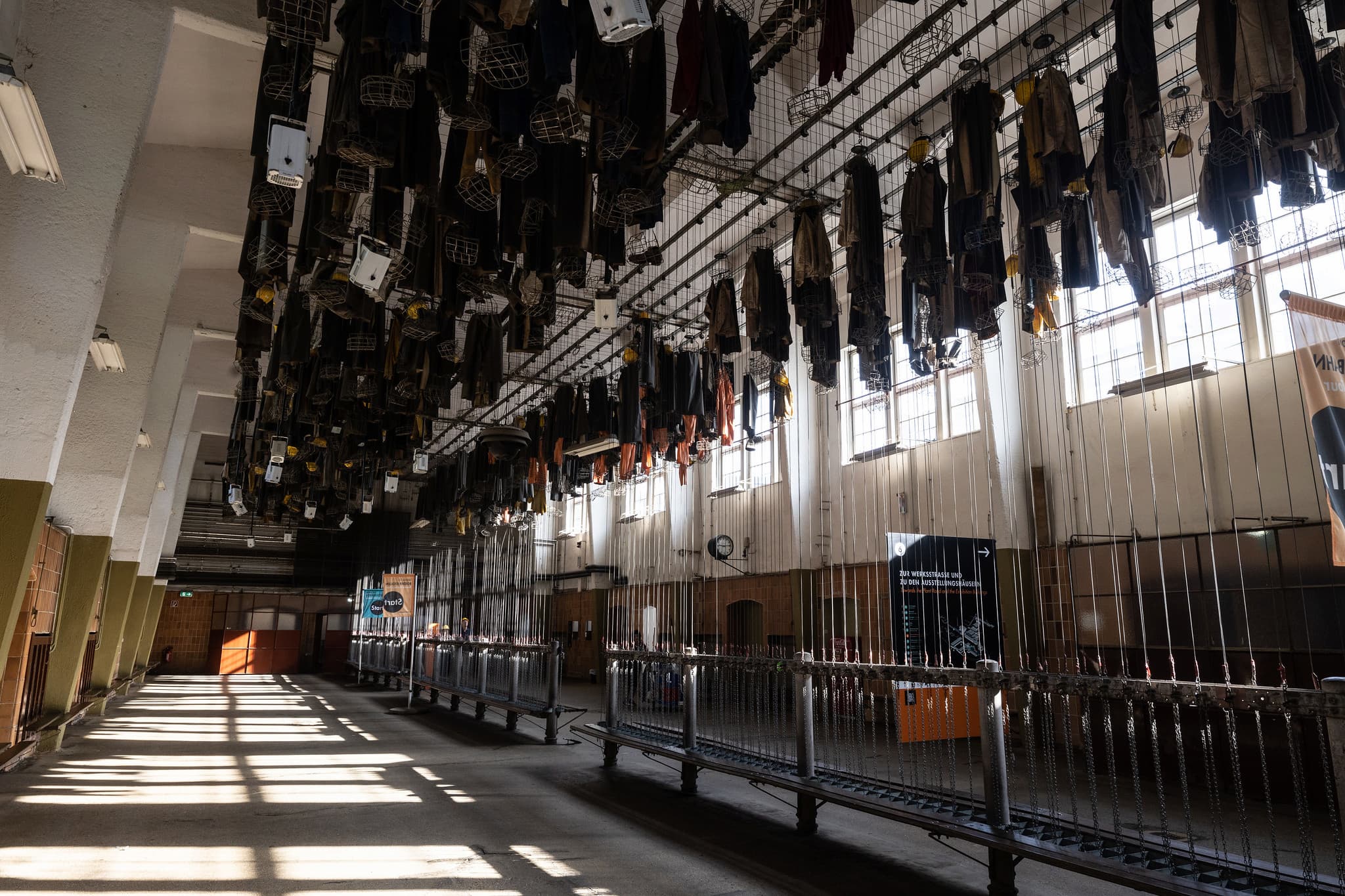
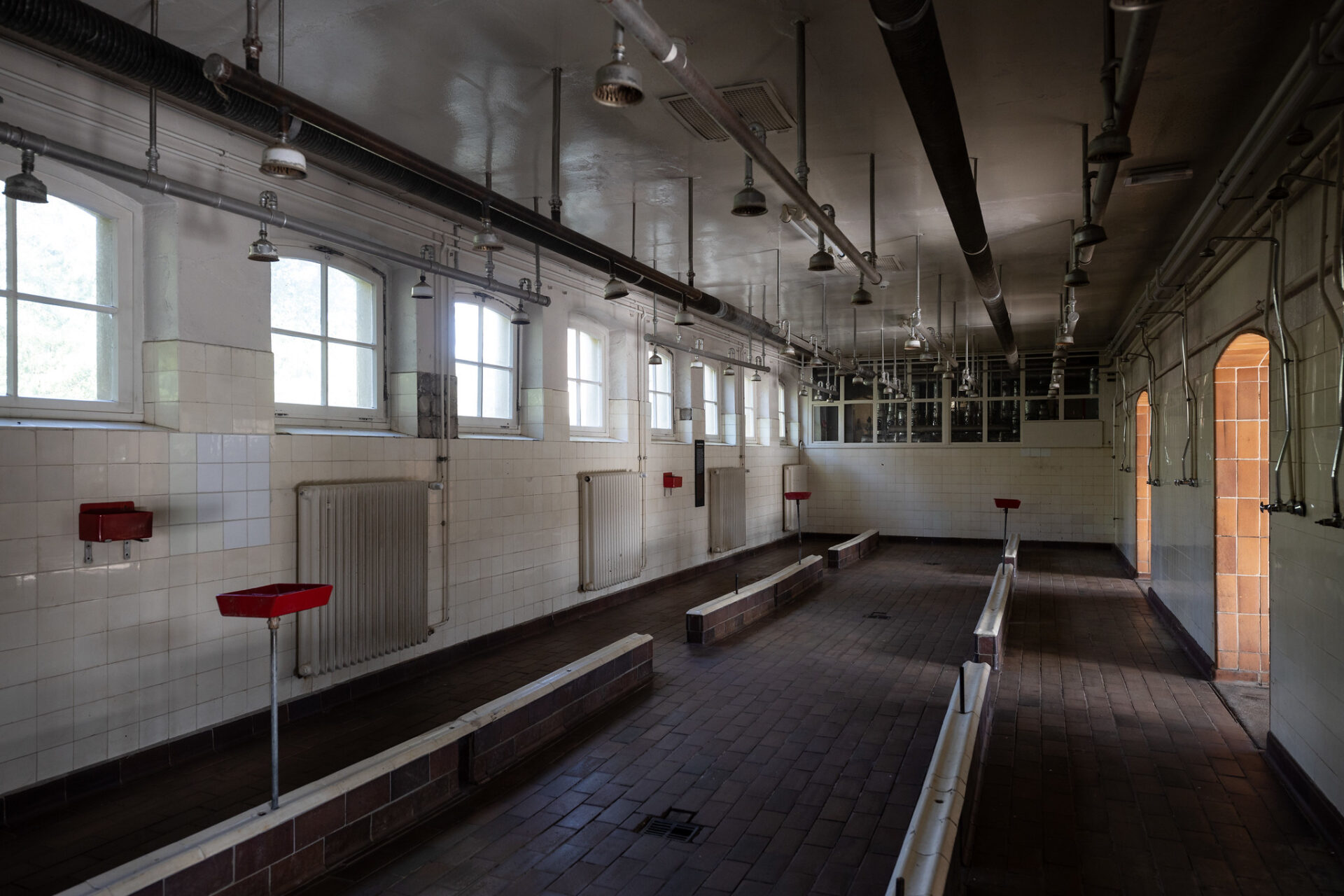
Showers dedicated to miners
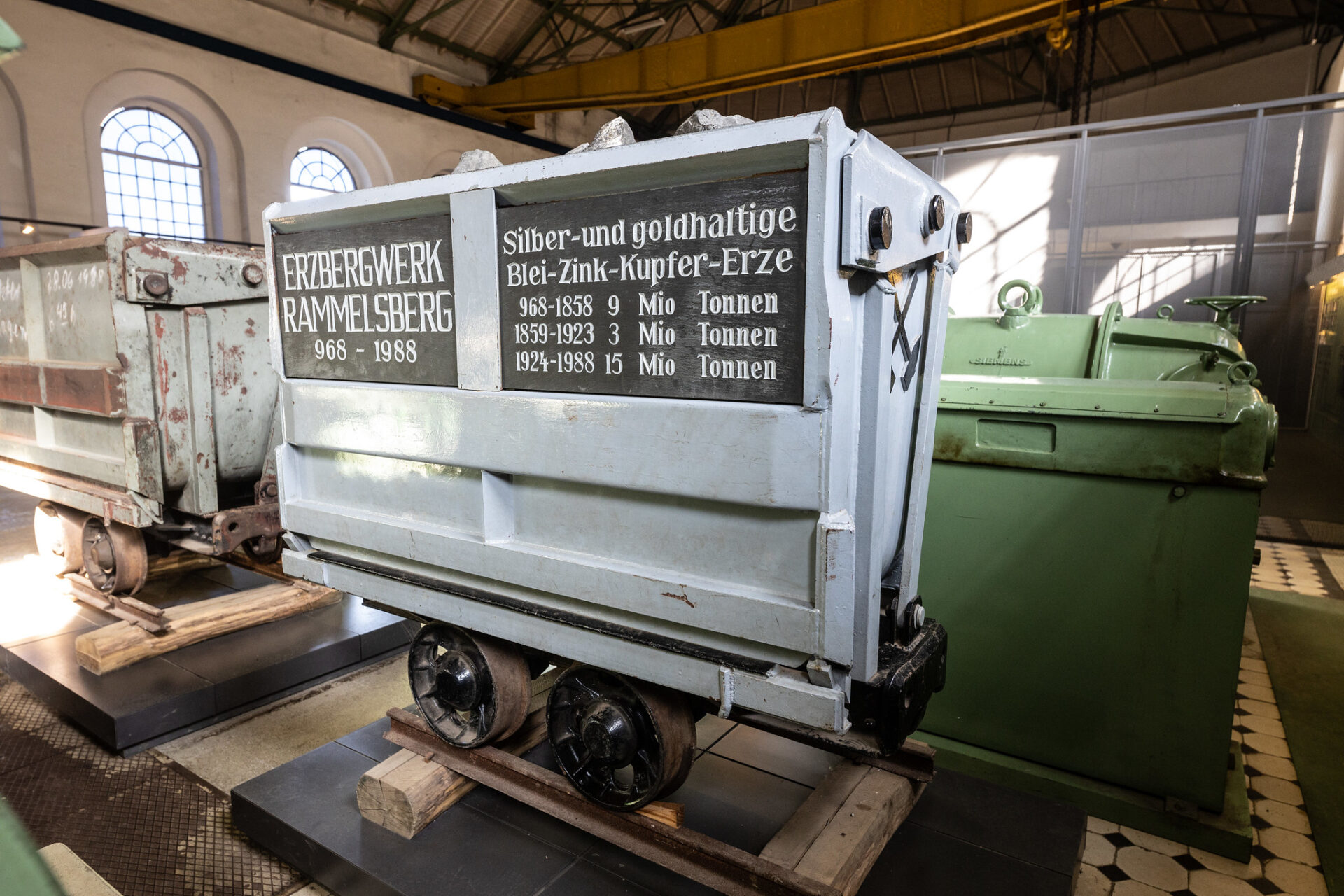
Last mine car from the Rammelsberg mine
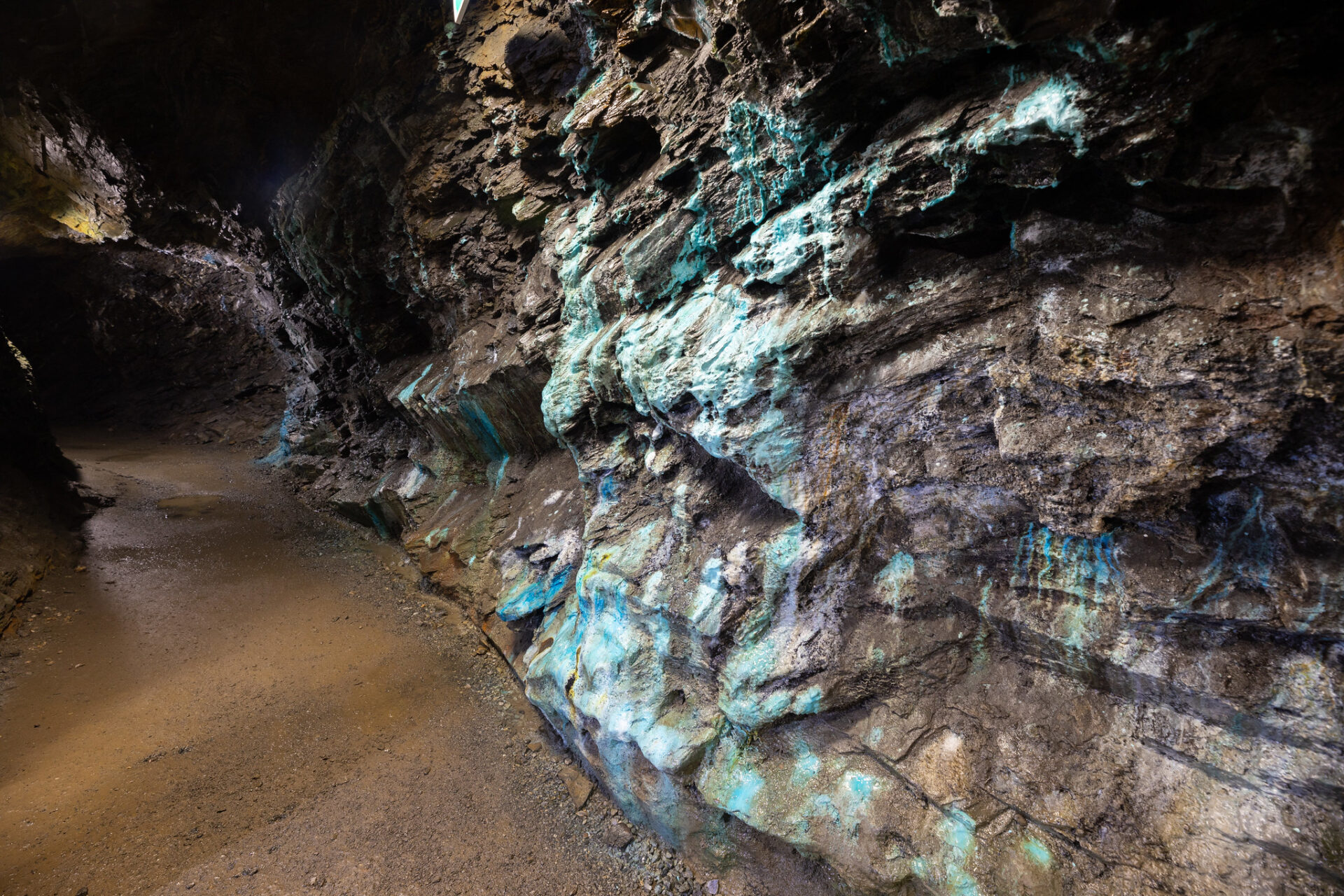
Haulage gallery